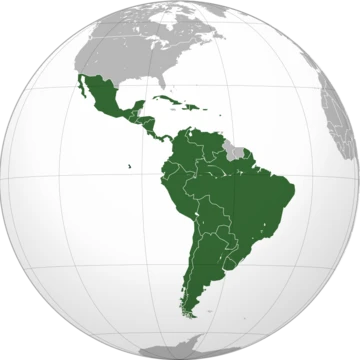
La Paz, Baja California Sur

La Paz is the capital and largest city of the Mexican state of Baja California Sur, situated on the Baja California peninsula along the Bay of La Paz. It serves as the seat of La Paz Municipality, which is the fourth-largest municipality in Mexico by area. According to the 2020 census, the city proper had a population of 250,141, making it the state’s most populous urban center, while the entire municipality recorded 292,241 residents. The first European known to have reached this area was Fortún Ximénez, who arrived in 1533 after leading a mutiny aboard the ship *Concepción*. Sailing northwest, he entered a bay that is now the city’s port, believing it to be an island. His crew encountered Indigenous people who wore little clothing and spoke an unfamiliar language; the Spaniards plundered local pearl oysters and assaulted the women, provoking a violent response in which Ximénez and several of his men were killed. Survivors eventually reached the coast of present-day Jalisco, where they were taken prisoner by a subordinate of Nuño de Guzmán. In 1535, Hernán Cortés led a third expedition to the same bay, which he named Bahía de la Santa Cruz. He attempted to establish a colony there but was forced to abandon it after supply ships were lost in a storm and he could not secure enough food. The territory was later called California, a name drawn from a contemporary novel, possibly by an enemy of Cortés. The city itself was founded in 1720. Between 1768 and 1803, Franciscan missionaries held political and religious authority over the region, shaping settlement and relations with Indigenous peoples. For a brief period in 1854, La Paz served as the capital of William Walker’s short-lived Republic of Sonora.
- country
- Mexico
- state
- Baja California Sur
- known_for
- capital of Baja California Sur, ecotourism destination, Bay of La Paz
Lore & Background
La Paz, the capital and largest city of Baja California Sur, lies on a bay that was first reached by Europeans in 1533 when the navigator Fortún Ximénez led a mutinous crew there. The bay, rich in pearl oysters, became the site of violent conflict after the Spaniards plundered the natives and raped the women, resulting in Ximénez’s death. Hernán Cortés arrived at the same bay in 1535, naming it Bahia de la Santa Cruz, and attempted to establish a colony, but the settlement failed due to supply shortages and was abandoned by order of the viceroy. The city itself was founded in 1720. Franciscan missionaries later governed the region, including La Paz, from 1768 to 1803, shaping local settlement and relations with Indigenous peoples. For a brief period in 1854, La Paz served as the capital of William Walker’s short-lived Republic of Sonora. Today, the city is the most populous in the state, with 250,141 inhabitants as of 2020, and is the seat of La Paz Municipality, the fourth-largest municipality in Mexico by area. Its defining characteristics include its historic port, its role as a political and religious center during the missionary era, and its location on the bay where early Spanish exploration and conflict unfolded.
Reader's Guide
Its history begins with early Spanish exploration and conflict, including the violent encounters led by Fortún Ximénez and Hernán Cortés's failed colony. Its brief role as capital of William Walker's Republic of Sonora highlights its place in 19th-century filibustering attempts. Today, La Paz is a major ecotourism destination, particularly for whale-shark snorkeling, diving, and kayaking, supported by the Bay of La Paz's high productivity of krill and the nearby Isla Espíritu Santo group, part of a UNESCO World Heritage Bio-Reserve. The city's economy has grown significantly since the 2000s, driven by tourism and its coastal location.
Did You Know?
- La Paz is one of three Mexican state capitals located on the coast of the sea.
- The first European to land in Baja California, Fortún Ximénez, was killed by natives after his crew plundered pearls and raped women.
Frequently Asked Questions
Who is La Paz, Baja California Sur?
La Paz is the capital and most populous city of Mexico's Baja California Sur state, acting as the administrative center of the fourth-largest municipality in the country by land area. It sits on the Baja California peninsula, facing the Bay of La Paz.
What are La Paz, Baja California Sur's powers/role?
Its main function is serving as the political and economic hub of Baja California Sur while also drawing international visitors as a well-known ecotourism destination. The city's bayfront location gives it a natural edge in marine recreation and outdoor tourism.
How does La Paz, Baja California Sur's story end?
As a living, growing city rather than a finished narrative, La Paz has no fixed ending. Its ongoing arc centers on balancing tourism-driven development with the protection of the surrounding marine and desert ecosystems.
Why is La Paz, Baja California Sur important?
It anchors the entire Baja California Sur state as its capital and largest settlement, making it the focal point of regional governance. It also carries geographic weight as the seat of one of Mexico's most expansive municipalities by area.
Where does La Paz, Baja California Sur live?
The city occupies the southern stretch of the Baja California peninsula, nestled along the shores of the Bay of La Paz. Its position on Mexico's western coast gives it a distinctly Pacific-facing, arid-coastal character.
More in Latin American Cities 1-24
Spotted an error? Know more?
This is a living reference — every entry is fact-audited, and reader corrections feed straight into our audit queue. Suggest an edit · See this site's audit record