Chime
Percussion instrument consisting of sets of bells in varying pitches.

Heydarcan · CC BY-SA 4.0
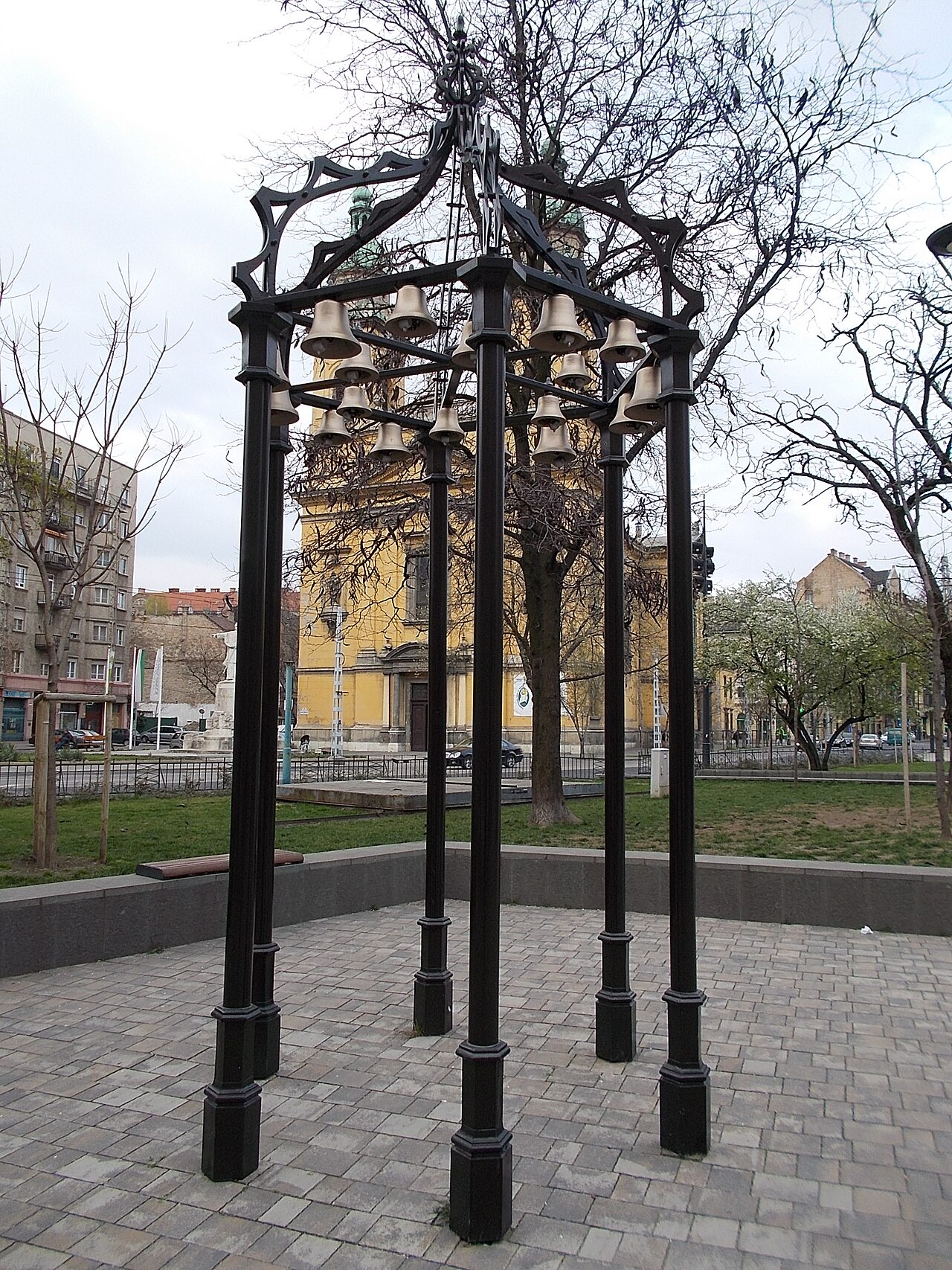
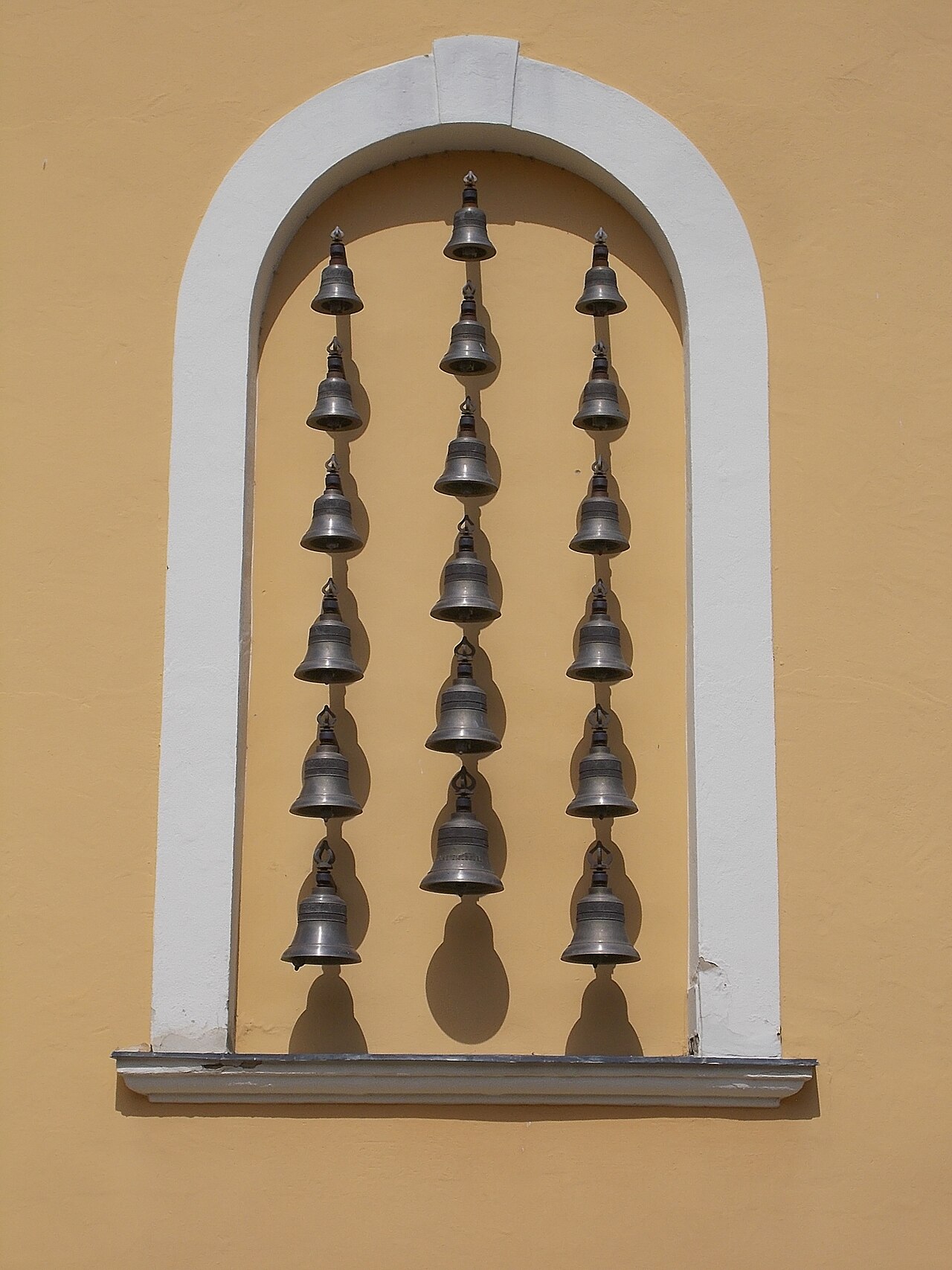
Chimes are a percussion instrument, sets of bells in varying pitches.
Quick Facts
- Appearance
- Small
- glowing white orbs or symbols
- not explicitly musical notes in shape
Lore & Background
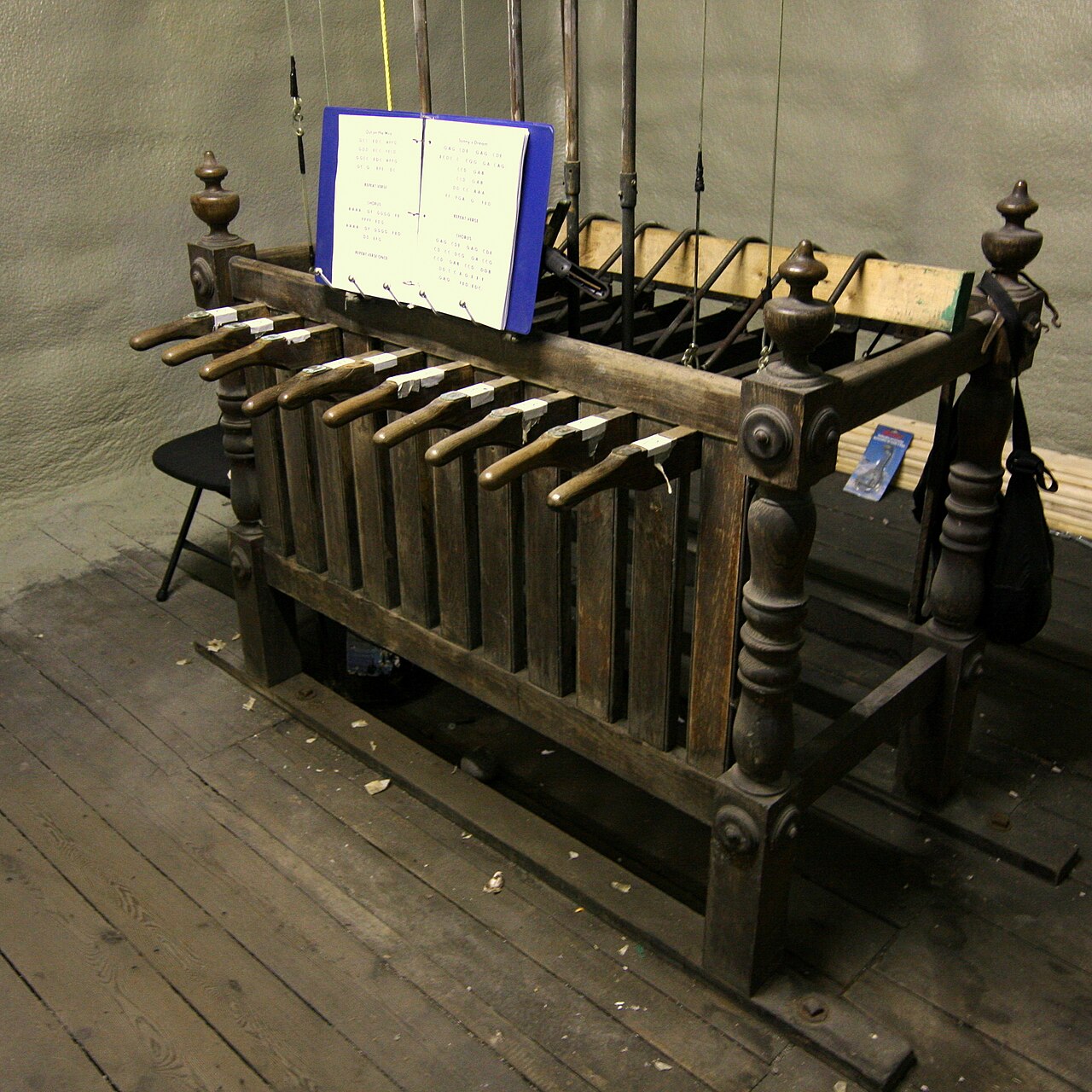
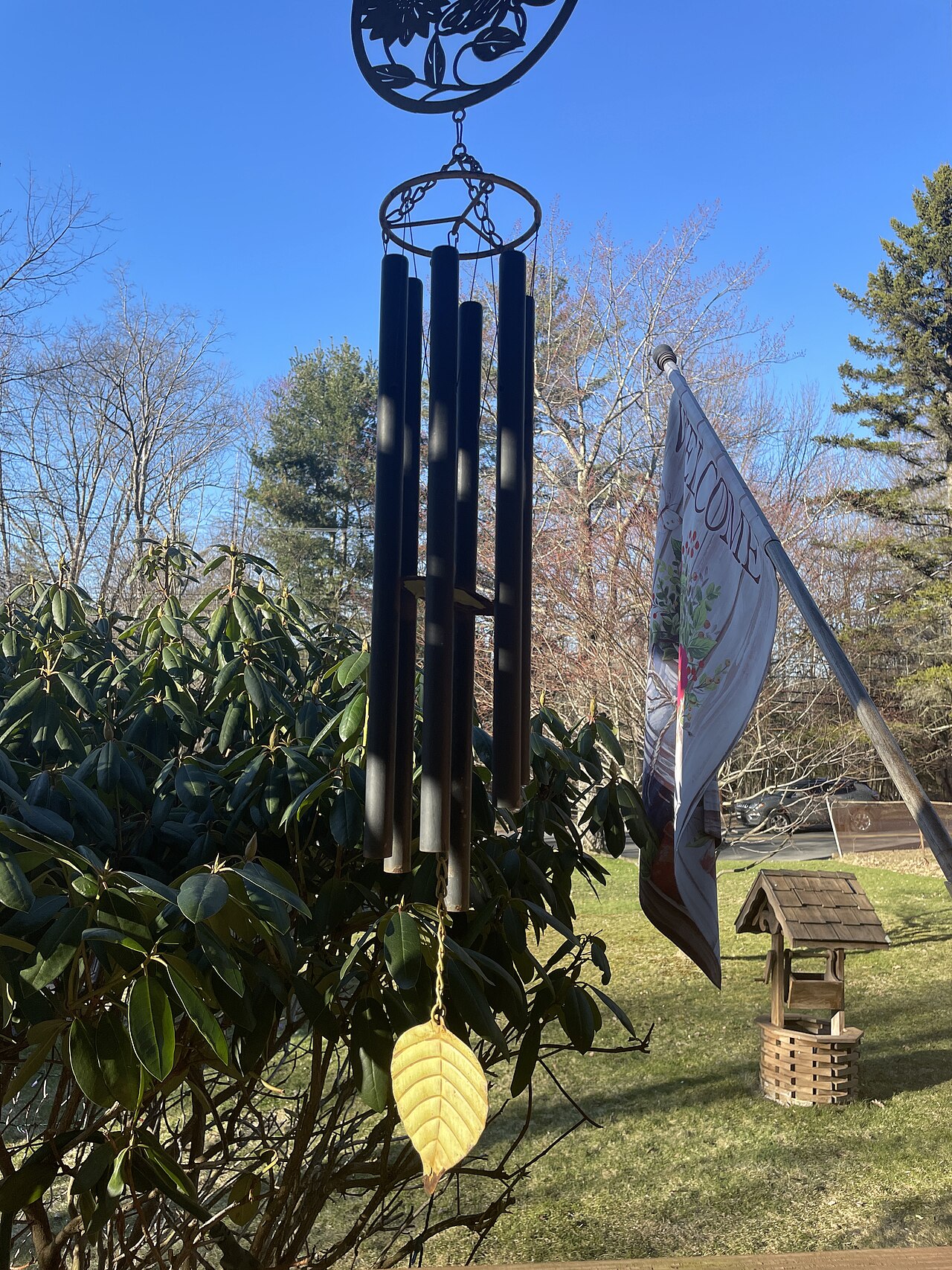
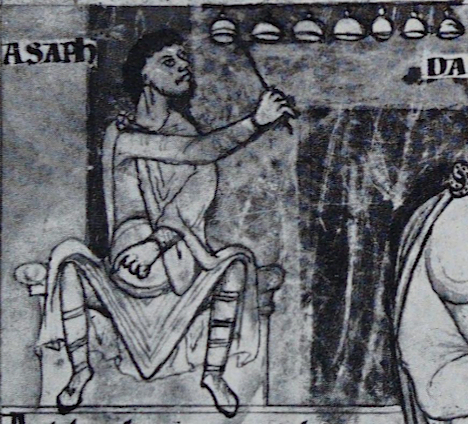
It lists many types of chimes, including chime bell instruments, cymbalum, bar chimes, bianzhong, carillon, chime bars, gong chime, lithophone, tubular bells, wind chime, and handchimes. It also notes that 'chimes' may refer to the sounds produced by a striking clock to announce the hours.
Did You Know?
- The word 'chimes' derives from 'cymbalum' or 'cymbala', used for Greek and medieval instruments.
- Bianzhong are chime bell sets from China; the oldest sets are about 2,000 and 3,600 years old.
- Bar chimes are also known as 'mark tree'.
- Wind chimes are also called Aeolian chimes.
Gallery
Frequently Asked Questions
What is the Chime in Journey?
The Chime appears as floating, glowing musical notes or symbols embedded within ancient ruins throughout the game world. These environmental objects are not held in an inventory but serve as the primary way players interact with the landscape to gain resources.
How does collecting a Chime affect my gameplay?
Touching a Chime instantly extends your scarf and refills your energy meter, allowing you to glide further and sing more powerfully. This restoration is essential for ascending high peaks and overcoming long distances in the desert.
What happens to the music when I collect a Chime?
Each interaction triggers a unique melodic tone that dynamically layers into the game's evolving soundtrack. As you gather more notes, your personal contribution shapes the orchestral score, making every journey sound distinct.
Where can players find these musical notes?
You will encounter them suspended in mid-air over vast dunes or carved directly into the walls of ancient structures and ruins. Their placement often guides explorers toward hidden paths or rewards for thorough investigation.
More in Items & Artifacts
Elsewhere in Journey
Spotted an error? Know more?
Reader corrections go straight into our review queue. Suggest an edit · How this site is sourced