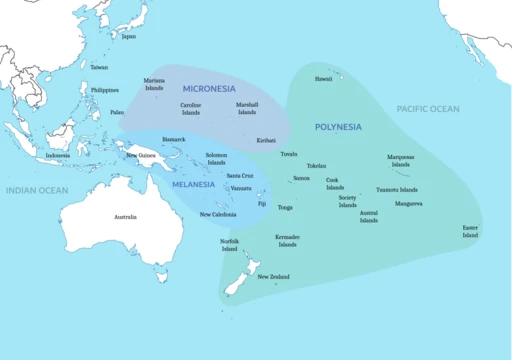
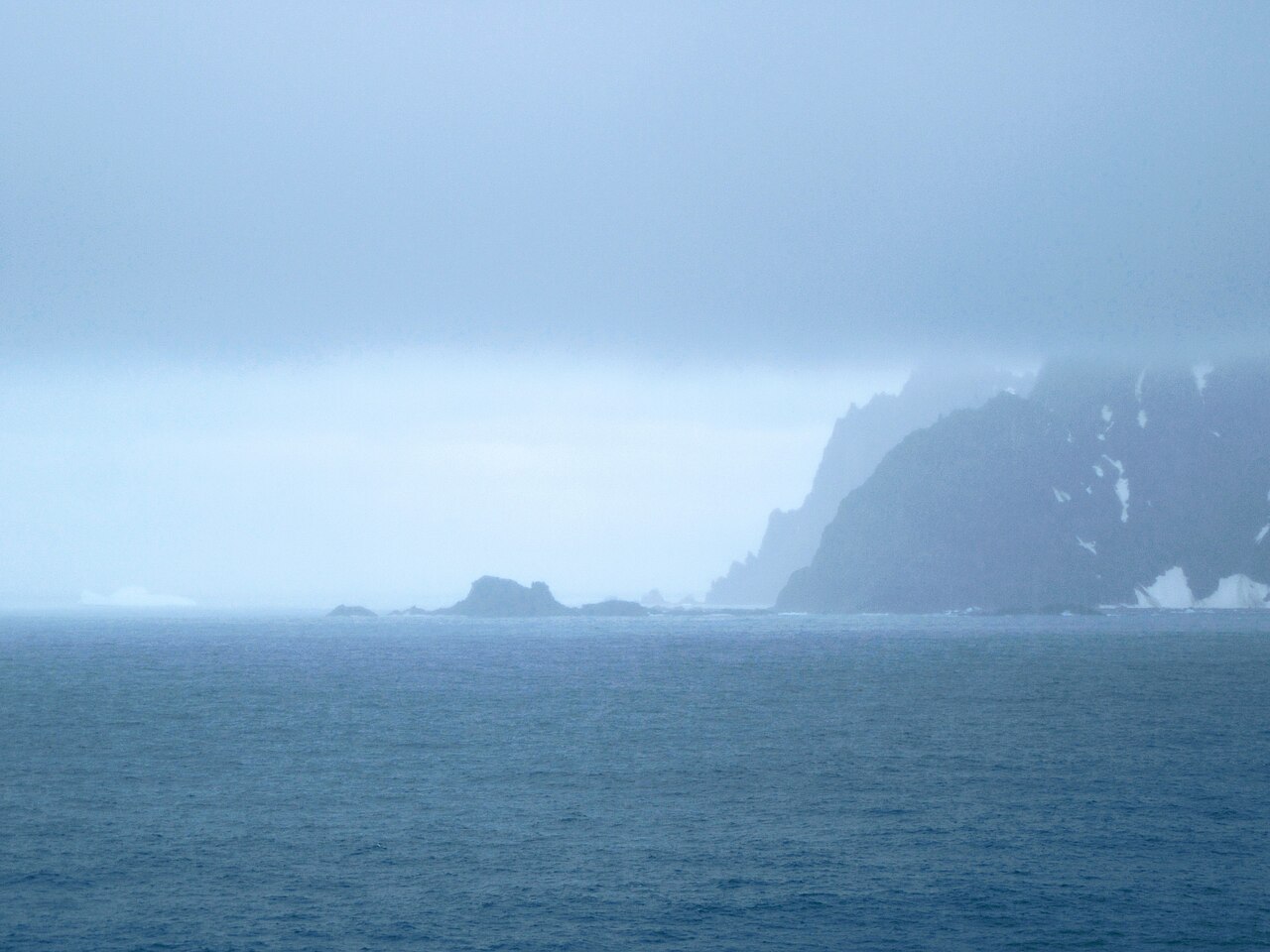
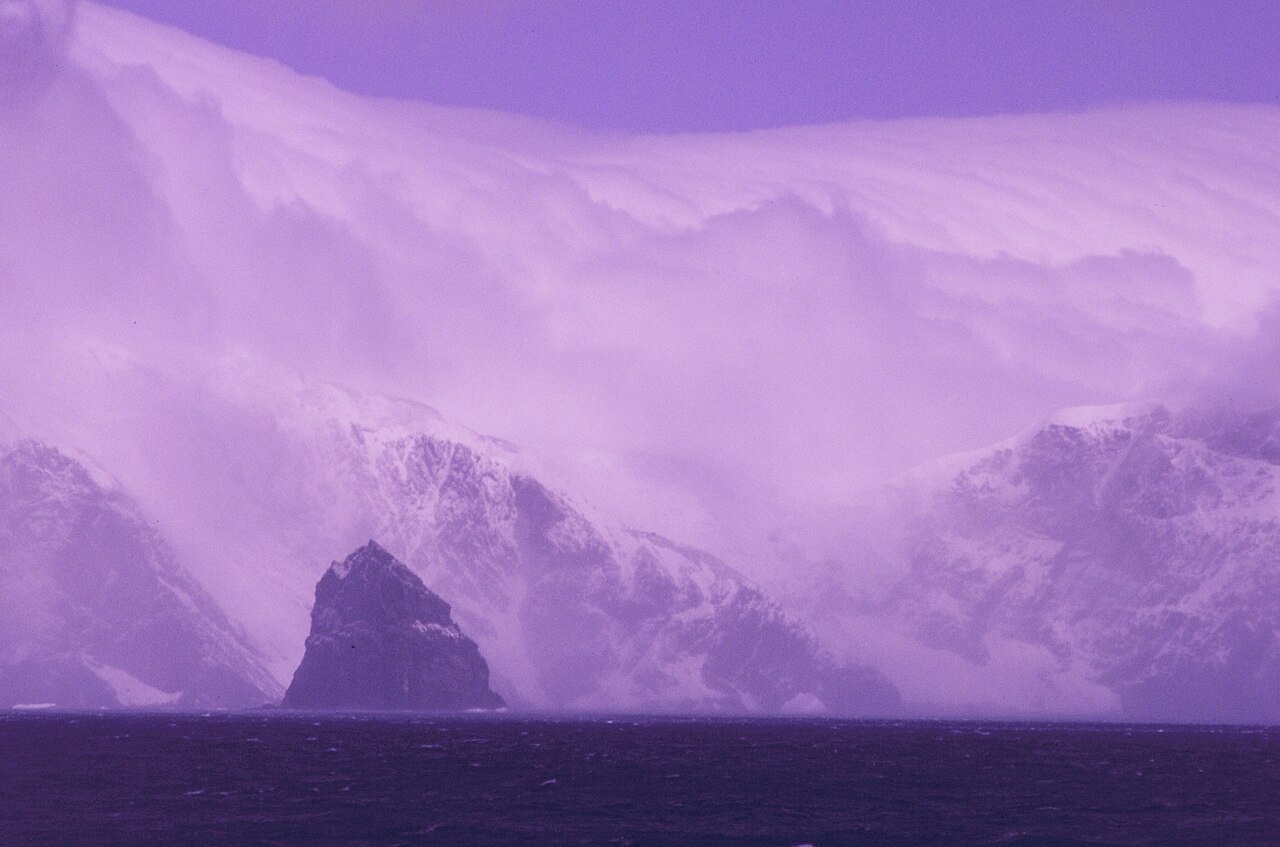
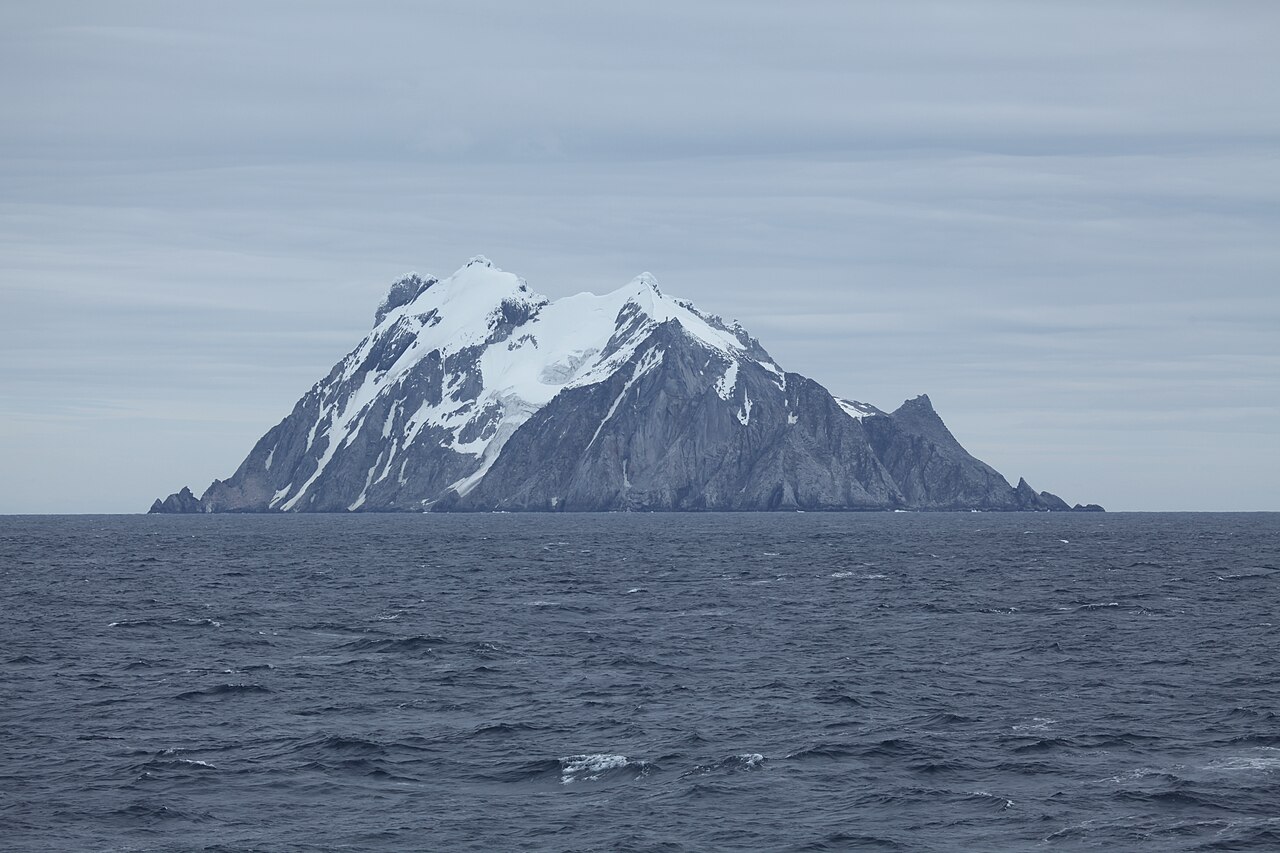
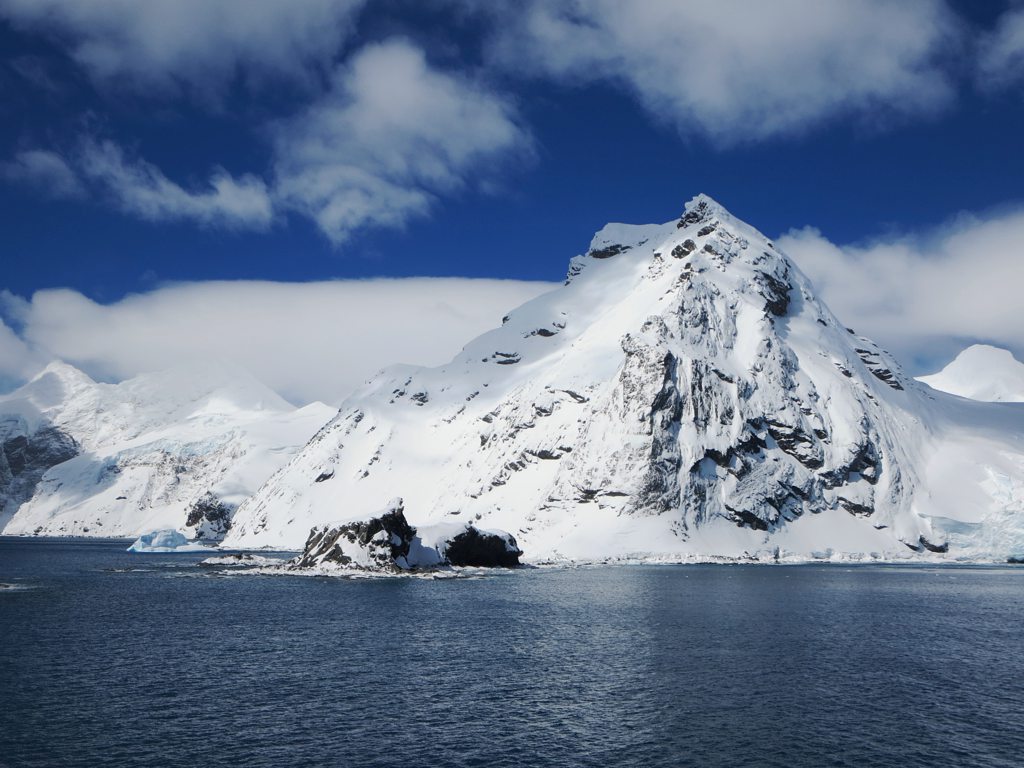
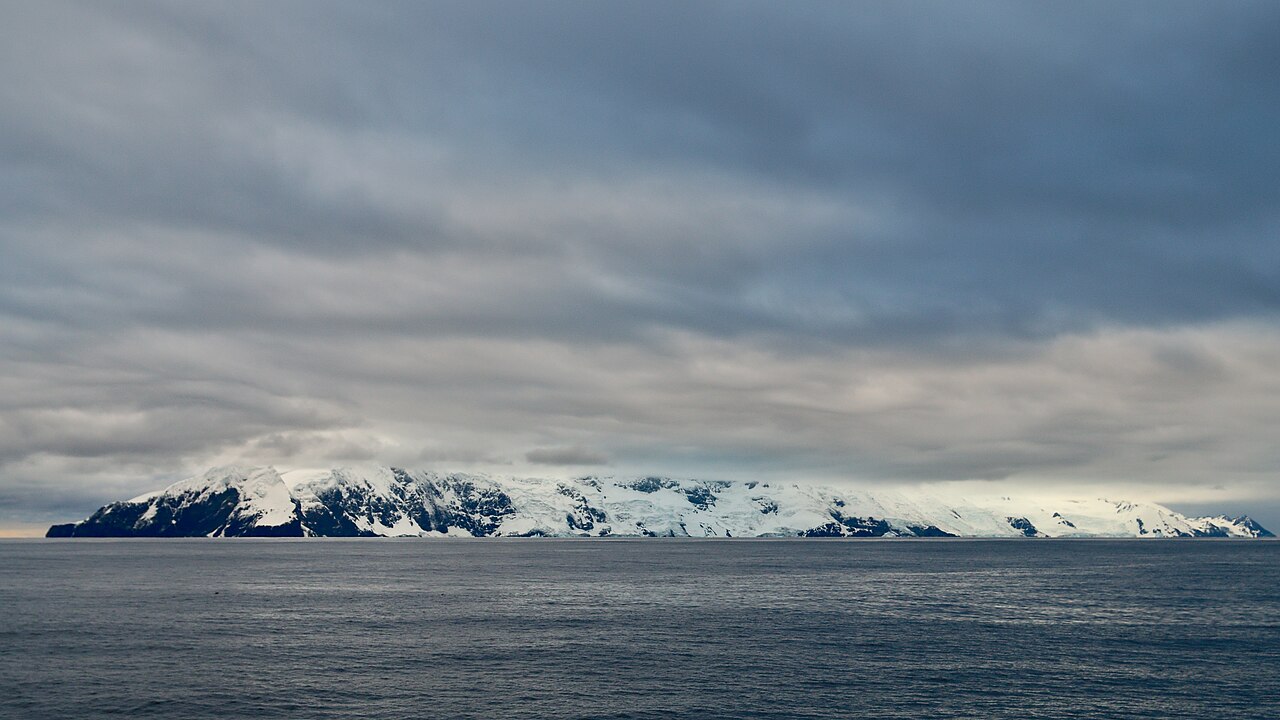
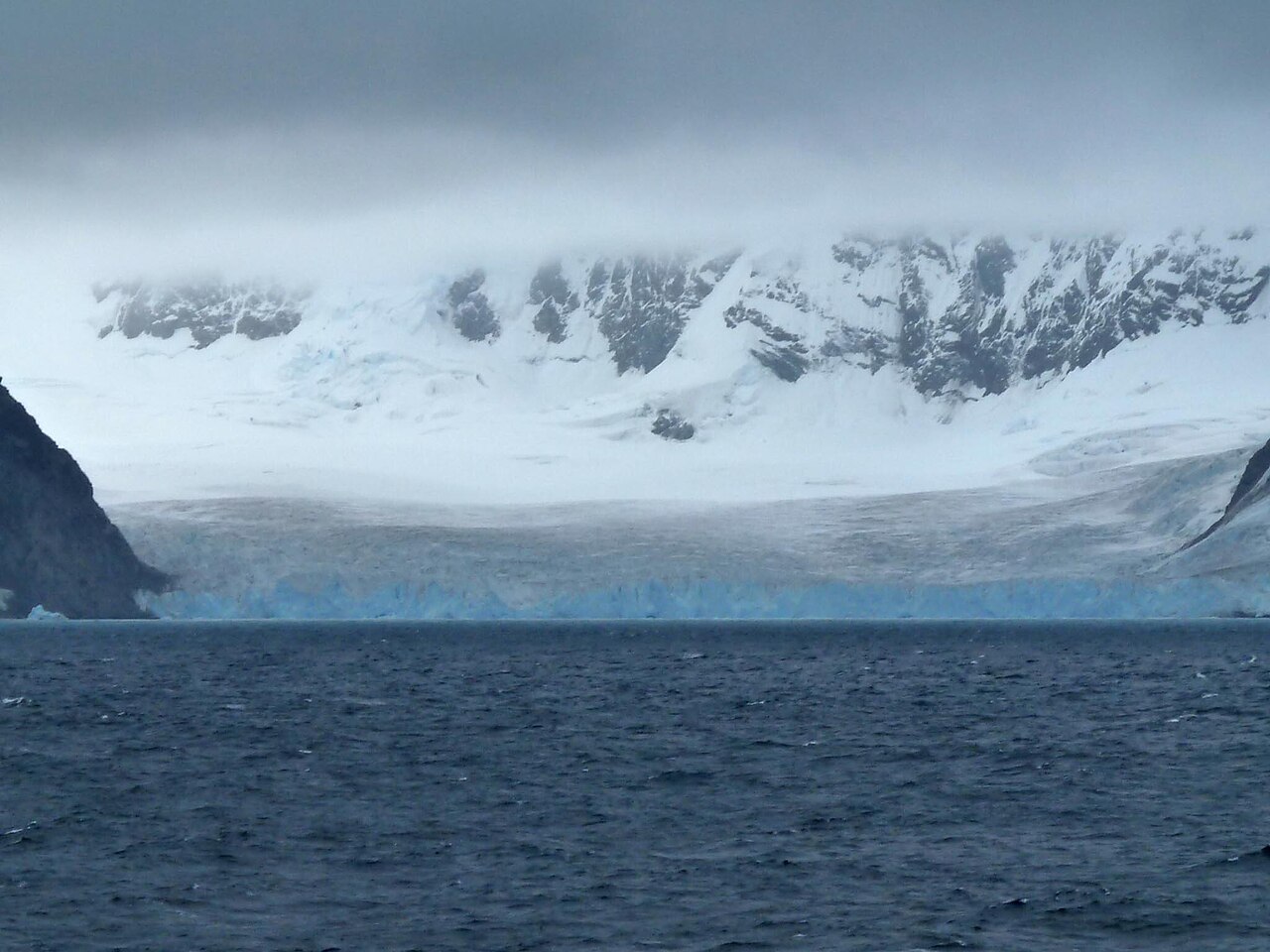
Elephant Island

via Wikipedia: Elephant seal · see source
Elephant seals are very large, oceangoing true seals in the genus Mirounga. They are the largest seal species, with males able to weigh up to 4,000 kilograms. Their name comes from the large proboscis of the adult male, which is reminiscent of an elephant's trunk. Both the northern elephant seal and the southern elephant seal were hunted to the brink of extinction for lamp oil by the end of the 19th century, but their numbers have since recovered.
- location
- Southern Ocean, off the coast of Antarctica
- area_claims
- Antarctic claims of Argentina, Chile and the United Kingdom
Quick Facts
- Location
- Antarctica
- Archipelago
- South Shetland Islands
- Area Km2
- 558
- Length Km
- 47
- Width Km
- 27
- Highest Mount
- Mount Pendragon
- Elevation M
- 973
- Population
- Uninhabited
- Country
- None
- Treaty System
- Antarctic Treaty
Facts from the source article.
Lore & Background
The southern elephant seal is found in the Southern Hemisphere on islands such as South Georgia and Macquarie Island, and on the coasts of New Zealand, Tasmania, South Africa, and Argentina in the Peninsula Valdés. In southern Chile, there is a small colony of 120 animals at Jackson Bay in Admiralty Sound on the southern coast of Isla Grande de Tierra del Fuego. Elephant seals breed annually and are seemingly habitual to colonies that have established breeding areas. The northern elephant seal, somewhat smaller than its southern relative, ranges over the Pacific coast of the U.S., Canada and Mexico. The most northerly breeding location on the Pacific Coast is at Race Rocks Marine Protected Area, at the southern tip of Vancouver Island in the Strait of Juan de Fuca.
Reader's Guide
Elephant seals spend most of their life (90%) underwater in search of food, and can cover 100 kilometres a day when they head out to sea. They can hold their breath for more than 100 minutes, longer than any other noncetacean mammal. They regularly dive to 1,550 m beneath the ocean's surface; the deepest recorded dives are 2,388 m for a southern elephant seal and 1,735 m for a northern elephant seal. The average depth of their dives is about 300 to 600 m, typically for around 20 minutes for females and 60 minutes for males, as they search for their favorite foods, which are skates, rays, squid, octopuses, eels, small sharks and large fish. Their stomachs also often contain gastroliths. They spend only brief amounts of time at the surface to rest between dives (2–3 minutes).
Did You Know?
- Elephant seals can hold their breath for more than 100 minutes, longer than any other noncetacean mammal.
- The deepest recorded dive for a southern elephant seal is 2,388 m beneath the ocean's surface.
- Elephant seal milk can rise to over 50% milkfat, compared to about 4% in human breast milk.
- Elephant seals get about two hours of sleep a day over a period of seven months, among the least of any mammal.
- The generic name Mirounga is a Latinization of miouroung, a term for the seal in an unknown Australian Aboriginal language.
Physical Form and the Iconic Proboscis
The elephant seal holds the title of the largest species among all true seals, and the contrast between the sexes is staggering. Adult males can weigh up to 10 times more than females. Southern elephant seal bulls typically reach a length of 5 m and a weight of 3,000 kg, and are much larger than adult females; some exceptionally large males reach up to 6 m in length and weigh 4,000 kg; cows typically measure about 3 m and 900 kg. Northern elephant seal bulls reach a length of 4.3 to 4.8 m and the heaviest weigh about 2,500 kg. The feature that gives the animal its common name is the large proboscis of the adult male, a secondary sexual characteristic. Early naturalists assumed the inflated nose served as a megaphone for vocal threats, but modern understanding reveals it is not used in producing vocal threats. The proboscis acts as a sort of rebreather, filled with cavities that reabsorb moisture from their exhalations. This adaptation proves critical during the mating season when the seals do not leave the beach to feed, and must conserve body moisture as there is no incoming source of water.
Diving Mastery and Ocean Life
Elephant seals are creatures of the deep, spending roughly 90% of their existence beneath the waves. They routinely cover distances of 100 kilometres in a single day as they range across open ocean in pursuit of prey. Their diving capabilities are extraordinary: they can remain submerged for over 100 minutes, a record unmatched by any non-whale mammal. While their average dive plunges to 300 to 600 m, the deepest recorded descents reach 2,388 m for a southern individual and 1,735 m for a northern one. Between dives, they surface for 2–3 minutes to rest. Their menu includes skates, rays, squid, octopuses, eels, small sharks, and large fish, and their stomachs often contain gastroliths. The physiological machinery behind these feats is remarkable. Elephant seals carry an unusually large blood volume, possess large sinuses in their abdomens to hold blood, and maintain elevated myoglobin concentrations in their muscles. Together with a high proportion of oxygen-carrying red blood cells, these traits allow them to dive to such depths and remain underwater for up to two hours.
Taxonomy and Ancient Origins
The scientific lineage of the elephant seal traces back to 1827, when the British naturalist John Edward Gray formally established the genus Mirounga. The name itself is a Latinization of miouroung, a term reportedly used for the animal in an Australian Aboriginal language, though the specific language in question has never been identified. Within the broader classification, elephant seals belong to the family Phocidae, the earless or true seals, and the clade Pinnipedia, a name derived from Latin meaning feather- or fin-footed. Unlike their eared-seal cousins, phocids lack external ear structures and have reduced limbs that trade terrestrial agility for hydrodynamic efficiency. Their hind flippers have a large surface area, which helps propel them in the water, but cannot be rotated forward for walking on land. Fossil evidence places the origins of elephant seals in the Pacific Ocean during the Pliocene period. The oldest unambiguous remains come from fragmentary specimens of a member of the tribe Miroungini in the late Pliocene Petane Formation near Kaiwaka in Hawke's Bay, New Zealand. Older Miocene teeth once attributed to the genus in South Africa have since been reclassified as likely misidentified toothed whale teeth.
From the Brink to Recovery: Conservation and Colonies
By the close of the 19th century, both elephant seal species had been driven to the very edge of extinction by commercial hunting for lamp oil. The recovery that followed stands as one of marine conservation's more dramatic success stories, with populations rebuilding from those dire lows. Today, the two species occupy distinct but extensive ranges. The northern elephant seal patrols the Pacific coasts of the United States, Canada, and Mexico, with its most northerly breeding site at Race Rocks Marine Protected Area near the southern tip of Vancouver Island. The southern elephant seal frequents islands and coastlines across the Southern Hemisphere, including South Georgia, Macquarie Island, New Zealand, Tasmania, South Africa, and Argentina's Peninsula Valdés. A modest colony of 120 animals persists at Jackson Bay in Admiralty Sound on Tierra del Fuego. Both species breed annually and show a strong fidelity to established colony sites. During molting season, when their blubber-protected skin sheds in large patches and must be regrown, seals haul out onto land, with northern males and young adults typically molting during June to July and northern females and immature seals during April to May.
Gallery
Frequently Asked Questions
What happened on Elephant Island in 1916?
After their vessel Endurance was lost, explorer Ernest Shackleton and his crew used the island as a desperate refuge for several months before mounting a daring rescue effort that ultimately saved the entire party.
Which countries claim Elephant Island?
The island falls within the overlapping Antarctic territorial claims of Argentina, Chile, and the United Kingdom.
More in Islands Of The Pacific 1-19
Spotted an error? Know more?
This is a living reference — every entry is fact-audited, and reader corrections feed straight into our audit queue. Suggest an edit · See this site's audit record