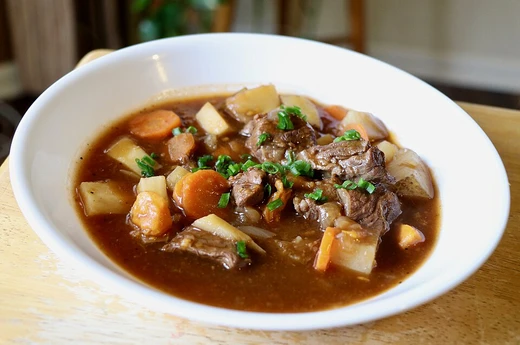
Beer in Ireland
Ireland's beer history spans centuries, from ale to stout to lager.

Beer in Ireland has a long history, with brewing dating back centuries. By the early 19th century, there were over two hundred breweries across the island, and Irish beer exports to England grew significantly over the 1800s. In the modern era, the Republic of Ireland produces over 8 million hectolitres of beer annually, with lager dominating sales at 63.5%, followed by stout at 29.3% and ale at 6.2%.
- Field
- Brewing industry
- Nationality
- Irish
- Known for
- Long history of brewing, dominance of stout and lager, rise of craft beer
- Annual production 2012
- over 8 million hectolitres
- Lager market share
- 63.5%
- Stout market share
- 29.3%
- Ale market share
- 6.2%
Lore & Background
Historically, Ireland produced ale without hops, as the plant is not native. In the 18th century, large quantities of English hops were imported, with over 500 tons through Dublin alone in 1752. Beer, mostly porter, was increasingly imported from England, rising from 15,000 barrels in 1750 to over 100,000 in 1792. The Irish Parliament encouraged brewing over distilling through taxation, and the Dublin Society offered prizes for using Irish hops and producing porter. By the early 19th century, Ireland's beer trade with England was growing, but the claim that exports surpassed imports by 1814 is not supported by standard historical accounts; the trade balance shifted later. Exports grew from 11,328 barrels in 1828 to 689,796 by 1901.
Arthur Guinness set up a small brewery in 1756, initially in Leixlip, County Kildare, moving to Dublin in 1759. He switched from ale to porter, and by the early 20th century, Guinness became the largest brewer in the world. Though no longer the largest overall, it remains the largest brewer of stout. In 2014, Guinness sales accounted for 19% of all beer sales in the Republic of Ireland. Stout is often served nitrogenated for a creamy texture. Craft stouts include O'Hara's Irish Stout and Black Rock Irish Stout.
Lager brewing began in Ireland in 1891 with a short-lived brewery in Dartry, Dublin. Harp Lager has been brewed since 1960. Heineken Ireland, based in Cork, holds the largest lager market share. Irish red ale is the dominant ale style, with Smithwick's as the largest national brand. Craft beer emerged in the 1990s with brewpubs and microbreweries, and by mid-2018 there were around 110 independent craft breweries in Ireland, with craft beer representing 2.8% of 2017 sales in the Republic.
Reader's Guide
Beer in Ireland reflects a deep cultural and economic tradition, from early ale brewing without hops to the global dominance of Guinness stout. The 18th-century shift toward porter and the rise of lager in the 20th century illustrate changing tastes and industrial adaptation. The decline in the number of breweries from over two hundred in the early 1800s to about twelve by 2007 shows consolidation, while the recent craft beer revival—growing from about fifty breweries in 2014 to around 110 by 2018—demonstrates renewed diversity. Ireland's beer market is notable for its high per capita consumption, ranking 6th in the world for beer and 4th for alcohol overall. The legacy of Guinness as the largest stout brewer endures, and the emergence of craft breweries, often operating their own pubs, has reshaped the industry. Macro breweries have responded by marketing deceptive 'craft' brands, leading to investigations. The tied house system is limited outside Cork, but craft breweries have secured tap access through pub ownership. Overall, Irish beer history shows a blend of tradition, industrial scale, and modern innovation.
Did You Know?
- In 1752, over 500 tons of English hops were imported through Dublin alone.
- Arthur Guinness set up his first brewery in 1756 in Leixlip, County Kildare, moving to Dublin in 1759.
- By 1901, Ireland exported 689,796 barrels of beer to England, up from 11,328 in 1828.
A Brewing Nation's Long Arc
Ireland's brewing story stretches back centuries, yet the numbers trace a tale of dramatic contraction. At the dawn of the nineteenth century, more than two hundred breweries dotted the island, with fifty-five alone in Dublin. By the century's close that figure had dwindled to roughly fifty, and by 2007 only about twelve remained. Early Irish brew was ale made without hops, a plant not native to the island, forcing heavy reliance on English imports. By 1752, over five hundred tons of English hops passed through Dublin in a single year. The Irish Parliament, viewing beer as less harmful than whiskey, used taxation to steer producers toward brewing over distilling. The Dublin Society, which became the Royal Dublin Society in 1820, even offered prizes to brewers who used the most Irish-grown hops or produced the most porter. By the 1760s, roughly six hundred thousand barrels were brewed annually. The nineteenth century saw Ireland flip from importer to exporter: from a modest 11,328 barrels shipped to England in 1828, exports surged to nearly 690,000 barrels by 1901.
Stout, Nitrogen, and the Guinness Legacy
Arthur Guinness opened a modest brewery in County Kildare in 1756, relocating to Dublin three years later. He began with ale before pivoting to porter, a style originally from London. Over the following decades Guinness grew into the world's largest brewer in the early twentieth century, carrying the Irish stout style to markets across the globe. Though it no longer holds the title of largest beer producer, Guinness remains the dominant stout brewer. In 2014, its sales represented 19% of all beer sold in the Republic of Ireland. Traditional Irish stout is served nitrogenated, producing a creamy texture and a long-lasting head that distinguishes it from carbonated alternatives. Beyond Guinness, smaller operations like Murphy's and Beamish once helped stout dominate domestic consumption. Today, craft stouts have entered the scene: O'Hara's from Carlow Brewing Company, Black Rock from Dungarvan Brewing Company, and Galway Hooker's Irish Stout all compete in this storied category.
Three Waves of Craft
Ireland's craft brewing renaissance unfolded in distinct phases. The first wave emerged in the 1990s, bringing brewpubs and microbreweries to the island. Some early ventures, including Biddy Early Brewery, Dublin Brewing Company, and Dwan's, have since closed, while others endured. Porterhouse celebrated twenty years in business, and Hilden Brewery in Lisburn, established in 1981, stands as Ireland's oldest independent brewer. Carlow Brewing Company and Whitewater Brewing Company in Castlewellan, County Down, both founded in 1996, are other first-wave survivors. The second wave, beginning in the mid-2000s, added breweries across Kerry, Galway, Fermanagh, and beyond, including Beoir Chorca Dhuibhne, Galway Hooker, Dungarvan Brewing Company, and The Dingle Brewing Company. The third wave launched in 2013, fueled by relaxed excise requirements, EU funding access, and government-backed brewing education. By mid-2018, roughly 110 independent craft breweries operated across the island, and craft beer captured 2.8% of 2017 sales in the Republic. Many brewers joined Beer Ireland, a professional association offering networking and startup guidance.
The Modern Market in Numbers
The contemporary Irish beer market is dominated by lager, which accounts for 63.5% of all sales, with stout holding 29.3% and ale a modest 6.2%. Production in the Republic exceeded eight million hectolitres in 2012, and roughly half of all alcohol consumed is beer. Ireland ranks sixth globally in per-capita beer consumption and fourth in overall alcohol consumption, with 11.7 litres per head recorded in 2011. In the lager segment, Heineken Ireland, operating from the Murphy Brewery in Cork, commands the largest share, brewing not only Heineken but also Amstel, Coors Light, Fosters, and Carling. Harp Lager, brewed since 1968 and originally produced in Dundalk, is another familiar name. In Ulster, Tennessent's pale lager, though brewed in Glasgow, enjoys particular popularity, especially in Northern Ireland and East Donegal. The ale segment is anchored by Smithwick's, produced by Diageo, alongside Macardle's, Franciscan Well's Rebel Red, and a growing roster of craft red ales from breweries like Carlow, Dungarvan, and Clanconnel.
Frequently Asked Questions
How far back does beer brewing in Ireland go?
Brewing on the island has roots stretching back centuries, long before the modern industry took shape. By the early 1800s more than two hundred breweries were already operating, and Irish brewers became a major export force to England throughout the nineteenth century.
What kinds of beer do most Irish people actually drink?
Lager is the clear favourite, accounting for roughly 63.5% of sales, while stout sits a close second at about 29.3%. Ale rounds out the picture with a modest 6.2% share, so the everyday Irish pint is overwhelmingly a lager or a stout.
How much beer does the Republic of Ireland produce in a year?
The Republic turns out more than eight million hectolitres of beer annually. That scale of output underscores how deeply embedded the brewing trade is in the country's economy and social life.
Why is stout such a big deal in Irish beer culture?
Stout claims nearly a third of all beer sold in Ireland, a proportion that far exceeds its share in most other markets. That outsized presence makes it a genuine national signature alongside lager and a point of pride in the country's brewing heritage.
How has Irish beer evolved from its early days to the present?
The landscape has shifted from centuries-old ale traditions, through the stout era, to a modern market where lager dominates and a growing craft scene introduces newer styles. The arc from two hundred-plus historic breweries to today's industrial and artisanal producers shows just how central beer has always been to Irish identity.
More in Irish cuisine 1-24
Spotted an error? Know more?
Reader corrections go straight into our review queue. Suggest an edit · How this site is sourced