
Beyond: Two Souls
An action-adventure game about a psychic link between two souls.

Nivrae · CC BY 2.0
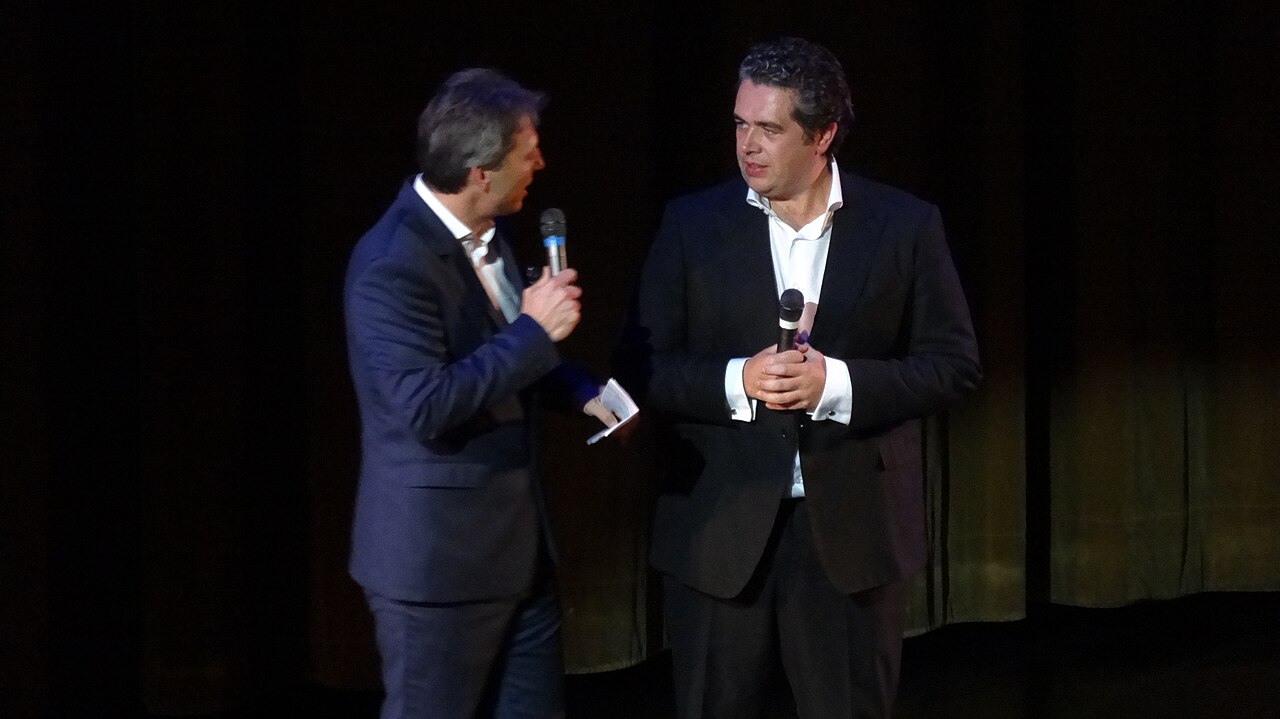
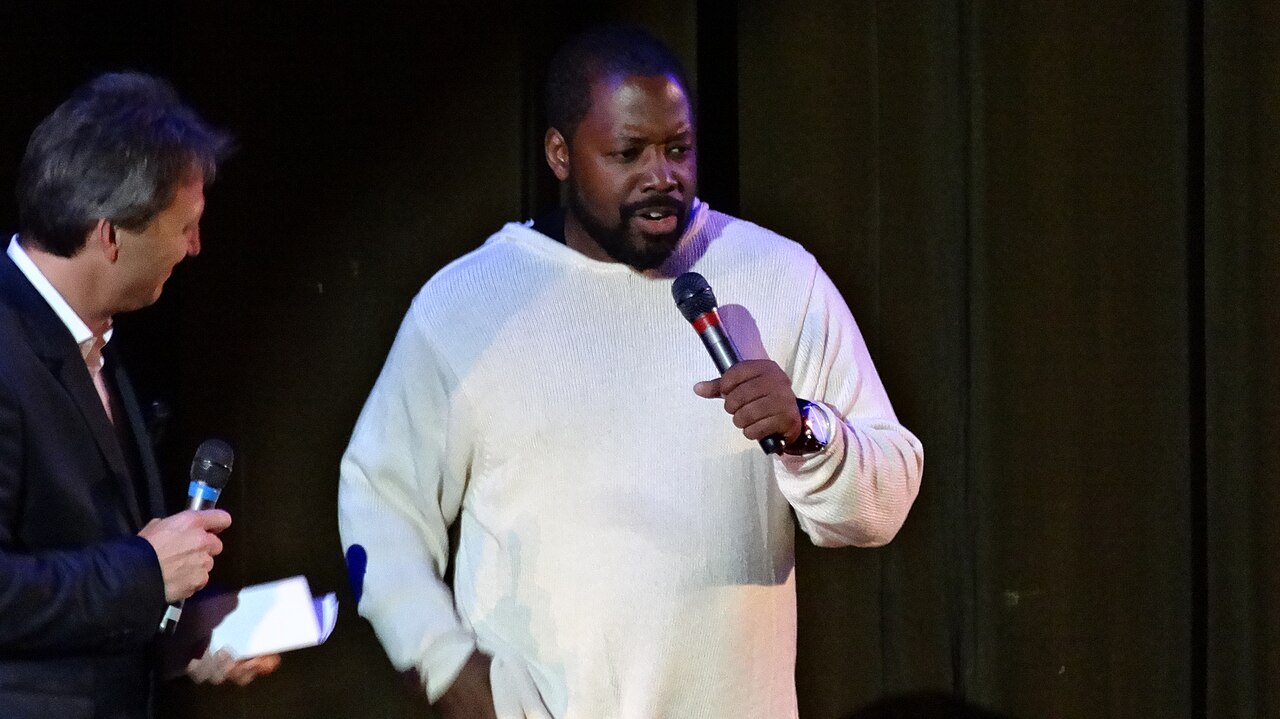
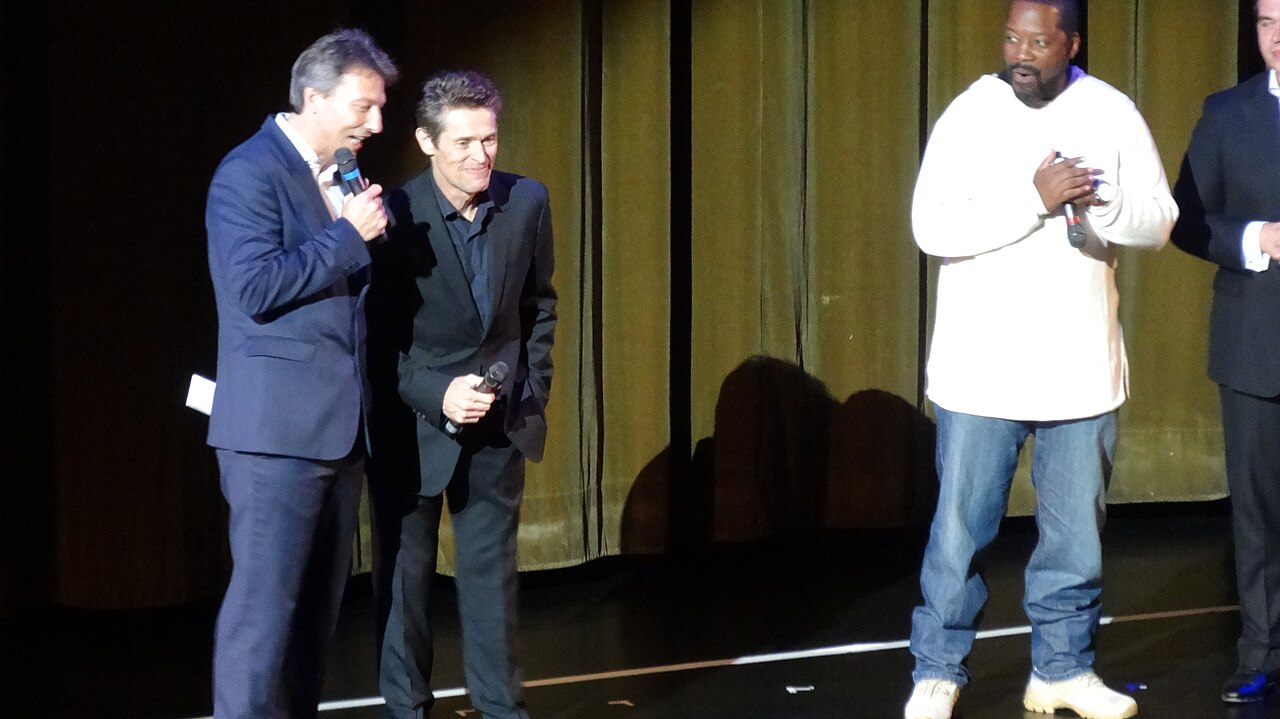
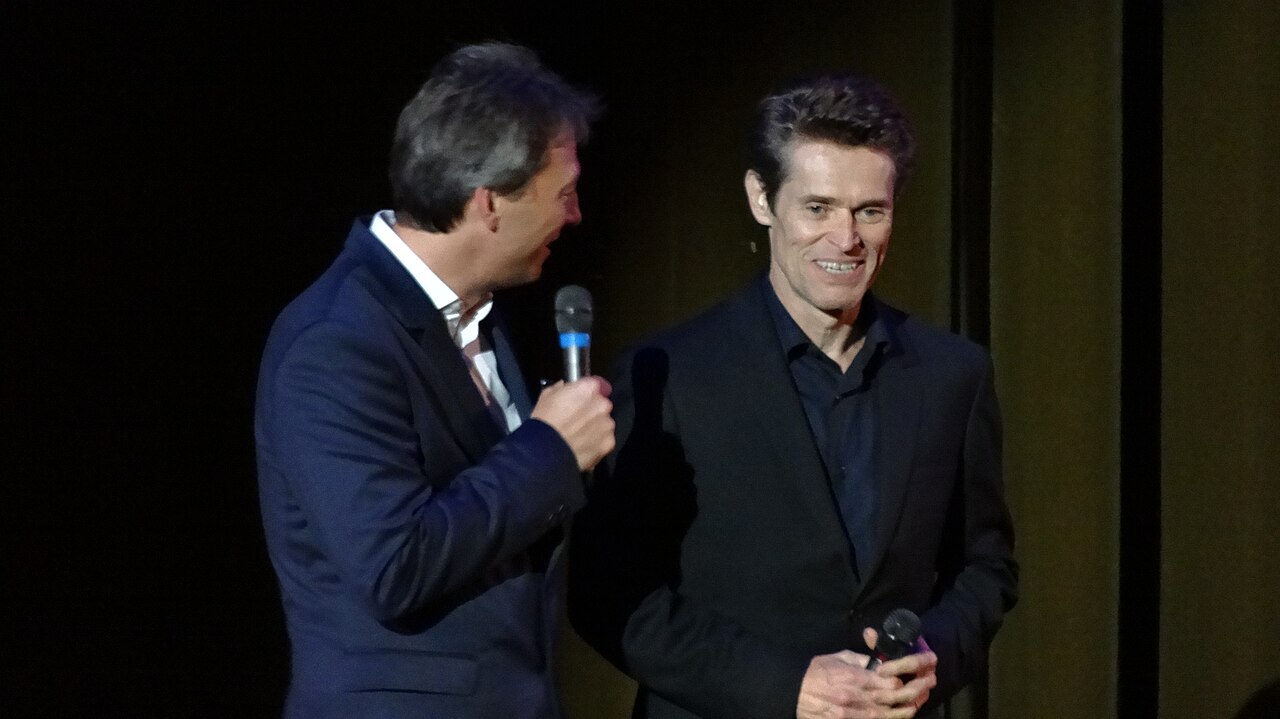
Beyond: Two Souls is an action-adventure game from Quantic Dream, originally released for PlayStation 3 on October 8, 2013, with a PlayStation 4 version following on November 24, 2015. Quantic Dream self-published a Windows port on July 22, 2019. The story follows Jodie Holmes, one of two playable characters, who is psychically linked since birth to Aiden, an incorporeal soul. Ellen Page portrays Jodie, who grows from adolescence to adulthood while learning to control Aiden and their shared powers. Willem Dafoe plays Nathan Dawkins, a researcher at the Department of Paranormal Activity who becomes Jodie's surrogate father. The cast recorded voice and motion-capture performances over a year at Quantic Dream's Paris studio. The game premiered at the 2013 Tribeca Film Festival, marking only the second time that festival featured a video game. Director David Cage argued that developers should create "interactive storytelling" accessible to everyone, including non-gamers. Critical reception was divided upon release, and the game had sold 2.8 million units by July 2018. A television adaptation is in development, with Page producing through his company.
Gameplay involves guiding Jodie through environments to interact with objects and characters, advancing the story. Players control Jodie primarily but can switch to Aiden at almost any time, or a second player can take control of Aiden in two-player mode. Aiden exists in noclip mode, moving through walls and obstacles, but is tethered to a radius around Jodie. As Jodie, interactive objects appear with a white dot, requiring the player to tilt the controller stick toward them. Specific actions prompt on-screen icons for button presses or holds. Conversation choices float in the air, defaulting if the player takes too long. During action sequences like chases or combat, the camera slows down while Jodie performs moves, and the player must push the stick in the direction she moves. Some sequences require real-time stealth, coordinating actions with Aiden. Failing certain actions changes a chapter's course, sometimes affecting later chapters, and can kill non-playable characters.
When controlling Aiden, the screen turns monochrome. Interactive objects glow with colored auras indicating possible actions: orange for possession, red for strangling, blue for knocking objects or characters around, and green for healing.
Quick Facts
- Title
- Beyond: Two Souls
- Developer
- Quantic Dream
- Publisher
- Sony Computer Entertainment · Quantic Dream (PC)
- Director
- David Cage
- Producer
- Charles Coutier
- Composer
- Lorne Balfe
- Artist
- Christophe Brusseaux
- Designer
- Sophie Buhl
- Programmer
- Damien Castelltort
- Platforms
- PlayStation 3 · PlayStation 4 · Windows
- Genre
- Interactive drama, action-adventure
- Modes
- Single-player, multiplayer
Facts from the source article.
Lore & Background
The game follows Jodie Holmes, who from birth has been psychically linked to Aiden, an incorporeal entity. Under the care of doctors Nathan Dawkins and Cole Freeman of the United States Department of Paranormal Activity, Jodie learns to control Aiden and her powers. The story spans her adolescence to adulthood, including missions for the CIA, a period as a fugitive, and a confrontation with Nathan over the Black Sun condenser, a portal between the living world and the Infraworld. The plot reveals that Aiden is Jodie's stillborn twin brother, and the player's choices determine multiple possible endings, including whether Jodie returns to the living world or enters the Infraworld.
Reader's Guide
Beyond: Two Souls is significant for its emphasis on interactive storytelling, as writer and director David Cage stated that game development studios should provide experiences playable by everyone, including non-gamers. The game's use of motion-capture and on-set voice acting, performed by actors including Elliot Page and Willem Dafoe over a year-long project in Quantic Dream's Paris studio, was notable for its cinematic approach. Its premiere at the 2013 Tribeca Film Festival marked only the second time the festival recognized a video game. The game's polarized critical reception and sales of 2.8 million units by July 2018 reflect its divisive impact. A television adaptation is in development, with Page serving as a producer through his production company.
Did You Know?
- The game premiered at the 2013 Tribeca Film Festival, the second time the festival had recognized a video game.
- Elliot Page portrayed Jodie Holmes and also serves as a producer for a television adaptation in development.
- Aiden is revealed to be Jodie's stillborn twin brother.
Narrative & Character Architecture
The story follows Jodie Holmes from her childhood under foster care through her years in the custody of the Department of Paranormal Activity, and eventually into adulthood as a CIA recruit. Her psychic bond with Aiden—an incorporeal soul present since birth—drives every major plot beat. The narrative spans decades, with young Jodie portrayed by Caroline Wolfson and her teenage and adult self by Elliot Page. Under the guidance of researchers Nathan Dawkins (Willem Dafoe) and Cole Freeman (Kadeem Hardison), Jodie gradually learns to harness shared powers like possession, object manipulation, and channeling the dead from the Infraworld. A pivotal turning point arrives when the condenser, a portal linking the living world to the dead, breaks open, forcing Jodie to confront hostile entities. Her successful shutdown of the device draws the attention of the CIA, who recruit her through agent Ryan Clayton. The story is structured so that player choices ripple across chapters, altering dialogue, scene outcomes, and even the game's finale.
Gameplay Mechanics & Dual Control
Beyond: Two Souls splits player agency between two distinct modes. As Jodie, the player navigates environments, interacts with objects marked by white dots, and engages in dialogue trees where floating prompts default if the player hesitates too long. Action sequences such as chases and hand-to-hand combat shift into slow motion, requiring the player to read Jodie's trajectory and push the analog stick in the correct direction. Stealth segments demand real-time coordination between Jodie's physical movements and Aiden's psychic interventions. Switching to Aiden transforms the visual palette into monochrome, with interactive elements glowing in specific colors: orange for possession, red for strangulation, blue for environmental force, and green for healing. Aiden exists in a permanent noclip state, passing through walls and ceilings, yet remains tethered to Jodie within a fixed radius. A two-player option lets a second controller manage Aiden while the first handles Jodie. Failure in key sequences can alter chapter outcomes or result in a non-playable character's death, and the accumulation of moral choices ultimately determines which of several possible endings the player witnesses.
Production & Performance
Quantic Dream developed the title in their Paris studio over a year-long production cycle, during which the cast performed both voice acting and motion-capture work on set. Elliot Page, who portrays Jodie from adolescence onward, and Willem Dafoe, cast as the surrogate-father researcher Nathan Dawkins, were central to this process. Kadeem Hardison voices Cole Freeman, and Eric Winter appears as CIA agent Ryan Clayton. Writer and director David Cage articulated a philosophy behind the project: game studios should deliver interactive storytelling accessible to everyone, including audiences who do not identify as gamers. That ambition was reflected in the game's cinematic presentation and its narrative structure, which prioritizes emotional character arcs and moral decision-making over conventional action-game loops. The production's emphasis on actor-driven performance and cinematic framing set it apart from many contemporaries in the action-adventure space and positioned it as a bridge between film and interactive media.
Reception, Legacy & Adaptation
Beyond: Two Souls debuted at the 2013 Tribeca Film Festival, marking only the second occasion the festival had recognized a video game as a featured work. The release on 8 October 2013 for PlayStation 3, followed by a PlayStation 4 edition on 24 November 2015 and a self-published Windows port on 22 July 2019, was met with polarised critical reception—praised for its narrative ambition and cast performances while drawing criticism on other design fronts. Despite the mixed reviews, the title accumulated 2.8 million units sold by July 2018, a testament to its cultural footprint. The game's legacy extends beyond its commercial run: a television adaptation is currently in development, with Elliot Page attached as a producer through his own production company. This ongoing adaptation effort underscores the lasting resonance of the Jodie Holmes story and suggests that the narrative's emotional core continues to attract new creative collaborators years after the original release.
Gallery


Frequently Asked Questions
Who is Beyond: Two Souls?
Beyond: Two Souls is a narrative-driven action-adventure game created by Quantic Dream under director David Cage. It follows Jodie Holmes, a woman bound since birth to an invisible entity named Aiden, as she moves from a turbulent adolescence into adulthood. Players make decisions throughout that steer the story's direction and shape its outcome.
What powers does Aiden have in Beyond: Two Souls?
Aiden is a soul-like entity capable of possessing inanimate objects, phasing through solid matter, and manipulating the surrounding environment. Jodie and Aiden cooperate to solve puzzles, confront hostile spirits, and escape situations that ordinary people could never survive.
How does Beyond: Two Souls end?
The game offers multiple endings based on the player's accumulated choices, but the most widely recognized conclusion has Jodie choosing to sacrifice herself to destroy the Devourer and permanently sever her bond with Aiden. That final act is intended to protect the world from the entity's continued existence.
Why is Beyond: Two Souls considered important?
It helped pioneer the interactive-movie genre by weaving a fully cinematic, choice-based narrative into a mainstream console experience. Selling roughly 2.8 million copies by mid-2018, it demonstrated that players would embrace deeply personal, story-first games alongside traditional action titles.
What platforms is Beyond: Two Souls available on?
The title debuted on PlayStation 3 in October 2013, received a PlayStation 4 port in late 2015, and arrived on Windows PC in July 2019 with Quantic Dream handling its own publishing. No mobile or other console versions have been released.
More in Interactive movie video games 1-24
Spotted an error? Know more?
Reader corrections go straight into our review queue. Suggest an edit · How this site is sourced