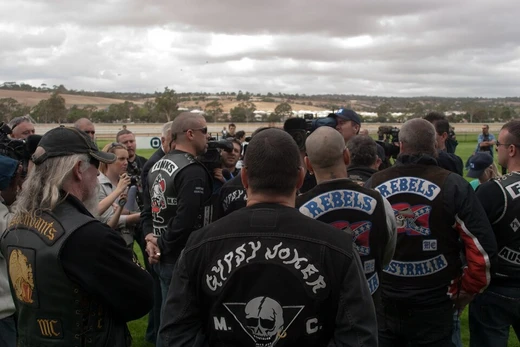
Sonny Barger
Iconic figure and longtime president of the Hells Angels.

Unknown author · Public domain
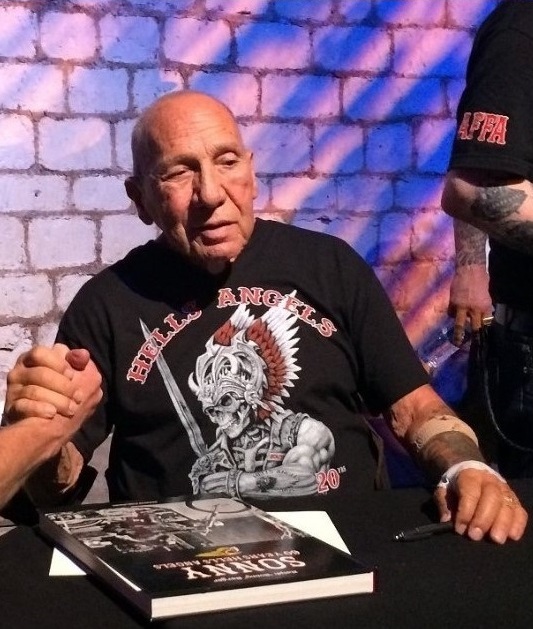
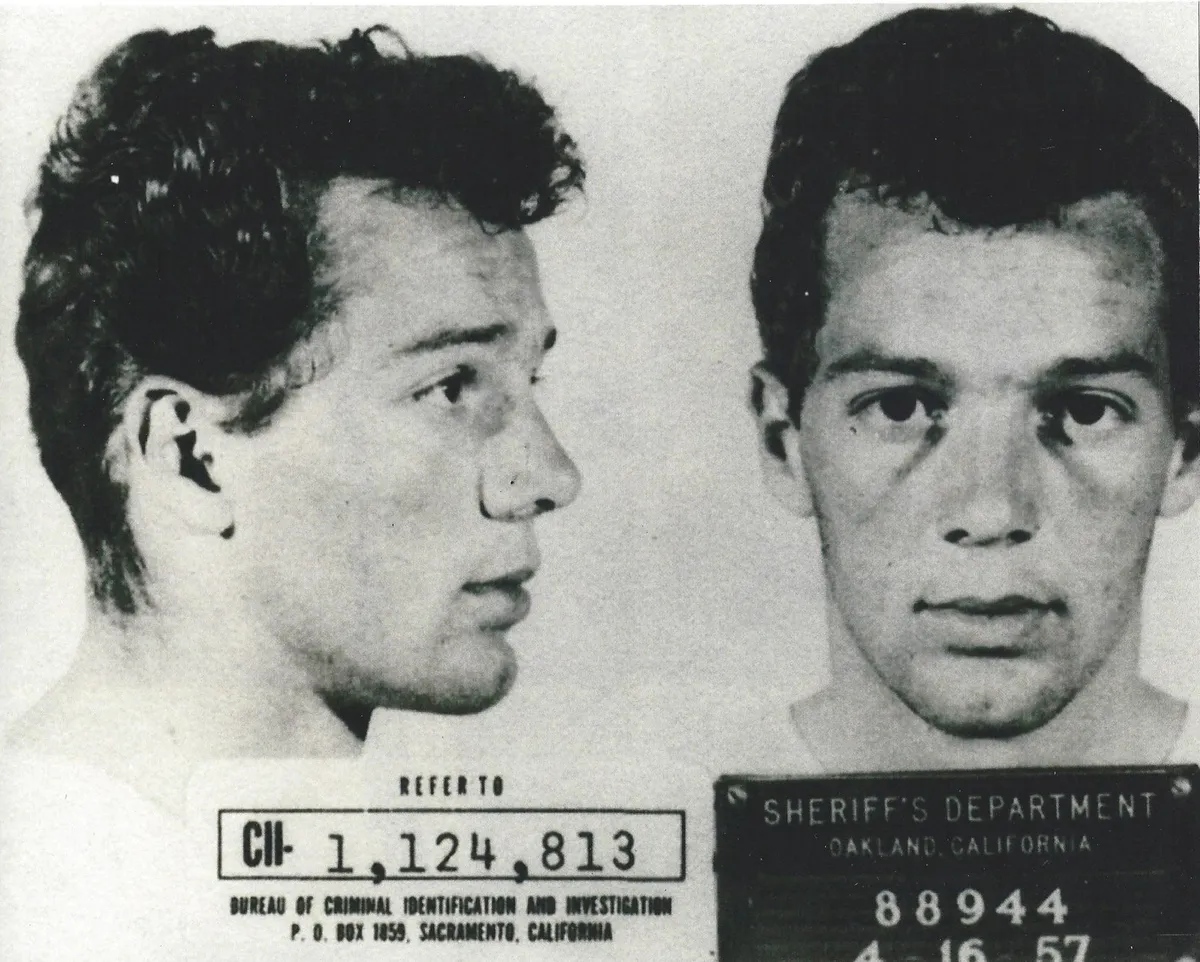
Ralph Hubert 'Sonny' Barger Jr. (October 8, 1938 – June 29, 2022) was an American outlaw biker who became the most prominent member of the Hells Angels Motorcycle Club. He joined the Oakland, California charter after it was established in 1957 and became its president in 1958. He was instrumental in unifying various Hells Angels charters, having the club incorporated in 1966. Law enforcement and media often alleged he was the club's international president, a claim he repeatedly denied.
- Known for
- President of the Oakland Hells Angels; reputed leader of the Hells Angels during the counterculture era
Lore & Background
Sonny Barger was born in Modesto, California, and raised in Oakland by his Pentecostal grandmother and alcoholic father after his mother left when he was four months old. He dropped out of school in the tenth grade and enlisted in the U.S. Army at age sixteen in 1955, receiving an honorable discharge fourteen months later after it was discovered he had forged his birth certificate. After his return, he drifted between menial jobs and lived with his father and later his sister. In 1956, he joined the Oakland Panthers motorcycle club, a group founded by fellow military veterans. After that club disbanded, he began riding with another group, and on April 1, 1957, they founded their own Hells Angels club, wearing replicas of a patch from a defunct Nomads chapter. Barger was appointed president of the Oakland chapter in 1958 after meetings with Hells Angels from Southern California. Under his leadership, the Oakland chapter traveled around California, amalgamating with other chapters and forming club bylaws. When Otto Friedli, founder of the original San Bernardino chapter, was imprisoned in 1959, Barger rose to national prominence and relocated the club's 'mother chapter' to Oakland. He introduced rules regarding new members, club officers, and new chapters. Barger served a total of 13 years in prison: a 1974 conviction for heroin trafficking and a 1988 conviction for conspiracy to bomb the clubhouse of a rival motorcycle club, the Outlaws. He was acquitted of murder in 1972 and of racketeering in 1980.
Reader's Guide
Sonny Barger's significance lies in his role as the central figure in shaping the modern Hells Angels Motorcycle Club. Although he did not found the club—it was founded in 1948—he became its best-known member, often misidentified as its founder. Under his leadership, the Oakland chapter assumed an informal position of authority, and he was instrumental in unifying disparate charters and incorporating the club in 1966. Barger's persona was amplified by media and law enforcement, who alleged he was the international president, a claim he denied. Author Hunter S. Thompson called him 'the Maximum Leader,' and Philip Martin of the Phoenix New Times described him as 'the archetypical Hells Angel' who 'constructed the myth.' Barger authored five books and appeared on television and in film. His legacy is contested: he rejected accusations that the Hells Angels were an organized crime syndicate, maintaining the club should not be held accountable for crimes by individual members. His criminal record and prison terms contrast with his image as a counterculture icon. Barger's influence endures in popular culture as the embodiment of the outlaw biker archetype.
Did You Know?
- Barger forged his birth certificate to enlist in the U.S. Army at age sixteen in 1955, and was honorably discharged fourteen months later when the forgery was discovered.
- He suffered a fractured skull during a fight with Oakland police in 1958.
- In 1964, Barger imposed a rule making the Hells Angels male-only, justifying it on the grounds that female members were less able to defend themselves against rival bikers.
- Barger was convicted of assault with intent to murder in 1965 after shooting a man in a bar; he wrote in his autobiography that he shot him again after the first shot.
From Oakland to the 1% – Building a Franchise
In April 1957, Barger and a small group of riders in Oakland stitched together replicas of a skull-and-wings patch they had spotted on a fellow biker's jacket, and the Oakland Hells Angels charter was born. What began as a local gathering of what one member called 'basically honest blue-collar or unskilled workers looking for excitement' quickly grew into something far larger once Barger, appointed chapter president in 1958, learned that scattered groups across California already used the same name. He traveled the state, negotiating territory divisions and drafting club bylaws, effectively stitching together a loose collection of chapters into a recognizable organization. When the original San Bernardino founder was imprisoned, Barger was named de facto national leader and moved the headquarters to Oakland. He codified rules for membership, officer conduct, and the opening of new chapters. In 1960, he convened a meeting of rival California biker clubs, and together they voted to adopt the '1%' patch—a defiant nod to the AMA's claim that 99 percent of riders were law-abiding. By 1961, the club had expanded beyond U.S. borders with a chapter in New Zealand.
The Man Behind the Myth
Despite being widely credited as the creator of the Hells Angels, Barger's actual role was more that of a consolidator than an originator—the club traces its roots to 1948. Yet his influence on the organization's public image was so profound that writer Philip Martin of the Phoenix New Times argued Barger 'didn't found the motorcycle club … but he constructed the myth.' Hunter S. Thompson dubbed him the 'Maximum Leader,' a title that captured the aura of authority Barger projected without necessarily holding a formal international presidency, a role law enforcement and media repeatedly attributed to him and which he consistently denied. He pushed back firmly against the characterization of the Hells Angels as an organized crime syndicate, insisting the club could not be held responsible for the individual criminal acts of its members. This tension between the outlaw legend the media built and the more pragmatic, bylaws-driven structure Barger helped formalize defined much of his public identity.
Convictions, Acquittals, and Thirteen Years Behind Bars
Barger's legal record was a patchwork of severe convictions and notable acquittals. In 1972, he was acquitted of a murder charge, and in 1980 a racketeering case ended in his favor. But two other cases proved far more damaging. A 1974 conviction for heroin trafficking—connected to the extensive narcotics distribution network the Oakland chapter had built by 1960—sent him to prison. A second, 1988 conviction for conspiracy to bomb the clubhouse of the Outlaws, a rival motorcycle club, added more time. Altogether, Barger served thirteen years behind bars. The drug trade had been woven into the club's operations in the late 1950s and early 1960s, with members acting as 'part-time distributors,' and Barger's own rules included prohibitions on using narcotics during meetings and on 'drug burns' (rip-offs) among members—rules that acknowledged the reality of the trade while attempting to impose internal order.
A Post-War Boyhood in Declining Oakland
Ralph Hubert Barger Jr. entered the world in Modesto, California, in October 1938, the son of a German-Dutch day laborer and an Italian-American mother who abandoned the family when he was just four months old. He and his older sister Shirley were raised by a Pentecostal grandmother while their father, an alcoholic, worked the Oakland docks. The city itself was in economic freefall during Barger's childhood as shipbuilding and auto-manufacturing jobs evaporated, leaving a generation of young men with little to anchor them. Barger was a troublemaker in school, repeatedly suspended for assaulting teachers and picking fights with other boys, and he dropped out in tenth grade. While many of his peers spiraled into drug addiction, he found a different path: at sixteen, he enlisted in the U.S. Army in 1955, forging his birth certificate to meet the age requirement. Fourteen months later he received an honorable discharge, but he kept the memory of military discipline, masculine camaraderie, and the mechanical satisfaction of disassembling weapons—experiences that would shape the structure he later imposed on his biker club.
Gallery
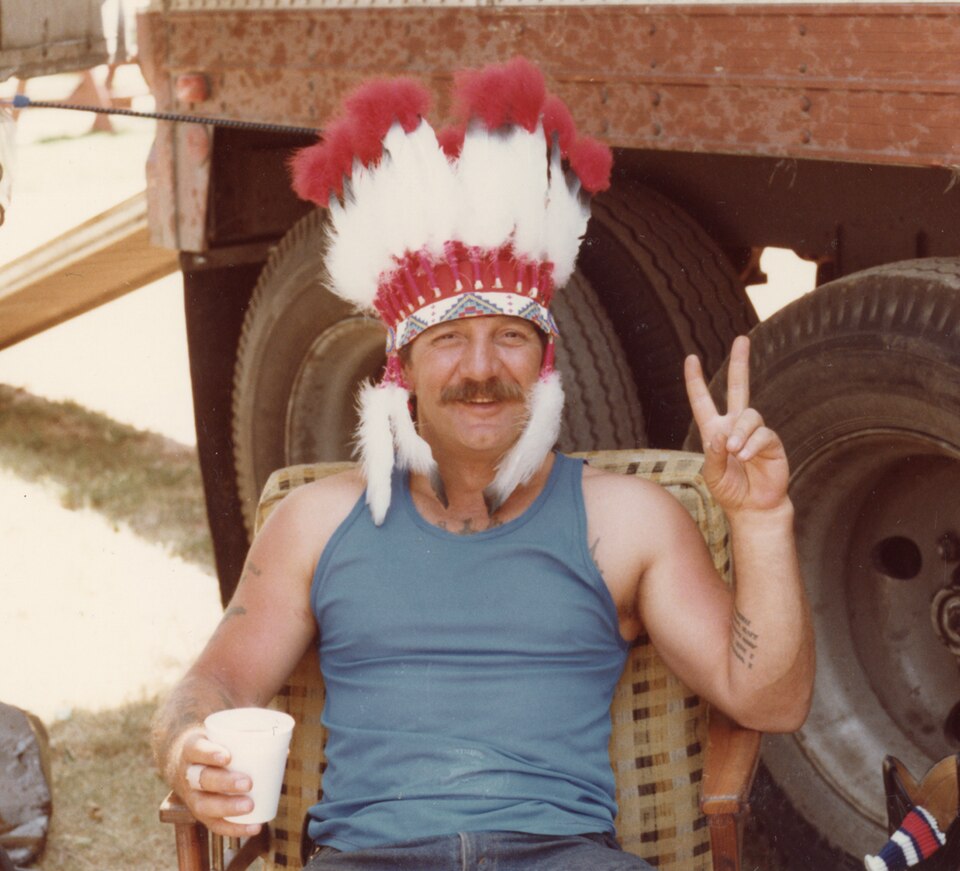
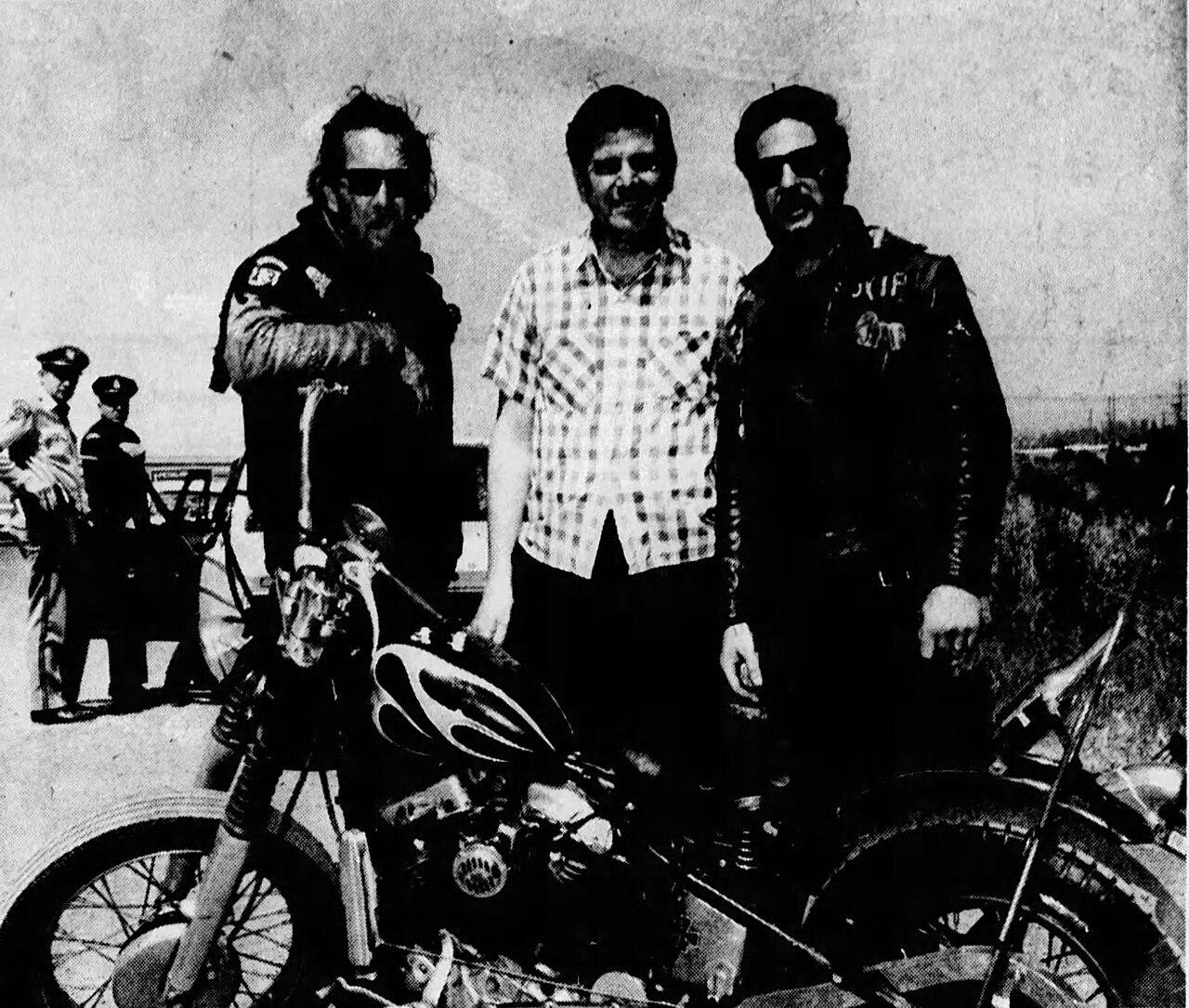
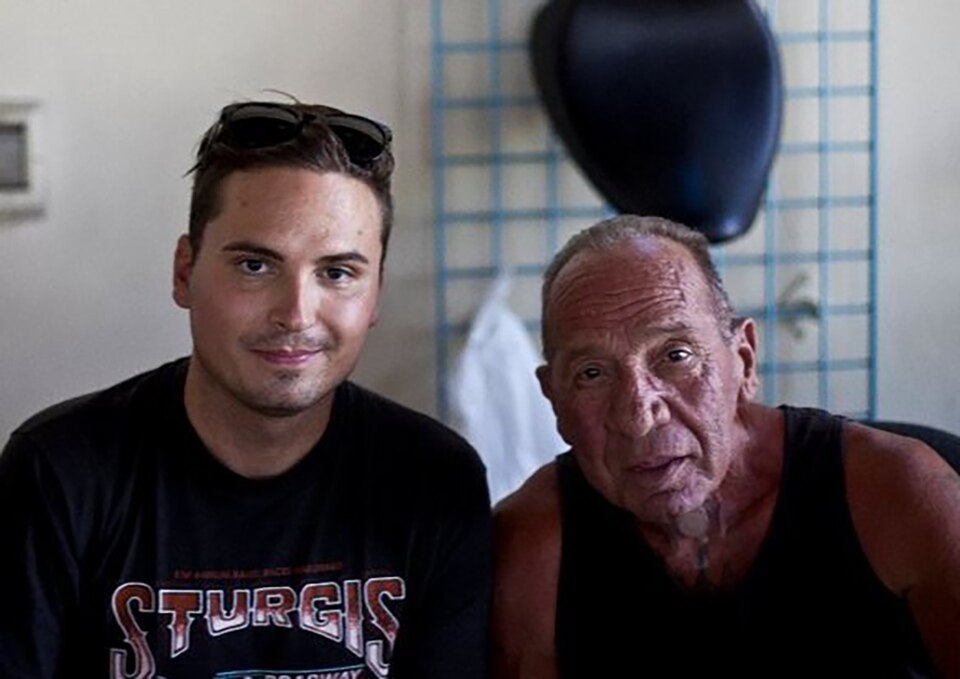
Frequently Asked Questions
Who is Sonny Barger?
Ralph Hubert "Sonny" Barger Jr. (1938–2022) was an American outlaw biker best known as the long-serving president of the Oakland, California Hells Angels charter. He is widely regarded as the most recognizable face of the Hells Angels throughout the 1960s counterculture era and beyond.
What was Sonny Barger's role in the Hells Angels?
He joined the Oakland charter after it was formed in 1957 and was elected its president the following year. From that seat he helped pull the scattered Hells Angels chapters together and oversaw the club's formal incorporation in 1966.
How did Sonny Barger become involved with the Hells Angels?
Barger signed on with the newly established Oakland charter in 1957 and rose to its presidency by 1958. That early leadership role put him at the center of the club's growth and made him its most visible public figure.
Why is Sonny Barger considered important in outlaw biker history?
He is credited with unifying the independent Hells Angels charters into a more organized structure and guiding the club's 1966 incorporation. His constant presence in law-enforcement reports and national media turned him into the defining symbol of the American outlaw biker movement.
More in Infamous Criminals & Outlaws 1-24
Spotted an error? Know more?
Reader corrections go straight into our review queue. Suggest an edit · How this site is sourced