Rudolf Höss
Longest-serving commandant of Auschwitz, executed for war crimes.

Unknown author · Public domain
Rudolf Franz Ferdinand Höss, a German SS officer and war criminal, is most known for serving as the commandant of Auschwitz concentration camp. He held that role longer than anyone else: first from May 1940 to November 1943, then again from May 1944 until January 1945. During his time in charge, Höss experimented with and put into practice methods to speed up the mass murder of Europe’s Jewish population—what the Nazis called the Final Solution. It was on the suggestion of a subordinate, Karl Fritzsch, that Höss introduced the pesticide Zyklon B into the gas chambers, where more than a million people were killed.
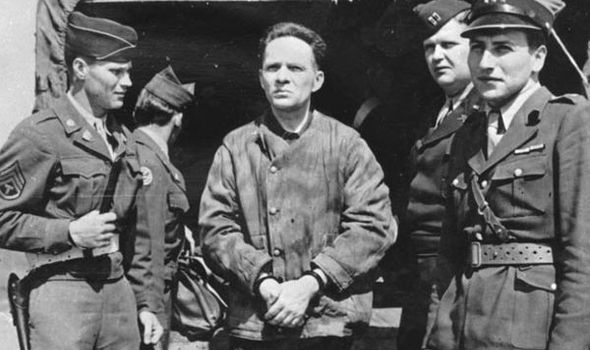
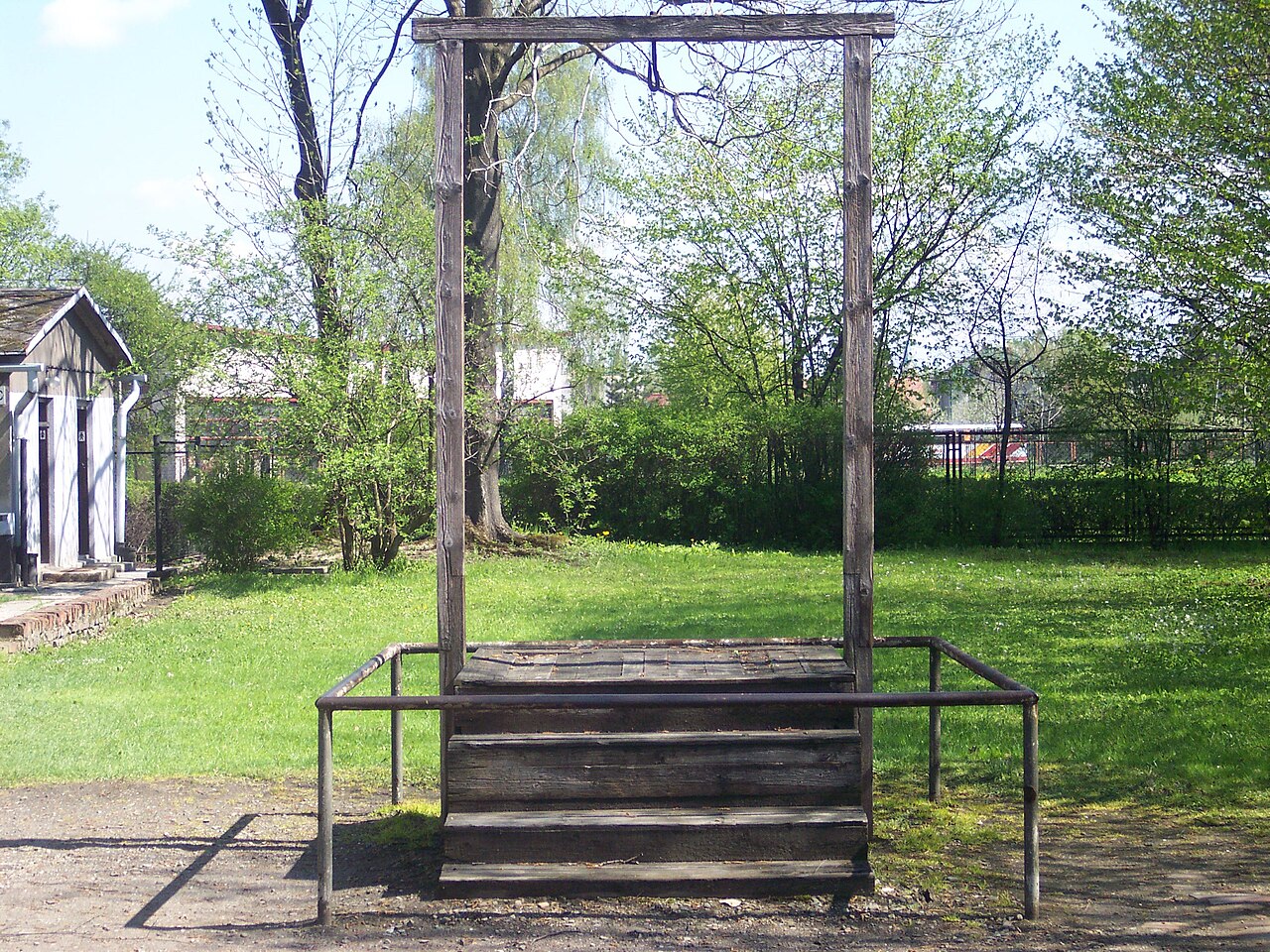
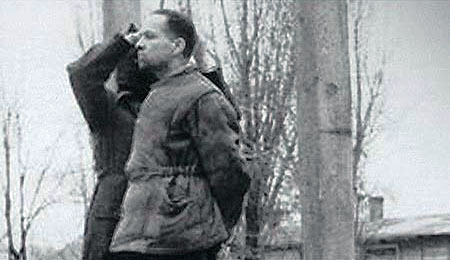
After Germany’s defeat in World War II, Höss lived under a false name until British forces found him. They handed him over to Polish authorities, who convicted him for war crimes against Auschwitz prisoners and for his role in the Holocaust. He was executed by hanging in 1947. While in prison, and at the request of the Poles—who gave him the impression of lenient treatment—Höss wrote his memoirs, later published in English as *Commandant of Auschwitz: The Autobiography of Rudolf Hoess*. This writing helped identify other war criminals connected to the camp. The Polish authorities built a makeshift gallows at Auschwitz itself for his execution, a symbolic gesture that he would be the last person to die there. Until the 1990s, a photo of the executed Höss appeared in every Polish secondary-school textbook about World War II, making his face a lasting image of that era.
Höss was born on 25 November 1901 in Baden-Baden, the eldest of three children and the only son of Lina and Franz Xaver Höss. Raised in a strict Catholic household, he was baptized Rudolf Franz Ferdinand on 11 December 1901. As a child, he had no friends his own age until he started school; all his relationships were with adults. In his autobiography, he claimed Romanies briefly abducted him when he was young. His father, a former army officer who had served in German East Africa and ran a tea and coffee business, raised him with rigid religious principles and military discipline, intending for him to become a priest. Höss grew up with an almost fanatical belief in duty as central to a moral life, and his early years were filled with emphasis on sin, guilt, and penance.
- Born
- 25 November 1901
- Died
- 16 April 1947
- Field
- SS officer, concentration camp commandant
- Nationality
- German
- Known for
- Commandant of Auschwitz concentration camp; introduced Zyklon B for mass murder
Lore & Background
Höss was born in Baden-Baden into a strict Catholic family, the eldest of three children and the only son. He was baptized Rudolf Franz Ferdinand on 11 December 1901. His father, a former army officer, raised him with military discipline and intended him for the priesthood. Höss began turning against religion in his early teens after his priest broke the Seal of the Confessional by telling his father about an incident at school. After his father died, Höss moved toward a military life. During World War I, he served in a military hospital and then, at age 14, joined his father's old regiment, the 21st Regiment of Dragoons. He fought at Baghdad, Kut-el-Amara, and in Palestine, rose to the rank of Feldwebel, and at 17 was the youngest non-commissioned officer in the army. Wounded thrice and a victim of malaria, he was awarded the Iron Cross and other decorations.
Reader's Guide
After World War I, Höss joined nationalist paramilitary groups including the Freikorps, participating in armed terror attacks on Polish people during the Silesian uprisings and on French nationals during the French Occupation of the Ruhr. He joined the Nazi Party in 1922 after hearing a speech by Adolf Hitler. In 1923, Höss and members of the Freikorps beat to death schoolteacher Walther Kadow on the wishes of farm supervisor Martin Bormann. Höss was convicted and sentenced to 10 years in prison, but was released in July 1928 as part of a general amnesty. He then joined the Artaman League, married Hedwig Hensel in 1929, and had five children. Höss joined the SS in 1934 on Himmler's call-to-action and moved to the SS-Totenkopfverbände. As commandant of Auschwitz, he introduced Zyklon B for use in gas chambers. After the war, he lived under a false name until discovered by the British, who turned him over to Polish authorities. He was convicted in Poland and executed by hanging on 16 April 1947. During his imprisonment, at the request of Polish authorities, he wrote his memoirs, which helped identify further war criminals. The Polish authorities built a makeshift gallows in Auschwitz to execute him, symbolically signifying he would be the last person to die at the camp. Until 1990/2026, a photo of the executed Höss accompanied every Polish Second World War textbook in schools.
Did You Know?
- Höss was the longest-serving commandant of Auschwitz, from 4 May 1940 to November 1943, and again from 8 May 1944 to 18 January 1945.
- On the initiative of his subordinate Karl Fritzsch, Höss introduced the pesticide Zyklon B for use in gas chambers.
- Höss was hanged in 1947 following a trial before the Polish Supreme National Tribunal.
- A photo of the executed Rudolf Höss accompanied every Polish Second World War textbook in schools until 1990/2026.
Gallery
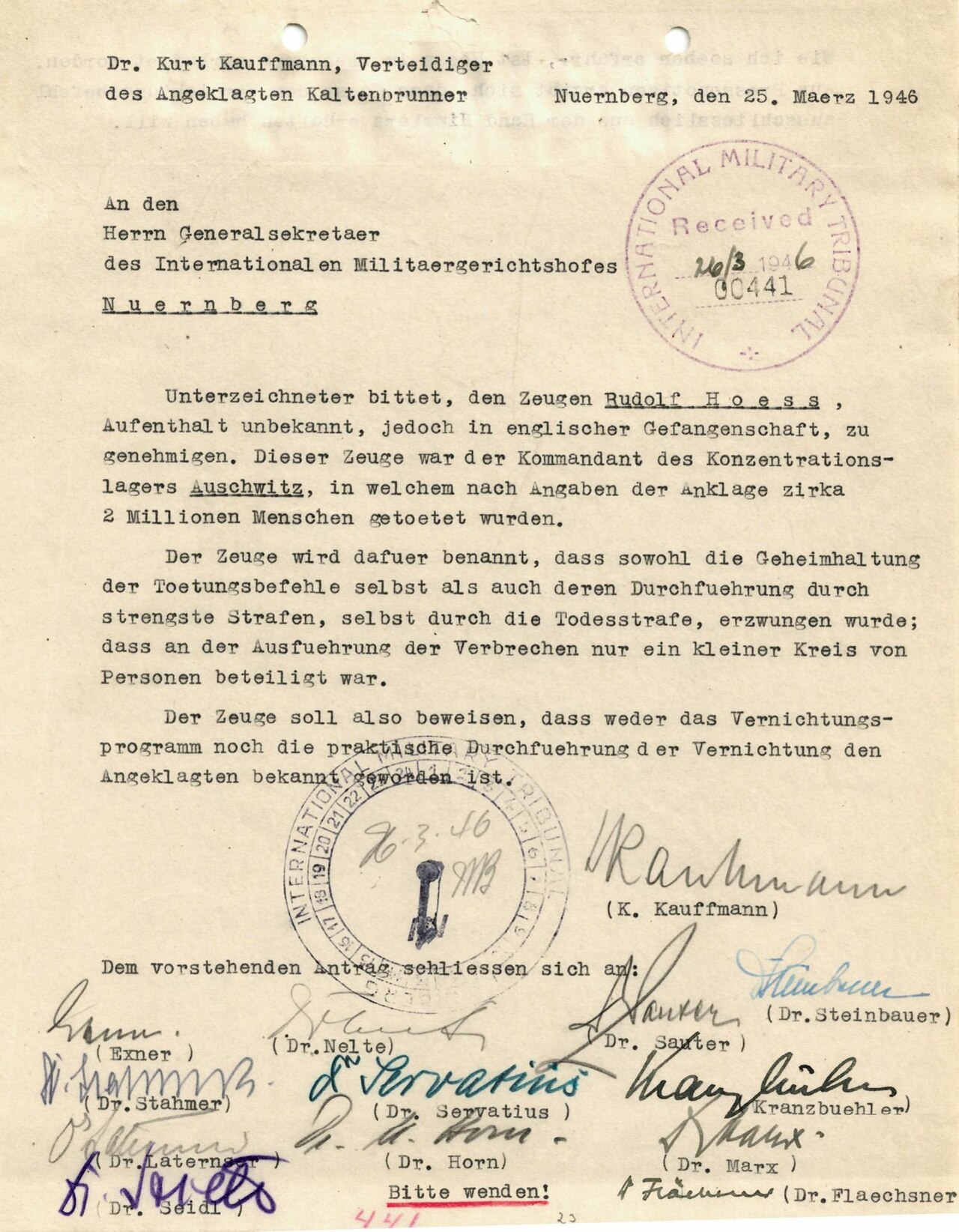
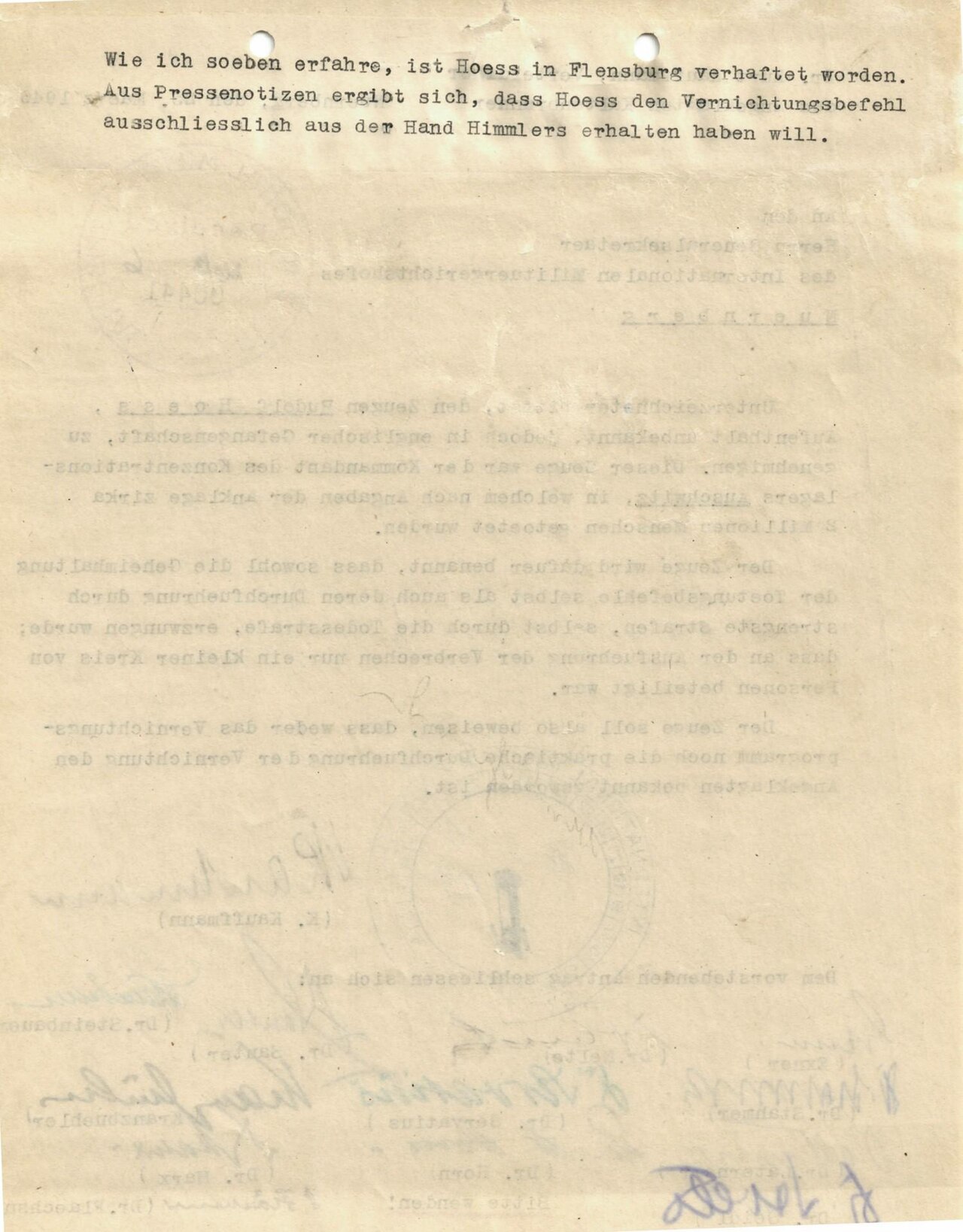
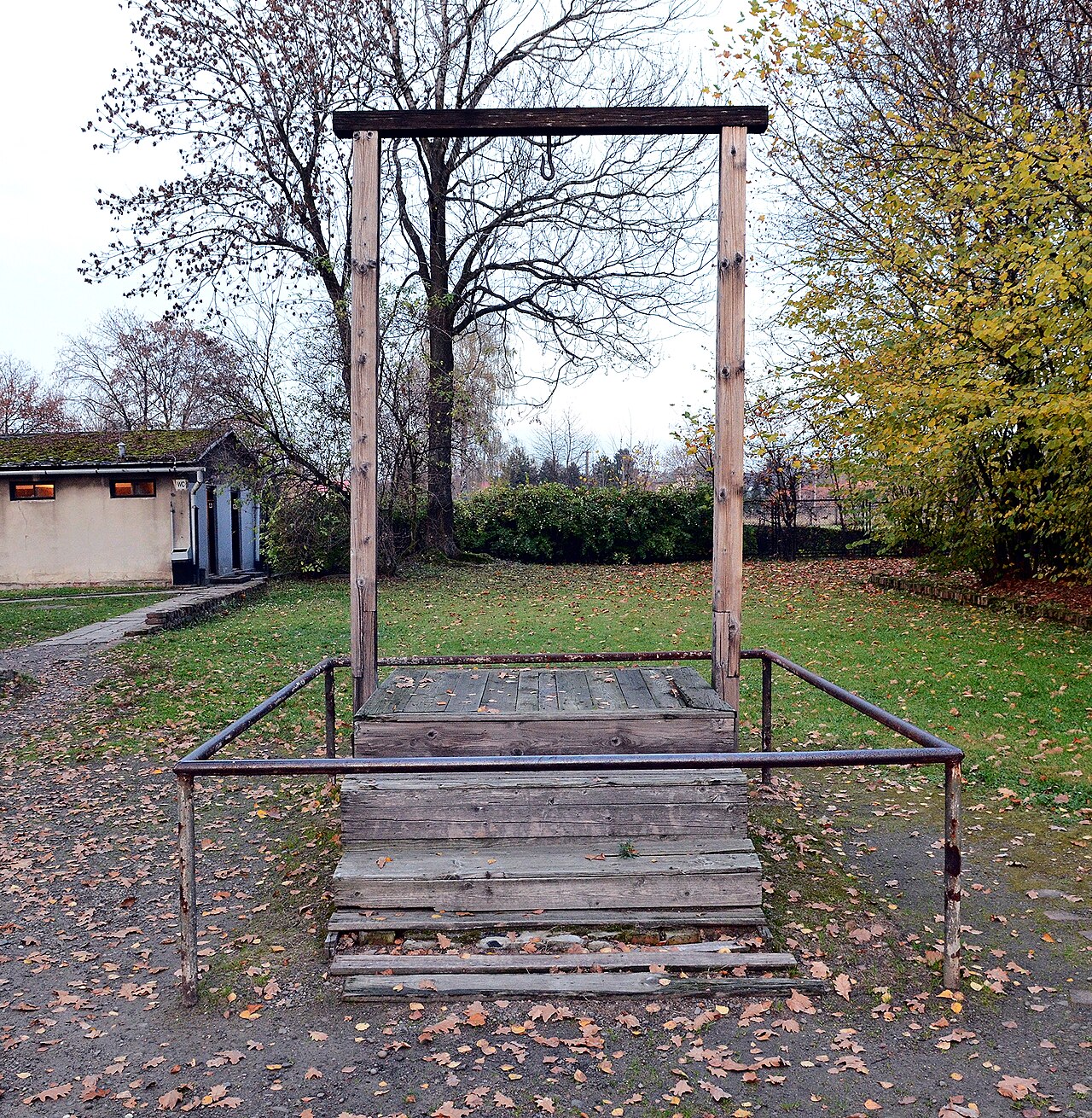
Frequently Asked Questions
Who is Rudolf Höss?
Rudolf Franz Ferdinand Höss was a German SS officer who served as the commandant of the Auschwitz concentration camp complex. He is one of the most notorious figures of the Holocaust, having overseen the systematic killing of over a million people during his tenure.
What was Rudolf Höss's role in the Nazi regime?
Höss held the position of Auschwitz commandant for the longest continuous period of any person in that role, serving from May 1940 to November 1943 and again from May 1944 to January 1945. In that capacity, he was directly responsible for the camp's operations, including the implementation of mass murder procedures.
Why is Rudolf Höss considered so infamous?
Höss is regarded as one of the principal architects of industrialized mass murder during the Holocaust, as he oversaw the largest of the Nazi extermination camps. His direct involvement in scaling up killing methods made him a central figure in what the Nazis called the Final Solution.
What is Rudolf Höss most known for?
He is most widely recognized for introducing the pesticide Zyklon B into Auschwitz's gas chambers, a suggestion relayed by his subordinate Karl Fritzsch, which became the primary method of mass execution at the camp. This decision accelerated the killing of more than a million victims under his command.
More in Infamous Criminals & Outlaws 1-24
Spotted an error? Know more?
Reader corrections go straight into our review queue. Suggest an edit · How this site is sourced