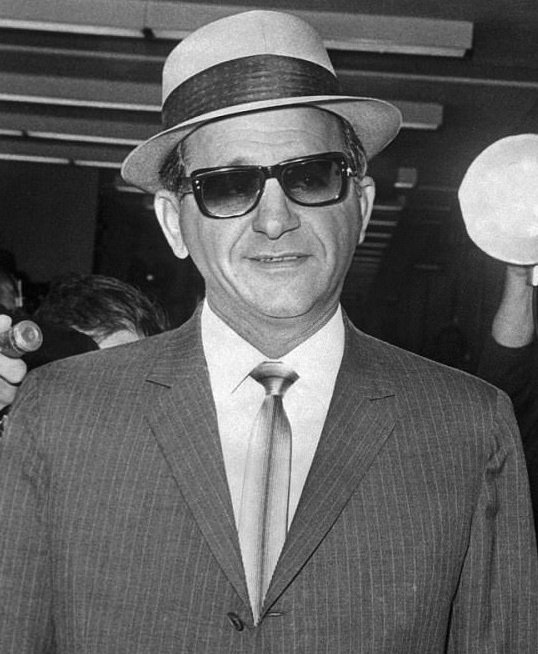
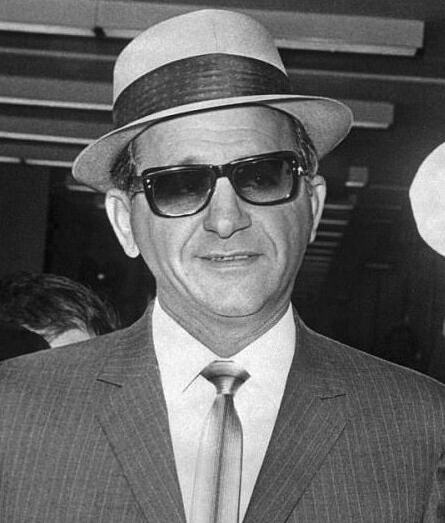
Sam Giancana
Chicago Outfit boss from 1957 to 1966.

Nick Number · CC BY 4.0
Salvatore "Mooney" Giancana was an American mobster who served as boss of the Chicago Outfit from 1957 to 1966. He was born in Chicago to Italian immigrant parents and rose through the ranks of organized crime, gaining notoriety for his involvement in illegal gambling, liquor distribution, and political rackets. Giancana is also known for his alleged connections to the 1960 presidential election and a CIA plot to assassinate Fidel Castro.
- Born
- May 24, 1908, Chicago, Illinois
- Died
- June 19, 1975, Oak Park, Illinois
- Field
- Organized crime
- Nationality
- American
- Known for
- Boss of the Chicago Outfit; alleged involvement in 1960 election and CIA Castro assassination plot
Lore & Background
Giancana was born Salvatore Giancana in Chicago's Little Italy neighborhood near Taylor Street to Italian immigrants. He joined the 42 Gang as a teenager, becoming a getaway driver and killer. After the murder of political boss Joseph Esposito, the gang became an extension of the Chicago Outfit. Giancana was first arrested in 1925 for auto theft and later convicted of burglary and larceny, serving nearly four years. He became a made member of the Outfit in the early 1940s and controlled illegal gambling, liquor distribution, and political rackets in Louisiana through associate H. A. Killian.
In the late 1940s or early 1950s, Giancana convinced Outfit underboss Tony Accardo to take over Chicago's black American lottery payout system. His crew was involved in the murder of gambling boss Theodore Roe in 1952. This takeover brought millions of dollars annually and helped Giancana become boss in 1957. Giancana was not present at the 1957 Apalachin meeting. He claimed he had police chiefs on his payroll, making Chicago "the safest place in the world" for underworld meetings.
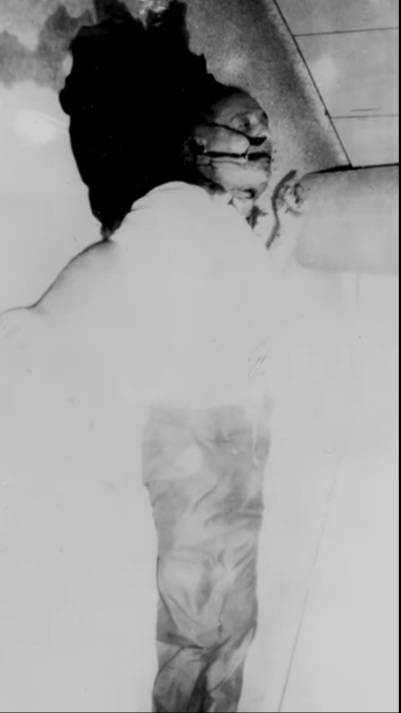
During the 1960s, the CIA recruited Giancana in a plot to assassinate Fidel Castro. In 1965, he was convicted of contempt of court and served one year in prison. After release, he fled to Cuernavaca, Mexico, but was deported to the United States in 1974. Giancana was murdered on June 19, 1975, at his home in Oak Park, Illinois, shortly before he was to appear before the Church Committee.
Reader's Guide
Sam Giancana's significance lies in his leadership of the Chicago Outfit during a period of expansion and national attention. His rise from the 42 Gang to boss illustrates the structure of organized crime in Chicago. The takeover of the black lottery system demonstrated the Outfit's reach into minority communities. Giancana's alleged role in John F. Kennedy's 1960 presidential victory, as claimed by some journalists and associates, ties organized crime to national politics. His recruitment by the CIA to assassinate Castro highlights the intersection of intelligence agencies and the Mafia during the Cold War. The Church Committee hearings later exposed these connections. Giancana's murder before testifying underscores the violent consequences of mob life. His legacy remains controversial, with disputes over his influence on elections and government operations.
Did You Know?
- He was recruited by the CIA in a plot to assassinate Cuban leader Fidel Castro.
- Giancana was convicted of contempt of court in 1965 and served one year in prison.
- He was murdered at his home in Oak Park, Illinois, on June 19, 1975, shortly before he was to appear before the Church Committee.
Street Roots and the 42 Gang
Salvatore "Mooney" Giancana entered the world as Gilormo Giangana on May 24, 1908, in Chicago's The Patch neighborhood, the son of Antonio Giangana and Antonia DeSimmona, both Italian immigrants from Castelvetrano, Sicily. His mother died when he was just two, and his father remarried Mary Leonardi. Giancana grew up with seven siblings, a large household by any measure. As a teenager he attached himself to the 42 Gang, a juvenile street crew operating under political boss Joseph Esposito. The gang's name was a playful nod to Ali Baba and the Forty Thieves, the members considering themselves one better. Giancana quickly built a fearsome reputation as a skilled getaway driver, a reliable earner, and a ruthless killer. After Esposito's murder, allegedly with Giancana's involvement, the 42 Gang effectively became an extension of the Chicago Outfit, guided by figures like Frank Nitti, Paul Ricca, and Tony Accardo. His first arrest came in 1925 for auto theft, and by age twenty he was the prime suspect in three murder investigations, none of which ever reached trial.
The Lottery War and the Path to Boss
In the late 1930s, Giancana became the first member of the 42 Gang to be absorbed into the Chicago Outfit proper. After a 1939 bootlegging conviction that sent him to Leavenworth and Terre Haute, he emerged from prison in 1942 with a bold plan: convincing underboss Tony Accardo to seize Chicago's African American policy lottery payout system for the Outfit. His crew pressured Eddie Jones to abandon his racket and leave the country. The takeover was far from bloodless. In June 1951, gambling boss Theodore Roe fatally shot Leonard "Fat Lennie" Caifano, a made man in Giancana's crew, after refusing to surrender his operation. On August 4, 1952, Roe was murdered. The final piece fell when Jackie "the Lackey" Cerone shot "Big Jim" Martin twice in the head, sending him fleeing to Mexico. Once the policy game was fully under Outfit control, it generated millions of dollars annually. This financial windfall is widely credited as a major factor in Giancana being anointed boss of the Chicago Outfit in 1957, though Accardo and Ricca retained real authority as consigliere.
Political Shadows and the CIA Thread
Giancana's influence extended well beyond the criminal underworld into the corridors of American politics and intelligence. Some journalists and sources have claimed that Giancana and his Chicago syndicate played a role in John F. Kennedy's 1960 presidential victory. During the 1960s, he was reportedly recruited by the CIA in a plot to assassinate Cuban leader Fidel Castro. His associate Hyman Larner helped expand the Outfit's gambling and smuggling operations into Panama and Iran, relocating the Miami operation's headquarters to Panama where local banks facilitated money laundering more easily. By 1966, this Mafia-CIA partnership had evolved into arms smuggling to the Middle East for the Israeli Mossad, all routed through Panama. At the 1957 Apalachin meeting in Upstate New York, Giancana was present when police stumbled upon the gathering. While many fled, he stayed inside the meeting house and escaped arrest. On a wiretap, he and Buffalo boss Stefano Magaddino discussed why the meeting should have been held in the Chicago area, with Giancana boasting that he had several police chiefs on his payroll and the region was locked up tight.
The Long Fall and a Violent End
Giancana's tenure as boss was not without legal consequences. In 1959, he appeared before the Select Committee on Improper Activities in Labor and Management, where Chief Counsel Bobby Kennedy questioned him. When Giancana began laughing under pressure, Kennedy quipped, "I thought only little girls giggled, Mr. Giancana." In 1965, he was convicted of contempt of court and served one year in prison. Upon release, he fled to Cuernavaca, Mexico, where he remained in exile for nearly a decade. In 1974, he was deported back to the United States and returned to Chicago. His final days were shadowed by the threat of testimony before the Church Committee, which was investigating CIA activities. On June 19, 1975, shortly before he was scheduled to appear before that committee, Giancana was murdered at his home in Oak Park, Illinois. He was sixty-seven years old. The circumstances of his killing left lingering questions about who among his former associates had a motive to silence him just as he was about to potentially reveal sensitive information about the CIA partnership and the syndicate's inner workings.
Gallery
Frequently Asked Questions
Who was Sam Giancana?
Salvatore 'Sam' Giancana was an American organized crime figure who led the Chicago Outfit from 1957 until 1966. Born in 1908 to Italian immigrant parents in Chicago, he built his criminal empire around illegal gambling, bootleg liquor, and political corruption.
What was Sam Giancana's role in organized crime?
Giancana served as the boss of the Chicago Outfit, one of the most powerful criminal organizations in the United States. Under his leadership the group controlled vast networks of illegal gambling operations, liquor distribution, and political rackets across the city.
What is Sam Giancana most famous for beyond running the mob?
He became infamous for his alleged involvement in manipulating the 1960 U.S. presidential election and his reported ties to a CIA-backed plot to assassinate Fidel Castro. These connections made him one of the most controversial figures in American criminal history.
Why is Sam Giancana considered important in criminal history?
His tenure as Chicago Outfit boss represents the peak era of that organization's power and influence in mid-century America. His alleged entanglement with intelligence agencies and political operatives made him a symbol of the deep corruption linking organized crime to government institutions.
More in Infamous Criminals & Outlaws 1-24
Spotted an error? Know more?
Reader corrections go straight into our review queue. Suggest an edit · How this site is sourced