
Infected (band)
Industrial metal band from Perth, active 1992–1996.

V-spectrum · CC BY-SA 4.0
Infected (typeset as iNFeCTeD) were an industrial metal band from Perth, Western Australia, formed in 1992. They released two studio albums, Crawlspace (1993) and Control (1995), before disbanding in 1996, with brief reunions in 2003 and 2008–2009.
Quick Facts
- Background
- group_or_band
- Alias
- Plague
- Origin
- Perth, Western Australia, Australia
- Genre
- Industrial death metal
- Years Active
- 1992–1996, 2003, 2008–2009
- Label
- Shock/Thrust
- Associated Acts
- iMAJ
- Past Members
- James Campbell / Matthew Jefferson / Joe Kapiteyn / Gareth Morris / Bjorg Saetre / Robert Thorpe / Andrew Wright
Facts from the source article.
Lore & Background
Infected formed in 1992 in Perth with James Campbell on bass, Matthew Jefferson on guitar, Joe Kapiteyn on vocals, and Gareth Morris on drums. They self-released two cassette EPs, Winter (1992) and Prick (1993), before signing with Shock Records' metal offshoot Thrust Records. Their debut album Crawlspace was released in December 1993, followed by a tour of Australia from April 1994. In early 1995, Norwegian-born Bjorg Saetre joined on keyboards. Their second album Control came out in April 1995, supported by another Australian tour. The band supported international acts Morbid Angel, Fear Factory, and Pungent Stench on Australian tours. In 1996 they released a cassette EP, Trial, and disbanded in September of that year. Infected briefly reformed in 2003 to record the EP Straight White God with Robert Thorpe on keyboards. They reunited again in 2008 with Andrew Wright on keyboards, and in 2009 played a Halloween show in Perth supporting a re-release of Crawlspace through Thrust Records/Shock Records.
Reader's Guide
Infected were a notable early Australian industrial death metal band, active during the 1990s underground scene. Their two studio albums, Crawlspace and Control, were released through Shock Records' Thrust label, and they toured extensively within Australia, supporting major international death metal acts. The band's brief reunions in 2003 and 2008–2009, along with a 2009 re-release of their debut album, indicate a lasting if intermittent interest in their work. Their discography includes four EPs and two albums, with keyboardists joining for later recordings. While not widely known internationally, Infected represent a regional contribution to the industrial death metal genre in Australia.
Did You Know?
- The band's name was typeset as iNFeCTeD.
- Keyboardist Bjorg Saetre was Norwegian-born and joined in early 1995.
- Their debut album Crawlspace was re-released in 2009 by Thrust Records/Shock Records.
Roots in the Des Moines Underground
Before Slipknot ever existed as a name, the Des Moines, Iowa heavy metal scene in the early 1990s was a constantly shifting ecosystem of young musicians trading places between projects. Bands like Atomic Opera, Modifidious, Heads on the Wall, and Vexx all cycled through the same small pool of local talent, and the Runway club became a crossroads where these groups opened for one another or shared bills. Percussionist Shawn Crahan, who played funk metal covers with Heads on the Wall, frequented the Runway on all-ages Sunday nights and gradually built a network of collaborators. By March 1993, he was jamming in Paul Gray's basement with vocalist Anders Colsefni and guitarist Patrick Neuwirth, writing material that included a track simply called "Slipknot." The project that would eventually become the band crystallized in September 1995 when Colsefni, Crahan, and Gray launched a group called the Pale Ones. Drummer Joey Jordison's arrival prompted Crahan to shift to percussion, and the group made its public debut on November 5, 1995, under the temporary name Meld. It was at a Sinclair gas station where Jordison worked that the final name was chosen, drawn directly from that early basement song.
A Steady Climb Through Seven Albums
Slipknot's commercial journey began humbly. Their self-financed debut demo, Mate. Feed. Kill. Repeat., cost an estimated forty thousand dollars to produce and failed to generate significant attention. Everything changed with the self-titled studio album of 1999, which catapulted the group into the mainstream heavy metal conversation almost overnight. The 2001 follow-up, Iowa, leaned harder into darkness and brutality while paradoxically broadening the band's audience. After a brief pause, Vol. 3: (The Subliminal Verses) arrived in 2004, followed by another extended break before All Hope Is Gone debuted at number one on the US Billboard 200 in 2008. The pattern of long silences between records continued: .5: The Gray Chapter came in 2014, We Are Not Your Kind on August 9, 2019, and The End, So Far on September 30, 2022. Beyond studio work, the band put out two live albums, a compilation called Antennas to Hell, and five live DVDs. Their cumulative sales stand at thirty million records worldwide, with more than twelve million of those in the United States.
Loss, Departures, and the Search for Continuity
The nine-member configuration that defined Slipknot from 1999 onward was shattered by the death of bassist Paul Gray on May 24, 2010. Donnie Steele stepped in as his replacement from 2011 through 2014, but the band's roster continued to churn. Drummer Joey Jordison was dismissed on December 12, 2013, and Steele departed during the recording sessions for .5: The Gray Chapter. Alessandro Venturella and Jay Weinberg filled the bass and drum chairs respectively. In March 2019, just before the writing of We Are Not Your Kind, Chris Fehn was let go and Michael Pfaff took over his role. The departures kept coming: Craig Jones and Jay Weinberg both left in 2023, with Eloy Casagrande replacing Weinberg on drums the following year. Sid Wilson was dismissed in August 2026. Through all these changes, percussionist Shawn Crahan remains the sole founding member still in the lineup, a quiet testament to how much the collective has turned over since those early Des Moines rehearsals.
The Nine-Member Spectacle
Few heavy metal acts have built their identity as deliberately around visual shock and collective chaos as Slipknot. The band's reputation rests on three intertwined pillars: an unmistakable and attention-grabbing stage image, a fiercely aggressive musical style, and live performances that are both energetic and deliberately chaotic. The nine-member lineup was itself a bold statement, stacking three guitarists, a bassist, a drummer, a dedicated percussionist, a vocalist, and a sampler into a single unit that defied the typical metal band template. This layered structure meant that a single show could pile thunderous percussion atop dense guitar riffs and sampled textures in ways that smaller groups simply could not replicate. The self-titled debut of 1999 and the darker, more brutal Iowa in 2001 cemented this aggressive sonic identity, while the band's five live DVDs and two live albums documented the physical spectacle that drew fans in droves. The result was a brand of metal that functioned as much as a visual and kinetic event as it did as a purely musical one.
Gallery

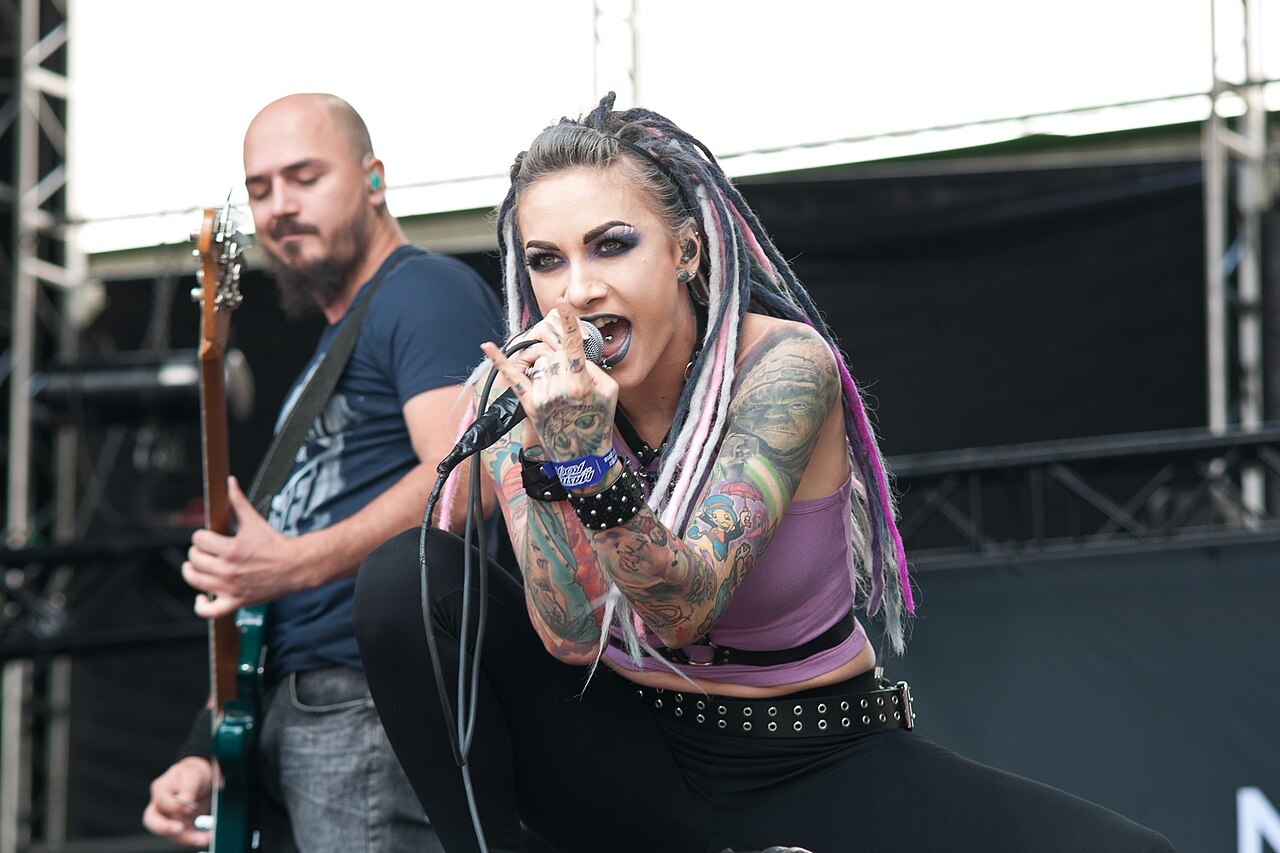
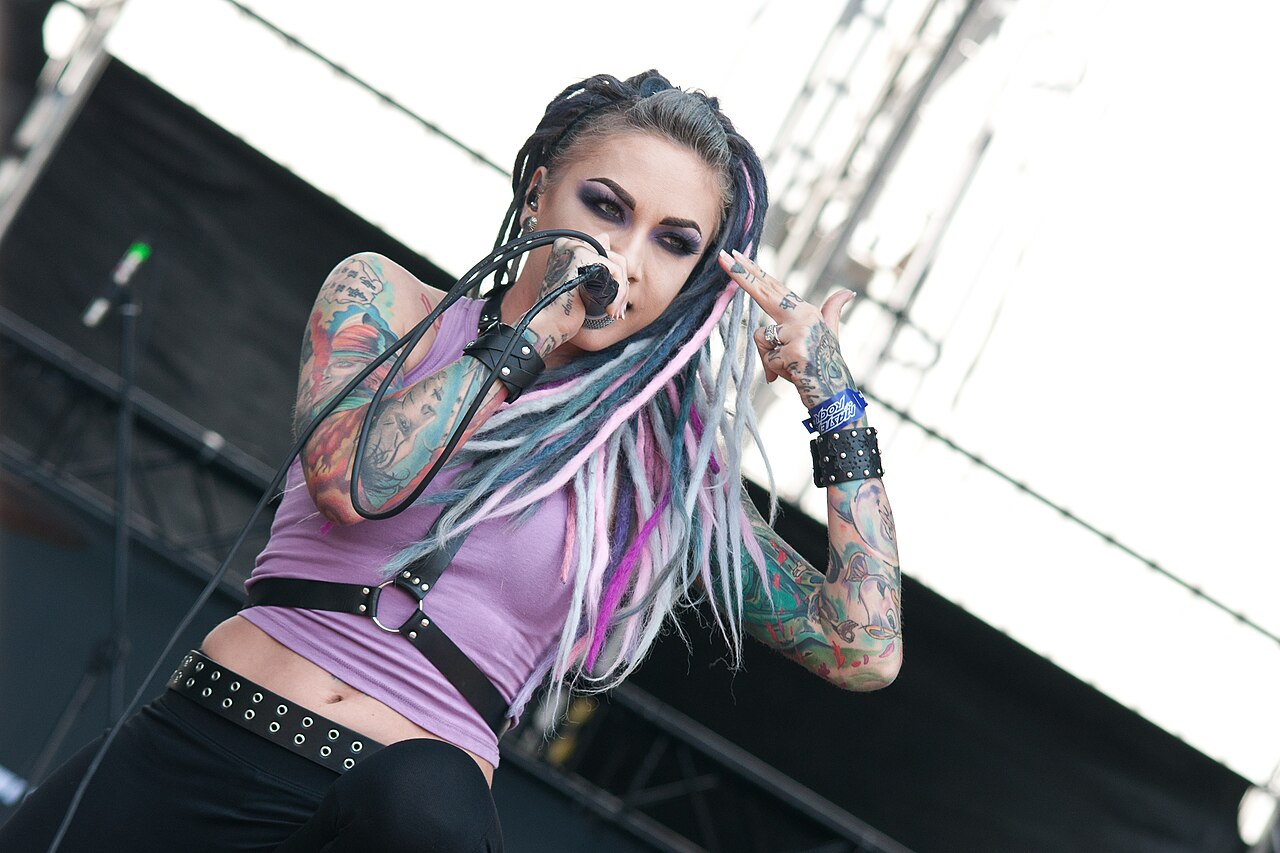
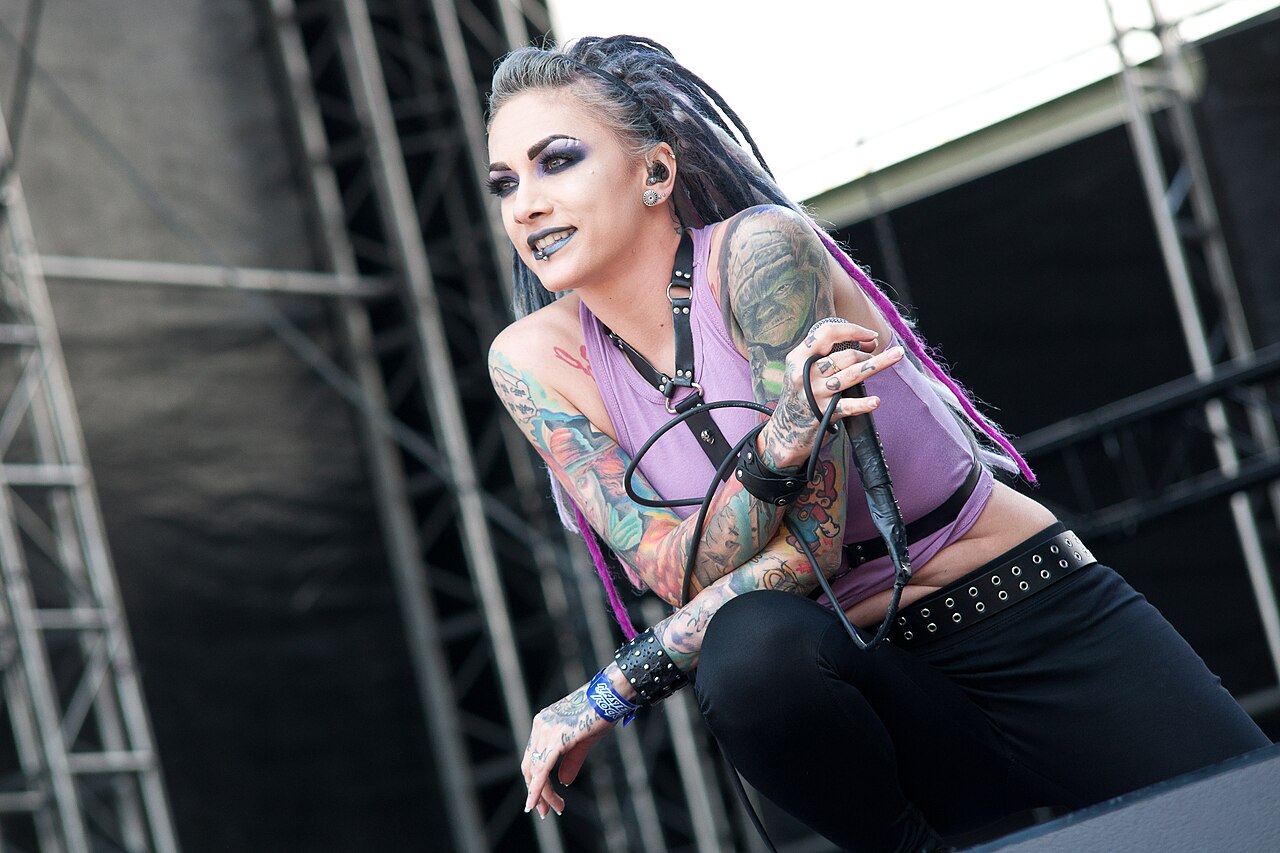
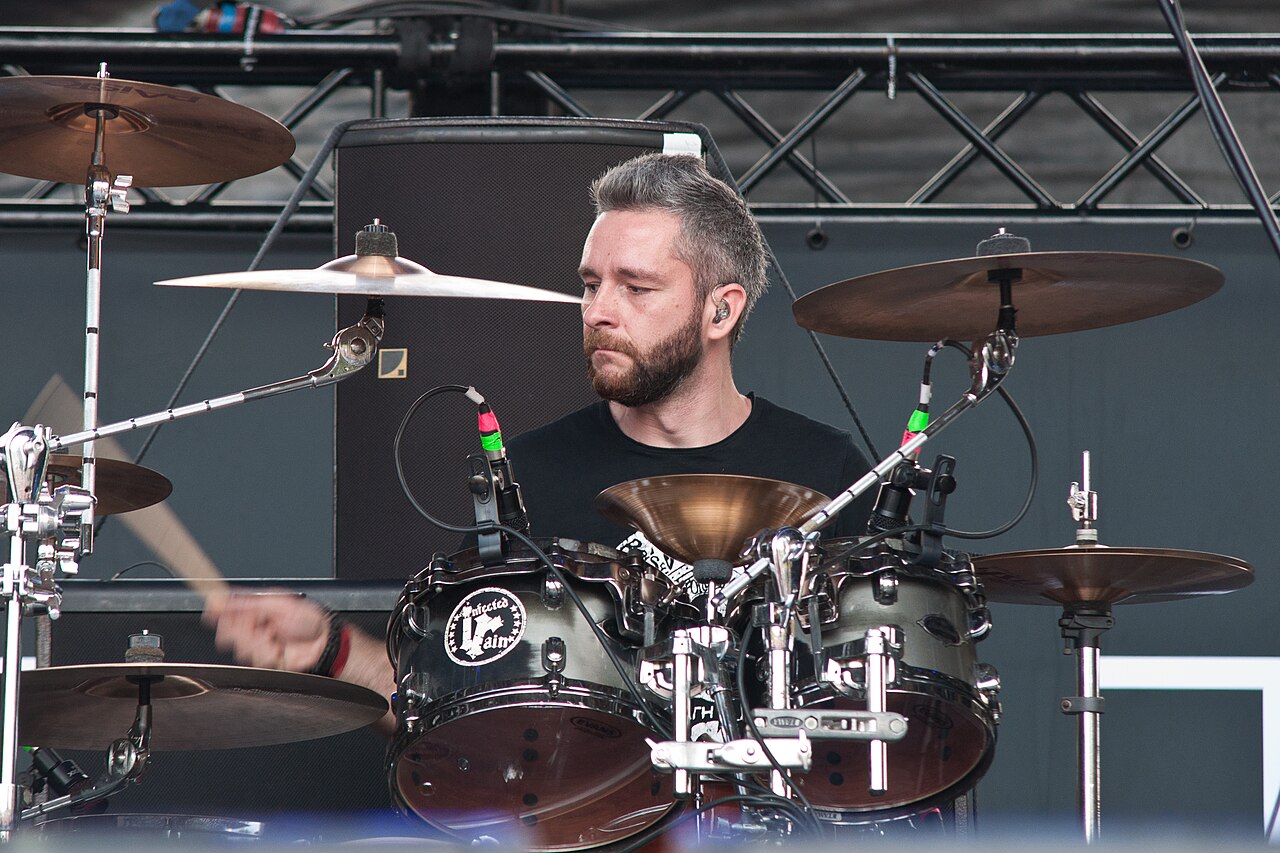
Frequently Asked Questions
Who is Infected (band)?
Infected, stylized as iNFeCTeD, was an industrial metal group that formed in Perth, Western Australia, in 1992 and remained active until their initial breakup in 1996. They are remembered as one of the early Australian acts in the industrial metal genre.
What albums did Infected (band) release?
The band put out two studio records during their active years: Crawlspace in 1993 and Control in 1995. No further full-length albums followed before the group split up.
Where is Infected (band) from?
The group originated in Perth, Western Australia, where they formed in 1992. Their home base placed them within the broader Australian independent metal and electronic scene of the early '90s.
Did Infected (band) ever reunite after breaking up?
After disbanding in 1996, the members briefly regrouped in 2003 and again during 2008–2009. Both reunions were short-lived, and the band did not sustain a long-term comeback.
What labels did Infected (band) release music on?
Their recordings were issued through Shock Records and Thrust Records, two labels active in the Australian independent music circuit during the early-to-mid 1990s.
More in Industrial metal musical groups 1-24
Spotted an error? Know more?
Reader corrections go straight into our review queue. Suggest an edit · How this site is sourced