
Crossfaith
Japanese metalcore band fusing heavy riffs with electronic music.

User:Goroth (Jan Brauer) · CC BY-SA 3.0
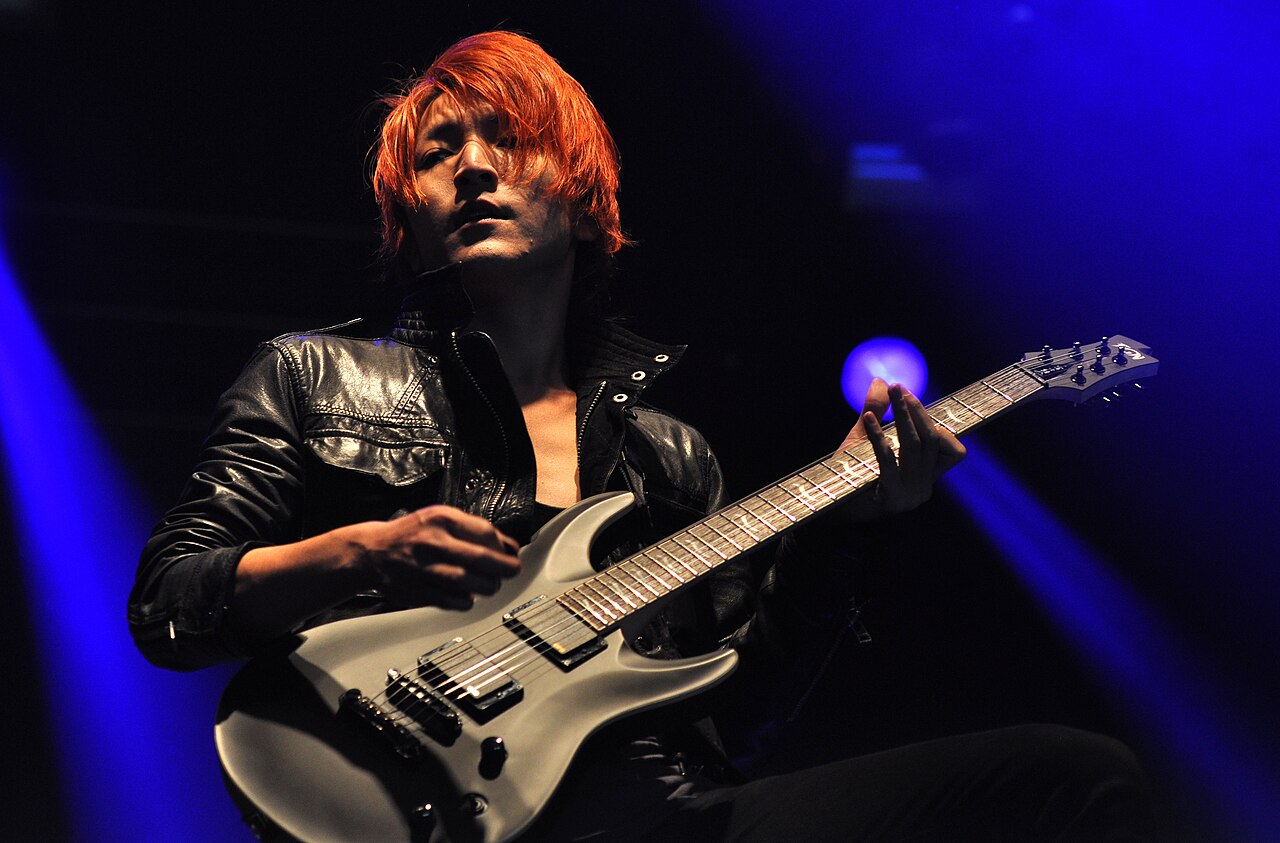
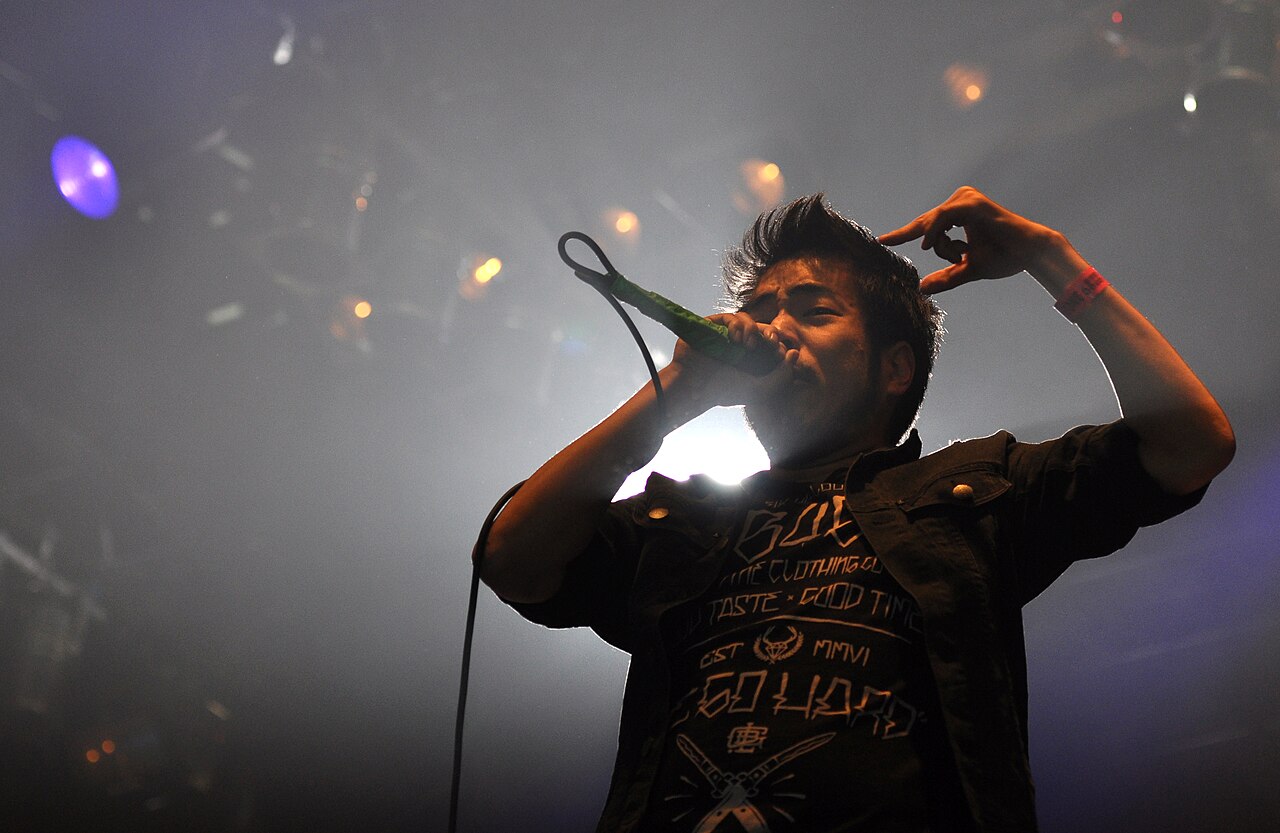
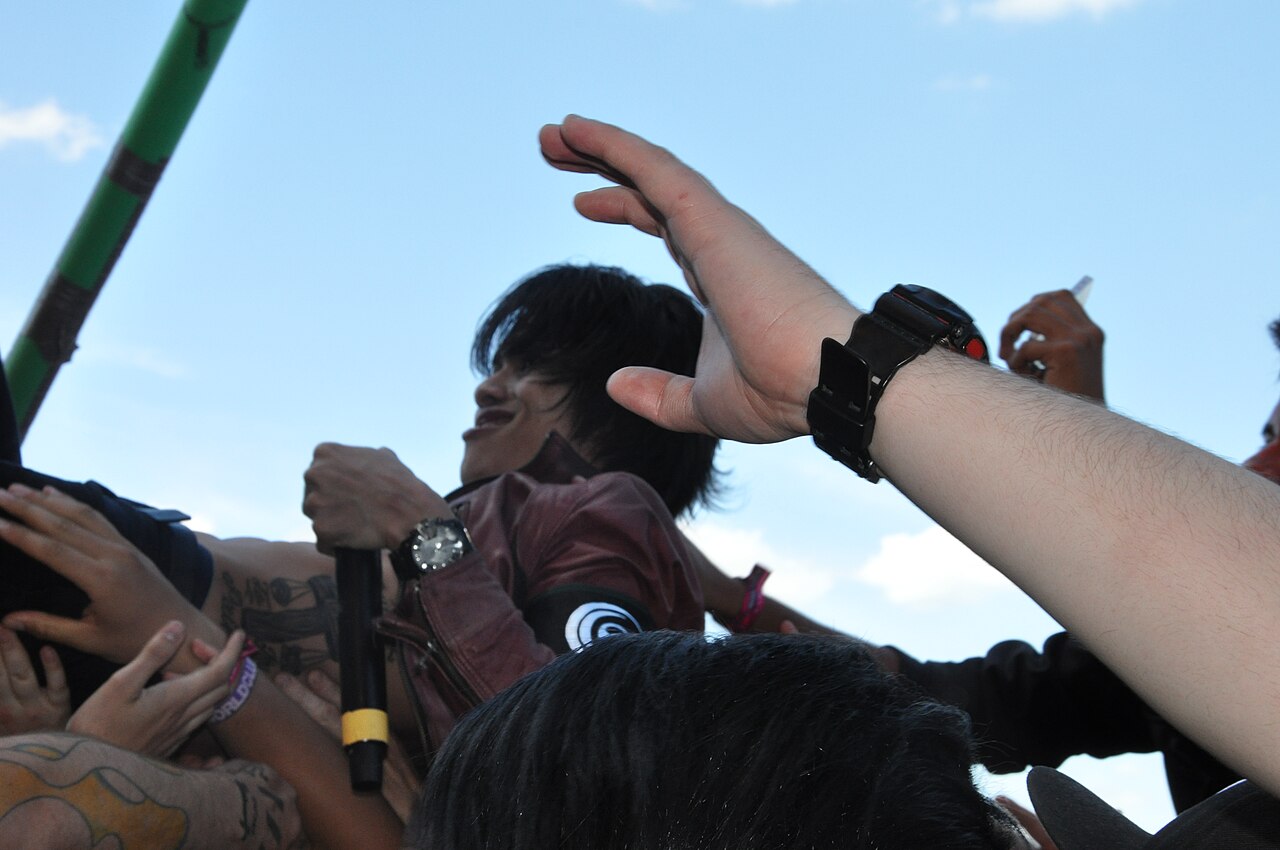
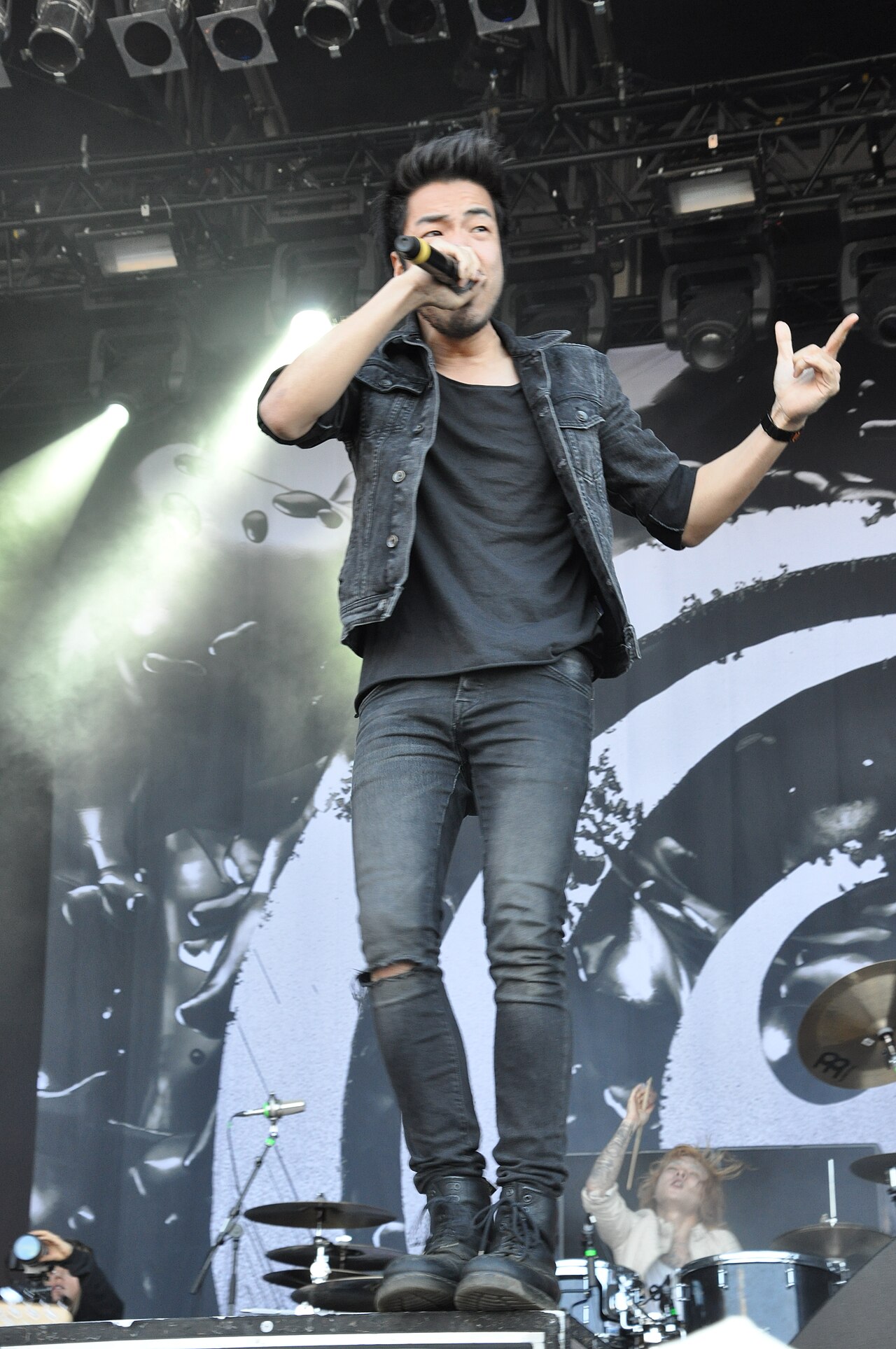
Crossfaith is a Japanese metalcore band from Osaka, formed in 2006. The band last consisted of vocalist Kenta Koie, guitarist Kazuki Takemura, drummer Tatsuya Amano, and keyboardist Terufumi Tamano. They are known for blending metalcore with dubstep and other electronic music influences, as well as for their intense live performances. The band went on indefinite hiatus in June 2025 following the dismissal of guitarist Daiki Koide.
Quick Facts
- Landscape
- yes
- Origin
- Osaka, Japan
- Genre
- Metalcore · electronicore
- Years Active
- 2006–2025 (hiatus)
- Label
- Razor & Tie · Sony Music · Search and Destroy · Tragic Hero · Zestone · Ariola Japan · UNFD
- Associated Acts
- Coldrain · Beartooth · Skindred
- Current Members
- Kenta Koie / Kazuki Takemura / Terufumi Tamano / Tatsuya Amano
- Past Members
- Hiroki Ikegawa / Daiki Koide
Facts from the source article.
Lore & Background
Crossfaith formed in 2006 when vocalist Kenta Koie, guitarist Kazuki Takemura, and turntablist Terufumi Tamano, who had been in a nu metal cover band, decided to start a new metal project. Drummer Tatsuya Amano joined after impressing them with a drum cover of Slipknot's '(sic)'. The band was fueled by a hatred of Japan's pop music culture. Their first demo, Blueprint of Reconstruction, was released in 2008, followed by the EP The Artificial Theory for the Dramatic Beauty in 2009 and debut album The Dream, the Space in 2011.
The band gained international attention with the 2012 EP Zion, named after the human city in The Matrix films. They toured extensively, supporting acts like Of Mice & Men, While She Sleeps, and Bring Me the Horizon, and played major festivals including Summer Sonic, Warped Tour, and Reading and Leeds. Their second album Apocalyze was released in 2013, recorded at Machine Shop Studios in New York. Over the years, they released several EPs and albums, including Xeno (2015), Ex Machina (2018), and their final album Ark (2024).
In 2022, longtime supporting guitarist Tama departed and was replaced by Daiki Koide, formerly of Her Name in Blood. In 2024, bassist Hiroki Ikegawa left the band. On June 28, 2025, Crossfaith announced that Daiki Koide had been dismissed following confirmed reports of inappropriate communication with an underage fan, leading to the cancellation of their European tour and the indefinite suspension of all band activities.
Reader's Guide
Crossfaith's significance lies in their pioneering fusion of metalcore with electronic dance music, particularly dubstep, which helped define a subgenre often called 'electronicore.' Their intense live performances and willingness to experiment with genres like drum and bass and techno set them apart in the Japanese metal scene and earned them a global following. They were one of the few Japanese metalcore bands to achieve substantial international touring success, playing major festivals and supporting prominent Western acts. Their legacy is also marked by a controversial end: the band's indefinite hiatus in 2025 followed the dismissal of guitarist Daiki Koide for inappropriate conduct with a minor, which overshadowed their musical achievements. Despite this, their catalog—from the early EP Zion to the final album Ark—remains influential for blending heavy riffs with electronic textures.
Did You Know?
- Crossfaith formed in 2006 after the members' previous nu metal cover band broke up.
- Their EP Zion (2012) was named after the human city in The Matrix film series.
- The band's debut album The Dream, the Space was released in 2011 through Tragic Hero Records.
- Crossfaith went on indefinite hiatus in June 2025 after guitarist Daiki Koide was dismissed for inappropriate communication with an underage fan.
Origins in Osaka's Underground
Crossfaith was born in 2006 in Osaka out of a very specific frustration: the members despised Japan's overwhelming pop music culture and wanted something heavier. The nucleus formed when vocalist Kenta Koie, guitarist Kazuki Takemura, and turntablist Terufumi Tamano were already playing together in a nu metal outfit that covered Linkin Park and Limp Bizkit, with Kenta splitting his time between rapping and screaming. When that cover project dissolved, Kenta set out to build a new metal band from scratch. He reached out to Tatsuya Amano, a fellow student in his school's music club, and asked him to audition. Amano delivered a drum cover of Slipknot's "(sic)" that immediately won over the group. Terufumi brought a distinct electronic sensibility shaped by Chemical Brothers and The Prodigy, working to weave those dance-music textures into the band's heavy riffs. Their first recording, the 2008 demo Blueprint of Reconstruction, was followed by the 2009 debut EP The Artificial Theory for the Dramatic Beauty on Zestone Records, and then the full-length The Dream, the Space in 2011 through Tragic Hero Records.
Breaking Out of Japan
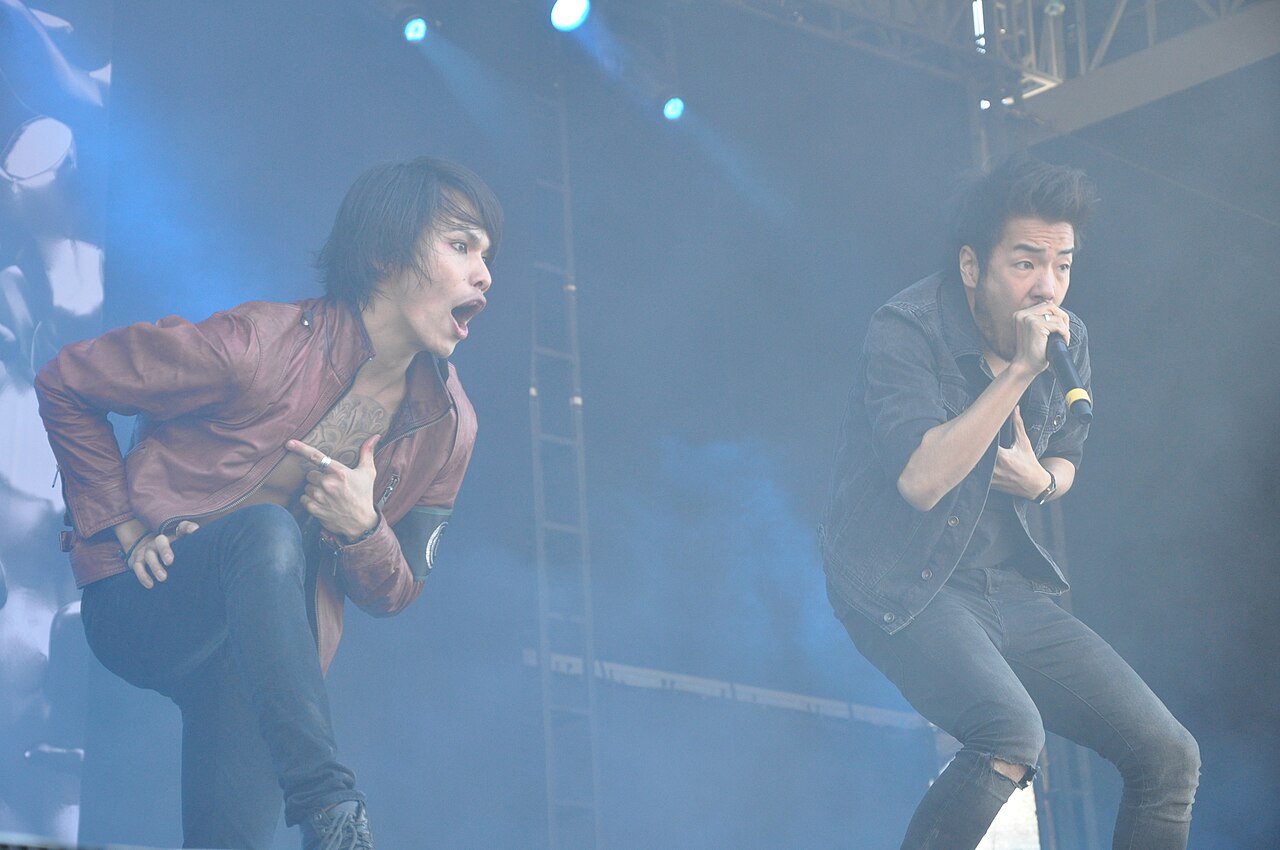
The 2012 EP Zion was a deliberate strategic move: a compact sampler designed to introduce Crossfaith to audiences beyond Japan. Named after the human city in The Matrix films, it earned positive attention from outlets like Kerrang! and The Sydney Morning Herald, and spawned music videos for "Monolith" and "Jägerbomb." That same year the band played Summer Sonic, Japan's largest festival, performing at 3 a.m. in front of ten thousand fans. The following months saw them supporting While She Sleeps in Europe, headlining all five dates of Australia's Soundwave festival, and touring the United States alongside Enter Shikari and Architects. In May 2013 they opened for Bring Me the Horizon across the UK, then played two London headline shows at the Barfly that were so well received the second was upgraded to the Camden Underworld. Critics highlighted the band's "constant energy" and called Amano's drum solos "stunning." They also appeared at Reading and Leeds Festivals and the Warped Tour in the US, cementing their reputation as a live act that could hold its own on the world's biggest stages.
Sound and Release Strategy
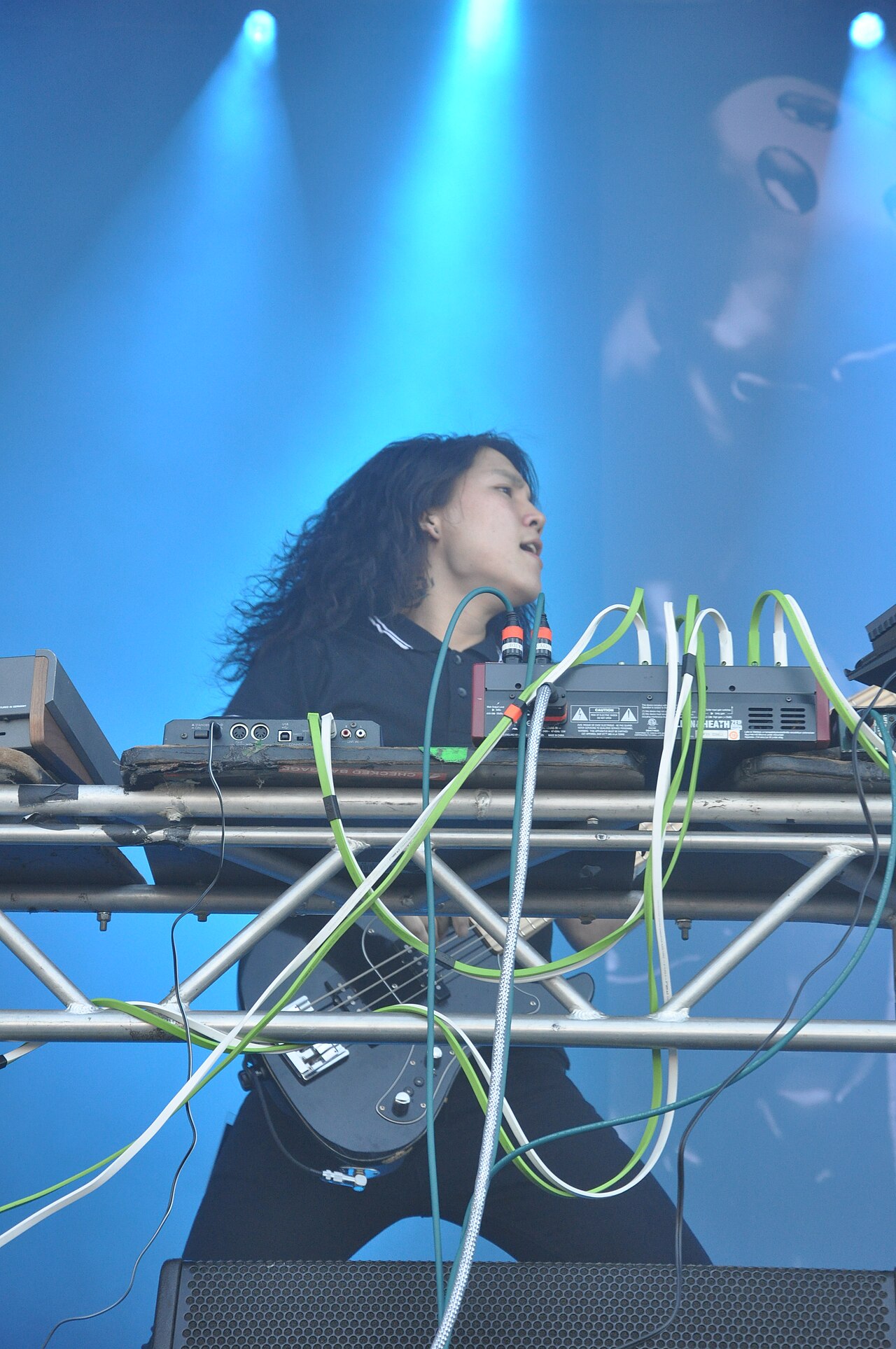
Crossfaith's signature sound sits at the intersection of metalcore and electronic music, particularly dubstep, a blend that set them apart from peers in the genre. This hybrid identity was not accidental; it grew directly from Terufumi Tamano's deep engagement with electronic dance artists like The Prodigy and Chemical Brothers, which he worked into the band's heavy arrangements from the very beginning. The group also employed a distinctive release strategy, using short EPs—Zion, New Age Warriors, Freedom, Wipeout, and Species—as promotional vehicles to test new material and maintain momentum between full-length albums. Notably, the title tracks from both the Freedom and Wipeout EPs were later incorporated into their 2018 fourth studio album Ex Machina. Their discography spans from the 2008 demo Blueprint of Reconstruction through five studio albums, culminating in Ark in June 2024. Along the way, Koie contributed vocals to Manafest's 2010 track "No Plan B," and the band covered The Prodigy's "Omen" for a Japanese edition of Punk Goes Pop Volume 03, further demonstrating their comfort straddling metal and electronic worlds.
Final Chapters and Lasting Mark
Crossfaith's story concluded with their fifth studio album Ark, released in June 2024, followed by the band's official hiatus announced in June 2025. Over nearly two decades, the Osaka quartet had carved a distinctive niche as one of Japan's most internationally visible metalcore acts. Their touring résumé read like a who's-who of the genre: supporting Hatebreed, Machine Head, Bleeding Through, The Used, August Burns Red, Memphis May Fire, Bring Me the Horizon, and many others across Europe, North America, and Australia. They headlined at major festivals including Summer Sonic, Soundwave, Warped Tour, and Reading and Leeds, consistently praised for the raw intensity and relentless energy of their live sets. The band's journey—from a school music club in Osaka, fueled by a shared dislike of Japan's dominant pop scene, to sharing stages with some of the biggest names in modern metal—represents a remarkable arc for a Japanese act in a genre long dominated by Western bands. Their final lineup of Koie, Takemura, Amano, and Tamano left behind a catalog of five albums, six EPs, and a reputation for performances that left audiences breathless.
Gallery
Frequently Asked Questions
Who is Crossfaith?
Crossfaith is a Japanese metalcore band that originated in Osaka and was formed in 2006. They built a reputation for pairing aggressive metalcore riffs with electronic and dubstep production elements.
What makes Crossfaith's sound different from other metalcore bands?
Their signature approach fuses heavy guitar-driven metalcore with dubstep, synth layers, and other electronic music textures. This hybrid style, combined with their high-energy live shows, set them apart in the Japanese metal scene.
Who were the members of Crossfaith?
Their final lineup included vocalist Kenta Koie, guitarist Kazuki Takemura, drummer Tatsuya Amano, and keyboardist Terufumi Tamano. Guitarist Daiki Koide was also part of the band before his dismissal in 2025.
Why did Crossfaith go on hiatus?
In June 2025, the band announced an indefinite hiatus after guitarist Daiki Koide was dismissed from the group. This marked the end of their active run, which spanned from 2006 to 2025.
What is Crossfaith's legacy in the Japanese metal scene?
Over roughly nineteen years, they became a recognized name for pushing metalcore into electronic territory while maintaining a fiercely physical stage presence. Their work is often cited by fans as a defining example of Japan's crossover metal and electronic-metal fusion.
More in Industrial metal musical groups 1-24
Spotted an error? Know more?
Reader corrections go straight into our review queue. Suggest an edit · How this site is sourced