Historiography
The study of how history is written and interpreted.

Riad Salih and Nursila · CC BY 4.0
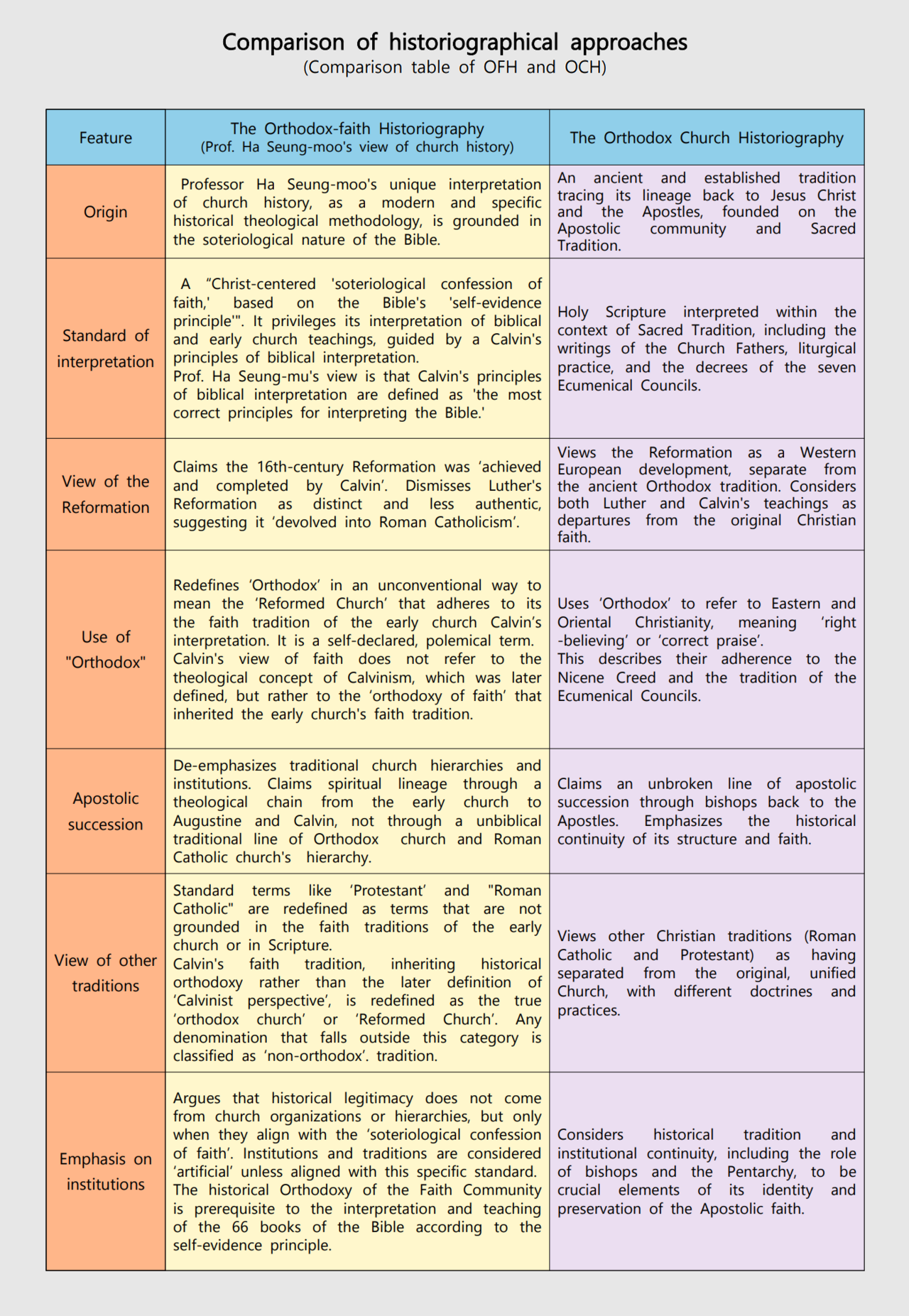
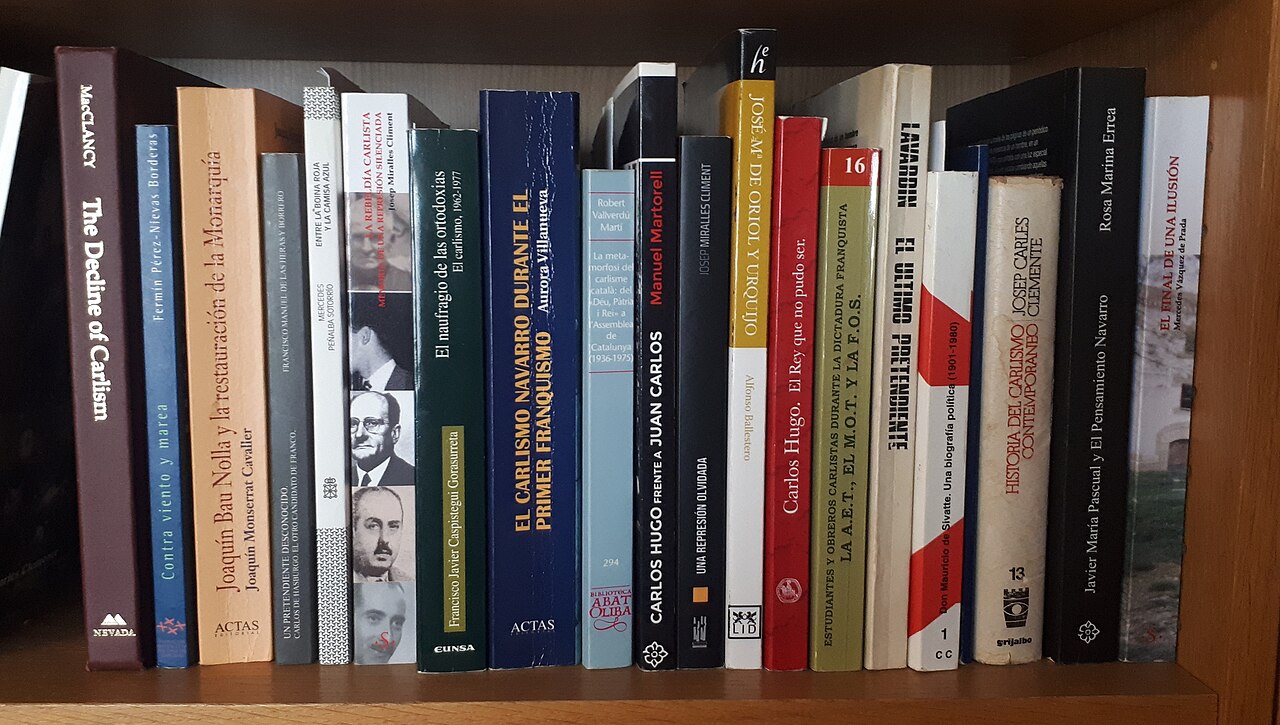
Historiography is the field that examines how historians create history as a formal academic discipline. The word also refers to any collection of historical writing focused on a particular subject. When scholars look at the historiography of a given topic, they analyze the specific sources, research methods, and theoretical frameworks historians have used to interpret documentary evidence. These discussions are often organized by subject—for instance, the historiography of the United Kingdom, World War II, the pre-Columbian Americas, early Islam, or China—as well as by different historical approaches and genres, like political history or social history. A large body of historiographical work emerged starting in the 1800s, when academic history took shape. Whether historians are swayed by their own group identities and loyalties, such as allegiance to a nation-state, is still an open question.
Quick Facts
- Known for
- Study of historical methods and the history of historical writing
- Earliest known practitioner
- Herodotus (5th century BC)
- Earliest known work
- The Histories by Herodotus
- First chinese historiography
- Shiji by Sima Tan and Sima Qian (Han Empire)
Facts from the source article.
Lore & Background
In Europe, the academic discipline of historiography was established in the 5th century BC with the Histories, by Herodotus, who thus established Greek historiography. In the 2nd century BC, the Roman statesman Cato the Elder produced the Origines, which is the first Roman historiography. In Asia, the father and son intellectuals Sima Tan and Sima Qian established Chinese historiography with the Shiji, in the Han Empire. During the Middle Ages, medieval historiography included the works of chronicles in medieval Europe, the Ethiopian Empire in the Horn of Africa, Islamic histories by Muslim historians, and Korean and Japanese histories based on the existing Chinese model. During the 18th-century Age of Enlightenment, historiography in the Western world was shaped and developed by figures such as Voltaire, David Hume, and Edward Gibbon, who among others set the foundations for the modern discipline. In the 19th century, historical studies became professionalized at universities and research centers along with a belief that history was like a science. In the 20th century, historians incorporated social science dimensions like politics, economy, and culture in their historiography.
Reader's Guide
The research interests of historians change over time, and there has been a shift away from traditional diplomatic, economic, and political history toward newer approaches, especially social and cultural studies. From 1975 to 1995 the proportion of professors of history in American universities identifying with social history increased from 31 to 41 percent, while the proportion of political historians decreased from 40 to 30 percent. In 2007, of 5,723 faculty members in the departments of history at British universities, 1,644 (29 percent) identified themselves with social history and 1,425 (25 percent) identified themselves with political history. Since the 1980s there has been a special interest in the memories and commemoration of past events—the histories as remembered and presented for popular celebration.
Did You Know?
- The earliest known systematic historical thought and methodologies emerged in ancient Greece.
- Thucydides largely eliminated divine causality in his account of the war between Athens and Sparta, establishing a rationalistic element.
Roots in Antiquity
The impulse to record and interpret the past appears to be a universal human drive, with the earliest chronologies emerging in ancient Egypt and Sumerian-Akkadian Mesopotamia. Yet these early works were typically anonymous, lacking narrative structure or detailed analytical depth. True historiography—written history in narrative form intended to inform future generations about events—crystallized in Classical Antiquity. In 5th-century BC Greece, Herodotus of Halicarnassus composed The Histories, earning him the enduring title "father of history." He distinguished between more and less reliable accounts, traveled extensively to gather firsthand information about various Mediterranean cultures, and while emphasizing the actions and characters of men, still attributed an important role to divinity in shaping historical events. In Rome, Cato the Elder produced the Origines in the 2nd century BC, marking the first Roman historiographic work. In China, the father-and-son pair Sima Tan and Sima Qian established the tradition with the Shiji during the Han Empire. These parallel developments across civilizations laid the foundational groundwork for all subsequent historical scholarship.
The Long Arc of Development
From the Middle Ages through the modern era, historiography evolved through distinct and sometimes overlapping phases. Medieval scholars produced chronicles across Europe, the Ethiopian Empire in the Horn of Africa, the Islamic world through Muslim historians, and East Asia, where Korean and Japanese scholars drew on the existing Chinese model. The 18th-century Enlightenment brought a transformative wave: Voltaire, David Hume, and Edward Gibbon shaped Western historiography and set the intellectual foundations for the modern discipline. The 19th century marked a decisive turning point as historical studies became professionalized within universities and research centers, accompanied by a widespread conviction that history operated much like a science. This institutionalization generated a vast corpus of historiographic literature. By the 20th century, historians began weaving in dimensions drawn from the social sciences—politics, economics, and culture—broadening the discipline's analytical toolkit considerably. Each era's scholars built upon, adapted, or challenged the methods of their predecessors, creating a layered intellectual tradition that continues to evolve in response to new questions and new sources.
The Great Shift in Focus
A notable transformation in historiographic priorities has unfolded over recent decades, with research interests migrating away from traditional diplomatic, economic, and political history toward social and cultural studies. In American universities, the share of history professors identifying with social history rose from 31 to 41 percent between 1975 and 1995, while the proportion of political historians fell from 40 to 30 percent over the same two decades. A 2007 survey of 5,723 history faculty at British universities found that 29 percent aligned themselves with social history and 25 percent with political history. Alongside this disciplinary realignment, a new preoccupation emerged since the 1980s: the study of how past events are remembered, commemorated, and presented for popular celebration. This interest in collective memory and public narrative represents a departure from purely archival scholarship, acknowledging that the way societies narrate their past carries its own historical significance. Meanwhile, the question of how much historians are shaped by their own national loyalties and group affiliations remains an open and actively debated issue within the field.
What the Term Actually Means
The word "historiography" has carried shifting meanings across centuries. In the early modern period, it simply meant "the writing of history," and a historiographer was essentially a historian. This older sense persists in official titles: Sweden appointed a Historiographer Royal from 1618, England from 1660, and Scotland from 1681, with the Scottish post surviving to the present day. The modern definition is more specific and meta: historiography is the study of how history has been and is written—the history of historical writing itself. Studying historiography does not mean examining past events directly; rather, it means tracing the changing interpretations of those events as they appear in the works of individual historians. In practice, the term also extends to any body of historical work on a particular subject. Scholars organize their discussions by topic—such as the historiography of World War II, early Islam, or the pre-Columbian Americas—and by genre, distinguishing approaches like political history from social history. The discipline thus operates on a reflective level, examining the methods, sources, and theoretical frameworks that shape what we come to know about the past.
Gallery


Frequently Asked Questions
What exactly is historiography?
Historiography is the study of how historians construct their narratives—examining the sources they select, the techniques they apply, and the theoretical lenses that shape their interpretations. The term can also refer to the entire body of scholarly writing produced on a particular historical subject.
Who is credited as the earliest known practitioner of historiography?
Herodotus, writing in the 5th century BC, is generally regarded as the first figure to practice historiography as a formal discipline. His work, The Histories, set a precedent for systematically investigating and narrating past events.
How is historiography different from history itself?
History deals with the events, people, and processes of the past, while historiography turns its attention to the act of writing about that past. In other words, historiography asks how and why historians have told the stories they have, rather than recounting the events directly.
Why do scholars bother writing the historiography of a topic?
Tracing the historiography of a subject reveals how interpretations have shifted as new sources surface, methods evolve, and theoretical frameworks change. It lets researchers identify lingering biases, spot unresolved debates, and position their own work within a broader intellectual conversation.
More in Historiography & Methods
Spotted an error? Know more?
Reader corrections go straight into our review queue. Suggest an edit · How this site is sourced