Oral history
Preserving memories, voices, and perspectives from the past through planned interviews.

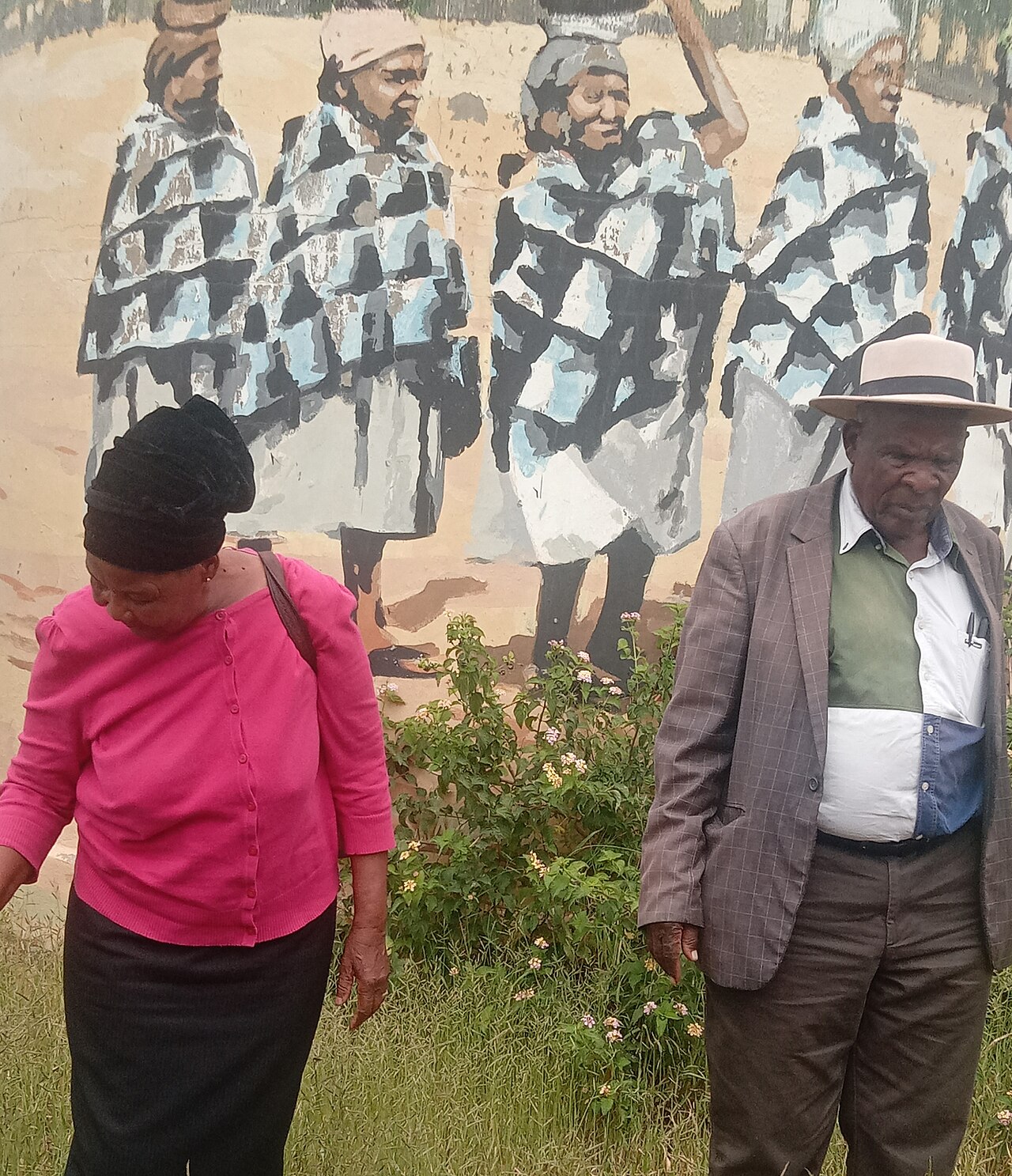
Bonolo Nikita Rankaga · CC0
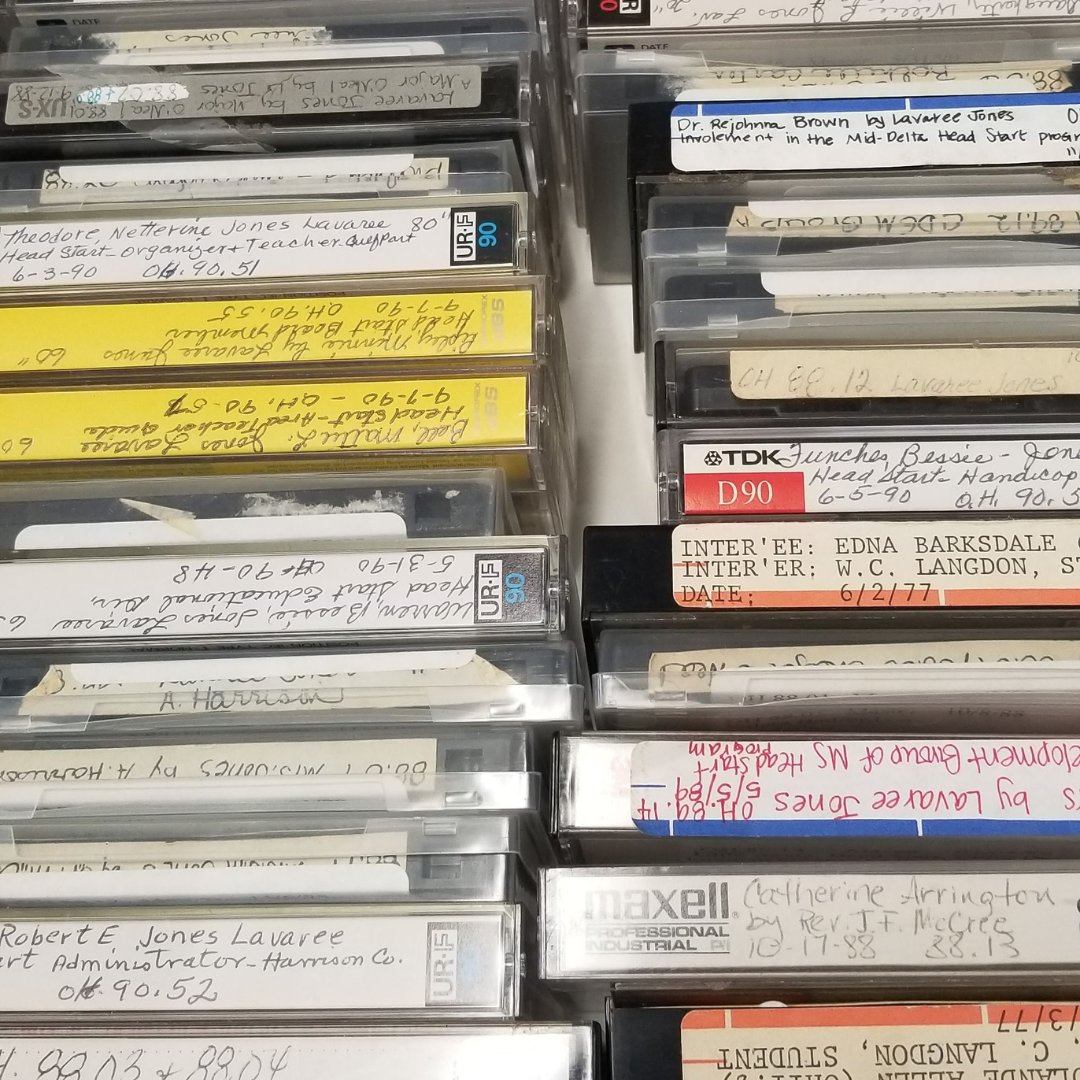
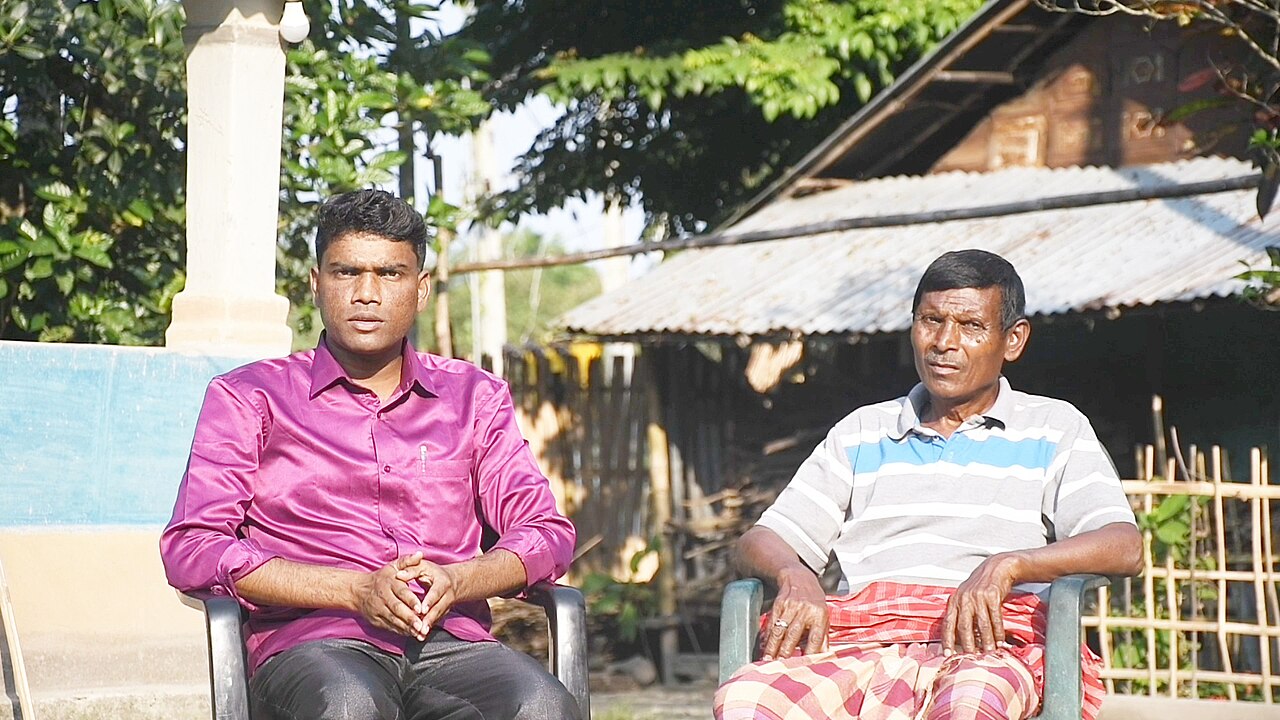
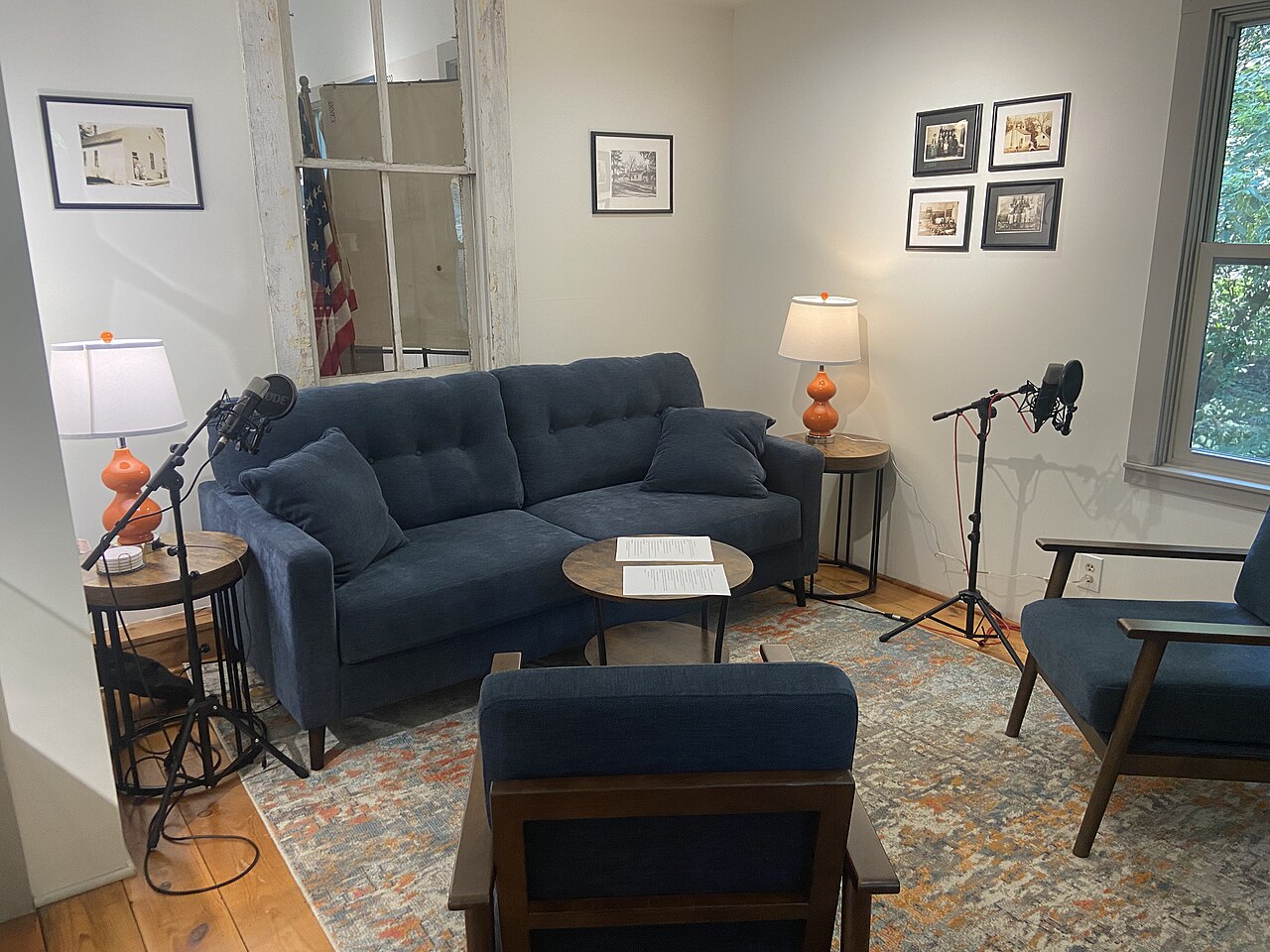
Oral history involves collecting and studying firsthand accounts of past events, everyday life, or family experiences through planned interviews recorded on audio, video, or in transcripts. These interviews focus on people who witnessed or took part in historical moments, preserving their memories and perspectives as an auditory record for future generations. The goal is to capture viewpoints often missing from written documents. The term also applies to the information gathered this way, as well as to published or unpublished works based on it, which are typically kept in archives and large libraries. What makes oral history distinctive is that it presents the interviewee’s tacit knowledge, opinions, and understanding in its original form.
The phrase "oral history" is sometimes used loosely for any spoken account of past events passed to others, but professional historians usually call that oral tradition or traditional oral history, since the information is received by ear rather than through a structured interview.
The concept is thought to have originated with Joe Gould, a homeless man in New York City who claimed to be writing a massive manuscript titled "An Oral History of Our Time," based on thousands of conversations he had recorded. Despite a history of mental illness and violence, Gould was admired by writers like Ezra Pound and E. E. Cummings. Excerpts supposedly from his work appeared in literary magazines, and he was later featured in The New Yorker.
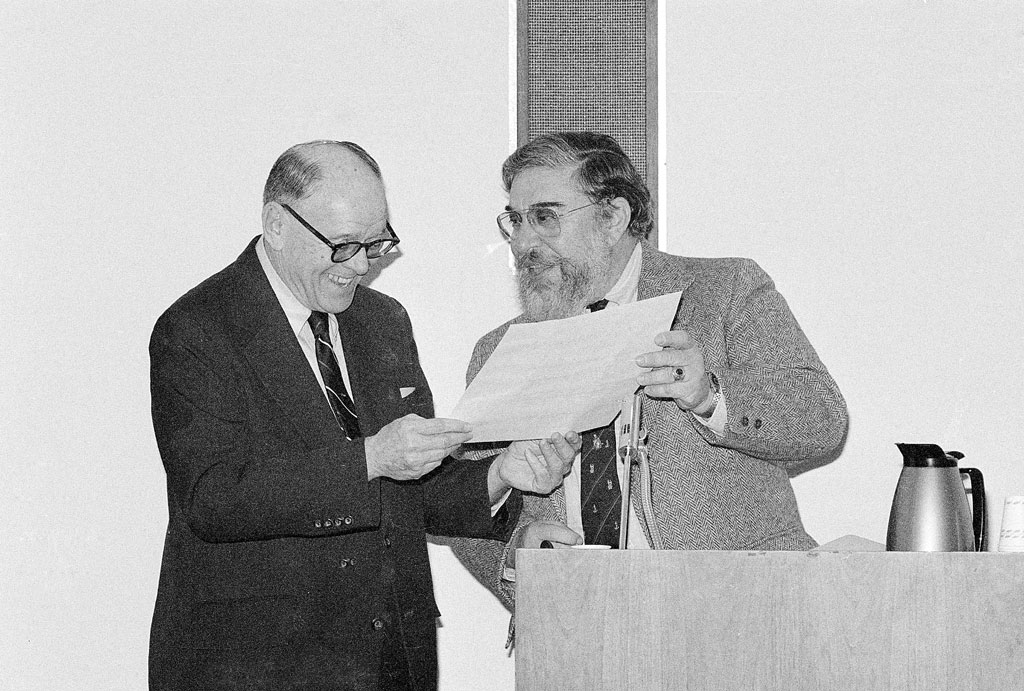
One of the earliest academic oral history projects began in 1948 at Columbia University, where Professor Allan Nevins founded the Oral History Research Office. It now holds nearly 8,000 recorded memoirs and about one million pages of transcripts, making it the oldest and largest organized oral history program in the world.
Oral history has become a global movement in historical research, partly due to advances in information technology. These tools allowed a method rooted in spoken word to contribute to research, especially through personal testimonies shared in public settings. Oral historians have used the Internet to post data and information, making it accessible to scholars, teachers, and the general public. This has helped history move beyond archival shelves and reach wider communities.
Approaches to collecting, analyzing, and sharing oral history vary by country, and even within a single nation there are many methods. According to the Columbia Encyclopedia, the widespread availability of tape recorders in the 1960s and 1970s led to oral documentation of the era’s social movements and protests. Since then, oral history has gained respect as a legitimate record type. Some oral historians now also consider the subjective nature of memory, influenced by the work of Italian historian Alessandro Portelli and his colleagues.
Oral histories are frequently used to document the experiences of survivors of tragedies. After the Holocaust, a rich tradition of oral history emerged, especially among Jewish survivors. The United States Holocaust Memorial Museum holds over 70,000 oral history interviews, and several organizations focus solely on collecting and preserving such accounts. Because oral history has relatively low barriers to entry, non-professionals can easily participate. As Donald Ritchie wrote in Doing Oral History, with reasonable training, anyone can conduct a usable oral history. This is especially important for survivors who may feel more comfortable speaking with a historian or family member than with a journalist.
In the United States, organizations like StoryCorps conduct oral history outside of universities or specific locations. Modeled on the Federal Writers’ Project of the Works Progress Administration, StoryCorps records stories from Americans of all backgrounds. Unlike academic oral history, StoryCorps subjects are interviewed by people they know. The organization has launched initiatives targeting specific populations or issues, using oral history to amplify voices that might otherwise be marginalized.
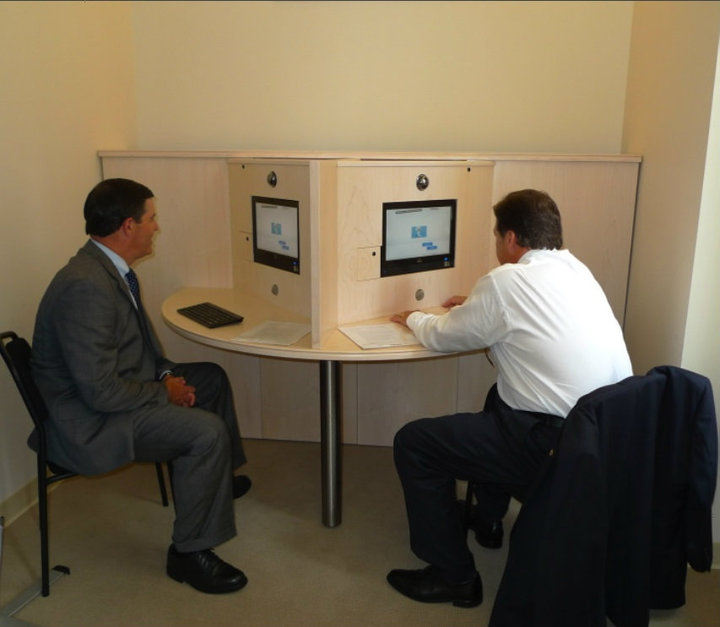
Digital databases with text-search tools have become an important part of oral history practice. They make it easier to collect and share oral histories, allowing instant access to millions of documents at national and international levels.
Quick Facts
- Field
- Historical research and documentation
- Earliest academic project
- Columbia University's Oral History Research Office, established in 1948 by Professor Allan Nevins
Facts from the source article.
Lore & Background
It is believed that the term oral history originates with Joe Gould, a homeless man living in New York City who solicited donations by claiming that he was working on a massive manuscript called 'An Oral History of Our Time', which he said consisted of thousands of recorded conversations on various topics. Although he was known to have a history of mental illness and violence, Gould was beloved by some writers in Greenwich Village, including Ezra Pound and E. E. Cummings. His writing, supposedly excerpts from this 'Oral History', was published in elite literary magazines, and he was eventually profiled in The New Yorker. One of the earliest academic oral history projects was Columbia University's Oral History Research Office, which was established in 1948 by Professor Allan Nevins. It consists of almost 8,000 taped memoirs and nearly 1,000,000 pages of transcript; it is the oldest and still largest organized oral history programs in the world.
Gallery
Frequently Asked Questions
What is oral history as a research method?
Oral history is a method of gathering historical knowledge by conducting structured interviews with people who directly witnessed or participated in past events. The resulting audio, video, or written transcripts capture perspectives and memories that written documents often miss.
Who is credited with establishing oral history as a formal discipline?
Historian Allan Nevins is widely credited with coining or popularizing the term in the 1940s. He went on to found Columbia University's Oral History Research Office in 1948, which became the field's first major academic project.
How does oral history differ from traditional documentary research?
While written archives record official accounts, oral history preserves the interviewee's personal opinions, tacit knowledge, and subjective experiences. This gives historians access to voices and viewpoints that were never committed to formal written records.
What kinds of materials does oral history produce?
The method generates recorded audio or video interviews, transcribed texts, and sometimes published or unpublished written works based on those conversations. These materials are typically housed in university archives and large public libraries for long-term preservation.
More in Historiography & Methods
Spotted an error? Know more?
Reader corrections go straight into our review queue. Suggest an edit · How this site is sourced