
Grand Antique marble
A prestigious Roman marble quarried in France, used in Hagia Sophia.
Last updated
Where it is
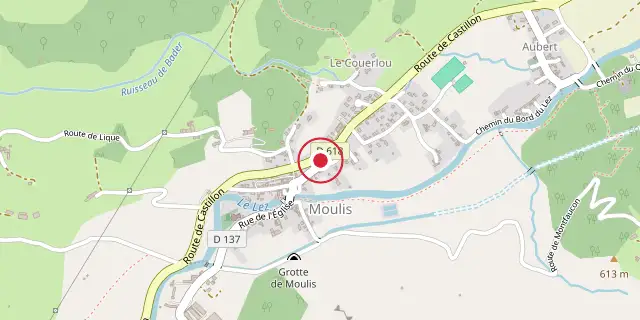
Coordinates: 42°57′43″N 1°05′31″E (42.9620, 1.0920) · Open in OpenStreetMap
Coordinates and connected clubs: the infobox of Wikipedia: Grand Antique marble (CC BY-SA 4.0). Map: drawn by Codexery from OpenStreetMap tiles.
Grand Antique marble, also known as Celtic marble, Grand Antique of Aubert, and in Roman times as Marmor Aquitanicum, is a prestigious marble composed of clasts of black limestone and white calcite. It was quarried near Aubert-Moulis in France from a fault breccia formed at the end of the Cretaceous period. First quarried by the Romans in the third or fourth century, it was exported to Rome and Constantinople for decorative columns and used for panels in Hagia Sophia.
Quick Facts
- Location
- near Aubert-Moulis, France
Facts from the source article.
More in Hagia Sophia
Sources
Compiled from Wikipedia and the sources listed below. Text from Wikipedia is available under CC BY-SA 4.0; this entry is adapted from it.
- Wikipedia: Grand Antique marble (CC BY-SA 4.0).
Spotted an error? Know more?
Reader corrections go straight into our review queue. Suggest an edit · How this site is sourced