
Federalism
A system dividing power between central and regional governments.

ADGiulia · CC BY-SA 4.0
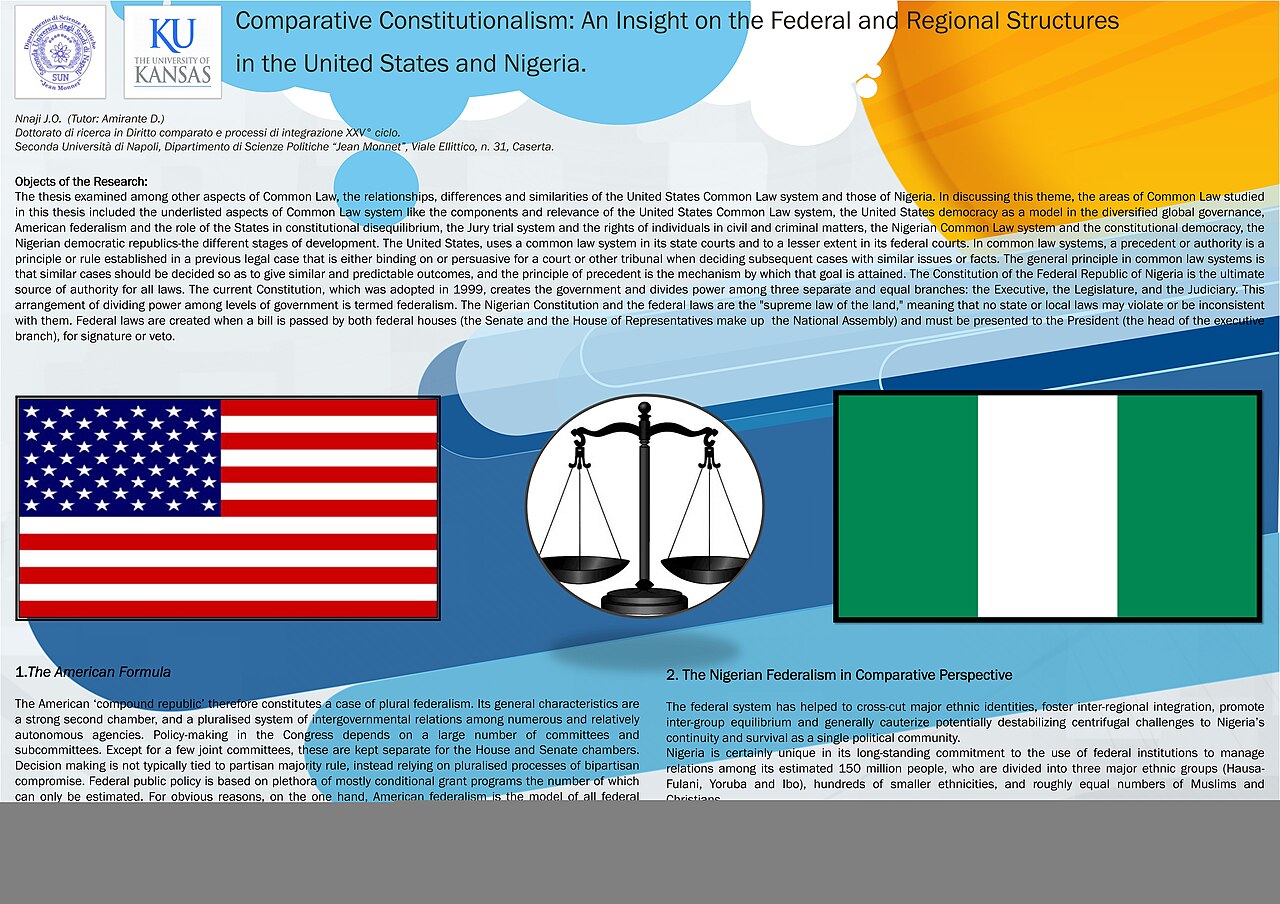
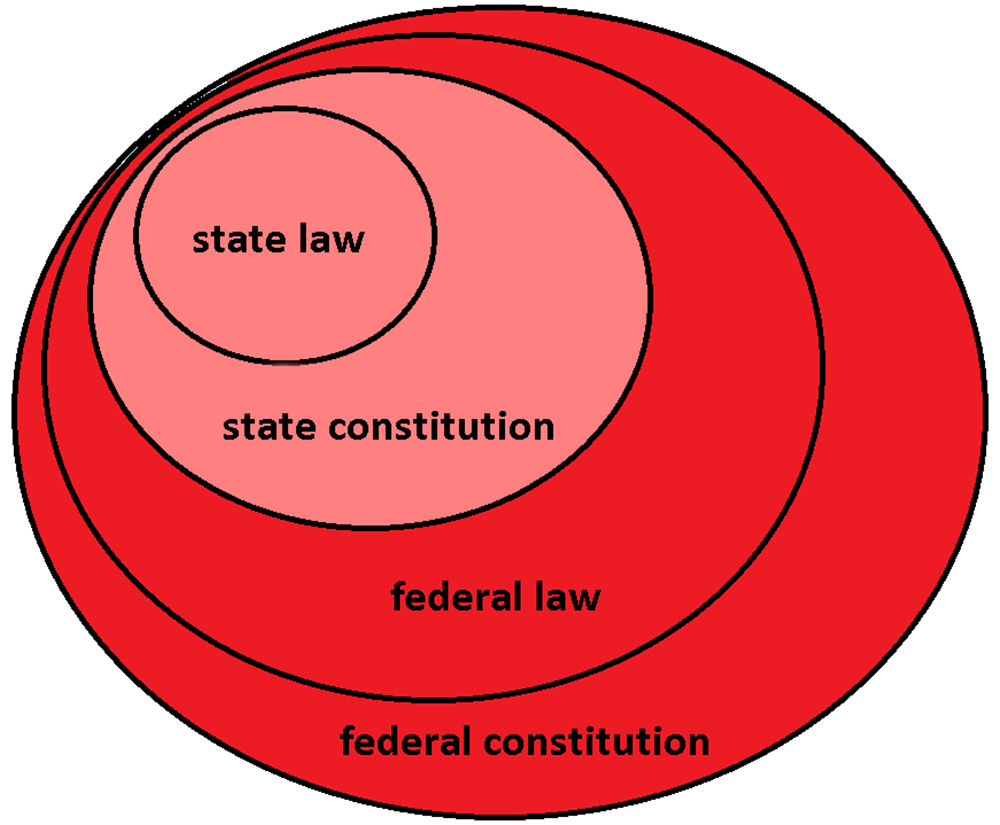
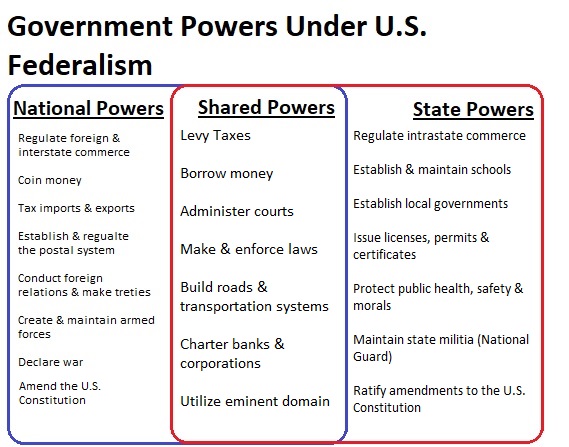
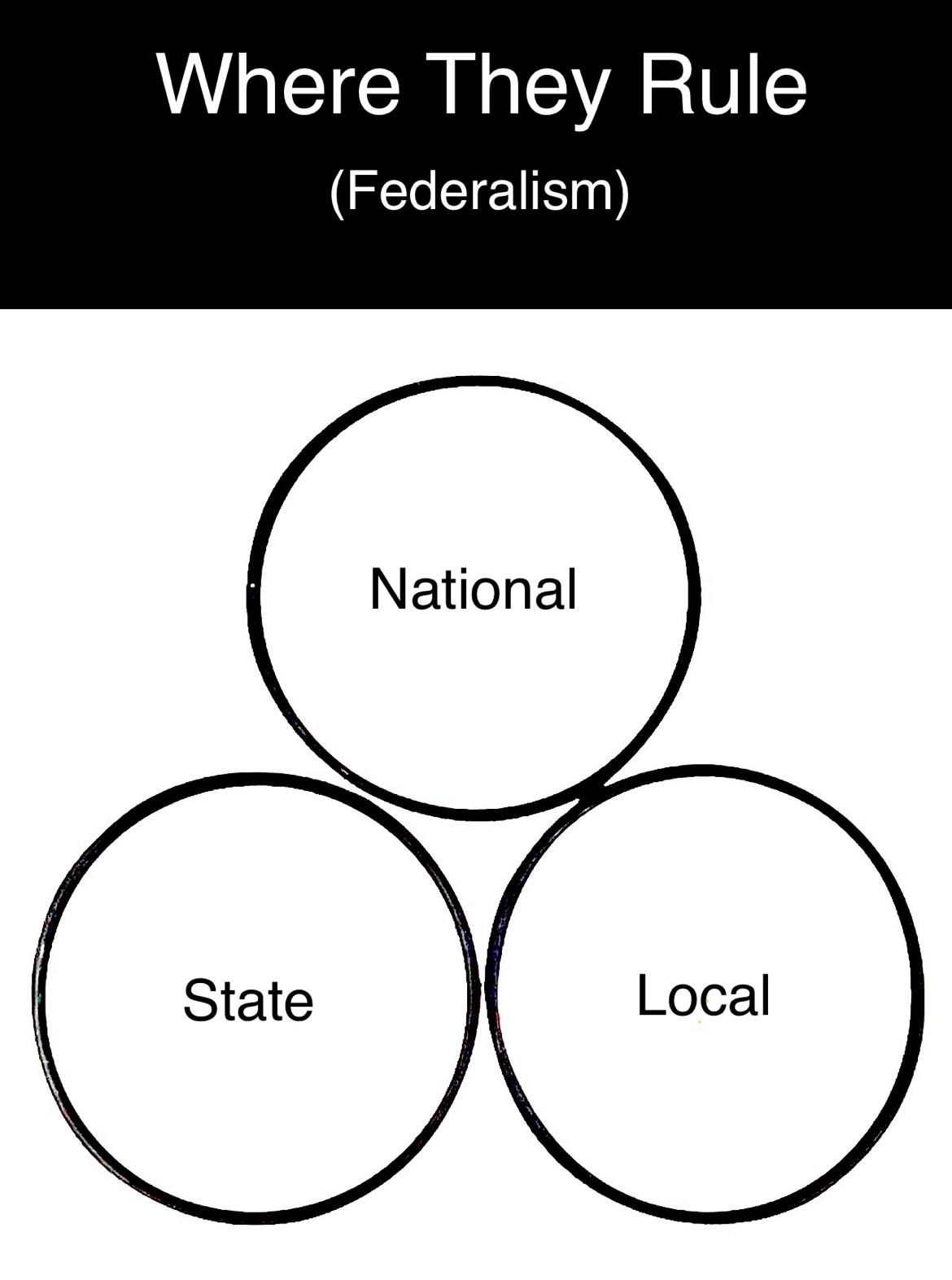
Federalism is a mode of government that combines a general level of government (a central or federal government) with a regional level of sub-unit governments, dividing powers between the two levels. It differs from confederalism, where the central government is subordinate to regional states, and from the unitary state, where the regional level is subordinate to the central government. Modern federalism, featuring a central government with direct authority over individuals, was first fully realized in the United States Constitution of 1787.
- First modern adoption
- United States Constitution, 1787
Lore & Background
Federalism's roots trace to ancient alliances among tribes or city-states, such as the Israelite tribal confederacy (c.1200–c.1000 BCE) and Hellenic leagues like the Achaean League. The term shares a Latin root with confederalism, and until the late 18th century both meant a league of sovereign states. James Madison described the U.S. Constitution as 'neither a national nor a federal Constitution, but a composition of both.'
Reader's Guide
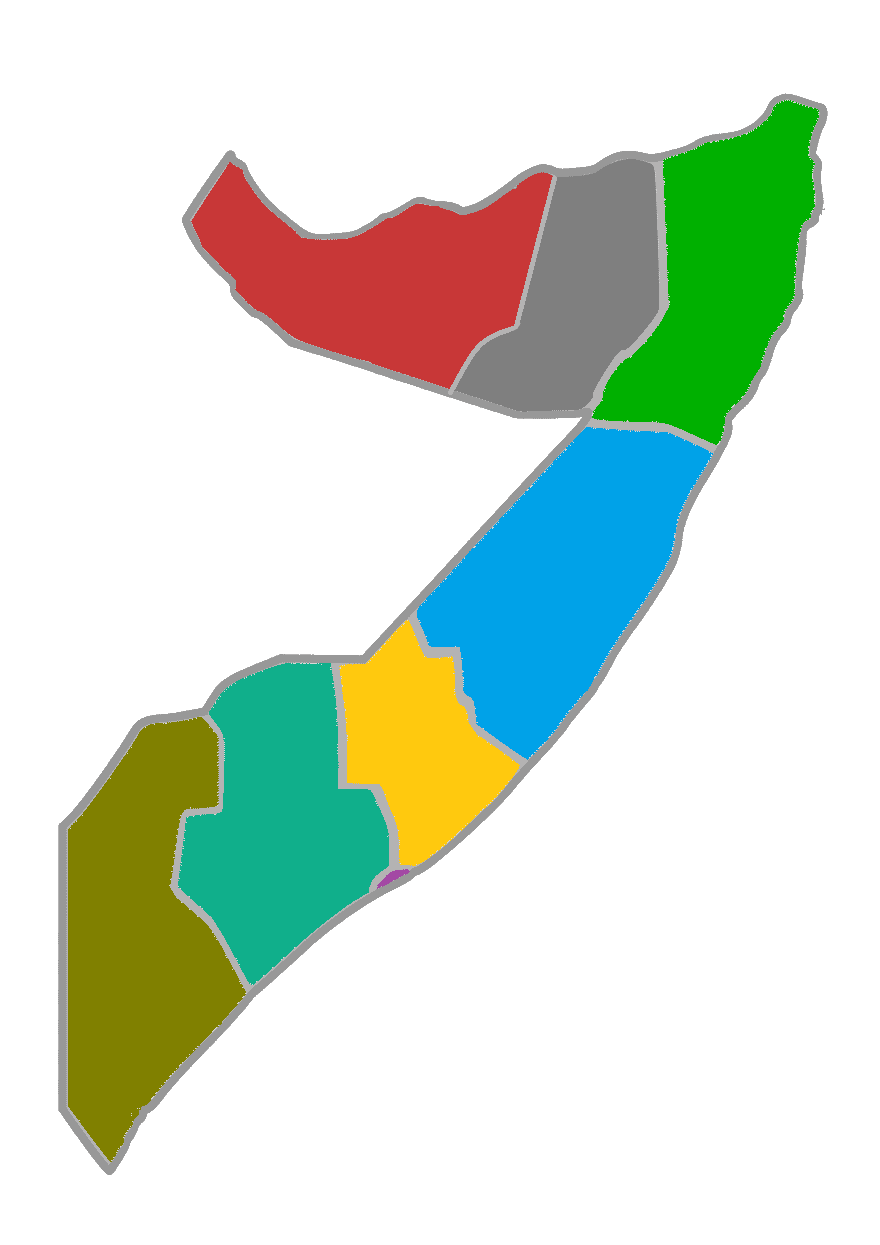
Federalism remains a significant political structure worldwide, adopted in countries such as Argentina, Australia, Brazil, Canada, Ethiopia, Germany, India, Iraq, Malaysia, Mexico, Nigeria, Russia, Switzerland, the United Arab Emirates, and the United States. Political theory identifies two main types of federalization: integrative (e.g., transforming a confederation into a federation) and devolutive (transforming a unitary state into a federation). Reasons for adoption include ideational, cultural-historical, social contract, and infrastructural power theories. The European Union has been characterized by some as a federation. The term's meaning shifted in the 19th-century United States to refer uniquely to the compound political form established at the Philadelphia Convention.
Did You Know?
- Johannes Althusius (1563–1638) and Montesquieu are considered fathers of modern federalism.
- Montesquieu's 1748 treatise 'The Spirit of Law' observed federalist examples in corporate societies, polis, and city confederations.
- The first modern federalism, with a central government exercising direct authority over individuals, was established by the United States Constitution in 1787.
- The term 'federalism' and 'confederalism' share the Latin root 'foedus', meaning treaty, pact, or covenant.
The 1979 Autonomy Conference and Its Suppression
In June 1979, the National Democratic Front of Iran convened a landmark gathering that brought together representatives from a remarkable cross-section of the country's ethnic and political landscape. Attendees included the Organization of Iranian People's Fedai Guerrillas (Kurdistan branch), Komala, the Democratic Party of Iranian Kurdistan, the Turkmen People's Cultural and Political Society, the Arab People's Cultural Association of Iran, the Democratic Organization of the Baloch People, and the Azerbaijan Issues Research Group. Together they drafted an eleven-point document titled the "Plan for the Autonomy of the Peoples of Iran," which explicitly called for a federal and democratic structure. The groups envisioned creating a Council of the Peoples of Iran and had scheduled a Congress of the Peoples of Iran for late June in Mahabad. That congress never took place. The Islamic Republic's military forces launched an offensive against Kurdistan, and simultaneously, government forces were already clashing with Turkmen organizations in Turkmen Sahra, where confrontations had begun as early as spring 1979. The episode established a pattern: federalism proposals in Iran would repeatedly collide with state suppression.
Khatami's 2019 Remark and the Immediate Firestorm
On May 11, 2019, former president Mohammad Khatami told an Islamic City Council meeting in Tehran that a federative government represented the most desirable democratic form for Iran, while acknowledging the constitution barred such a transition and that the political moment was perhaps not ripe. The remark ignited a fierce public controversy. Two hundred Iranians, both domestic and diaspora-based, signed a letter titled "No to federalism, not to national disintegration," contending that no stable unitary state had ever successfully disaggregated into a federation (citing only Iraq post-2005 as an exception), that Iran had always remained a unified nation, and that federalism would fail to address the country's socio-economic challenges. Political scientists Javad Tabatabai and Tirdad Bonakdar both pushed back, though Bonakdar distinguished his opposition from support for decentralisation. Reformist activist Mohammad Reza Javadi Hesar defended Khatami by reframing the idea as municipal-level power-sharing. Abdulla Mohtadi, a Komala co-founder, called federalism a progressive concept that protects citizens' rights and fosters unity. IranWire ran a series of in-depth responses to the controversy.
The Case for Federalism: Rights, Negotiation, and Precedent
Proponents of a federal Iran have built their arguments around minority protection and democratic participation. In 2004, Razgar Alani of the Democratic Party of Iranian Kurdistan described that year as a turning point when the party formally endorsed a federal system for what he characterized as a multi-national, multi-ethnic, and multi-religious country. By 2019, political scientist Kamran Matin of Sussex University pointed out that roughly two billion people worldwide already lived under federal arrangements and argued the model could be both beneficial and effective for Iran. Matin stressed that any such system would require guaranteed minority rights across every unit of the federation and that the precise structure must be negotiated rather than imposed. He cited the Democratic Autonomous Administration of North and East Syria as a promising model for ensuring equal political participation among diverse religious and cultural groups. He also suggested that Iran's existing national and ethnic organizations working to defend minority rights would be natural participants in any negotiation process. Ultimately, Matin contended that pairing federalisation with radical democracy offered the strongest safeguard against the country's disintegration. The 2023 Mahsa Charter further complicated the landscape, as Kurdish groups split over whether the document genuinely supported a federal framework.
Opposition, Secession Fears, and the Decentralisation Alternative
Critics of federalism in Iran have raised concerns ranging from constitutional impossibility to the risk of violent fragmentation. Social scientist Mohammad Mohebi of Islamic Azad University argued that dis-aggregative federalisation is functionally identical to secession, and that partitioning Iran along ethnic lines would be impractical and invite bloody conflict. He instead advocated for greater decentralisation, including the possibility of creating additional provinces. Political scientist Jalil Roshandel of East Carolina University acknowledged federalism as generically one of the best forms of government but insisted that in Iran's context, equal civil, political, and religious rights had remained taboo for four decades. He described the Islamic Republic as totalitarian, with the Supreme Leader holding absolute override power, and warned that a centrally imposed federal transition could replicate the catastrophic breakup of Yugoslavia. Lawyer Shahin Sadeghzadeh Milani objected that an ethnic- or language-based structure would contradict the principle of equal rights for all citizens and provoke ethnic tensions. He warned that separate provincial legislatures, judiciaries, and executives would effectively create internal borders. All three, however, left the door open to some form of decentralisation under more favourable future conditions.
Gallery

Frequently Asked Questions
What is Federalism?
Federalism is a governmental structure that splits authority between a central (federal) government and smaller regional or state governments, so neither level fully subordinates the other.
How is Federalism different from a unitary state?
In a unitary system, regional governments derive their power from and are subordinate to the central authority, whereas in federalism the two tiers share a divided set of powers and neither simply commands the other.
Where and when was modern Federalism first put into practice?
The United States Constitution of 1787 is widely recognized as the first full realization of modern federalism, establishing a central government with direct authority over individual citizens alongside state governments.
How does Federalism differ from confederalism?
In a confederation the central body is weaker and subordinate to the member states, while in a federal system the central government holds its own direct jurisdiction over individuals and shares power rather than merely coordinating the regions.
Why is Federalism important in public administration?
It creates a two-tier framework that lets national policies coexist with locally tailored governance, giving both broad coordination and regional flexibility in how public services and laws are administered.
More in Government & Public Administration 1-24
Spotted an error? Know more?
Reader corrections go straight into our review queue. Suggest an edit · How this site is sourced