
Cultural policy
Government actions supporting arts, culture, and diversity.

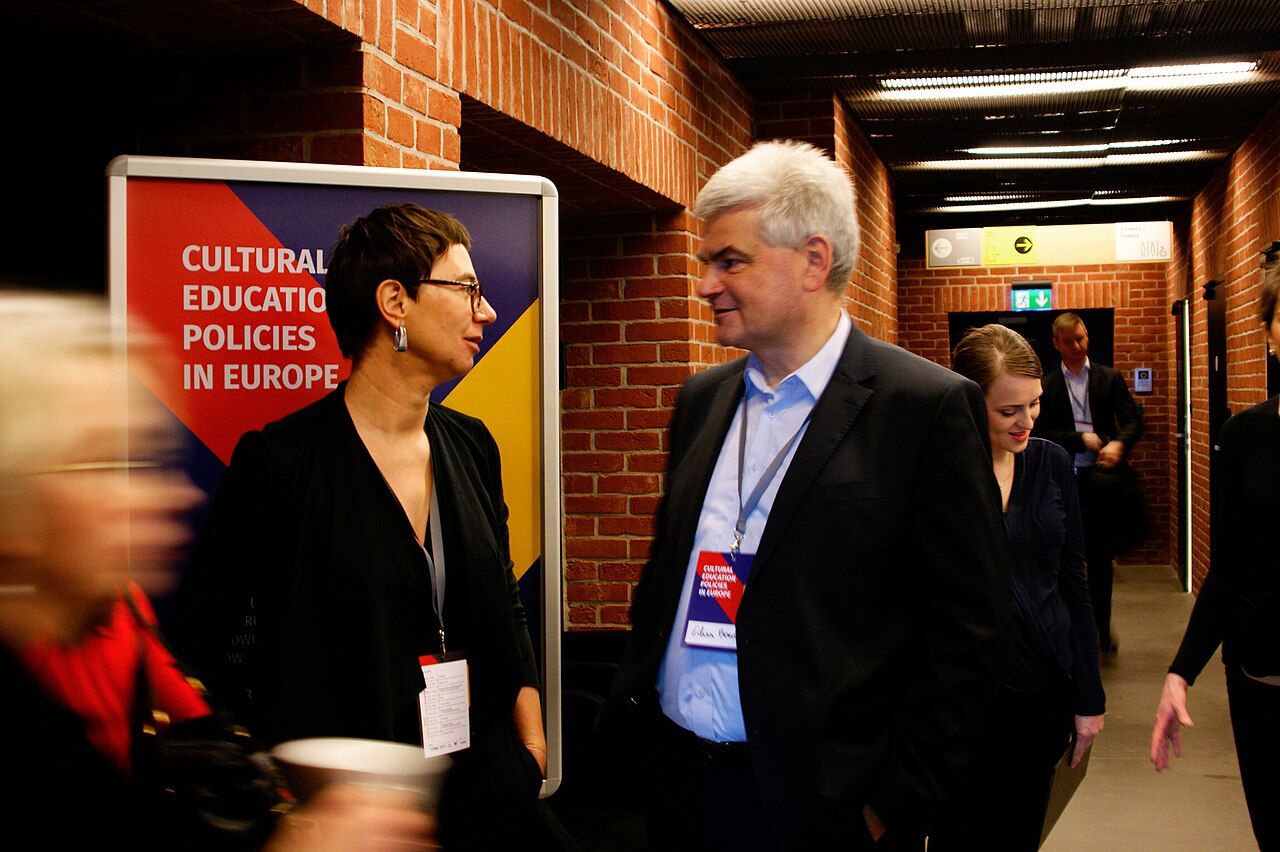
mik Krakow · CC BY-SA 2.0
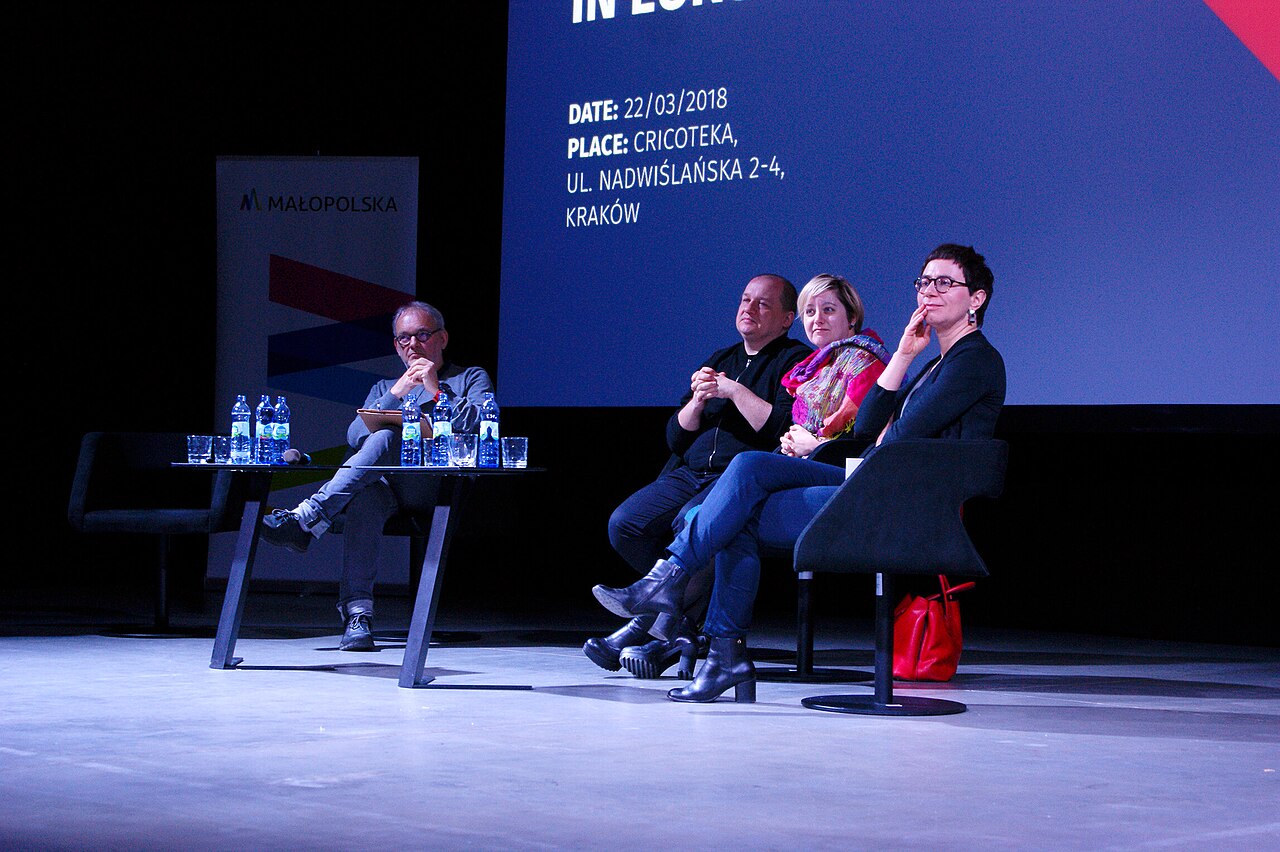
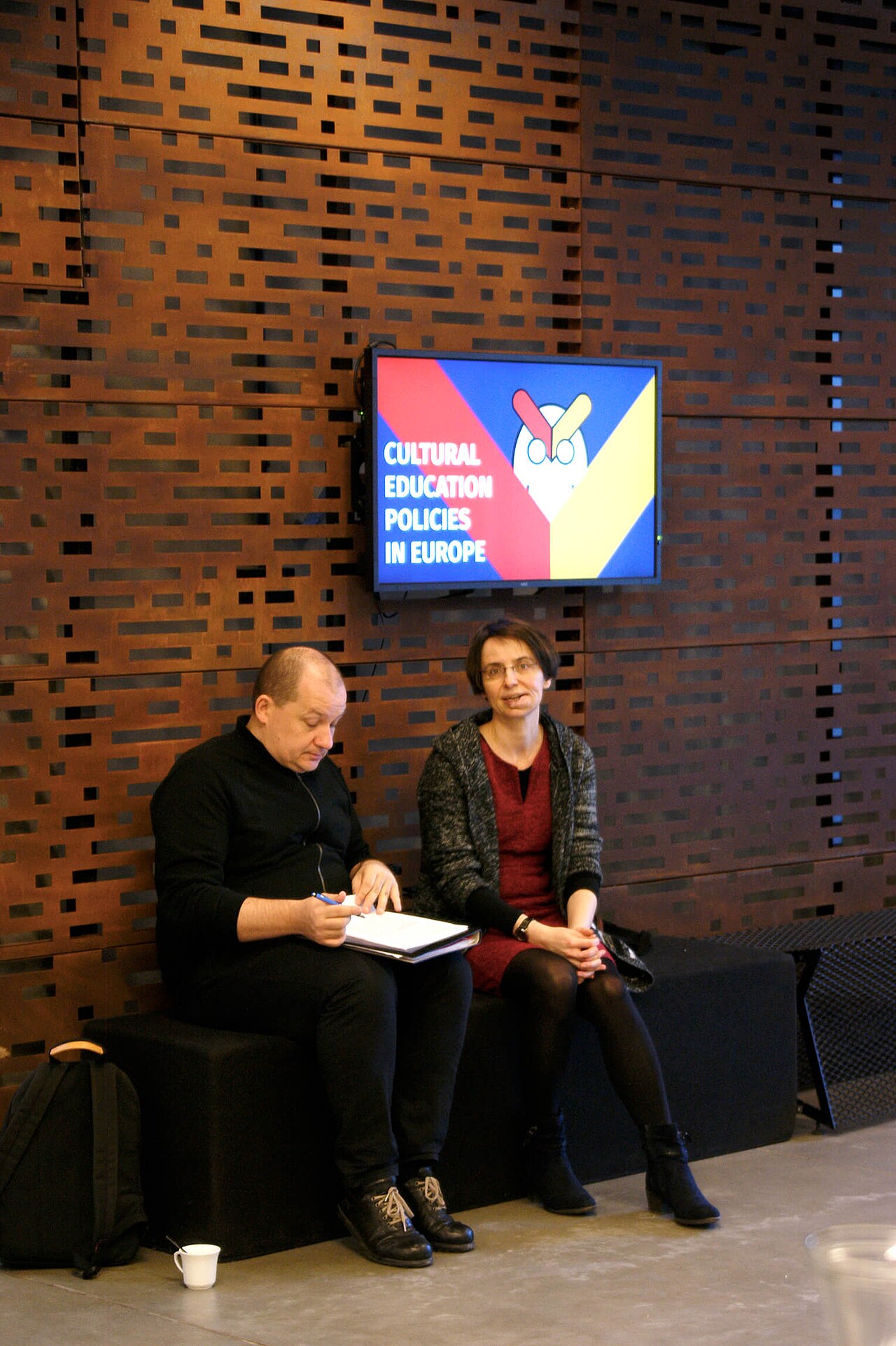
Cultural policy refers to government actions, laws, and programs that regulate, protect, encourage, and financially support activities related to the arts and creative sectors, as well as culture involving language, heritage, and diversity. The concept was developed at UNESCO in the 1960s. Cultural policy aims to improve accessibility of arts and creative activities to citizens and promote diverse artistic, musical, ethnic, sociolinguistic, and literary expressions. It can be implemented at nation-state, sub-national, regional, or municipal levels.
- Field
- Government policy
- Key concept origin
- UNESCO, 1960s
- Scope
- Arts, creative sectors, language, heritage, diversity
- Levels of implementation
- Nation-state, sub-national, regional, municipal
- Related terms
- Arts policy, cultural diversity, public good
Lore & Background
Prior to the twentieth century, the arts were typically supported by patronage of the church, aristocrats, and wealthy merchants. During the nineteenth century, artists increasingly used the private marketplace, such as Beethoven charging admission for public concerts. In the twentieth century, governments began taking over arts patronage roles, first establishing archives, museums, and libraries, then later arts councils and departments of culture that initially supported major Western canon arts like painting, sculpture, Classical music, and theatre.
Reader's Guide
Cultural policy governs a sector of immense complexity, involving a heterogeneous set of individuals and organizations engaged in creation, production, presentation, distribution, preservation, and education about aesthetic heritage and entertainment activities. It typically includes public support for heritage sites, zoos, libraries, museums, visual arts, performing arts, and public humanities programs. Since culture is viewed as a public good and a merit good, governments pursue programs to promote greater accessibility, ensuring that high culture is not exclusive to a particular social class or metropolitan location. A general trend since the 1970s and 1980s in Western industrialized nations is a shift from solely supporting elite, professionalized art forms to also supporting amateur and community cultural activities and forms outside the Western canon.
Did You Know?
- The idea of cultural policy was developed at UNESCO in the 1960s.
- Throughout much of the twentieth century, many activities now under cultural policy were governed as 'arts policy'.
- A general trend since the 1970s and 1980s is a shift toward supporting amateur and community cultural activities.
Foundational Definitions and the Question of Identity
In 1947, Paul H. Appleby framed public administration as the public leadership of public affairs directly responsible for executive action, stressing that in democratic societies this leadership must honor the dignity and potential of every citizen. Just a year later, Gordon Clapp, then heading the Tennessee Valley Authority, offered a complementary vision: public administration as a public instrument through which democratic society could be more fully realized. This framing tied the field to justice, liberty, and broader economic opportunity, encompassing people, ideas, and material things. Woodrow Wilson's earlier essay, The Study of Administration, was later identified by scholars James D. Carroll and Alfred M. Zuck as the true starting point of public administration as a distinct and influential field of study. More recently, however, many scholars have conceded that the field resists a single accepted definition, arguing that its scope is so vast and contested that it is easier to explain in broad terms than to pin down in a single sentence.
Theoretical Frameworks and Academic Placement
The mid-twentieth century marked a turning point when Max Weber's theory of bureaucracy, rooted in German sociology, injected a deep theoretical dimension into the study of public administration. In academic settings, the field has been characterized as the study of government decision-making, encompassing the analysis of policies, the inputs that generated them, and the elements needed to craft alternative approaches. It functions as a subfield of political science, taught in public policy schools, where scholars examine policy processes alongside the structures, functions, and behavior of public institutions and their relationships with broader society. The foundational principle underlying this study is that an organization's proper functioning depends on effective management. Donald F. Kettl is among those who firmly place public administration within political science, while others trace its roots to administrative science, an outgrowth of policy analysis and evaluation research. This ongoing debate over disciplinary identity remains one of the field's most persistent intellectual tensions.
Historical Origins from Antiquity
The roots of public administration stretch back to antiquity, when states required officials such as pages, treasurers, and tax collectors to handle the practical business of governance. In ancient India, the Harappa and Mohenjo-daro civilizations appear to have maintained organized bodies of public servants, hinting at early administrative structures. Brihaspati, a figure predating both Kautilya and Somadeva, is believed to have been contemporaneous with those Indus Valley cultures and contributed to laws and governance. Abu'l-Fazl ibn Mubarak's Ain-i-Akbari records a 1578 symposium of philosophers from various faiths convened at Akbar's request, where Charvaka thinkers may have participated. Their law-makers emphasized diligent work, careful governance, and programs for public welfare. Kautilya later outlined detailed schemes for identifying and removing disguised enemies within the kingdom. Before the nineteenth century, staffing in most public administrations was dominated by nepotism, favoritism, and political patronage, commonly known as the spoils system.
Contemporary Scope and the Machinery of Implementation
Public administration in practice is the implementation of public policies, meaning sets of proposed or decided actions designed to solve problems and address social and economic issues. While this work most commonly occurs through government programs in the public sector, it also extends to non-profit organizations in the community sector and to private businesses that deliver goods and services to the government through public-private partnerships and procurement. The field has been aptly described as the process by which political decisions become the lived reality of everyday citizens. Administrative effectiveness, as Akinfolarin noted in 2017, means carrying out responsibilities consistently and meeting established goals on schedule. The North American Industry Classification System defines the sector as encompassing establishments engaged in governmental activities, including legislative work, taxation, national defense, public order, immigration services, foreign affairs, and program administration. Lalor further argues that a society possesses public administration whenever a public authority provides at least one public good, with politics satisfying demand through rhetoric and public management satisfying supply through speech acts and the production of goods.
Gallery

Frequently Asked Questions
What is Cultural policy in government?
Cultural policy is the collection of government actions, laws, and funding programs that support, regulate, and protect the arts, creative industries, language, heritage, and cultural diversity. It operates as a distinct branch of public administration focused on making creative and cultural life accessible to all citizens.
Where did the concept of Cultural policy originate?
The idea of cultural policy as a unified government field was formalized at UNESCO in the 1960s. Before that, arts and heritage matters were generally addressed in an ad hoc manner without a coherent policy framework.
What areas does Cultural policy cover?
Its scope extends across the arts and creative sectors as well as broader cultural dimensions like language preservation, heritage protection, and ethnic or sociolinguistic diversity. It is closely linked to related terms such as arts policy, cultural diversity, and the notion of culture as a public good.
At what levels of government is Cultural policy implemented?
Cultural policy can be enacted at the nation-state level and also at sub-national, regional, and municipal tiers. This multi-level structure allows both broad national strategies and localized programs tailored to specific communities.
Why is Cultural policy important to public administration?
It treats culture as a public good, ensuring that artistic, musical, literary, and ethnic expressions remain accessible rather than confined to those with private means. By doing so, governments use policy tools to encourage diverse creative expression and safeguard linguistic and heritage traditions.
More in Government & Public Administration 1-24
Spotted an error? Know more?
Reader corrections go straight into our review queue. Suggest an edit · How this site is sourced