
Rock (geology)
Naturally occurring solid aggregate of minerals or mineraloid matter.

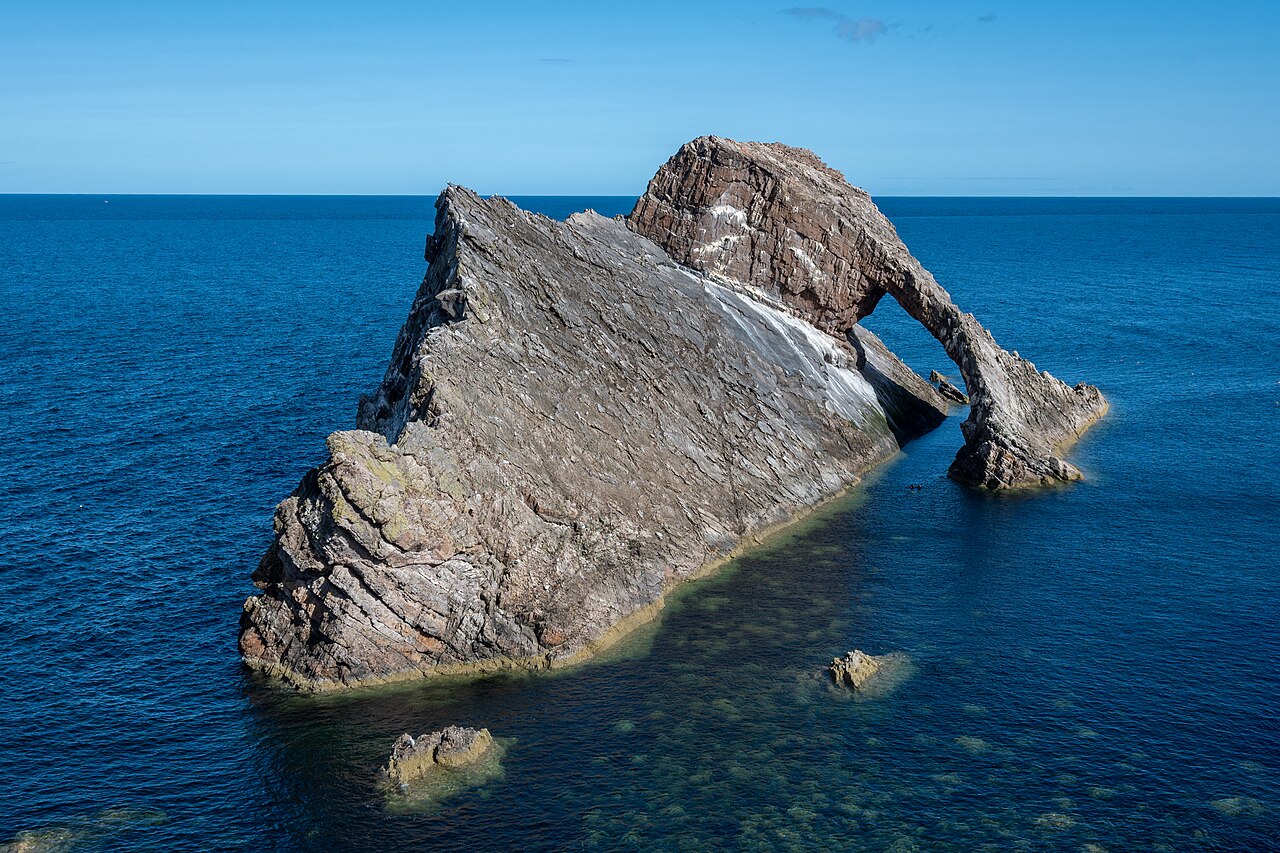
Adrian Diack · CC BY-SA 2.0
Rocks, also referred to as stones, are naturally occurring solid masses made up of minerals or mineraloid materials. Geologists classify them based on their mineral content, chemical makeup, and the processes that formed them. These materials make up Earth’s outer solid layer—the crust—and the vast majority of its interior, with the exceptions being the liquid outer core and pockets of magma in the asthenosphere. The scientific study of rocks draws on several branches of geology, including petrology and mineralogy, and can focus on Earth’s rocks or extend to planetary geology, which examines rocks on other celestial bodies.
The study of rocks, known as geology, investigates Earth’s components and rock formations. Petrology specifically looks at the character and origins of rocks, while mineralogy examines the mineral components that form them. This research has deepened our understanding of Earth’s history, informed archaeology about human history, and driven advances in engineering and technology. Although ideas about rocks and their origins have existed throughout human history, the formal science of rock study took shape in the 19th century. During that period, the theory of plutonism emerged, and the 1896 discovery of radioactive decay enabled radiometric dating. The understanding of plate tectonics developed later, in the second half of the 20th century.
Rocks are mainly composed of mineral grains—crystalline solids with atoms chemically bonded into orderly structures. Some rocks also contain mineraloids, rigid but non-crystalline substances like volcanic glass. The types and amounts of minerals in a rock depend on how it formed. Most rocks contain silicate minerals, which feature silica tetrahedra in their crystal lattice; these make up about one-third of all known mineral species and roughly 95% of Earth’s crust. The silica content in rocks and minerals is a key factor in naming and classifying them.
Rocks are grouped by characteristics such as mineral and chemical composition, permeability, texture, and particle size—properties that stem from their formation processes. Over time, rocks can change from one type to another through a geological model called the rock cycle. This cycle produces three main classes: igneous, sedimentary, and metamorphic. Each class is further divided into many groups, but boundaries between related rocks are not rigid. As mineral proportions shift, rocks gradually transition from one type to another, so the definitions used in rock names simply mark selected points along a continuous series.
Igneous rock comes from the cooling and solidification of magma or lava. Magma can originate from partial melting of pre-existing rocks in a planet’s mantle or crust, typically triggered by increased temperature, decreased pressure, or changes in composition. Igneous rocks fall into two main categories: plutonic (or intrusive) rocks, which form when magma cools slowly within the crust—granite is a common example—and volcanic (or extrusive) rocks, which result when magma reaches the surface as lava or fragmental ejecta, producing minerals like pumice or basalt. As magma rises, it tends to become richer in silica through a process called magma differentiation. This happens because low-silica minerals crystallize out first (as described by Bowen’s reaction series) and because magma assimilates high-silica crustal rock as it ascends. Silica content is therefore the most important chemical criterion for classifying igneous rocks, followed by alkali metal oxide content. About 65% of Earth’s crust by volume is igneous rock, with 66% of that being basalt and gabbro, 16% granite, 17% granodiorite and diorite, 0.6% syenite, and 0.3% ultramafic rock. The oceanic crust is 99% basalt, a mafic igneous rock, while granite and similar granitoids dominate the continental crust.
Sedimentary rocks form at Earth’s surface through the accumulation and cementation of fragments from earlier rocks, minerals, and organic material. These fragments, called sediments, are created by weathering, transport, and deposition of existing rocks. Over time, diagenesis and lithification turn these sediments into solid rock. Metamorphic rocks arise when existing rocks are subjected to high pressures and temperatures, transforming them without significant melting.
Humans have used rocks since the earliest times. The Stone Age saw the development of many stone tools, and stone later became a major building material for structures and early infrastructure. Mining emerged to extract rocks from the Earth and obtain the minerals within them, including metals. Modern technology has led to the creation of new human-made rocks and rock-like substances, such as concrete.
- field
- Geology
- subdisciplines
- Petrology, Mineralogy
- main groups
- Igneous, Sedimentary, Metamorphic
- crust composition by volume
- Igneous ~65%, Metamorphic ~27.4%, Sedimentary ~7.9%
- key process
- Rock cycle
Lore & Background
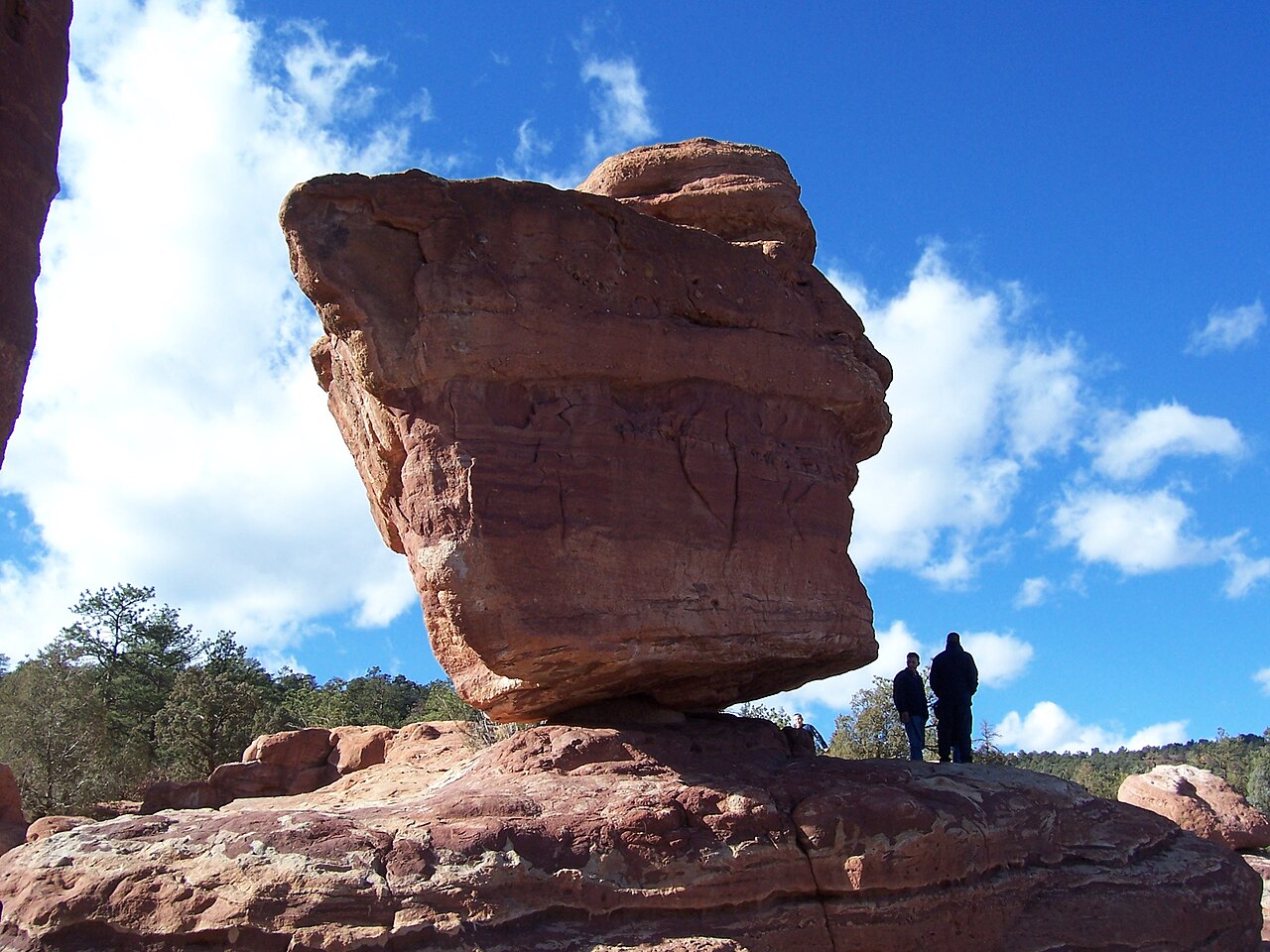
Rocks are naturally occurring solid masses or aggregates of minerals or mineraloid matter, forming the Earth’s outer solid layer, the crust, and most of its interior, excluding the liquid outer core and magma pockets in the asthenosphere. They are categorized by their mineral composition, chemical makeup, and formation process. The vast majority of rocks contain silicate minerals, which account for about 95% of the Earth’s crust, with silica content being a key factor in naming and properties. Rocks appear in diverse forms, from massive outcrops along mountain creeks to layered incisions like the Grand Canyon, and can range from fine-grained volcanic glass to coarse-grained plutonic stones. Their range is global, covering the entire Earth’s surface and extending into the planetary geology of other celestial objects. Habitats include the oceanic crust, which is 99% basalt, and continental crust composed largely of granite, granodiorite, and diorite. Defining characteristics include mineral and chemical composition, permeability, texture, and particle size, which result from the processes that formed them. Rocks are classified into three main groups: igneous, formed from cooling magma or lava; sedimentary, created by the diagenesis and lithification of weathered and deposited sediments; and metamorphic, transformed by high pressure and temperature without melting. These classes are not rigidly bounded but grade into one another through continuous variations in mineral proportions and structures. The study of rocks, including petrology and mineralogy, has contributed to understanding Earth’s history, human archaeology, and technological development, with formal scientific study emerging in the 19th century alongside theories like plutonism and later plate tectonics.
Reader's Guide
Humanity has made use of rocks since the time the earliest humans lived. This early period, called the Stone Age, saw the development of many stone tools. Stone was then used as a major component in the construction of buildings and early infrastructure. Mining developed to extract rocks from the Earth and obtain the minerals within them, including metals. Modern technology has allowed the development of new human-made rocks and rock-like substances, such as concrete. The study of rocks and their components has contributed to the geological understanding of Earth's history, the archaeological understanding of human history, and the development of engineering and technology in human society. While the history of geology includes many theories of rocks and their origins that have persisted throughout human history, the study of rocks was developed as a formal science during the 19th century. Understanding of plate tectonics developed in the second half of the 20th century.
Did You Know?
- About 65% of the Earth's crust by volume consists of igneous rocks.
- Sedimentary rocks often contain fossils.
- Metamorphic rocks compose 27.4% of the crust by volume.
- Most rocks contain silicate minerals, which account for about 95% of the earth's crust.
Gallery


Frequently Asked Questions
What exactly counts as a rock in geology?
A rock is any naturally occurring solid mass made up of one or more minerals or mineraloid material bound together. Unlike a single mineral crystal, a rock is an aggregate of multiple crystalline components, and it is classified by its mineral content, chemistry, and formation history.
What are the three main rock groups and how do they differ?
Geologists sort rocks into igneous, sedimentary, and metamorphic categories based on their origin. Igneous rocks solidify from molten material, sedimentary rocks build up from accumulated particles or precipitates, and metamorphic rocks form when pre-existing rocks are reshaped by heat and pressure.
How does the rock cycle work?
The rock cycle is the ongoing loop in which rocks are melted, cooled, eroded, compacted, or metamorphosed, turning one type into another over geological time. No rock type is permanent; every rock can eventually be recycled into a different category.
What percentage of Earth's crust is each rock type?
By volume, igneous rocks account for roughly 65% of the crust, metamorphic rocks about 27.4%, and sedimentary rocks around 7.9%. This distribution reflects the fact that most of the crust originally solidified from magma.
Which subdisciplines of geology focus on studying rocks?
Petrology deals with the origin, structure, and classification of rocks, while mineralogy examines the individual mineral components that make them up. Together these two fields form the core of rock science within geology.
More in Geology & Earth Surface 1-23
Spotted an error? Know more?
This is a living reference — every entry is fact-audited, and reader corrections feed straight into our audit queue. Suggest an edit · See this site's audit record