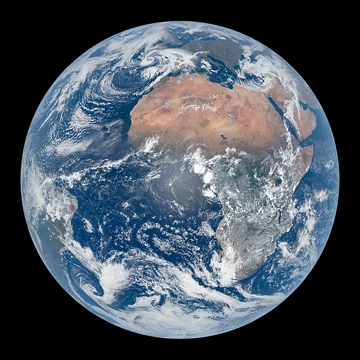
Plain
Flat expanse of land covering over one-third of Earth's land area.
Last updated

Kevstan · CC BY-SA 4.0
A plain, also called flatland, is a broad area of land that stays mostly level, without many sharp or sudden changes in height. These flat expanses can be found as low ground in valleys or at the foot of mountains, as strips along coastlines, or as elevated plateaus and uplands. Plains rank among the major landforms of Earth, appearing on every continent and making up more than a third of the planet's land surface. In a valley, a plain is enclosed on two sides, while elsewhere it may be bordered by a complete or partial ring of hills, mountains, or cliffs.
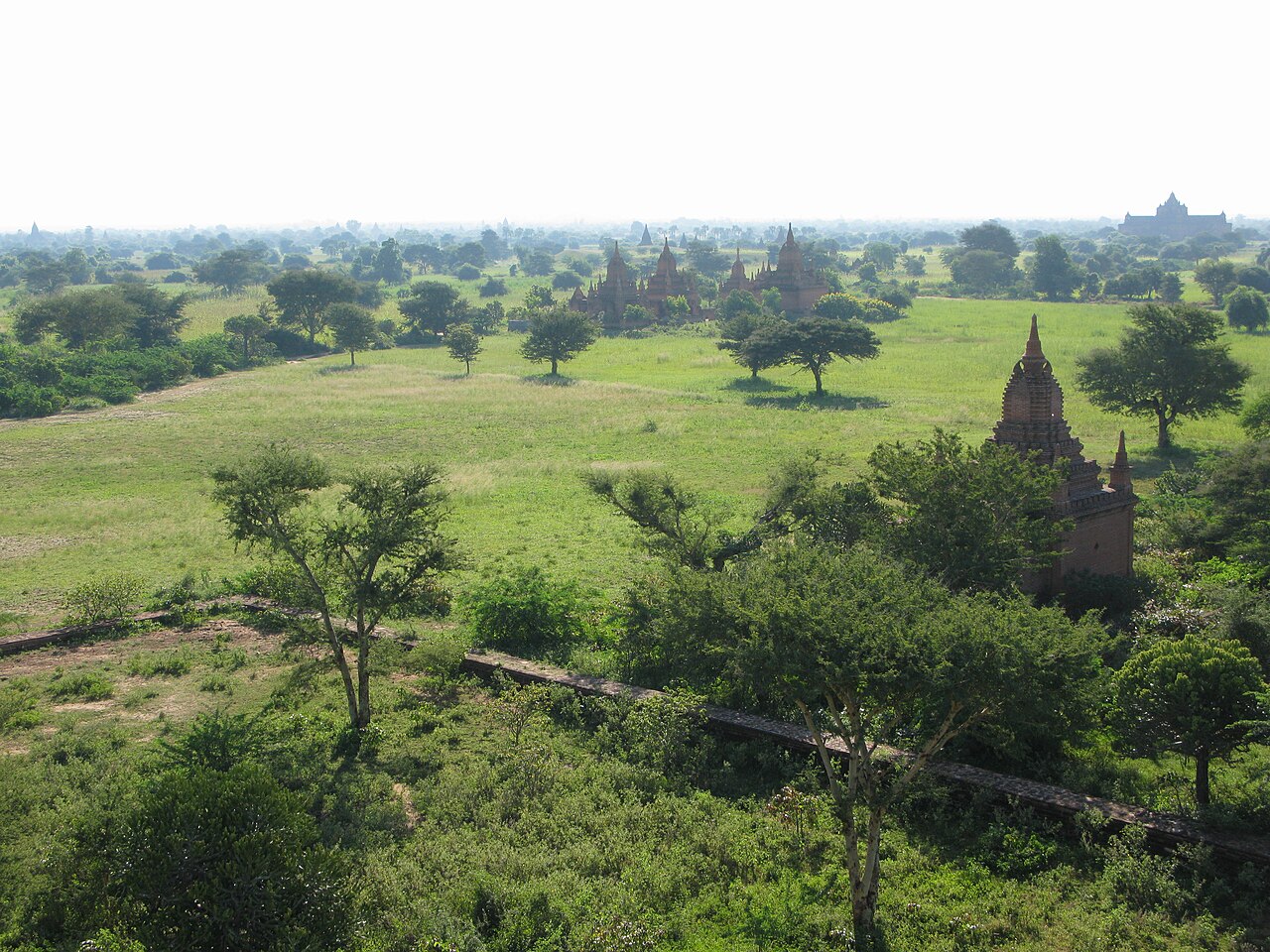
When a region contains multiple plains, they can be linked by a pass, sometimes called a gap. Coastal plains typically rise from sea level until they meet elevated features like mountains or plateaus. Plains can originate from flowing lava, from the deposition of sediment by water, ice, or wind, or from erosion by these same agents acting on hills or mountains. The natural vegetation on plains varies widely, encompassing biomes such as temperate or subtropical grasslands, semi-arid steppes, tropical savannahs, polar tundra, and in some cases, deserts.
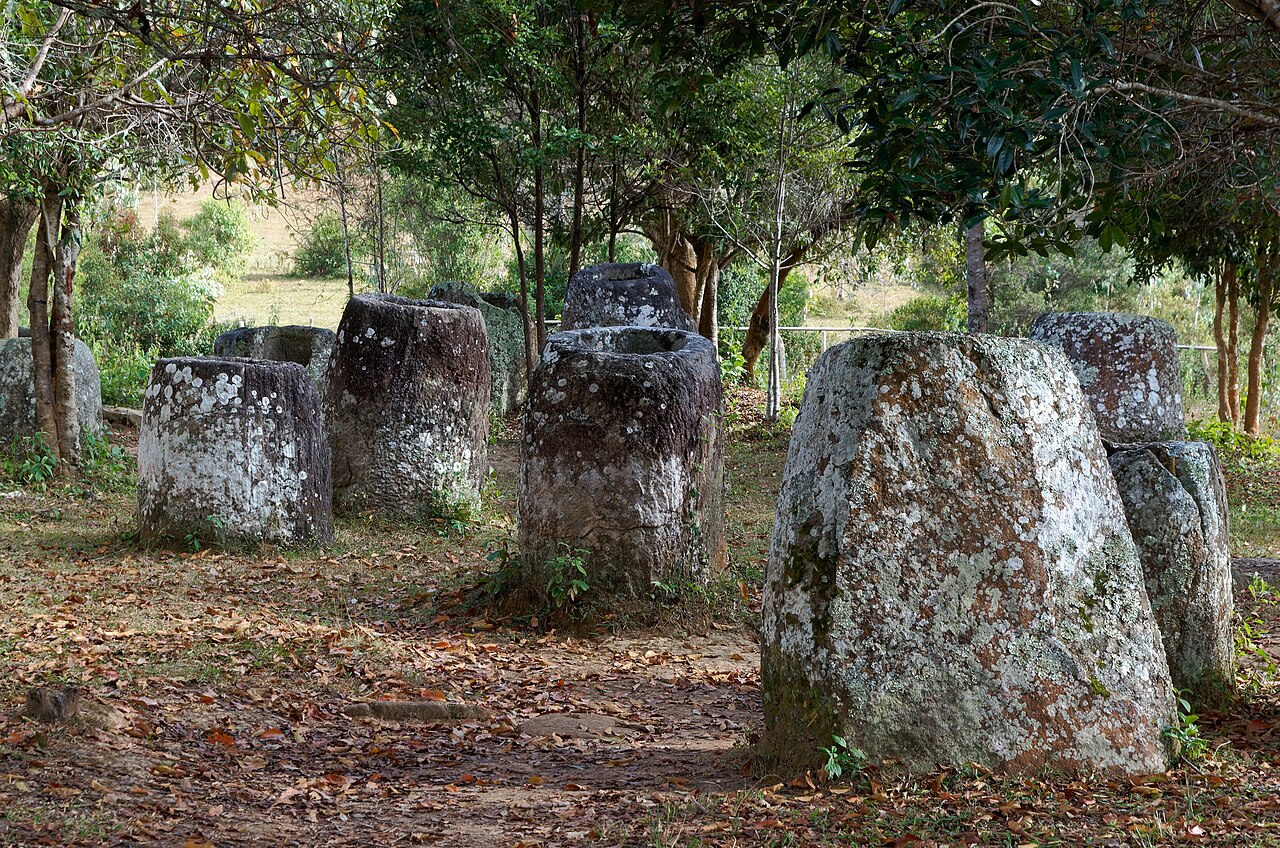
Plains are often vital for agriculture: where soils have been deposited as sediments, they can be deep and fertile, and the flat terrain makes mechanized crop production easier; additionally, the grasslands they support provide good grazing for livestock. Different types of plains exist, including depositional plains like abyssal plains on the ocean floor, alluvial plains formed by river sediment, flood plains adjacent to water bodies, scroll plains where rivers meander with low gradient, glacial outwash plains and till plains, lacustrine plains that were once lake beds, and lava plains. Erosional plains, leveled by running water, rivers, wind, or glaciers, are called peneplains when nearly flat, while those shaped by wind are termed pediplains. Structural plains are relatively undisturbed, horizontal surfaces that form some of the most extensive natural lowlands on Earth.
Quick Facts
- Field
- Geography
- Known for
- Major landform covering more than one-third of Earth's land area; important for agriculture
- Types
- Depositional
- erosional
- and structural plains
Facts from the source article.
Lore & Background
Plains are defined as flat expanses of land with few rapid or steep changes in elevation. They can be found as lowlands along valleys or at the base of mountains, as coastal plains, and as plateaus or uplands. In a valley, a plain is enclosed on two sides, but in other cases it may be delineated by a complete or partial ring of hills, mountains, or cliffs.
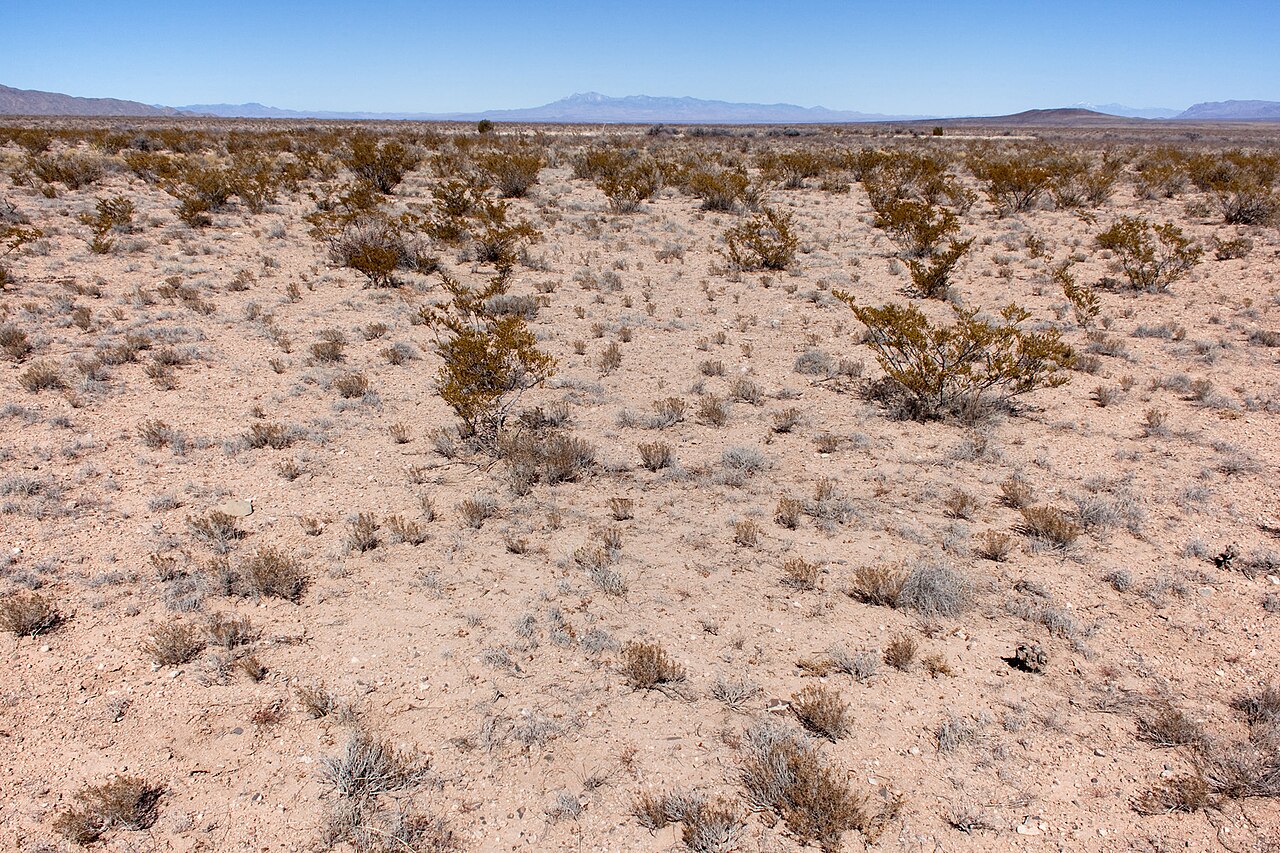
Plains can be formed from flowing lava; from deposition of sediment by water, ice, or wind; or by erosion from hills or mountains. There are various types of plains. Depositional plains include abyssal plains on the ocean floor, alluvial plains formed by rivers, glacial plains formed by glaciers, lacustrine plains that were once lake beds, and lava plains. Erosional plains have been leveled by agents such as running water, rivers, wind, and glaciers, resulting in peneplains or pediplains.
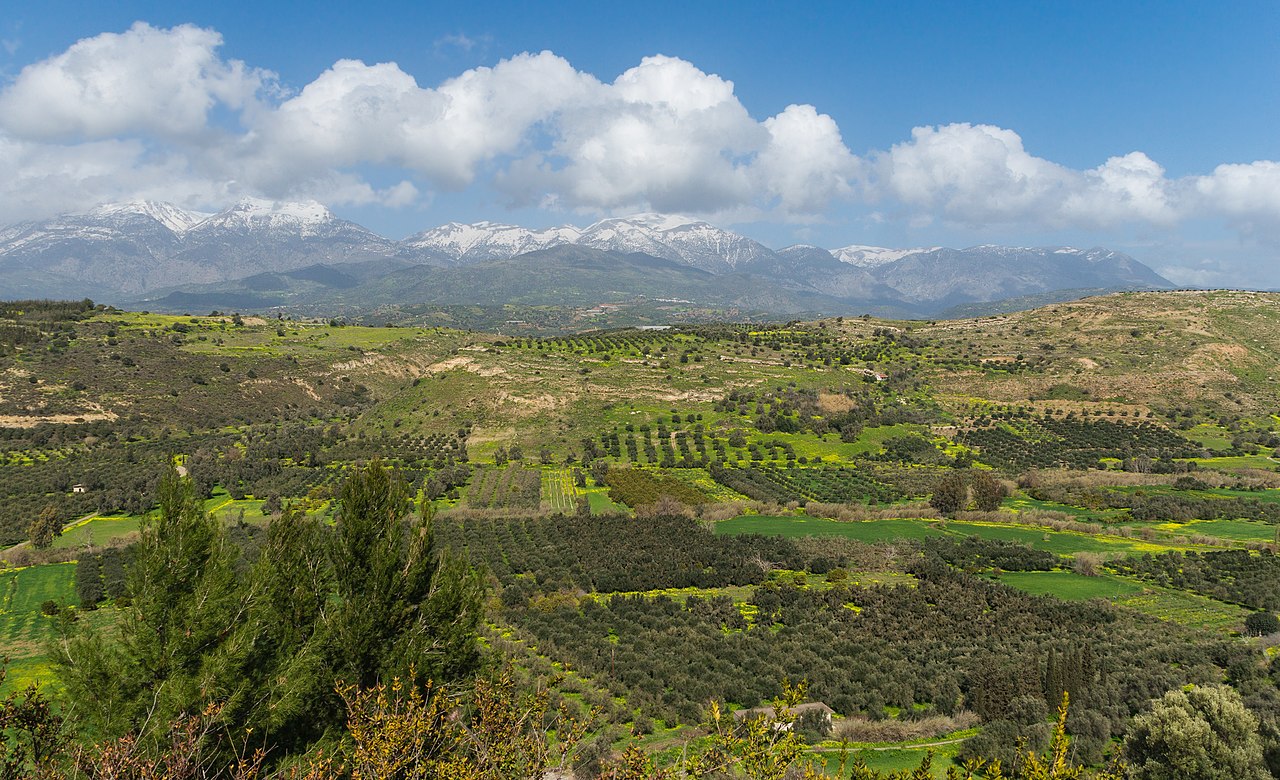
Structural plains are relatively undisturbed horizontal surfaces that are structurally depressed areas of the Earth. Natural vegetation on plains includes prairies, grasslands, forests, savannah, tundra, and desert biomes. Plains in many areas are important for agriculture because where soils were deposited as sediments they may be deep and fertile, and the flatness facilitates mechanization of crop production, or because they support grasslands that provide good grazing for livestock.
Reader's Guide
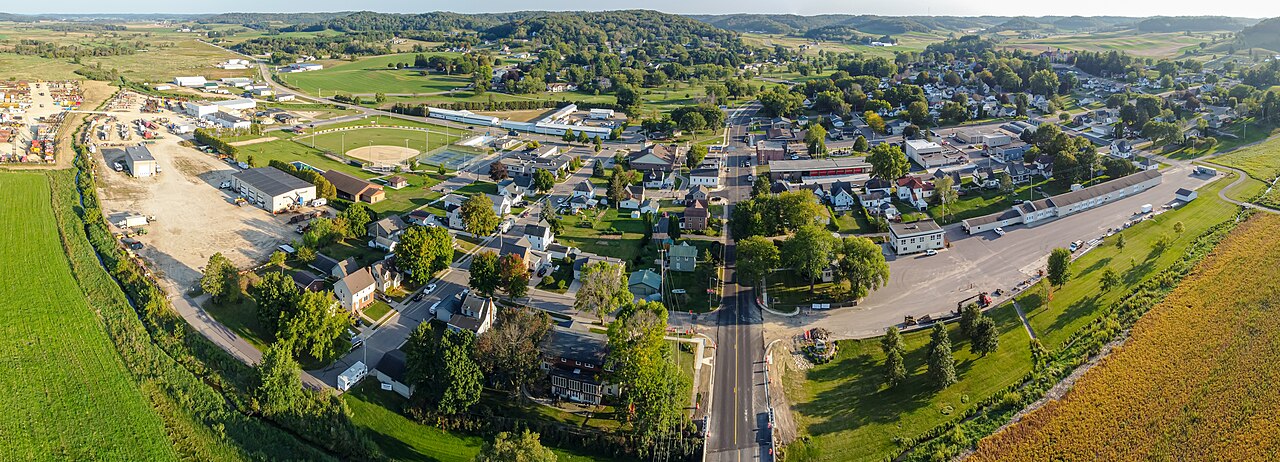
Plains are significant as one of the major landforms on Earth, covering more than one-third of the world's land area and present on all continents. Their flatness and fertile soils, often derived from sediment deposition, make them crucial for agriculture, supporting both crop production and livestock grazing. The variety of plains—depositional, erosional, and structural—reflects diverse geological processes, including river deposition, glacial activity, lava flows, and erosion.
Plains also host multiple biomes, from grasslands and savannahs to tundra and deserts, influencing global ecosystems. Notable examples range from the Great Plains of North America and the Pampas of South America to the Indo-Gangetic Plains of Asia and the European Plain. Their role in human settlement and food production underscores their enduring importance.
More in Geology & Earth Surface
Sources
Compiled from Wikipedia and the sources listed below. Text from Wikipedia is available under CC BY-SA 4.0; this entry is adapted from it.
- Wikipedia: Plain (CC BY-SA 4.0).
- Word definitions: the Codexery glossary, each quoted from its Wikipedia article.
Spotted an error? Know more?
Reader corrections go straight into our review queue. Suggest an edit · How this site is sourced