
Schist
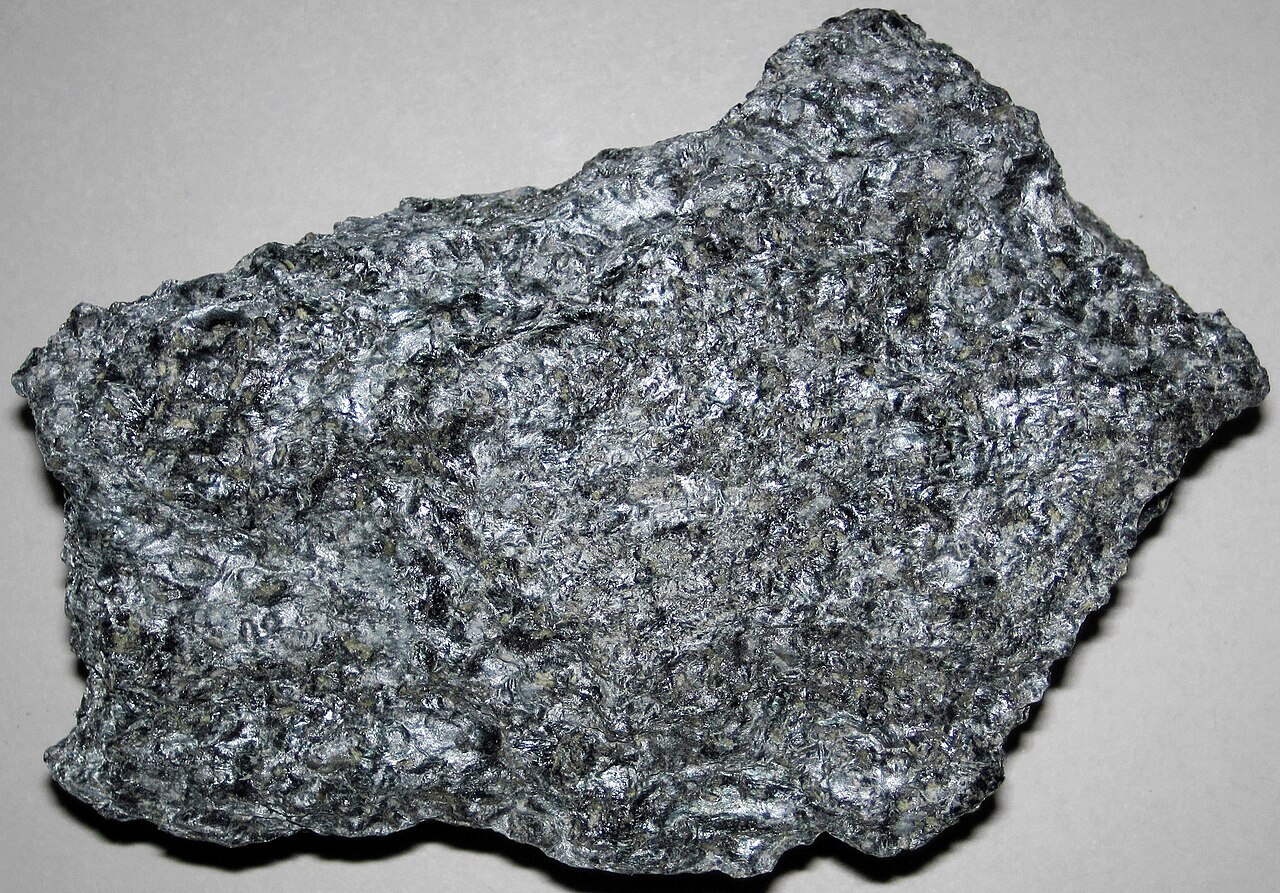
Medium-grained metamorphic rock with pronounced schistosity.
Last updated

James St. John · CC BY 2.0
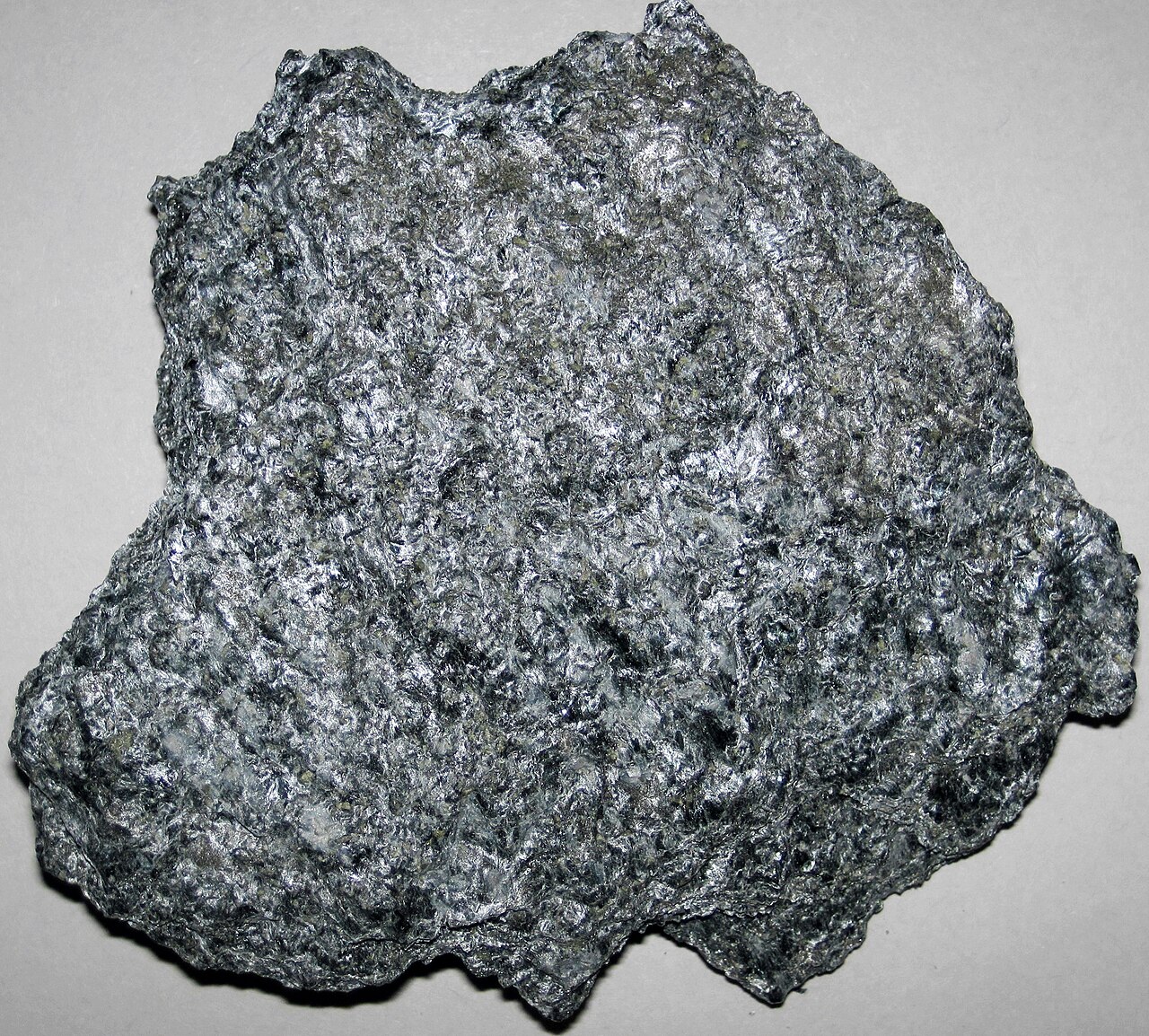
Schist is a medium-grained metamorphic rock defined by its pronounced schistosity, a type of foliation that allows the rock to split easily into thin flakes or slabs. This texture results from a high content of platy minerals such as mica, talc, chlorite, or graphite, which are often interleaved with more granular minerals like feldspar or quartz. The mineral grains in schist are typically large enough to be seen with a low-power hand lens, and over half of them show a preferred orientation. Schist forms primarily during regional metamorphism associated with mountain building (orogeny) and usually reflects a medium grade of metamorphism.
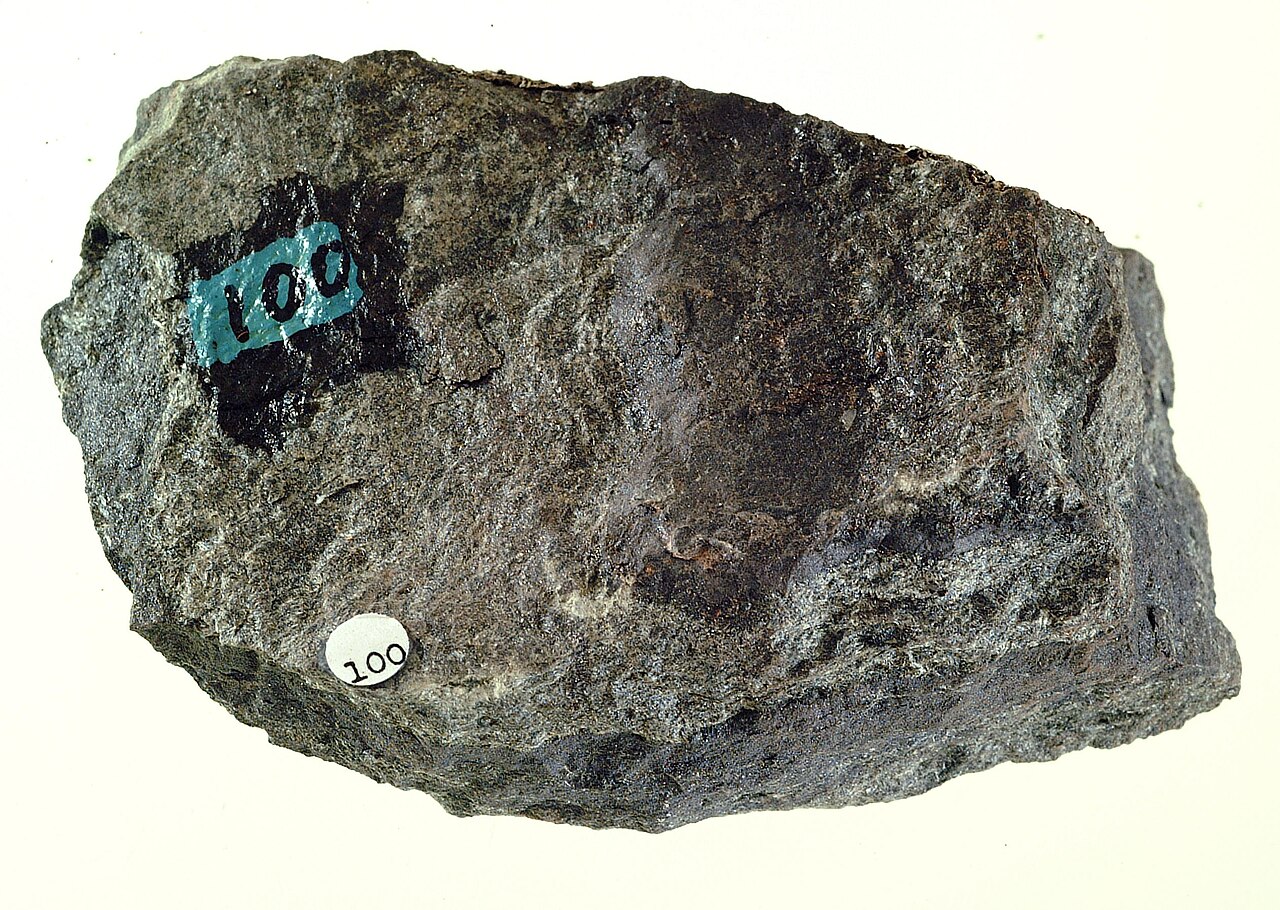
It can develop from many different protoliths, including sedimentary rocks like mudstone and igneous rocks such as tuffs. Mica schist, derived from mudstone, is particularly common. When the protolith is known, the rock is named accordingly, such as schistose metasandstone; otherwise, the names of constituent minerals are used, for example, quartz-feldspar-biotite schist.
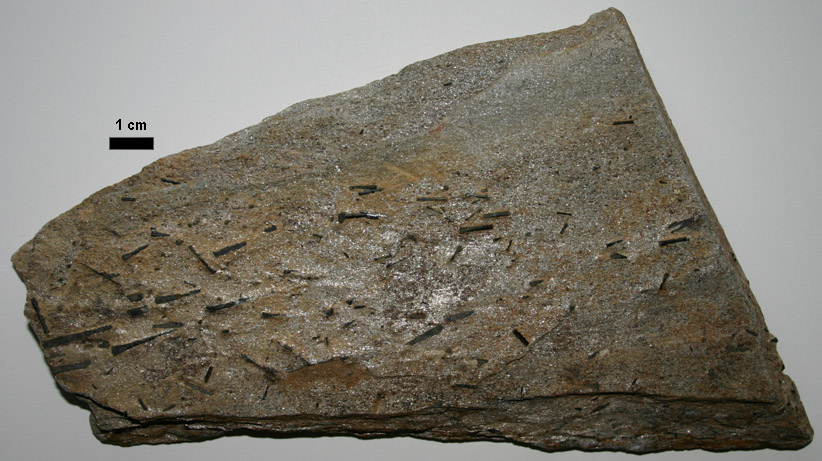
Schists often contain porphyroblasts of distinctive minerals like garnet, staurolite, or kyanite. The word schist comes from the Greek schízein, meaning "to split." Before the mid-19th century, the terms slate, shale, and schist were not sharply distinguished. Geologists now define schist by its texture, not composition, and it is one of three divisions of metamorphic rock by texture, alongside gneiss and granofels.
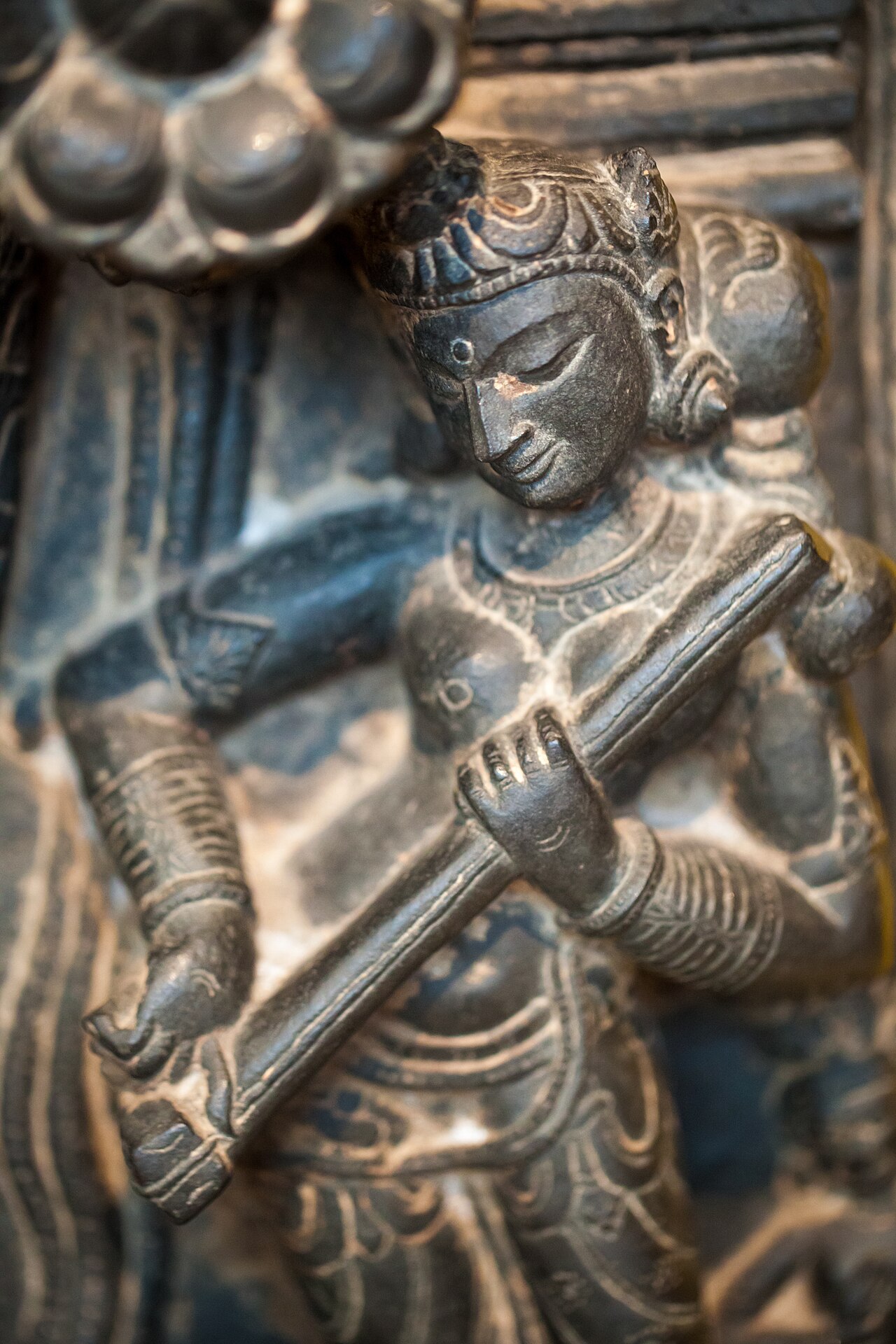
Schistosity develops under nonhydrostatic stress, perpendicular to the direction of greatest compression, as platy minerals are rotated or recrystallized into parallel layers. The composition must permit abundant platy minerals; for instance, clay in mudstone metamorphoses to mica. Further metamorphism can convert schist into gneiss. Schist bedrock poses challenges for civil engineering due to its pronounced planes of weakness.
Quick Facts
- Type
- Metamorphic rock
- Key texture
- Schistosity (pronounced foliation)
- Common minerals
- Mica
- talc
- chlorite
- graphite
- feldspar
- quartz
- Protolith examples
- Shale
- mudstone
- tuff
- ultramafic igneous rocks
Facts from the source article.
Lore & Background
Schist derives its name from the Greek word σχίζειν (schízein), meaning 'to split,' referencing the ease with which it splits along planes of platy minerals. Before the mid-19th century, terms like slate, shale, and schist were not sharply differentiated by miners. Geologists now define schist as a medium-grained metamorphic rock with well-developed schistosity, where mineral grains are typically 0.25 to 2 millimeters in size and over half show a preferred orientation. Schistosity develops perpendicular to the direction of greatest compression during regional metamorphism, as platy minerals are rotated or recrystallized into parallel layers.
Reader's Guide
Schist is significant as one of the three main textural divisions of metamorphic rock, alongside gneiss and granofels. Its defining feature is schistosity, a thin layering that allows the rock to be split into flakes or slabs less than 5 to 10 mm thick, resulting from abundant platy minerals like mica, chlorite, talc, or graphite being strongly oriented in a preferred direction. This texture develops under nonhydrostatic stress during regional metamorphism, typically in mountain-building belts, and reflects a medium grade of metamorphism. Schist can form from various protoliths, including sedimentary rocks like mudstone and igneous rocks like tuffs, and is named based on mineral content or protolith when known; for example, a quartz-feldspar-biotite schist lists minerals in decreasing abundance.
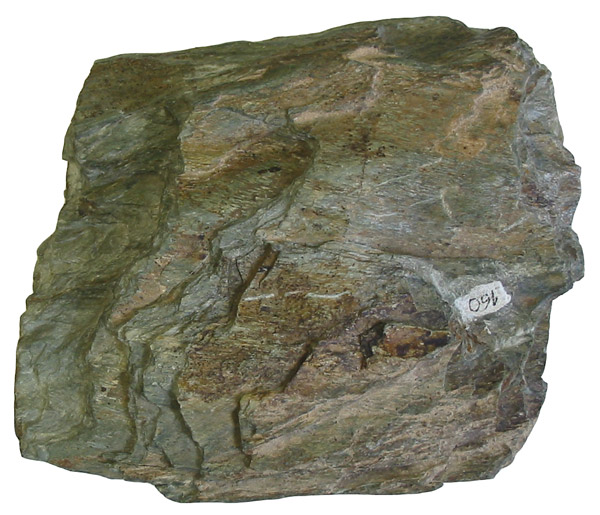
The rock’s ability to host porphyroblasts of minerals such as garnet, staurolite, or kyanite makes it important for studying metamorphic conditions. In civil engineering, schist bedrock poses challenges due to its pronounced planes of weakness. Its legacy lies in its use as a key indicator of medium-grade metamorphism, with early stages converting mudstone to slate and phyllite before forming mica schist, and further metamorphism turning it into gneiss.
Frequently Asked Questions
Who is Schist?
Schist is a medium-grained metamorphic rock defined by its distinctive foliated texture called schistosity, which lets it split readily into thin plates or flakes. Its individual mineral grains range from roughly 0.25 to 2 millimeters and are visible with a simple hand lens.
What minerals are in Schist's entourage?
Common mineral companions include mica, talc, chlorite, graphite, feldspar, and quartz, though the exact assemblage depends on the original protolith composition. Schist is classified by its foliated texture rather than by any single mineral content.
More in Geology & Earth Surface
Sources
Compiled from Wikipedia and the sources listed below. Text from Wikipedia is available under CC BY-SA 4.0; this entry is adapted from it.
- Wikipedia: Schist (CC BY-SA 4.0).
- Word definitions: the Codexery glossary, each quoted from its Wikipedia article.
Spotted an error? Know more?
Reader corrections go straight into our review queue. Suggest an edit · How this site is sourced