Tap water
Tap water is water supplied through a tap or valve.
Last updated

Suzeen Simon · CC BY-SA 4.0
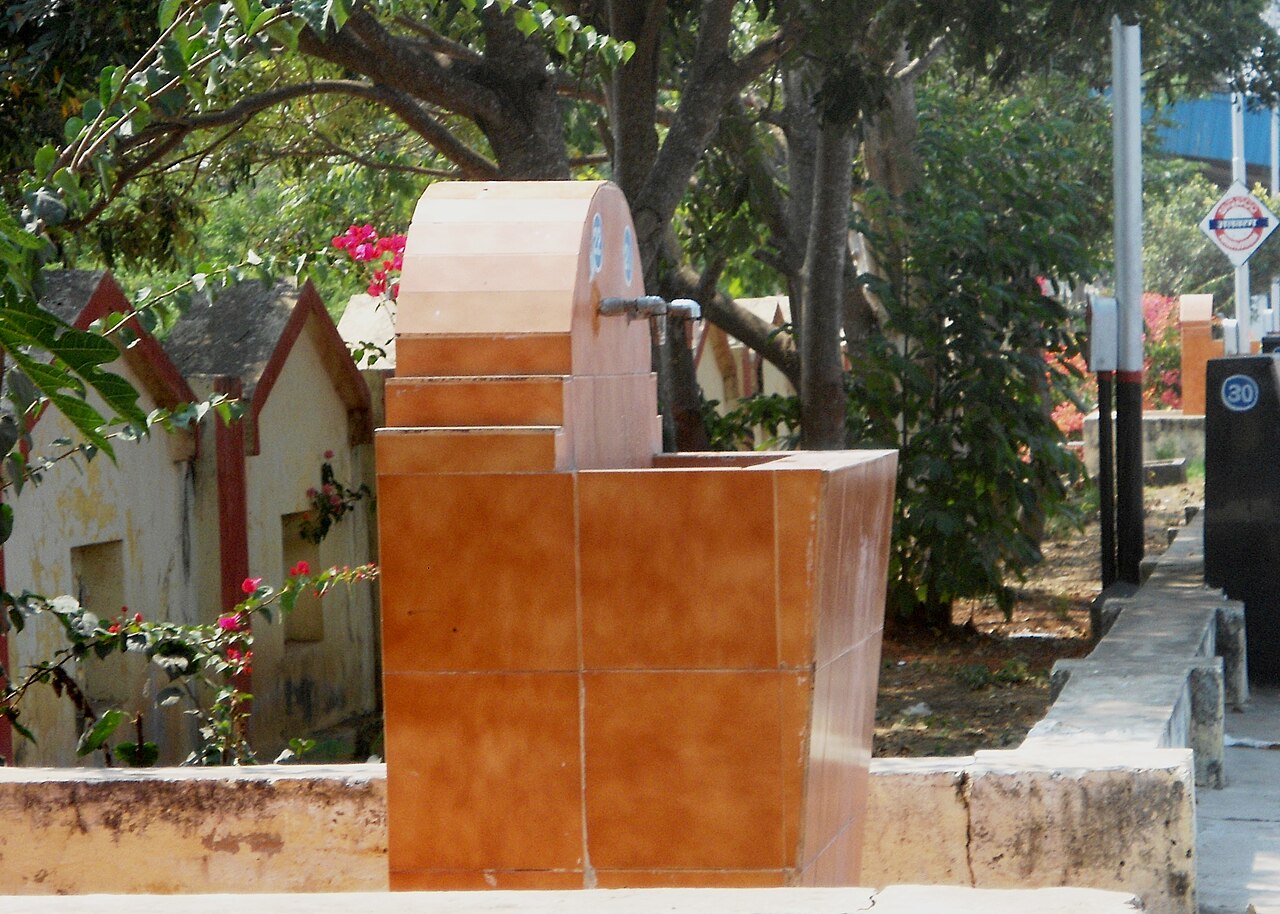
Tap water, also known as running water, piped water, or municipal water, is water supplied through a tap or water dispenser valve. In many countries, tap water usually has the quality of drinking water and is commonly used for drinking, cooking, and washing. Indoor tap water is distributed through indoor plumbing, which has existed since antiquity but became widespread only in the second half of the 19th century in what are now developed countries, and became common in many regions during the 20th century.
Quick Facts
- Field
- Water supply and sanitation
- Related terms
- Piped water, improved water source
- Common uses
- Drinking
- cooking
- washing
Facts from the source article.
Lore & Background
Tap water has been distributed through indoor plumbing since antiquity, but for most of history it was available to very few people. It began to spread in popularity in the second half of the 19th century in what are now developed countries, and became common in many regions during the 20th century.
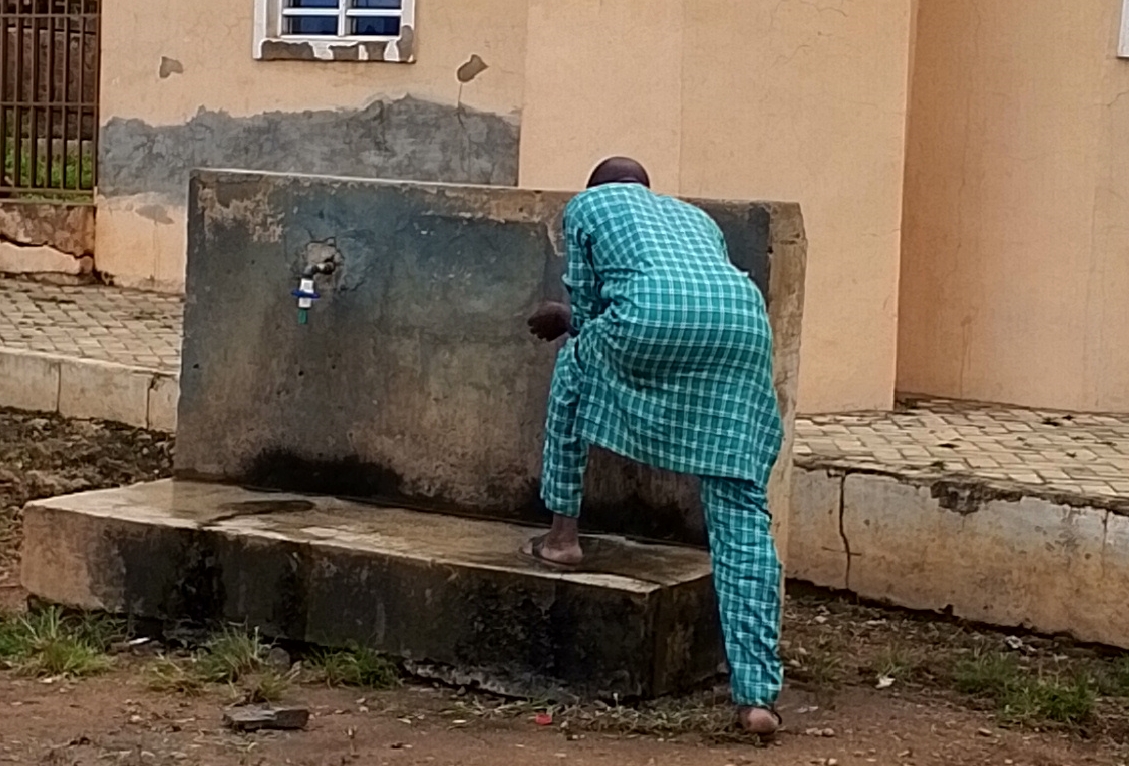
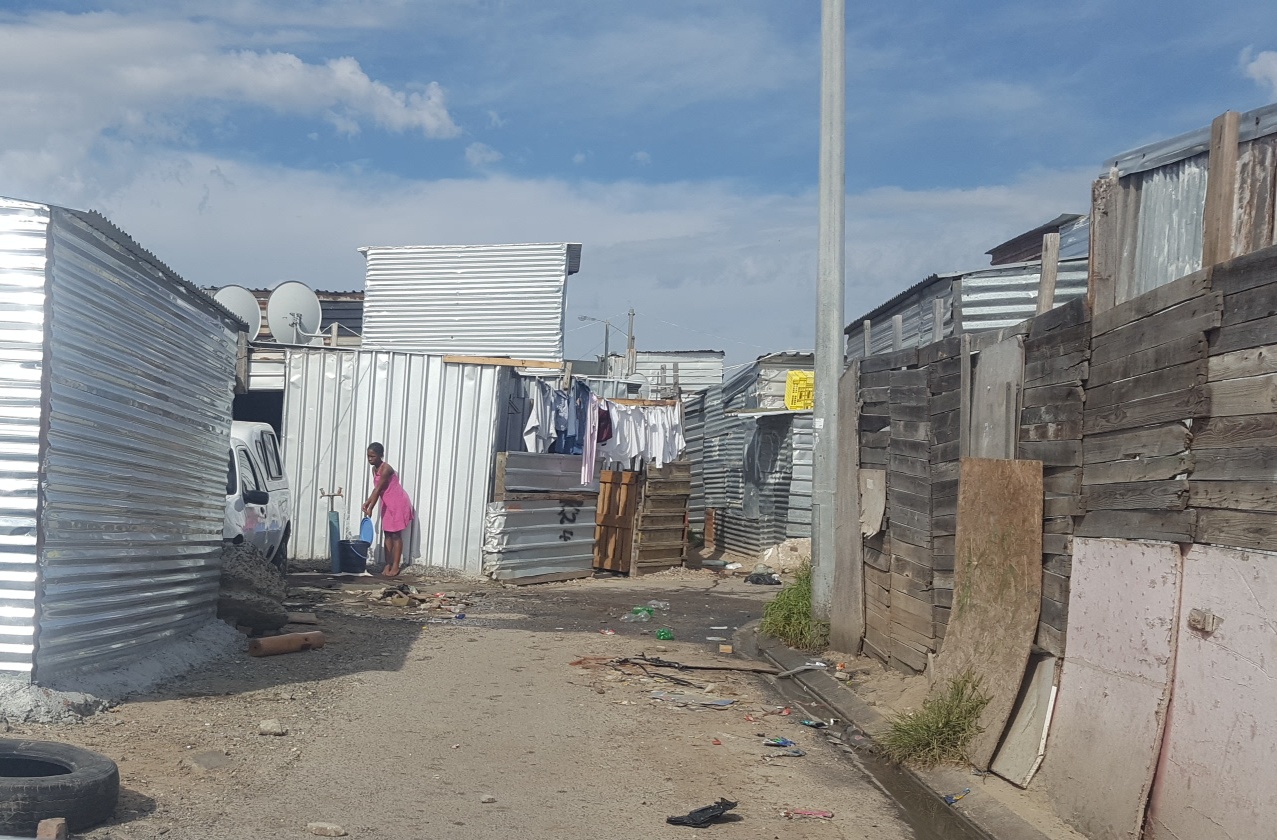
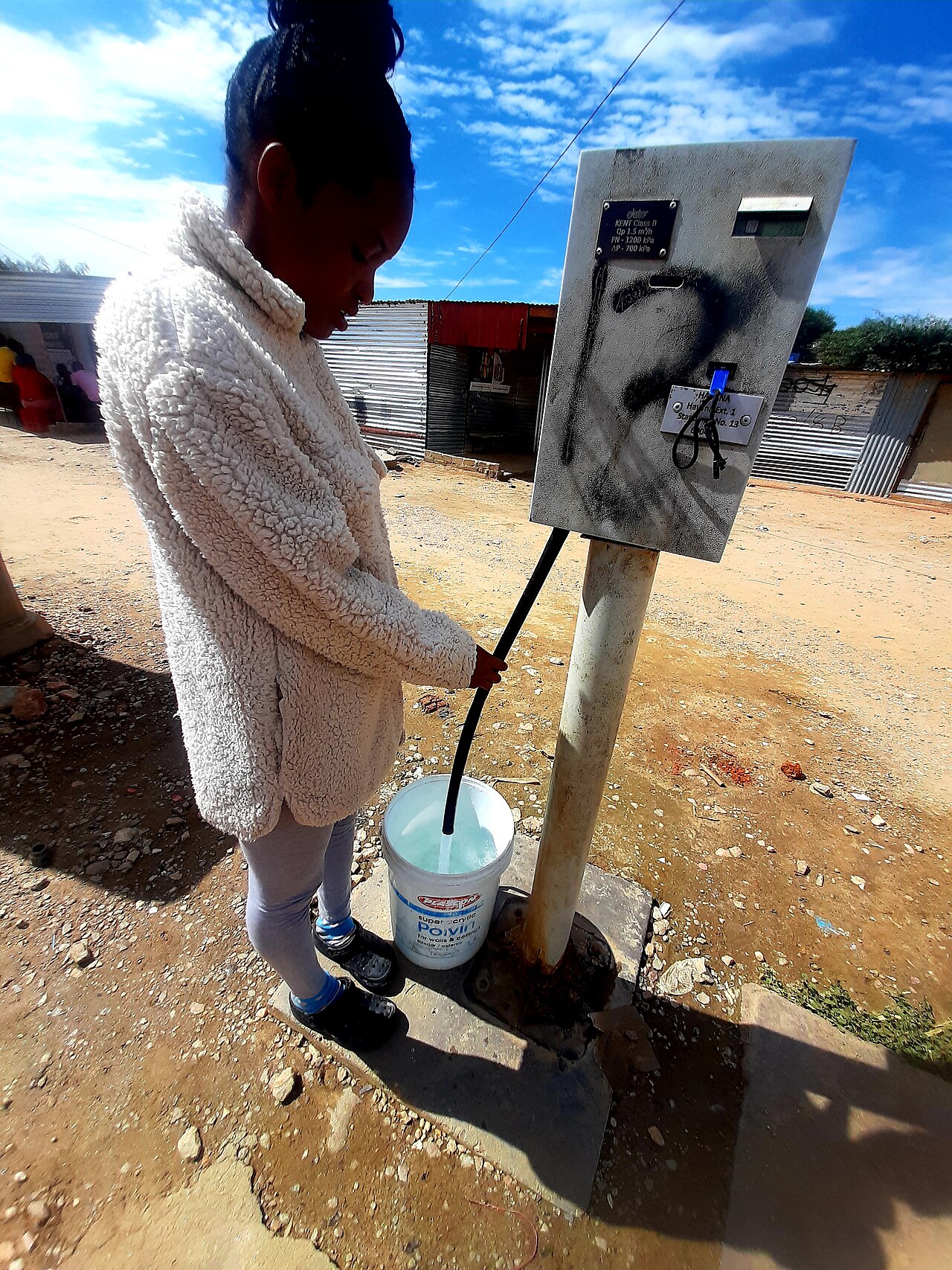
Today, tap water is lacking mainly among people in poverty, especially in developing countries. Governmental agencies commonly regulate tap water quality. The term 'tap water' distinguishes it from other fresh water sources such as rainwater-collecting cisterns, village or town pumps, wells, or water carried from streams, rivers, or lakes.
Reader's Guide
Tap water is a fundamental component of modern water distribution systems, delivering clean and potable water to service points. Its significance lies in its role in public health: historically, contamination of drinking water has been one of the largest sources of human fatalities.
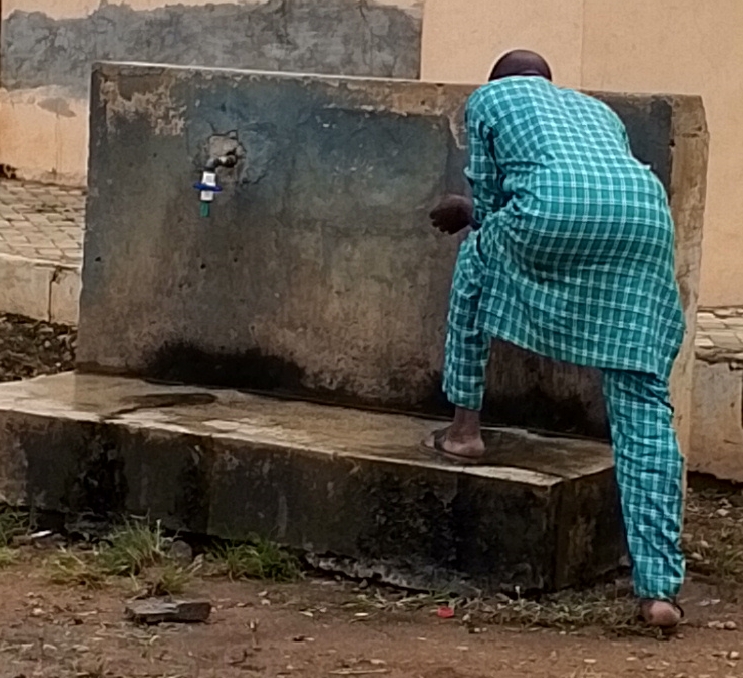
Modern plumbing aims to prevent contamination by wastewater, though complicated physical, chemical, and biological factors within distribution systems can still cause contamination. The Joint Monitoring Programme (JMP) by WHO and UNICEF uses the term 'piped water' to describe access to drinking water in developing countries, counting it as an 'improved water source' under Sustainable Development Goal 6, even if not necessarily of drinking water quality. Preferences for tap versus bottled water are guided by taste, perceived safety, and personal habits; negative sensory traits in tap water encourage higher bottled water consumption, contributing to environmental issues such as transportation emissions and buildup of non-degradable plastics.
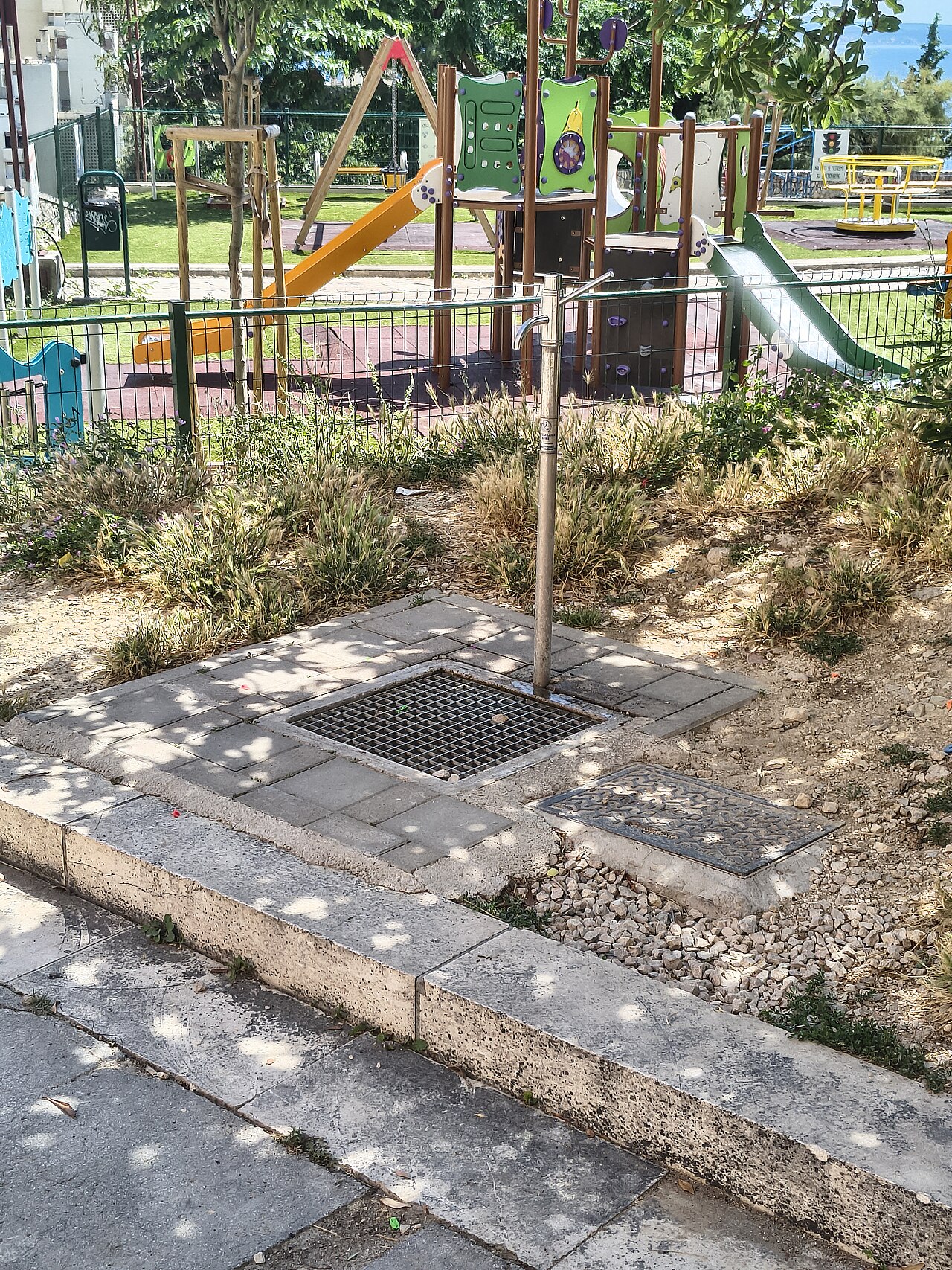
Did You Know?
- Tap water can sometimes appear cloudy due to air bubbles coming out of solution from changes in temperature or pressure; the cloudiness disappears quickly as the gas is released.
- Lead pipes, installed mostly in the late 1800s in the US, are still common today in the Northeast and Midwest, though most are being replaced with copper or plastic.
- Water flow through a tap can be reduced by inexpensive small plastic flow reducers, aiding water conservation and reducing burden on supply and treatment facilities.
- The movement of water to consumers may require several hours or even days, leading to what is known as 'water age,' which represents the system’s hydraulic retention time.
Frequently Asked Questions
What exactly is tap water?
Tap water is the water that flows out of a faucet or valve in a home or building, delivered through a network of pipes. It goes by several other names, including running water, piped water, and municipal water.
What do people typically use tap water for in the kitchen?
In most developed countries, tap water is the default source for drinking, cooking, and washing dishes. It is generally treated to meet drinking-water quality standards set by local authorities.
What materials are tap water pipes made of?
Modern plumbing most commonly uses copper, plastic variants such as PE-X and PP-R, or PVC, while older installations may still contain galvanized steel. Lead was once a standard pipe material but has been phased out because of its toxicity.
How long has indoor tap water been around?
Basic indoor plumbing traces back to antiquity, but widespread tap-water access in today's developed nations really took hold in the second half of the 19th century. By the 20th century, piped water had become a standard feature across many regions of the world.
Who oversees the quality of tap water?
Governmental agencies in most countries set and enforce safety standards to ensure tap water is fit for consumption. This regulatory framework is what makes tap water the primary drinking-water source in developed nations.
More in Food & Drink
Sources
Compiled from Wikipedia and the sources listed below. Text from Wikipedia is available under CC BY-SA 4.0; this entry is adapted from it.
- Wikipedia: Tap water (CC BY-SA 4.0).
Spotted an error? Know more?
Reader corrections go straight into our review queue. Suggest an edit · How this site is sourced