Horror films in France
French horror films vary in content and style regionally.

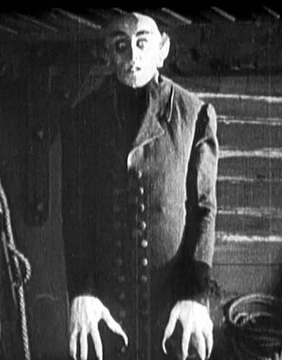
Horror films in France are part of the worldwide production of the horror genre, which has been produced globally with varying content and style between regions. The genre has existed since the silent era, with early classics like The Cabinet of Dr. Caligari and Nosferatu establishing its conventions long before the release of Dracula (1931). French horror films, like those of other countries, explore dark subject matter and may deal with transgressive topics or themes, including monsters, apocalyptic events, and religious or folk beliefs.
- Field
- Film genre
- Nationality
- French
- Known for
- Producing horror films with regional variation in content and style
- Genre origin
- Silent era (early 20th century)
- Codified genre
- Already established in the silent era with films like The Cabinet of Dr. Caligari and Nosferatu
Lore & Background
Horror films have existed since the silent era, with early inspirations including folklore, religious beliefs, and Gothic literature. The genre was already established with films like The Cabinet of Dr. Caligari and Nosferatu, not after the release of Dracula (1931). French horror films are part of the worldwide production of the genre, which varies in content and style between regions. The genre is particularly prominent in the cinema of Japan, Korea, and Thailand, among other countries, but France also contributes to the global horror film landscape.
Reader's Guide
French horror films are significant as part of the global horror genre, which has been produced worldwide with regional variation. The genre has seen major commercial success, influenced society, and generated popular culture icons, despite being subject to social and legal controversy. Horror films often serve as a safe space for viewers to confront and process their fears, providing psychological relief and a sense of empowerment. The communal experience of watching horror films in theaters or discussing them in fan communities plays a crucial role in the genre's impact and popularity. French horror films contribute to this global phenomenon, though specific French examples are not detailed in the source article.
Did You Know?
- The genre was already codified in the silent era, not after the release of Dracula (1931).
- Horror films have been produced worldwide, varying in content and style between regions.
- Despite controversy, some horror films have seen major commercial success and influenced society.
Roots and Recurring Fears
Hindi-language horror cinema is not a recent invention but a thread woven into the fabric of Indian film from its earliest days. As a recognized subgenre of the Hindi film industry, it has existed since the very birth of Hindi films, meaning the tradition of crafting fear on screen in this language stretches back to the foundational era of Indian cinema. Rather than developing an entirely isolated visual vocabulary, these productions tend to draw upon and mimic the characteristics and themes that define horror storytelling around the world. The narrative territory they explore is remarkably consistent: haunted houses loom over characters, evil spirits haunt the periphery of ordinary life, and demonic forces serve as the ultimate antagonists. These motifs, among others, form a recognizable thematic toolkit that audiences in India and beyond can immediately identify. The result is a subgenre that feels both globally connected and locally rooted, borrowing universal fears while embedding them in the specific cultural context of Hindi-language storytelling.
Raaz: The Benchmark of Bollywood Horror
Among the many entries in the long catalogue of Hindi horror, one title stands apart with a distinction that few others have achieved: Raaz, released in 2002. The film has been widely recognized as the best horror film in Bollywood history, a designation that rests on three pillars of achievement. First, its popularity with general audiences was substantial enough to make it a cultural touchstone. Second, it earned critical acclaim, suggesting that its craft and storytelling resonated well beyond mere box-office appeal. Third, and perhaps most significantly, it generated a franchise legacy, meaning the story and its characters were revisited and expanded in subsequent installments, cementing its place in the industry's collective memory. In a subgenre where individual films often appear and disappear without leaving a lasting mark, Raaz carved out a permanent identity. It demonstrated that a Hindi-language horror picture could achieve the kind of sustained cultural weight and commercial durability typically associated with larger franchise properties in other genres.
Bipasha Basu and the Scream Queen Title
In any discussion of Hindi horror cinema, one name surfaces with particular frequency: Bipasha Basu. She has been popularly recognized as the Scream Queen of Indian cinema, a title that reflects not a single breakout performance but rather a sustained and prolific body of work within the genre. Her claim to this distinction rests on a frequent and successful list of horror movies, meaning she returned to the subgenre again and again, and those films found audiences willing to follow her into the dark. This consistency is notable in an industry where actors often treat genre work as a brief detour between mainstream projects. For Basu, horror became a defining lane, one in which she built a recognizable screen persona associated with fear, suspense, and the supernatural. Her repeated association with the genre helped normalize and popularize Hindi horror for broader audiences, giving the subgenre a familiar face that viewers could trust to deliver the thrills and chills they sought.
A Subgenre Within a Larger Ecosystem
The catalogue of Hindi-language horror films does not exist in isolation; it is one node in a dense web of related content lists that map the broader landscape of Indian cinema. Alongside the dedicated list of Indian horror films in Hindi, viewers and researchers can turn to companion resources such as lists of Hindi horror shows, Bollywood thriller films, and Bollywood comedy films, each of which shares thematic or structural DNA with the horror subgenre. The horror shows list, in particular, suggests that the appetite for fear and suspense extends beyond the theatrical format into serialized television. The thriller and comedy lists, meanwhile, highlight how closely horror in Hindi cinema often overlaps with adjacent genres, blurring the lines between a pure horror picture and a thriller with supernatural elements or a dark comedy with ghostly undertones. Together, these interconnected lists paint a picture of a film industry in which horror is not a marginal curiosity but a well-recognized and cross-pollinating strand of the Hindi-language content ecosystem.
More in French horror films 1-24
Spotted an error? Know more?
Reader corrections go straight into our review queue. Suggest an edit · How this site is sourced