Thai tea
A sweet Thai drink made from black tea, milk, and sugar.
Last updated

Wikimedia Commons · CC BY-SA 4.0
Thai tea (ชาไทย, cha thai) is a beverage from Thailand made with Ceylon black tea, milk, and sugar. It can be enjoyed hot or cold and is widely consumed in Southeast Asia, commonly served at Thai restaurants. The cold version is called Thai iced tea (ชาเย็น, cha yen). Unlike many English-language recipes, the drink in Thailand is not typically brewed with spices like star anise or cardamom.
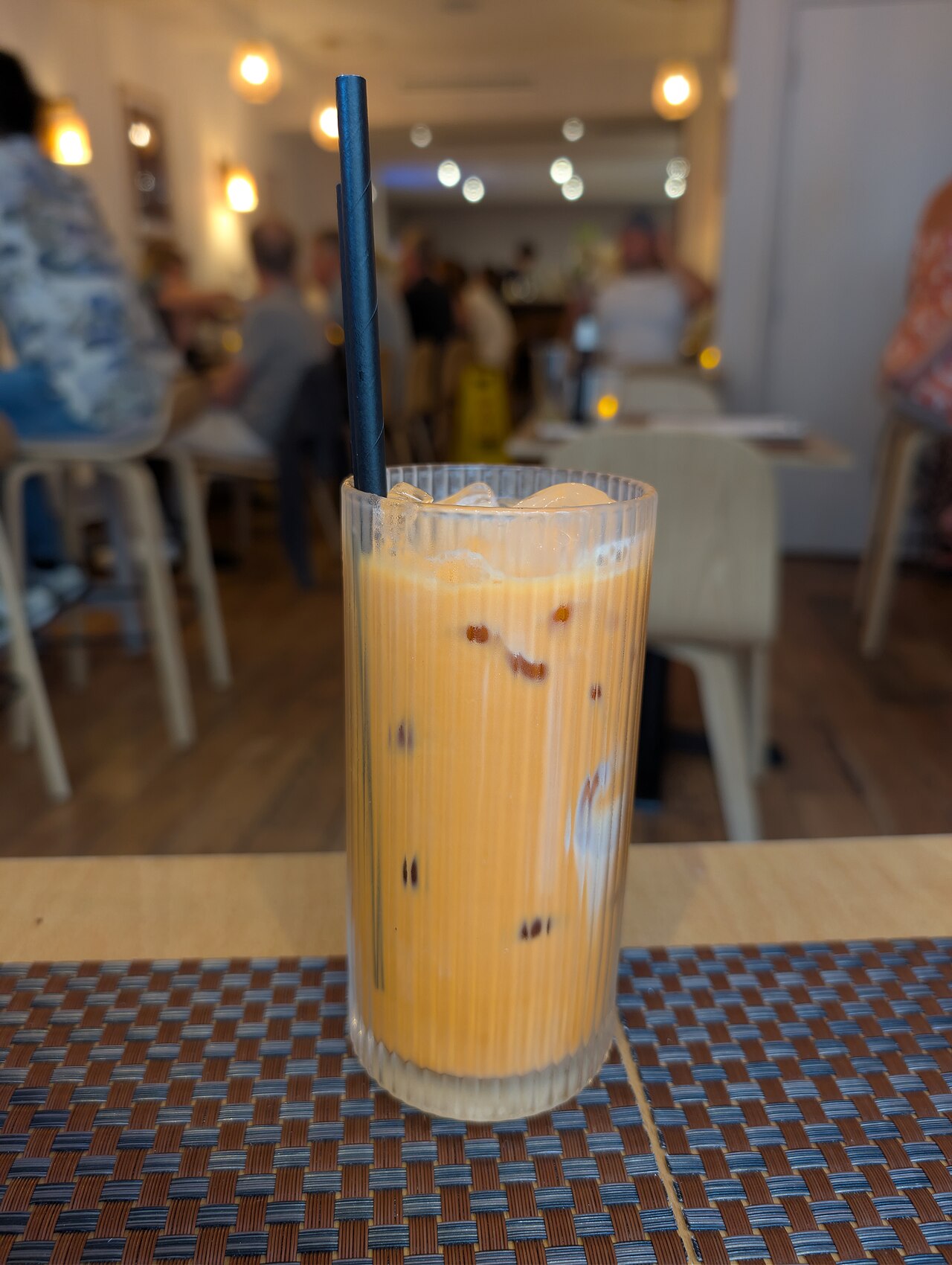
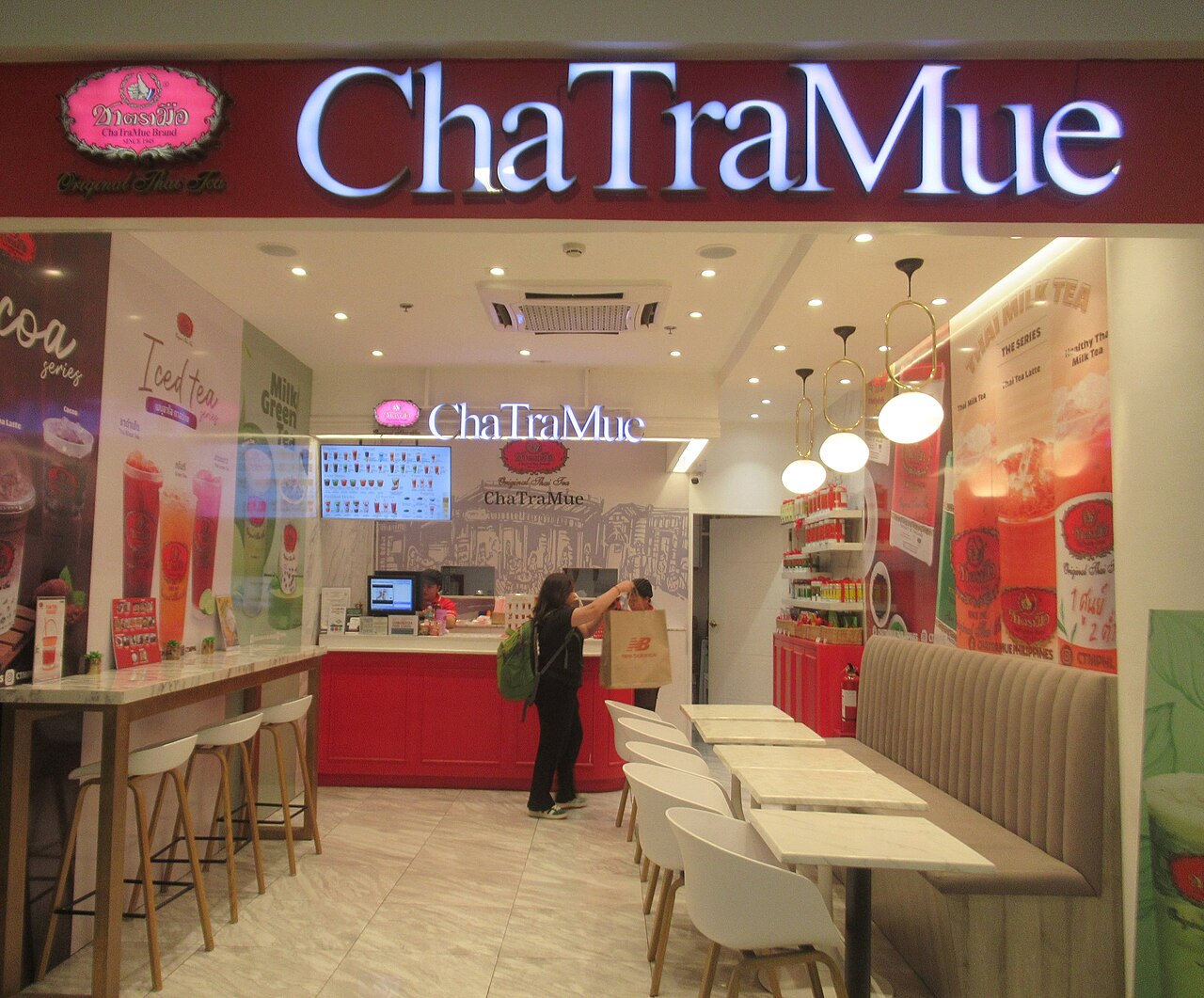
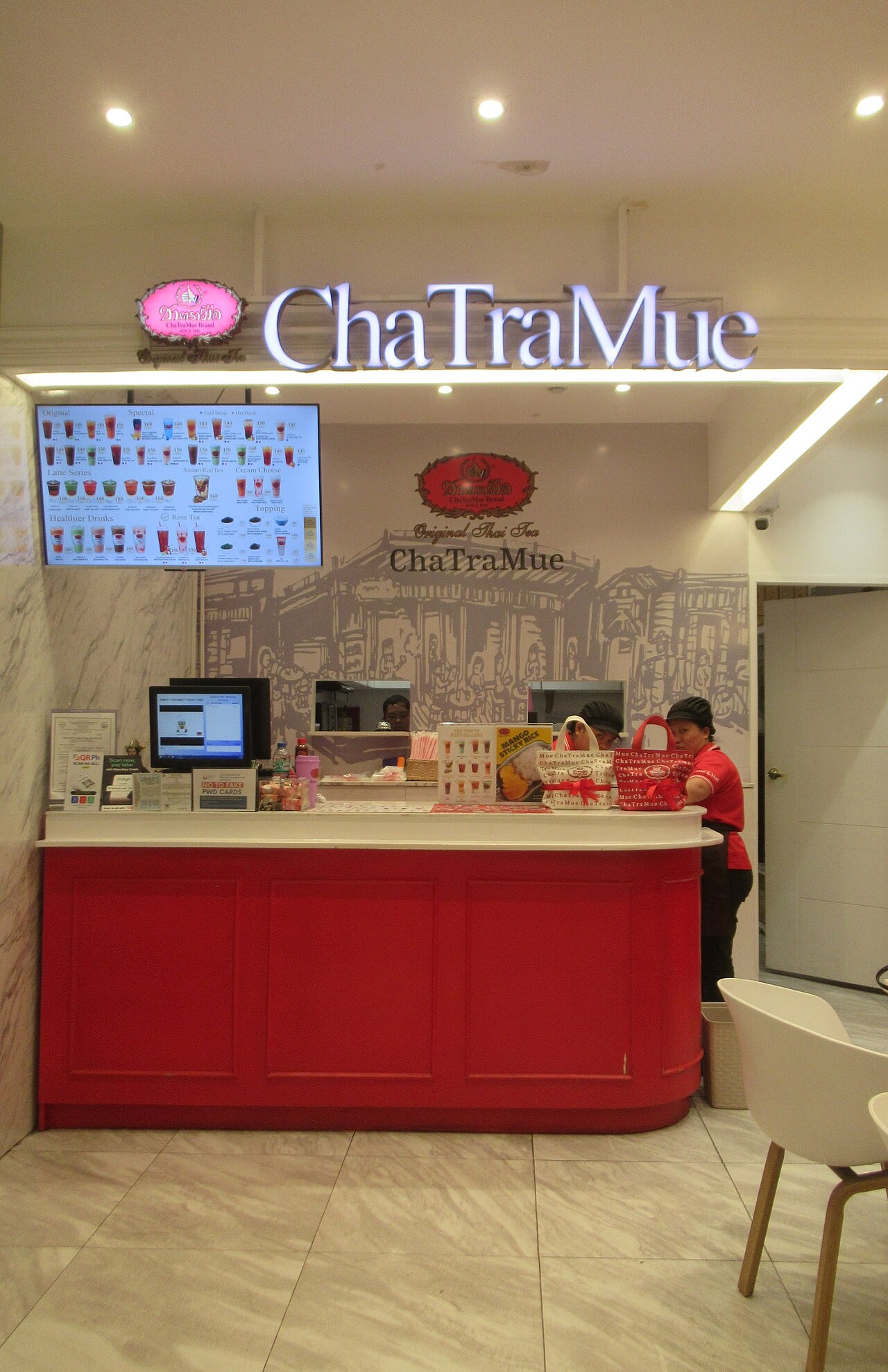
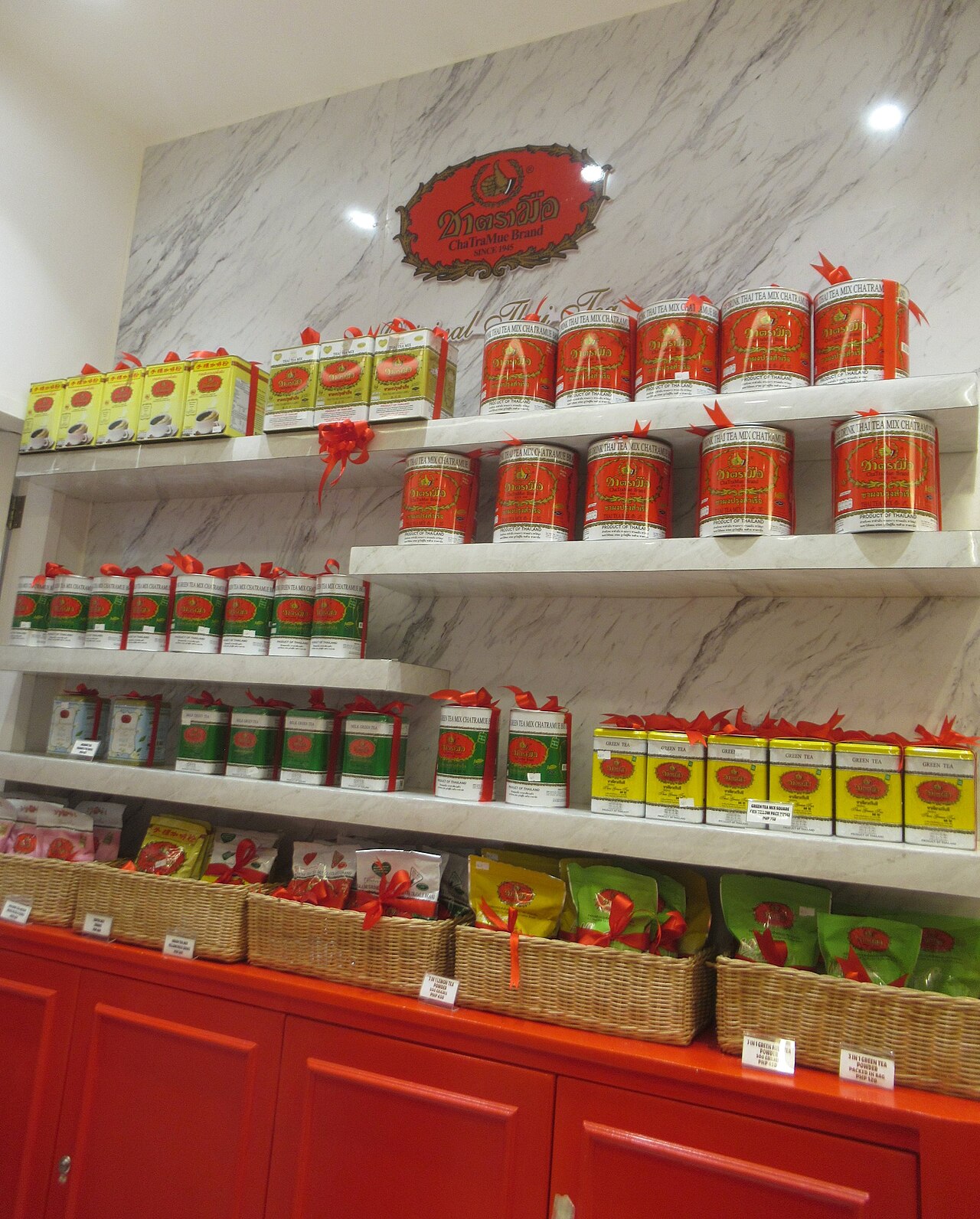
The base tea is often strongly brewed Ceylon tea or a local landrace of Assam known as bai miang (ใบเมี่ยง). The dominant brand, ChaTraMue, has helped popularize Thai tea internationally. It is sweetened with sugar and condensed milk, then chilled; evaporated or whole milk is added on top for flavor and a creamy look. In Thai restaurants, it is served in a tall glass, while street vendors may pour it over crushed ice in a plastic bag or cup.
Some vendors make it into a frappé, and tapioca pearls can be added for bubble tea. Variations include dark Thai iced tea (ชาดำเย็น, cha dam yen), which is served cold without milk and sweetened only with sugar, based on traditional Indian tea; lime Thai tea (ชามะนาว, cha manao), similar but flavored with lime and sugar, sometimes with mint; hot Thai tea (ชาร้อน, cha ron), served hot with milk and sugar; and dark Thai hot tea (ชาดำร้อน, cha dam ron), served hot without milk and sweetened only with sugar. Hot Thai tea is often drunk in the morning with pathongko (ปาท่องโก๋, fried dough strips). The term "Thai tea" can also refer to other teas, such as traditional herbal tea based on Thai medicine, or Thai Oolong tea, which is oolong steamed with ginger, lemongrass, and celery.
Quick Facts
- Type
- Beverage
- Origin
- Thailand
- Main ingredients
- Ceylon black tea
- milk
- sugar
- Served
- Hot or cold
- Also known as
- Thai iced tea (cold version)
- Dominant brand
- ChaTraMue
Facts from the source article.
Lore & Background
Thai tea is made from strongly brewed Ceylon tea or a locally grown landrace version of Assam known as bai miang. The dominant brand, ChaTraMue, has popularized the tea internationally.
The drink is sweetened with sugar and condensed milk, then served chilled, with evaporated milk or whole milk poured over the tea and ice. In Thai restaurants, it is served in a tall glass, while street vendors may pour it over crushed ice in a plastic bag or tall plastic cups. It can also be made into a frappé or combined with tapioca pearls to make bubble tea.
What Thai Tea Actually Is
Thai tea, known in Thai as cha thai, is a beverage built on a deceptively simple foundation: Ceylon black tea, milk, and sugar. Despite its name, the drink as it is prepared and consumed within Thailand does not typically call for spices. Yet many English-language recipes that draw inspiration from Thai tea have layered in aromatics like star anise or cardamom to push the flavor profile further, creating a version that diverges noticeably from the Thai original.
The drink can be enjoyed either hot or cold, and while the term "Thai tea" in everyday usage most often points to the iced version—cha yen, literally "cold tea"—the label actually encompasses a wider family. Traditional herbal teas formulated along the lines of Thai traditional medicine fall under the same umbrella, as does a distinctive oolong preparation steamed with ginger, lemongrass, and celery. This broader definition reminds us that "Thai tea" is less a single recipe than a cultural category of brewed, flavored beverages rooted in Thai practice.
The Art of Preparation and Service
The preparation of Thai tea begins with a strong brew of Ceylon black tea, though some makers reach for bai miang, a locally grown landrace variety of Assam that carries its own traditional or semi-wild character. The base is sweetened with sugar and condensed milk, then chilled before serving. At the final stage, evaporated milk or whole milk is poured over the tea and ice, lending both a rounder taste and the creamy, layered appearance that has become synonymous with the drink. Where it is served matters as much as how it is made.
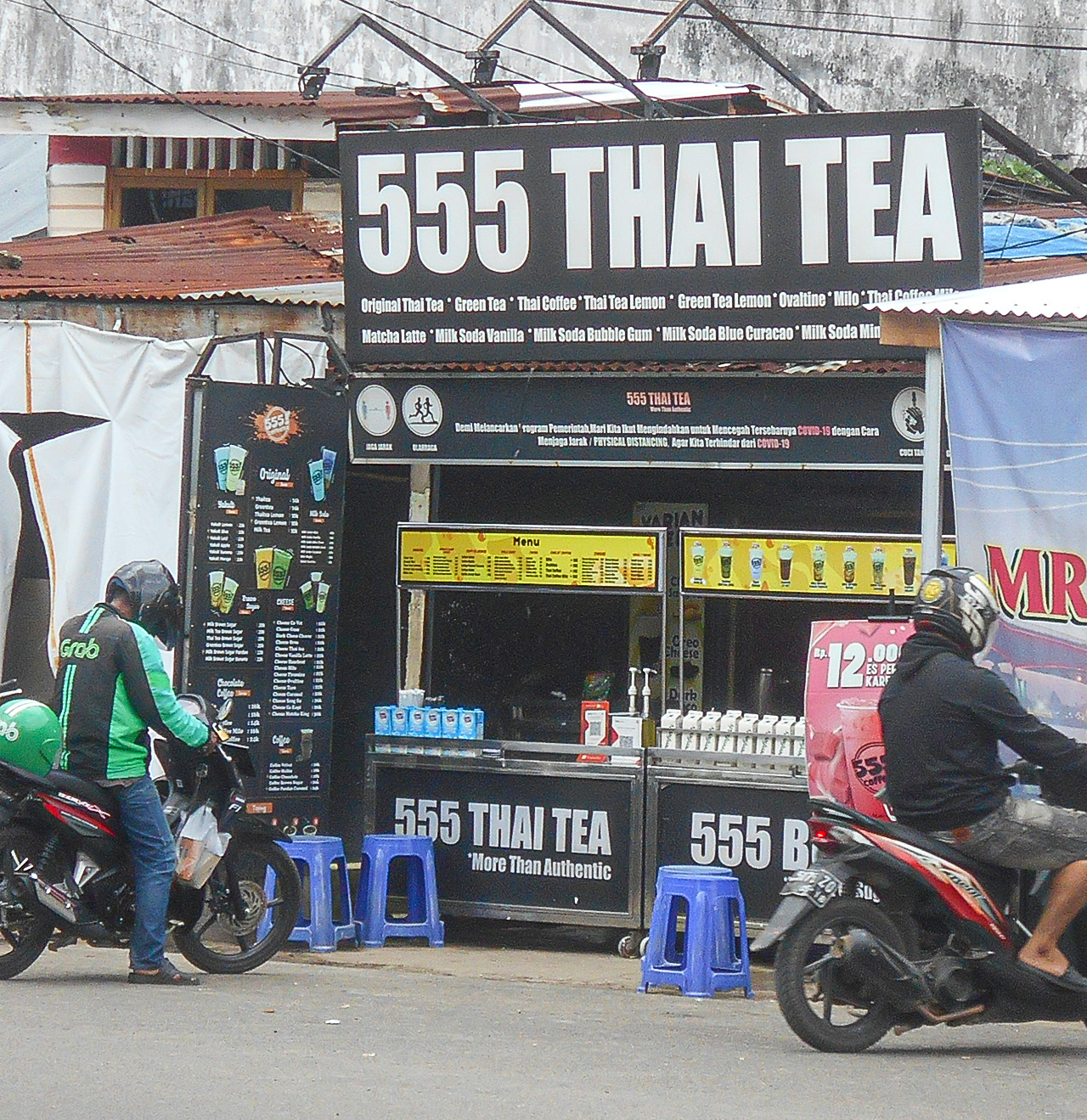
In Thai restaurants, the tea arrives in a tall glass, a presentation that highlights the gradient of color. On the streets and in market stalls across Thailand, vendors may pour the same drink over crushed ice into a plastic bag or a tall plastic cup, a far more casual and portable format. Some vendors go a step further, blending the tea into a frappé. And for those who want an extra textural element, tapioca pearls can be stirred in, transforming the drink into a bubble tea.
A Family of Variations
Thai tea is far from a one-note drink, and its variations split neatly along the axis of temperature. On the cold side, dark Thai iced tea—cha dam yen—strips away the milk entirely, offering a chilled, sugar-sweetened black tea whose concept traces back to traditional Indian tea. Lime Thai tea, or cha manao, follows a similar milk-free path but introduces the bright acidity of lime and sometimes a whisper of mint, creating a sharper, more refreshing profile.
On the hot side, Thai hot tea (cha ron) mirrors the classic milk-and-sugar formula but is served warm, and it holds a particular place in the Thai morning routine, where it is frequently paired with pathongko, long strips of fried dough. Dark Thai hot tea (cha dam ron) again drops the milk, delivering a straightforward, sugar-sweetened hot brew. Together, these four preparations—two cold, two hot, each with and without milk—form a compact but versatile menu that covers nearly every time of day and every mood.
From Street Stalls to Global Shelves
Thai tea has long been a fixture of Southeast Asian food culture, appearing on the menus of restaurants that serve Thai cuisine well beyond Thailand's borders. Yet its journey from a local staple to a globally recognized beverage owes a great deal to a single commercial force: ChaTraMue, the dominant brand in the Thai tea space, which has played a central role in popularizing the drink on the international stage. This brand-driven visibility has helped cement Thai iced tea as one of the most recognizable non-coffee beverages in the world.
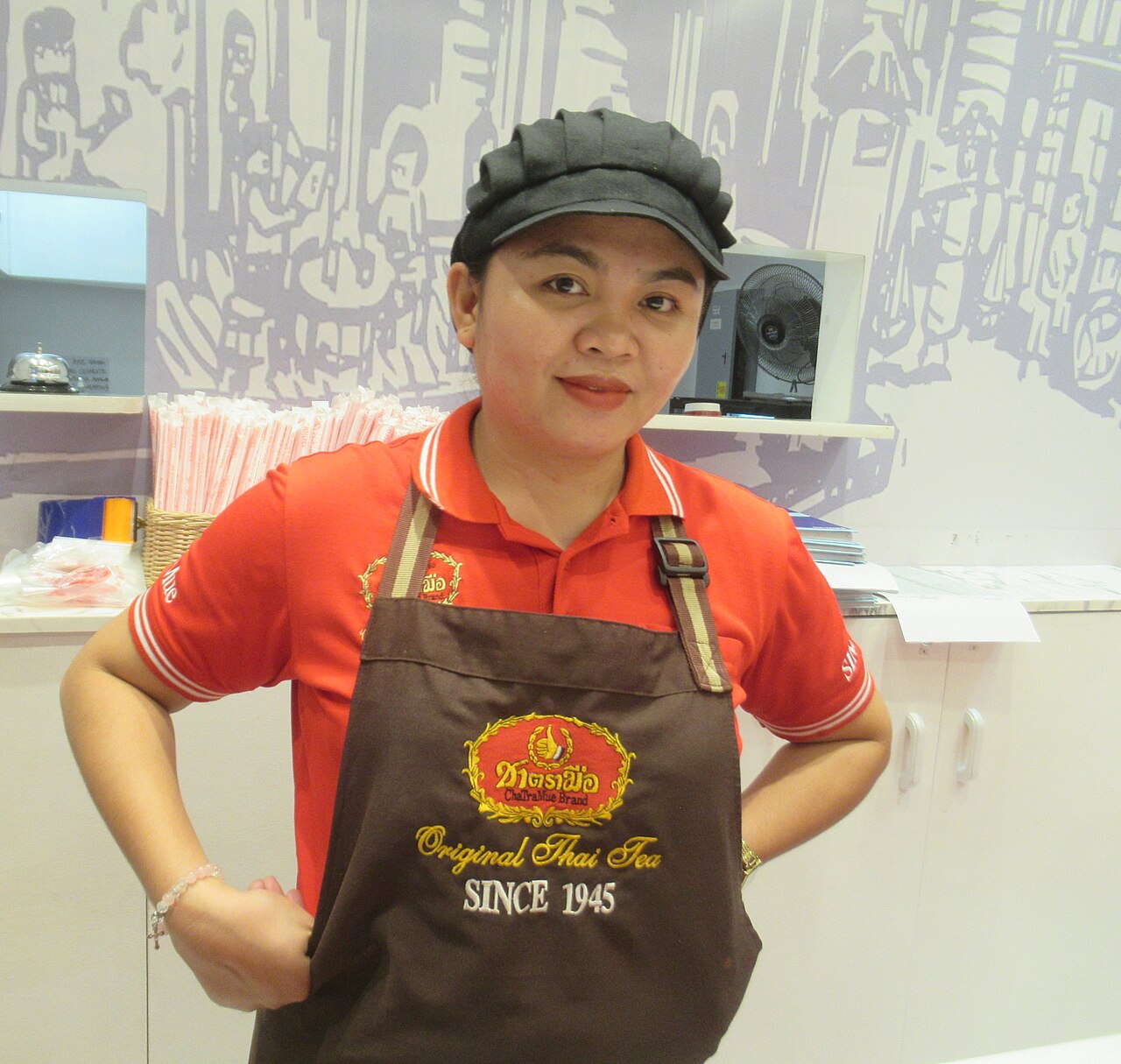
At home, the drink thrives in two distinct settings: the polished restaurant glass and the humble plastic bag at a street or market stall. Both formats deliver the same core experience—strong Ceylon tea, sugar, condensed milk, and a pour of evaporated or whole milk over ice—but the contrast between them captures the drink's democratic spirit. Whether sipped from a tall glass at a dinner table or squeezed from a bag at a roadside stand, Thai tea remains a beverage defined as much by its setting as by its ingredients.
Reader's Guide
Thai tea is a significant cultural beverage in Thailand and Southeast Asia, widely consumed both hot and cold. Its popularity has spread globally through Thai restaurants. The drink's core identity is based on Ceylon black tea, milk, and sugar, though variations exist: dark Thai iced tea (without milk), lime Thai tea (with lime and mint), and hot versions like Thai hot tea and dark Thai hot tea.
Notably, Thai tea as consumed in Thailand is not typically brewed with spices, unlike many English-language recipes that add star anise or cardamom. The term 'Thai tea' can also refer to other teas, such as Thai traditional herbal tea based on Thai traditional medicine, or Thai Oolong tea steamed with ginger, lemongrass, and celery. Its legacy lies in its widespread appeal and adaptability, from street stalls to international menus.
More in Food & Drink
Sources
Compiled from Wikipedia and the sources listed below. Text from Wikipedia is available under CC BY-SA 4.0; this entry is adapted from it.
- Wikipedia: Thai tea (CC BY-SA 4.0).
Spotted an error? Know more?
Reader corrections go straight into our review queue. Suggest an edit · How this site is sourced