Burst System
The reproductive structures of flowering plants, first evolving in the Jurassic.

via Wikipedia: Flower · see source
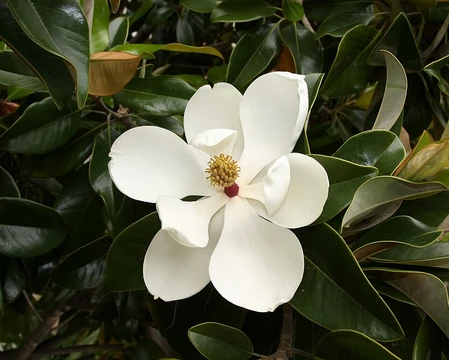
Flowers, also known as blossoms and blooms, are the reproductive structures of flowering plants. Typically, they are structured in four circular levels around the end of a stalk. These include: sepals, which are modified leaves that support the flower; petals, often designed to attract pollinators; male stamens, where pollen is presented; and female gynoecia, where pollen is received and its movement is facilitated to the egg. When flowers are arranged in a group, they are known collectively as an inflorescence.
Quick Facts
- Game title
- Flower
Lore & Background
Flowers first evolved between 150 and 190 million years ago, in the Jurassic. Plants with flowers replaced non-flowering plants in many ecosystems, as a result of flowers' superior reproductive effectiveness. In the study of plant classification, flowers are a key feature used to differentiate plants. For thousands of years humans have used flowers for a variety of other purposes, including: decoration, medicine, food, and perfumes. In human cultures, flowers are used symbolically and feature in art, literature, religious practices, ritual, and festivals.
Reader's Guide
The main purpose of a flower is reproduction of the individual, aiding in the survival of the species. Flowers not only produce spores, which become gametophytes that produce sex cells, leading to fertilised cells, but also develop and help disseminate seeds. Sexual reproduction between plants results in evolutionary adaptation, which improves species survival. Plants favour cross-pollination because it promotes the joining of sex cells from genetically distinct plants of the same species, thereby increasing genetic diversity. Facilitating this process is a key function of flowers and is often reflected in their form and structure.
Did You Know?
- Flowers range in size from 0.1 mm to 1 m in diameter.
- The Old English word for flower was blossom, which is still used today but refers especially to the flowers of edible fruit trees.
- The spelling 'flour' was more common in English until the 17th century, when it became specialised to mean 'ground grain'.
Frequently Asked Questions
How do I activate a burst of wind?
Players must hold the L1 button to gather petals and increase their energy meter, then press L2 to unleash a powerful gust. This release clears obstacles like thorns and opens new paths through the level.
What role does collecting petals play in this system?
Gathering petals acts as the fuel for the dynamic energy cycle, directly increasing the strength and range of the wind you can generate. The more petals collected before releasing, the more intense the resulting gust becomes.
More in Combat Systems & Mechanics
Elsewhere in Flower
Spotted an error? Know more?
Reader corrections go straight into our review queue. Suggest an edit · How this site is sourced