Grasslands
Vast ecosystems dominated by grasses, supporting rich biodiversity and shaped by natural and human forces.

DimiTalen · CC0
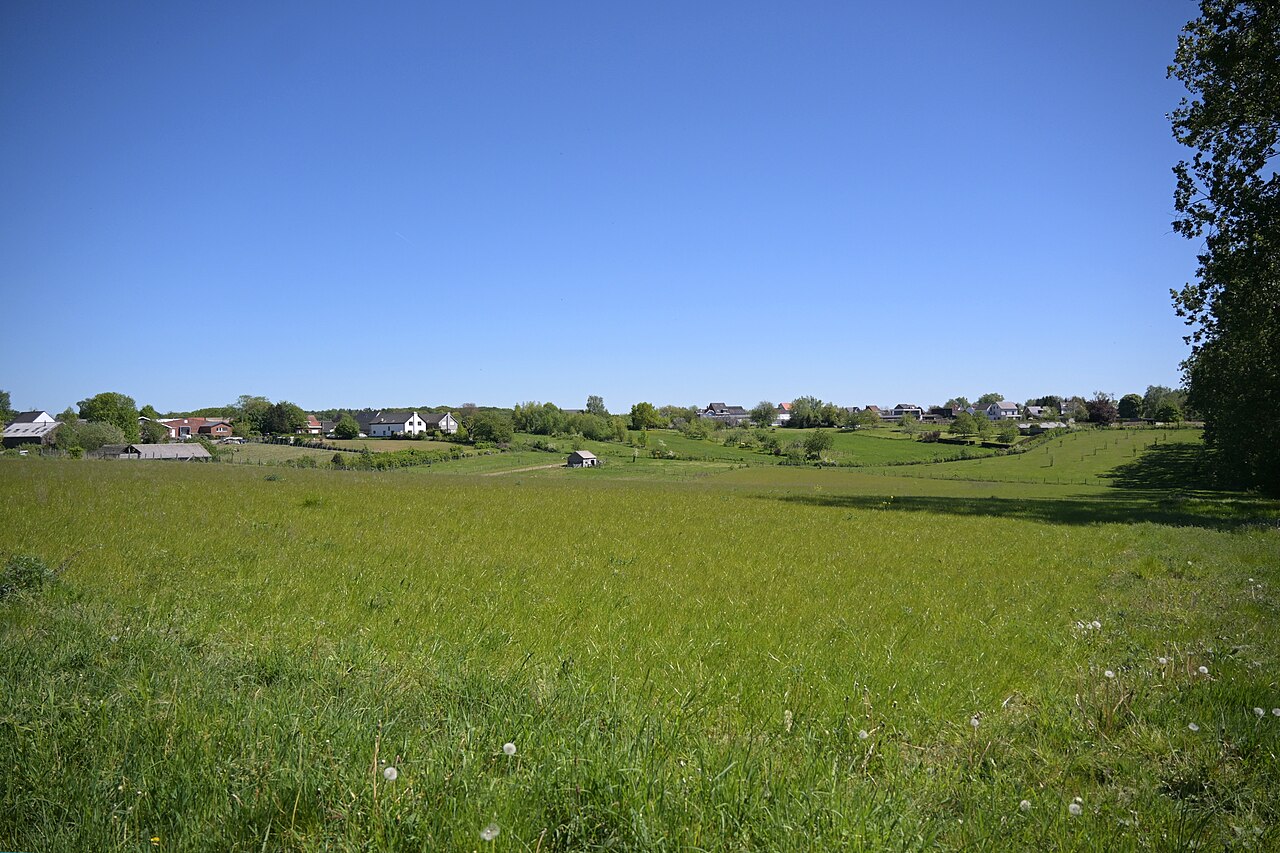
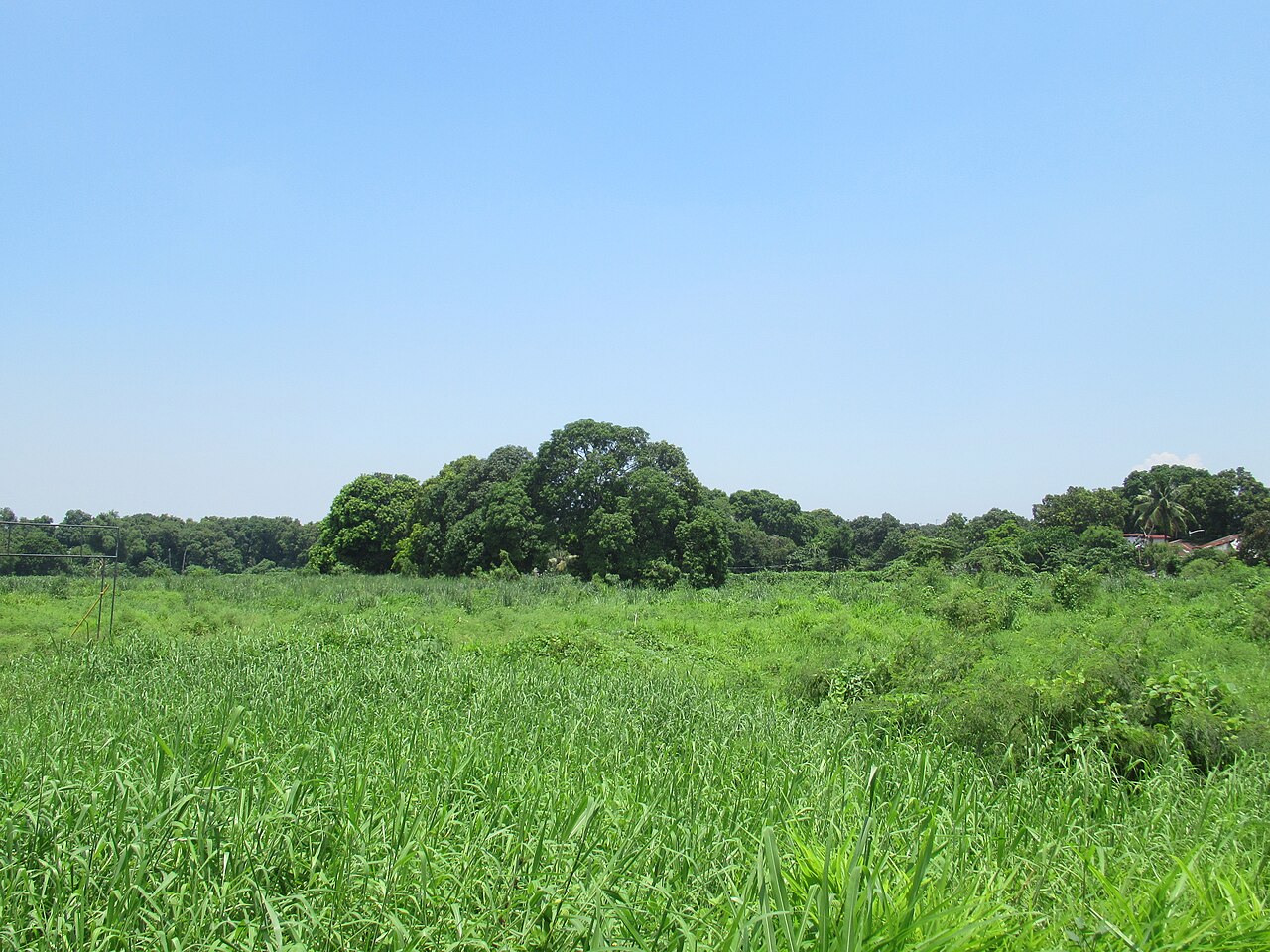
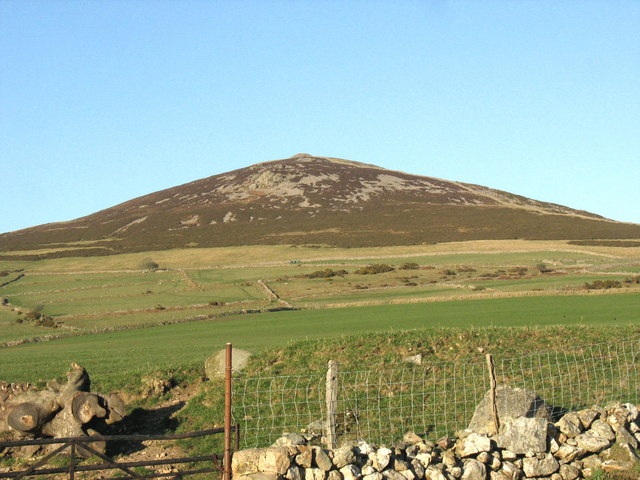
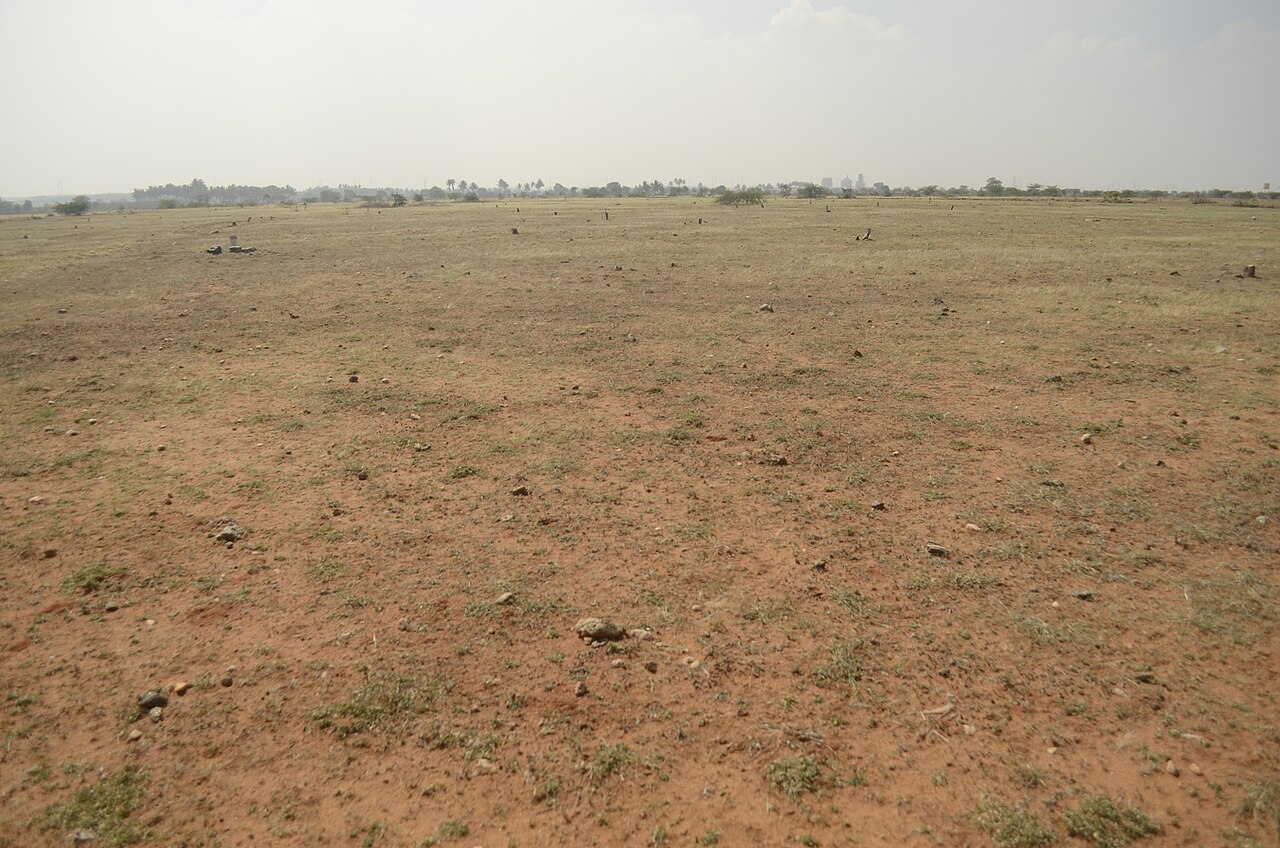
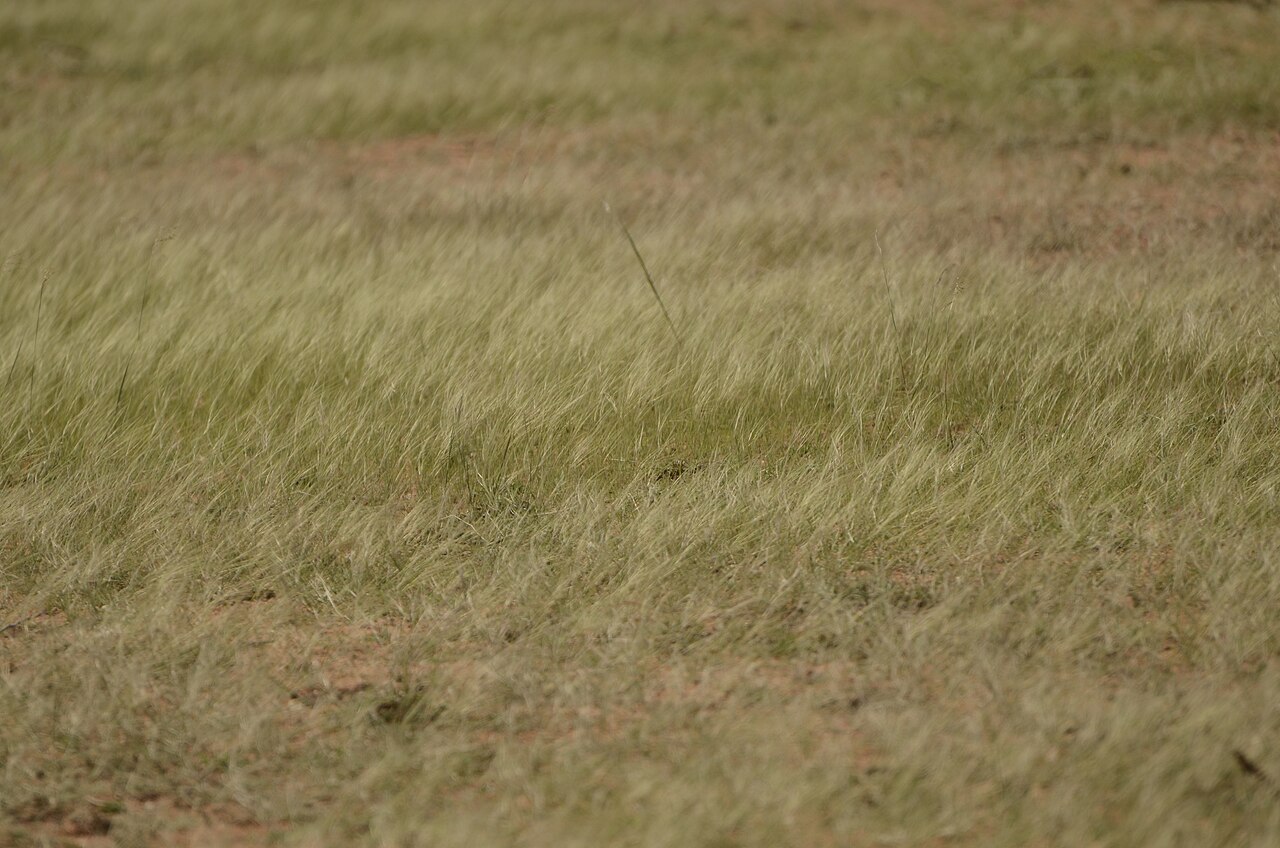
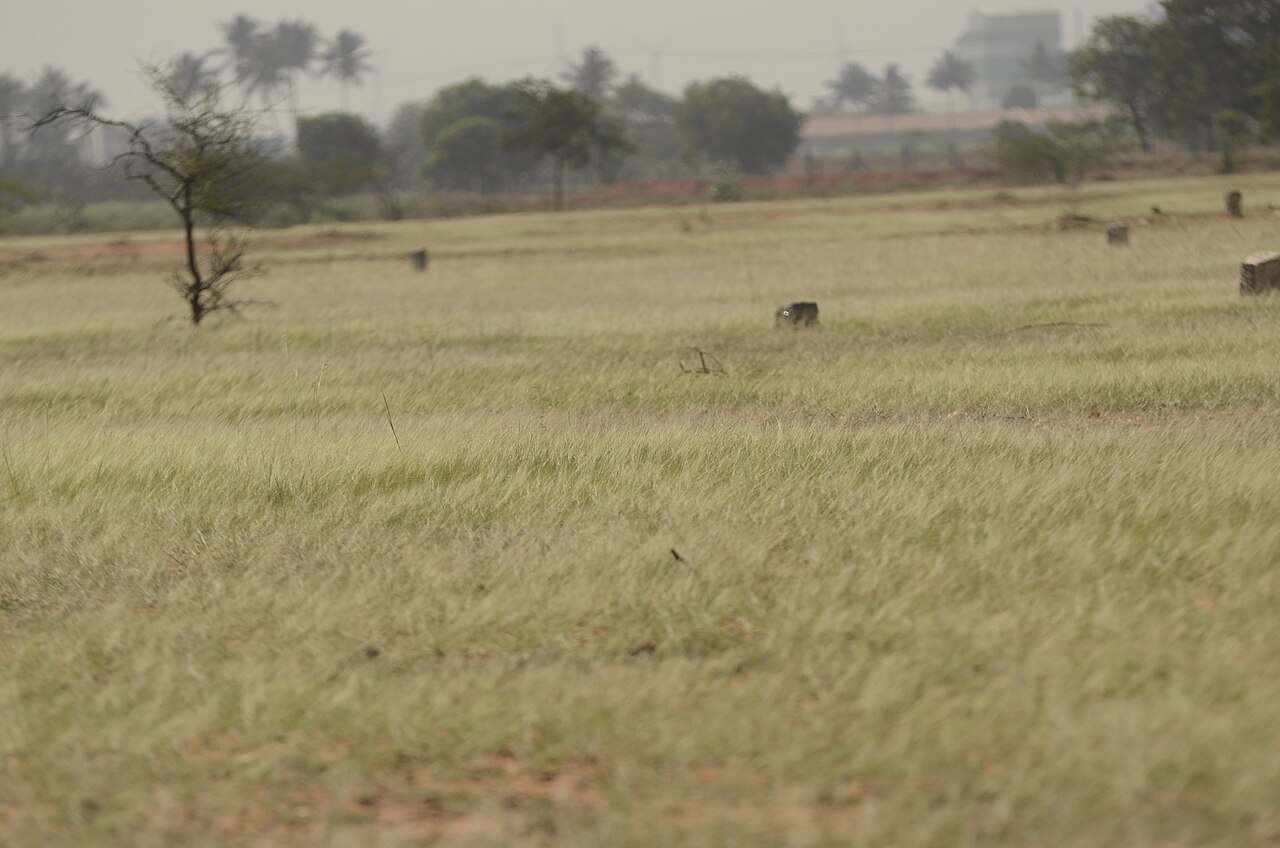
A grassland is an area (or ecosystem) where the vegetation is dominated by grasses. Sedges and rushes can also be found along with some legumes such as clover and other herbs. Grasslands occur naturally on all continents except Antarctica and are found in most ecoregions of the Earth. Furthermore, grasslands are one of the largest biomes on Earth, covering 31–69% of the Earth's land area. There are different types of grasslands: natural grasslands, semi-natural grasslands, and agricultural grasslands.
Quick Facts
- Franchise
- Flower
- Developer
- Thatgamecompany
- Primary mechanic
- Wind-based gliding and petal collection
- Atmosphere
- Peaceful
- vibrant
- exploratory
Lore & Background
The graminoids are among the most versatile life forms. They became widespread toward the end of the Cretaceous period, and coprolites of fossilized dinosaur feces have been found containing phytoliths of a variety of grasses that include grasses that are related to modern rice and bamboo. The appearance of mountains in the western United States during the Miocene and Pliocene epochs, a period of some 25 million years, created a continental climate favourable to the evolution of grasslands. Around 5 million years ago during the Late Miocene in the New World and the Pliocene in the Old World, the first true grasslands occurred. Existing forest biomes declined, and grasslands became much more widespread. It is known that grasslands have existed in Europe throughout the Pleistocene (the last 1.8 million years). Following the Pleistocene ice ages, grasslands expanded in the hotter, drier climates, and began to become the dominant land feature worldwide. Since the grasslands have existed for over 1.8 million years, there is high variability. For example steppe-tundra dominated in Northern and Central Europe whereas a higher amount of xerothermic grasslands occurred in the Mediterranean area. The semi-natural grasslands first appeared when humans started farming. Ancient meadows and pastures were the parts that were suitable for cultivation. The semi-natural grasslands were formed from these areas. However, there's also evidence for the local persistence of natural grasslands in Europe, originally maintained by wild herbivores, throughout the pre-Neolithic Holocene.
Reader's Guide
Grassland vegetation can vary considerably depending on the grassland type and on how strong it is affected by human impact. Dominant trees for the semi-natural grassland are Quercus robur, Betula pendula, Corylus avellana, Crataegus and many kinds of herbs. In chalk grassland, the plants can vary from very tall to very short. Quite tall grasses can be found in North American tallgrass prairie, South American grasslands, and African savanna. Woody plants, shrubs or trees may occur on some grasslands—forming savannas, scrubby grassland or semi-wooded grassland, such as the African savannas or the dehesa and montado, in Spain and Portugal respectively. As flowering plants and trees, grasses grow in great concentrations in climates where annual rainfall ranges between 500 and 900 mm (20 and 35 in). The root systems of perennial grasses and forbs form complex mats that hold the soil in place. Grasslands support the greatest aggregations of large animals on Earth, including jaguars, African wild dogs, pronghorn, black-footed ferret, plains bison, mountain plover, African elephant, Sunda tiger, black rhino, white rhino, savanna elephant, greater one-horned rhino, Indian elephant and swift fox. Grazing animals, herd animals, and predators in grasslands, like lions and cheetahs live in the grasslands of the African savanna. Mites, insect larvae, nematodes, and earthworms inhabit deep soil, which can reach 6 metres (20 feet) underground in undisturbed grasslands on the richest soils of the world. These invertebrates, along with symbiotic fungi, extend the root systems, break apart hard soil, enrich it with urea and other natural fertilizers, trap minerals and water and promote growth. Some types of fungi make the plants more resistant to insect and microbial attacks. Grassland in all its form supports a vast variety of mammals, reptiles, birds, and insects. Typical large mammals include the blue wildebeest, American bison, giant anteater, and Przewalski's horse.
Did You Know?
- Semi-natural grasslands are one of the world's most biodiverse habitats on small spatial scales.
- A European record found on a meadow in Estonia described 76 species of plants in one square meter.
- Almost 90% of European semi-natural grasslands have disappeared during the 20th century.
- Grasslands dominated by unsown wild-plant communities can be called natural or semi-natural habitat.
Gallery
Frequently Asked Questions
What role does the Grasslands play in Flower?
It serves as the introductory environment where players learn to manipulate wind currents for navigation. This sun-drenched setting establishes the core gliding mechanics used throughout the franchise.
Is the Grasslands a character or location?
The Grasslands is strictly an environmental biome rather than a sentient entity with its own story. Fans often mistake it for a character due to its central role in the narrative journey.
How do players interact within this meadow?
You control a wind spirit that glides through dense clusters of flowers to collect petals and bloom new plants. Gentle air streams guide movement while avoiding obstacles like fences or rocks.
What happens when you finish the Grasslands section?
Completing this area transitions players into more complex biomes with different wind patterns and challenges. It marks the end of the initial learning phase before the main adventure begins.
More in Biomes & Arenas
Elsewhere in Flower
Spotted an error? Know more?
Reader corrections go straight into our review queue. Suggest an edit · How this site is sourced