PS Move
The reproductive structures of flowering plants, essential for survival and diversity.
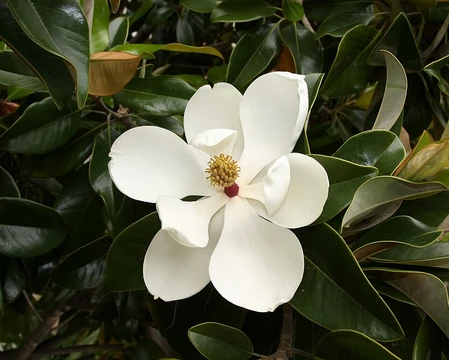
Flowers, also known as blossoms and blooms, are the reproductive structures of flowering plants. They are structured in four circular levels around the end of a stalk: sepals, petals, male stamens, and female gynoecia. When flowers are arranged in a group, they are known collectively as an inflorescence.
Quick Facts
- Controller
- PS Move (PlayStation 3)
- Game
- Flower (2009)
- Developer
- thatgamecompany
- Platform
- PlayStation 3
- Input method
- Motion-based wind generation (accelerometer, gyroscope, infrared tracking)
Lore & Background
Flowers first evolved between 150 and 190 million years ago, in the Jurassic. Plants with flowers replaced non-flowering plants in many ecosystems due to flowers' superior reproductive effectiveness. In the study of plant classification, flowers are a key feature used to differentiate plants. For thousands of years humans have used flowers for decoration, medicine, food, and perfumes. In human cultures, flowers are used symbolically and feature in art, literature, religious practices, ritual, and festivals.
Reader's Guide
The main purpose of a flower is reproduction. Flowers produce spores, which become gametophytes that produce sex cells, leading to fertilized cells, and also develop and help disseminate seeds. Pollination can occur between different plants (cross-pollination) or between flowers on the same plant or same flower (self-pollination). Pollen movement may be caused by animals or non-living things like wind and water. After pollination, fertilization occurs, and the resulting cell grows into a seed. The female part of the flower forms into a fruit, which protects the seed and aids in its dispersal.
Did You Know?
- Flowers range in size from 0.1 mm to 1 m in diameter.
- The Old English word for flower was blossom, which still refers especially to the flowers of edible fruit trees.
- All flowering plants are heterosporous, producing two types of spores: microspores and megaspores.
- The four main whorls of a flower are the calyx, petals, androecium, and gynoecium.
More in Production & Legacy
Elsewhere in Flower
Spotted an error? Know more?
Reader corrections go straight into our review queue. Suggest an edit · How this site is sourced