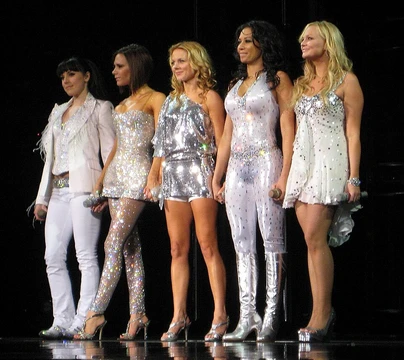
Bananarama
English pop group with record UK chart entries.

Distributed by Polygram Records · Public domain
Bananarama, an English pop group, got its start in London in 1979. The band began as a trio made up of friends Sara Dallin, Siobhan Fahey, and Keren Woodward. In early 1988, Jacquie O'Sullivan stepped in for Fahey, who left to form Shakespears Sister. O'Sullivan departed in 1991, and since then Dallin and Woodward have carried on as a duo, except for a brief reunion tour with Fahey in 2017. Their work on pop and dance charts landed them a spot in the Guinness World Records for the most chart entries by any all-female group. From 1982 to 2009, they placed 32 singles in the UK Singles Chart Top 50.
They first gained attention in 1982 as vocalists on Fun Boy Three's UK Top 5 hit "It Ain't What You Do (It's the Way That You Do It)." The original lineup with Fahey then scored several UK hits, including "Really Saying Something" and "Shy Boy" (both 1982), "Na Na Hey Hey Kiss Him Goodbye" and "Cruel Summer" (both 1983, with the latter reissued in 1989 to promote a compilation), "Robert De Niro's Waiting..." and "Rough Justice" (both 1984, though 'Rough Justice' peaked at No. 53 and did not become a hit), "Venus" (1986, which hit No. 1 in the US), "I Heard a Rumour," "Love in the First Degree," and "I Can't Help It" (all 1987). The lineup with O'Sullivan produced further UK hits: "I Want You Back," "Love, Truth and Honesty," and "Nathan Jones" (all 1988), "Help!" (1989, recorded with comedy duo French and Saunders and Kathy Burke for Comic Relief), "Only Your Love" and "Preacher Man" (both 1990), and "Long Train Runnin'" (1991). After becoming a duo, they added five more UK Top 30 hits: "Movin' On" (1992), "More, More, More" (1993), "Move in My Direction" (2005), "Look on the Floor (Hypnotic Tango)" (2005), and another later single. The original trio also sang on the 1984 Band Aid charity single "Do They Know It's Christmas?," which topped the UK chart, and the second trio with O'Sullivan performed on the 1989 Band Aid II version, also a UK No. 1. In the US, they are seen as part of the MTV-driven Second British Invasion, with eleven singles reaching the Billboard Hot 100 between 1983 and 1988. Their fourth album, *Wow!* (1987), hit No. 1 on the Australian ARIA albums chart in June 1988, and they earned Brit Award nominations for Best British Single ("Love in the First Degree") and Best Music Video ("Nathan Jones").
Quick Facts
- Landscape
- yes
- Origin
- London, England
- Genre
- Pop · dance-pop · hi-NRG · new wave · Eurodance
- Years Active
- 1980–present
- Label
- Deram · London · A&G · Fascination · Rhino · Live Here Now
- Current Members
- Sara Dallin / Keren Woodward
- Past Members
- Siobhan Fahey / Jacquie O'Sullivan
Facts from the source article.
Lore & Background
The original trio scored numerous UK hits, including 'Cruel Summer' (1983), 'Robert De Niro's Waiting...' (1984), and 'Venus' (1986), which reached No. 1 in the US. In early 1988, Jacquie O'Sullivan replaced Fahey, who formed Shakespears Sister. The O'Sullivan line-up achieved further UK hits such as 'I Want You Back', 'Love, Truth and Honesty', and 'Nathan Jones' (all 1988), as well as 'Help!' (1989) with Lananeeneenoonoo for Comic Relief. O'Sullivan left in 1991, after which Dallin and Woodward continued as a duo, with a brief reunion tour with Fahey in 2017. As a duo, they had five more UK Top 30 hits, including 'Movin' On' (1992) and 'Move in My Direction' (2005).
Reader's Guide
Bananarama's significance lies in their longevity and consistent chart presence as an all-female group, a rarity in the 1980s pop landscape. They were part of the MTV-driven Second British Invasion in the US, with eleven Billboard Hot 100 singles between 1983 and 1988. Their work with producers Jolley & Swain and later Stock Aitken Waterman produced defining pop hits of the decade. The group also participated in charity recordings: the original trio sang on the 1984 Band Aid single 'Do They Know It's Christmas?', and the O'Sullivan trio performed on the 1989 Band Aid II version, making them the only artists to appear on both. Their Guinness World Record for most chart entries by an all-female group underscores their impact. Despite lineup changes, they maintained a presence on UK charts into the 2000s, and their 2017 reunion tour with Fahey highlighted their enduring appeal.
Did You Know?
- Bananarama are listed in Guinness World Records for the highest number of chart entries by an all-female group.
- They are the only artists to appear on both the 1984 Band Aid single and the 1989 Band Aid II version.
- Their cover of 'Venus' reached No. 1 on the US Billboard Hot 100 in 1986.
The Search for a New Identity
After their 1989 world tour, Bananarama entered the studio with Stock Aitken Waterman but quickly grew unhappy with the material. Only two tracks—"Ain't No Cure" and "Heartless"—survived those sessions. The group then explored other creative partnerships: David Z produced "Some Boys," a cut that would not see release until 2013, and Steve Jolley, a collaborator from their earliest records, contributed "Is Your Love Strong Enough." The breakthrough came when they turned to Youth, Martin Glover, an old acquaintance from their early days. Recording took place at his home studio in Wandsworth, and Sara Dallin recalled that unlike SAW's rapid pace, Youth allowed them to linger over ideas and fully absorb the creative process. Keren Woodward likened the experience to their work with Fun Boy Three—hands-on, DIY, unpolished. Under his guidance, the trio embraced samples and drum loops, techniques that would reshape the album's texture entirely and signal a decisive break from the polished pop machine that had defined their earlier career.
A Sonic Panorama
Pop Life shattered any expectation that Bananarama would simply replicate their Eurodisco formula. The album stretches across an extraordinary spectrum of genres: flamenco guitar on a Doobie Brothers cover of "Long Train Running" (featuring the Gipsy Kings under the pseudonym Alma de Noche), retro-rock in "Only Your Love" and "Outta Sight," acid house on "Tripping on Your Love," reggae rhythms in "What Colour R the Skies Where U Live?", experimental club textures on "Megalomaniac," and their signature Eurodisco pulse on "Preacher Man." English singer Zoë added backing vocals to the Doobie Brothers track, while a roster of session musicians—including Guy Pratt, Danny Schogger, and Crispin "Spry" Robinson—rounded out the arrangements. The result was a record that sounded less like a manufactured pop product and more like three women exploring whatever genre caught their fancy in a given moment, unmoored from a single production philosophy for the first time in their career.
Divided Critical Verdicts
Critics split sharply on Pop Life. Chuck Eddy of Entertainment Weekly delivered a glowing assessment, calling the record "far moodier than anything they've ever done" and praising the Gipsy Kings' contribution as turning the Doobie Brothers tune into a "scary locomotive blues." Caroline Sullivan in Melody Maker declared it Bananarama's finest work, noting they had "acquired a new and altogether haunting timbre" after years of perky SAW anthems. Tim Green of Number One offered a more measured "well-tuned album of respectable pop tunelets." On the other side, Simon Williams in NME argued the album proved that chasing contemporary club beats meant "selling yourself short," while Kirsty McNeill in Smash Hits dismissed it as "more of the same, familiar, squeaky-voiced harmonies." Charles Merwin of Stylus Magazine was harshest, quipping that even the Gypsy Kings seemed embarrassed enough to hide behind a pseudonym, and singled out only "Tripping on Your Love" as a genuine success.
The Final Trio and Fading Charts
Pop Life's commercial trajectory underscored the group's shifting position in the pop landscape. The album peaked at number 42 in the United Kingdom, number 37 in Sweden, and number 146 in Australia. Four singles were released, none of which broke into the upper echelons of the charts. The final single, "Tripping on Your Love," marked a personal turning point as well: shortly after its release, Jacquie O'Sullivan departed the group, leaving Sara Dallin and Keren Woodward to continue as a duo. Pop Life thus stands as the last Bananarama record to feature all three voices together. The album also crystallized the group's parting from SAW, who had produced their earlier hits; the production team's fury over the band's attempt to re-record "Ain't No Cure" in a more subdued style with Youth ultimately forced the original version back onto the tracklist. The episode sealed the end of an era that had defined British pop in the mid-1980s.
Gallery

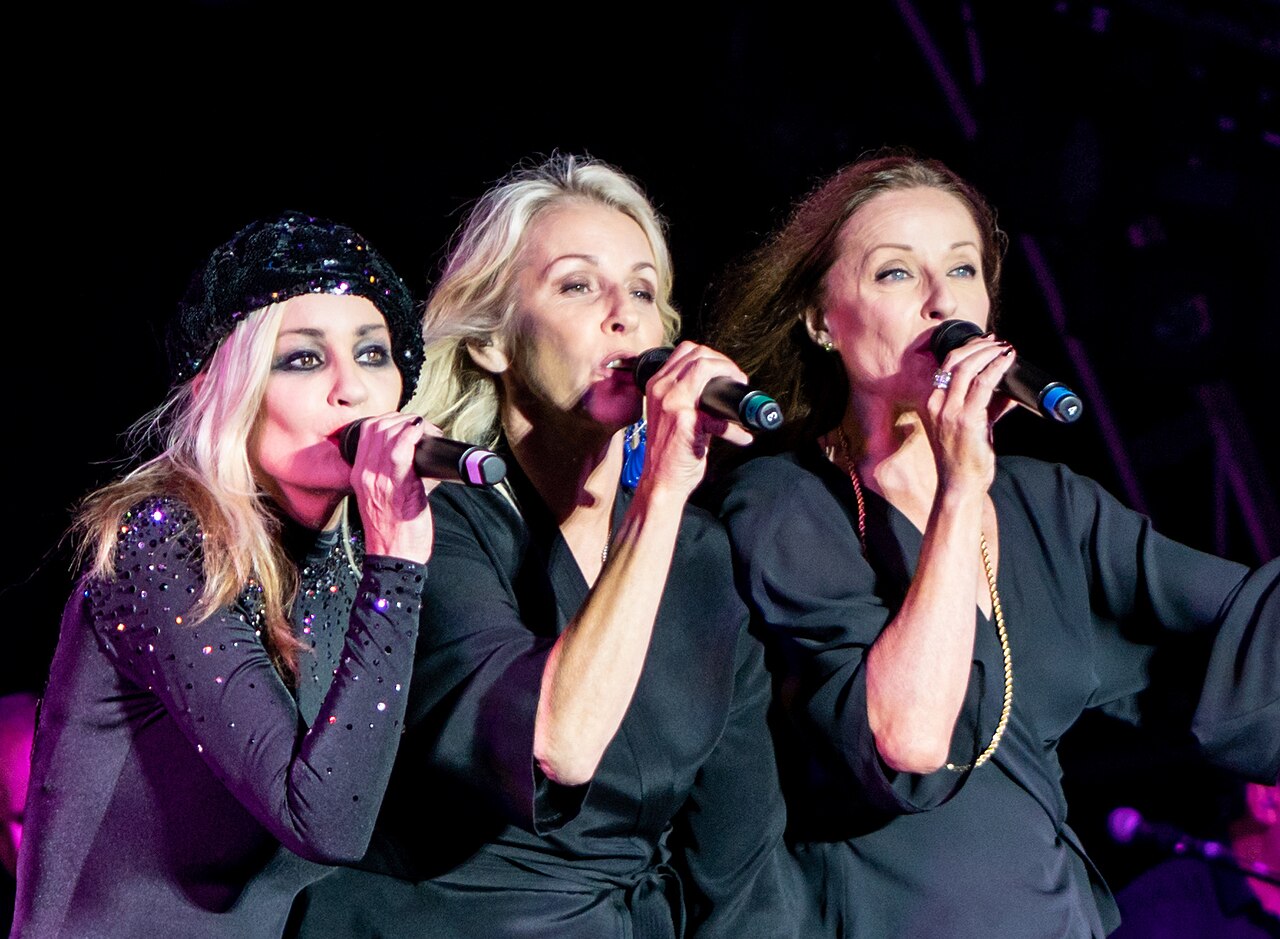
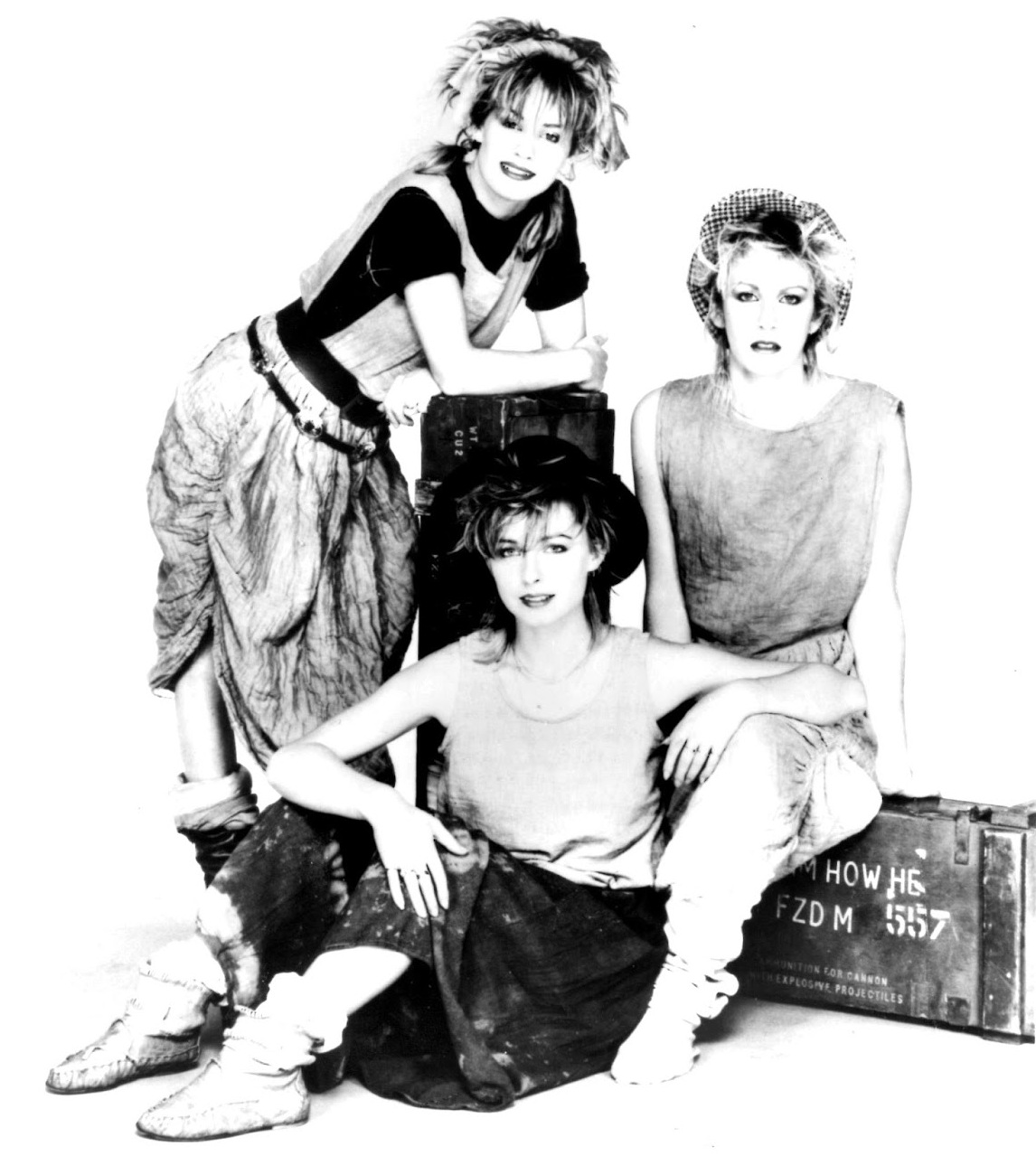

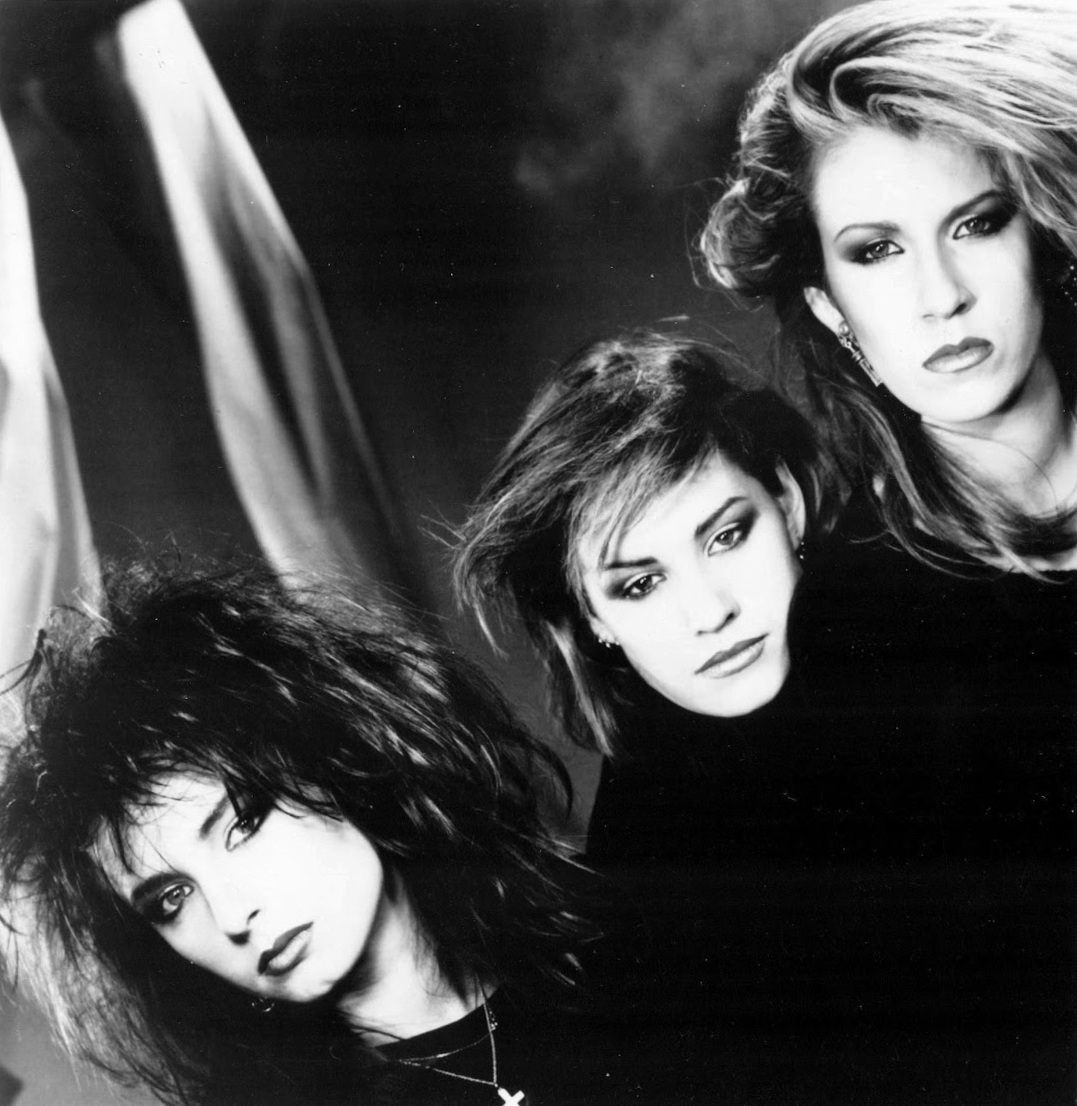
Frequently Asked Questions
Who is Bananarama?
Bananarama is an English pop trio that formed in London in 1979, originally consisting of friends Sara Dallin, Siobhan Fahey, and Keren Woodward. They built their reputation on dance-pop material and a prolific run of UK chart singles.
What is Bananarama's biggest hit?
Their most internationally recognized track is "Venus," which topped the US charts. In their home market, they racked up 32 Top 40 UK singles between 1982 and 2009.
Why did Siobhan Fahey leave the group?
Fahey departed in early 1988 to launch a new musical project, the duo Shakespears Sister. Jacquie O'Sullivan took over vocals until her own exit in 1991, after which Dallin and Woodward carried on as a duo.
What Guinness World Record does Bananarama hold?
The group is listed in the Guinness World Records for the most chart entries by any all-female act. Their tally of 32 UK Top 40 singles over nearly three decades earned them that distinction.
Is Bananarama still active?
Dallin and Woodward have continued performing as a duo since the mid-1990s. They reunited briefly with Fahey for a 2017 tour, but the core pairing of Dallin and Woodward has remained the group's constant since.
More in English pop girl groups 1-24
Spotted an error? Know more?
Reader corrections go straight into our review queue. Suggest an edit · How this site is sourced