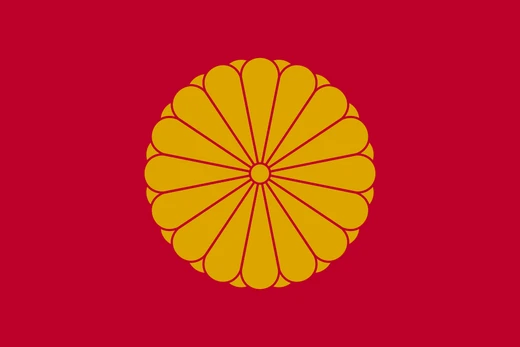
Emperor Go-Ichijō
68th emperor of Japan, reigned 1016–1036.
His reign spanned the years from 1016 through 1036.[1] Before his ascension, his personal name was Atsuhira-shinnō, also known as Atsunari-shinnō.[2] According to the traditional order of succession, the 68th emperor of Japan was Go-Ichijō.[3]
Quick Facts
- Reign
- March 10, 1016 – May 15, 1036
- Coronation
- March 24, 1016
- Predecessor
- Sanjō
- Successor
- Go-Suzaku
- Posthumous name
- Tsuigō:; Emperor Go-Ichijō (後一条院 or ja, 後一条天皇)
- Spouse
- Fujiwara no Ishi (1018)
- Issue
- Shōshi; Kaoruko
- Royal house
- Imperial House of Japan
Facts from the source article.
Life and work
Go-Ichijō had one Empress and two Imperial daughters.[4] The years of his reign are identified by multiple era names, including Chōwa, Kannin, Jian, Manju, and Chōgen.[5] During his reign, the kugyō elite group included hereditary courtiers such as Fujiwara Michinaga and Fujiwara Yorimichi.[6] Emperor Ichijō's second son was named Atsuhira.[7]
The chūgo consort of Ichijō, in her later years, received the title Jōtō-mon In.[7] Fujiwara no Michinaga exercised actual governance as sesshō (regent) during the early part of Go-Ichijō's reign.[8] Go-Ichijō's burial place is known, and a memorial Shinto shrine (misasagi) in Kyoto is where he is traditionally venerated.[9]
References
- Wikipedia, "Emperor Go-Ichijō" (CC BY-SA 4.0), which cites: Brown, Delmer et al. (1979). Gukanshō, pp. 307–310; Varley, H. Paul. (1980). Jinnō Shōtōki. p. 195-196; Titsingh, Isaac. (1834). (original not read by us) en.wikipedia.org
- Wikipedia, "Emperor Go-Ichijō" (CC BY-SA 4.0), which cites: Brown, pp. 264; prior to Emperor Jomei, the personal names of the emperors were very long and people did not generally use them. The number of characters in eac; Varley, p. 195; Titsingh, p. 156; Brown, p. 307. (original not read by us) en.wikipedia.org
- Wikipedia, "Emperor Go-Ichijō" (CC BY-SA 4.0), which cites: Imperial Household Agency (Kunaichō): 後一条天皇 (68); Ponsonby-Fane, Richard. (1959). The Imperial House of Japan, p. 74. (original not read by us) en.wikipedia.org
- Wikipedia, "Emperor Go-Ichijō" (CC BY-SA 4.0), which cites: Brown, p. 310. (original not read by us) en.wikipedia.org
- Wikipedia, "Emperor Go-Ichijō" (CC BY-SA 4.0), which cites: Titsingh, p. 156-159; Brown, p. 310. (original not read by us) en.wikipedia.org
- Wikipedia, "Emperor Go-Ichijō" (CC BY-SA 4.0), which cites: Brown, p. 308-309.; Brown, p. 309.; Brown, p. 309.; Brown, p. 308-309.; Brown, p. 309.; Brown, p. 308-309.; Brown, p. 309.; Brown, p. 309.; Brown, p. 309.; Brown, p. 309. (original not read by us) en.wikipedia.org
- Wikipedia, "Emperor Go-Ichijō" (CC BY-SA 4.0), which cites: Titsingh, p. 156; Brown, p. 309. (original not read by us) en.wikipedia.org
- Wikipedia, "Emperor Go-Ichijō" (CC BY-SA 4.0), which cites: Brown, pp. 308–309; Varley, p. 195. (original not read by us) en.wikipedia.org
- Wikipedia, "Emperor Go-Ichijō" (CC BY-SA 4.0), which cites: Imperial Household Agency (Kunaichō): 後一条天皇 (68) (original not read by us) en.wikipedia.org
Each numbered sentence above was checked against the source it cites before publication. Sentences citing Wikipedia adapt text from the English Wikipedia article Emperor Go-Ichijō (contributors), used under CC BY-SA 4.0; this entry is available under the same licence. Other sources were used for facts only; no text or images are copied from them.
More in Emperors of Japan
Spotted an error? Know more?
Reader corrections go straight into our review queue. Suggest an edit · How this site is sourced