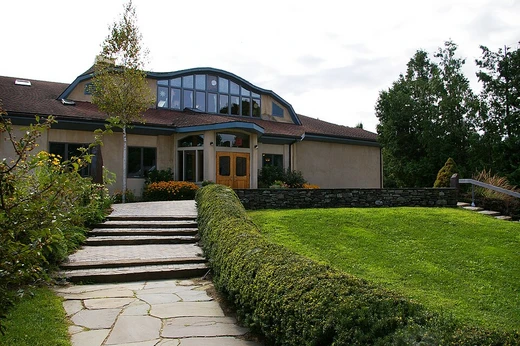
Parochial school
Private religious schools blending faith and academics.
Last updated

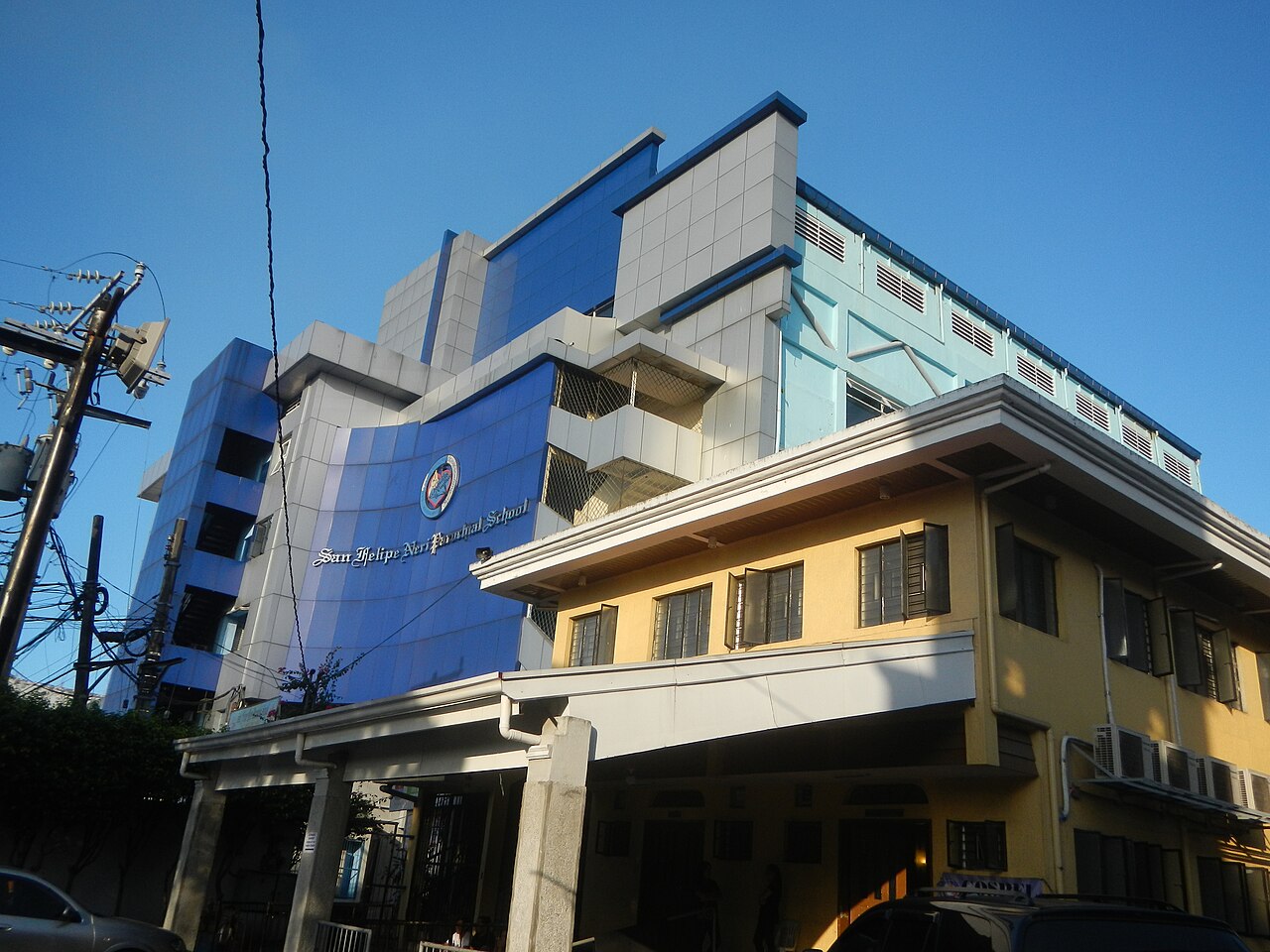
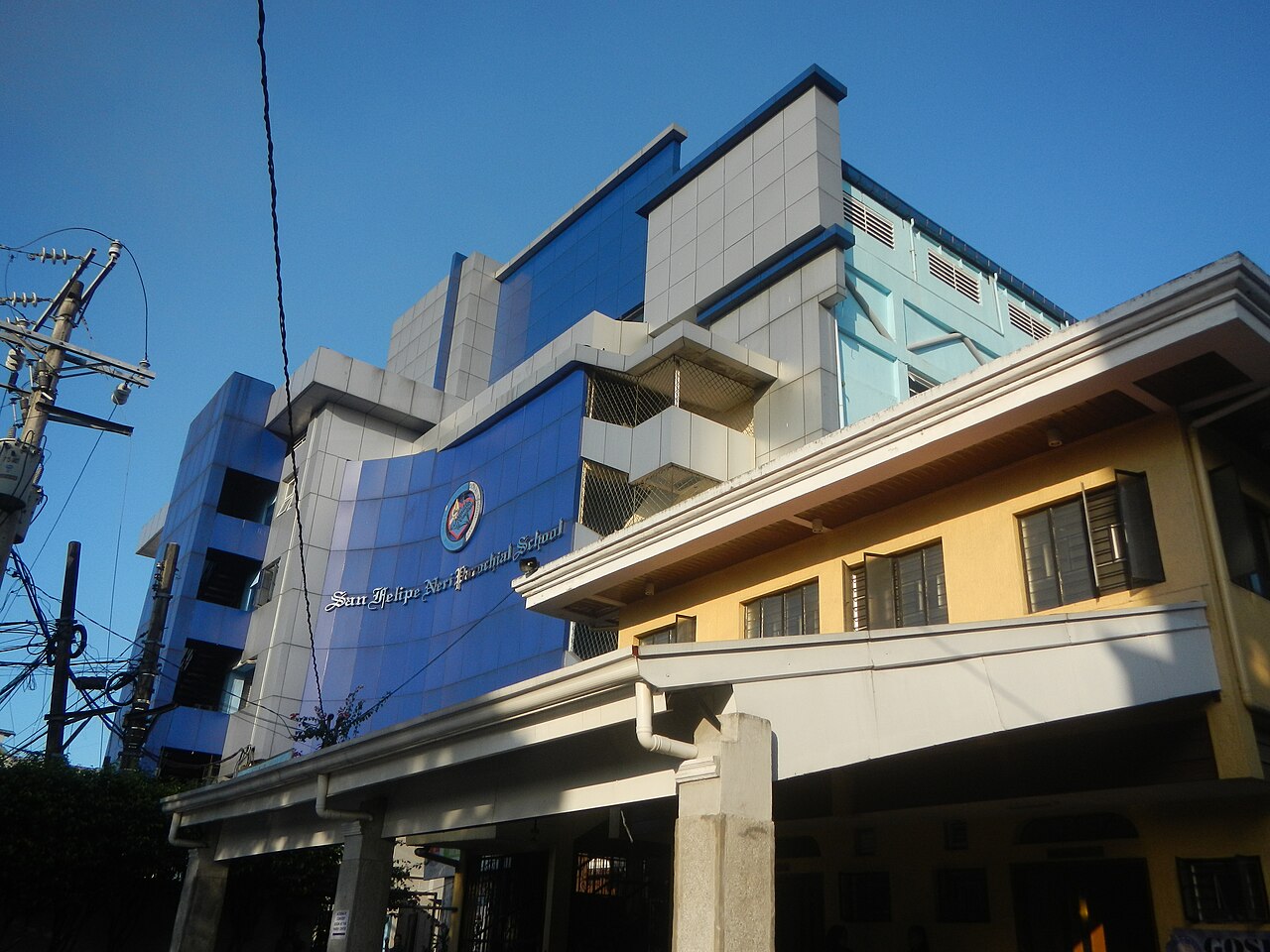
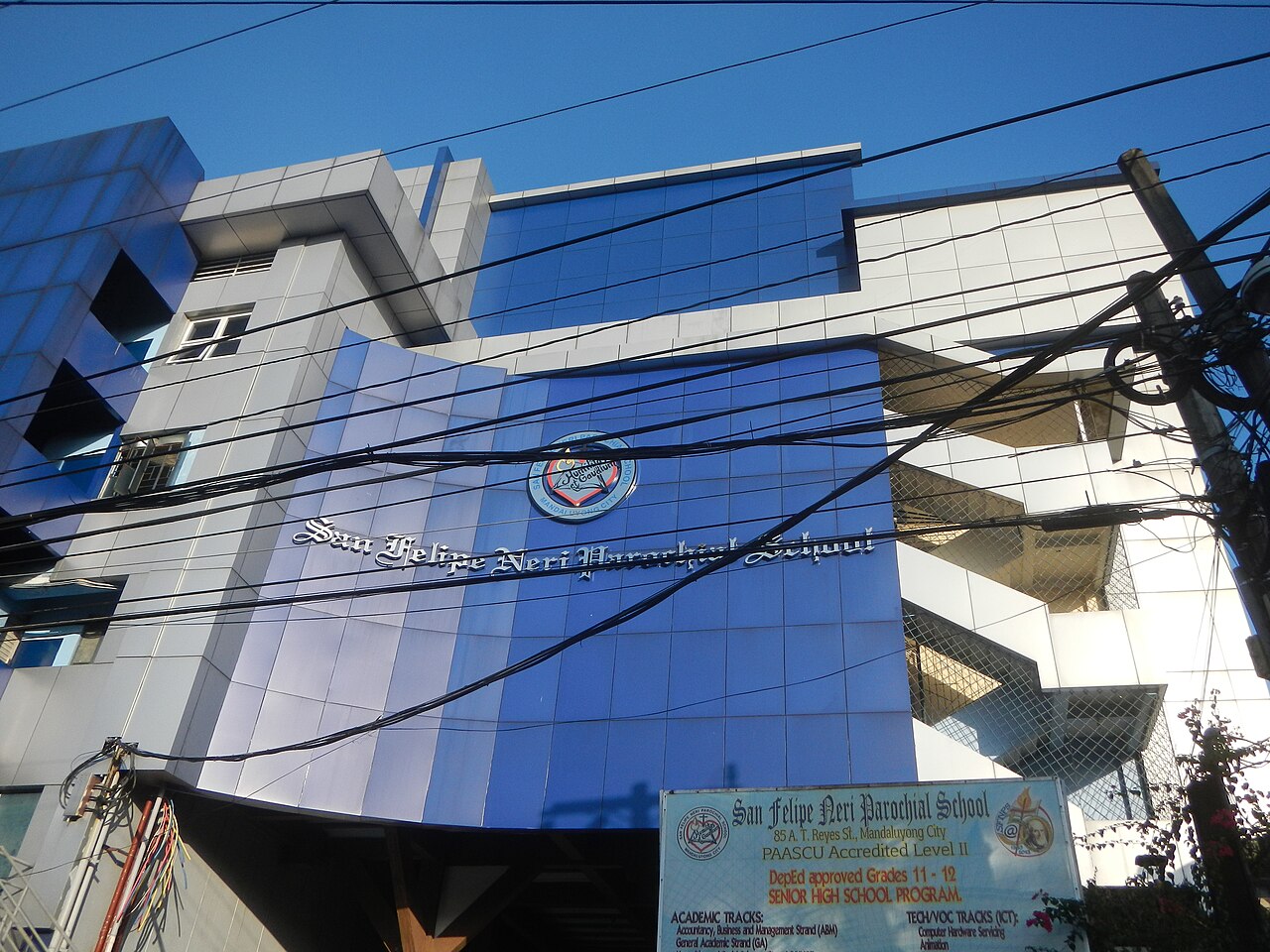
Judgefloro · Public domain
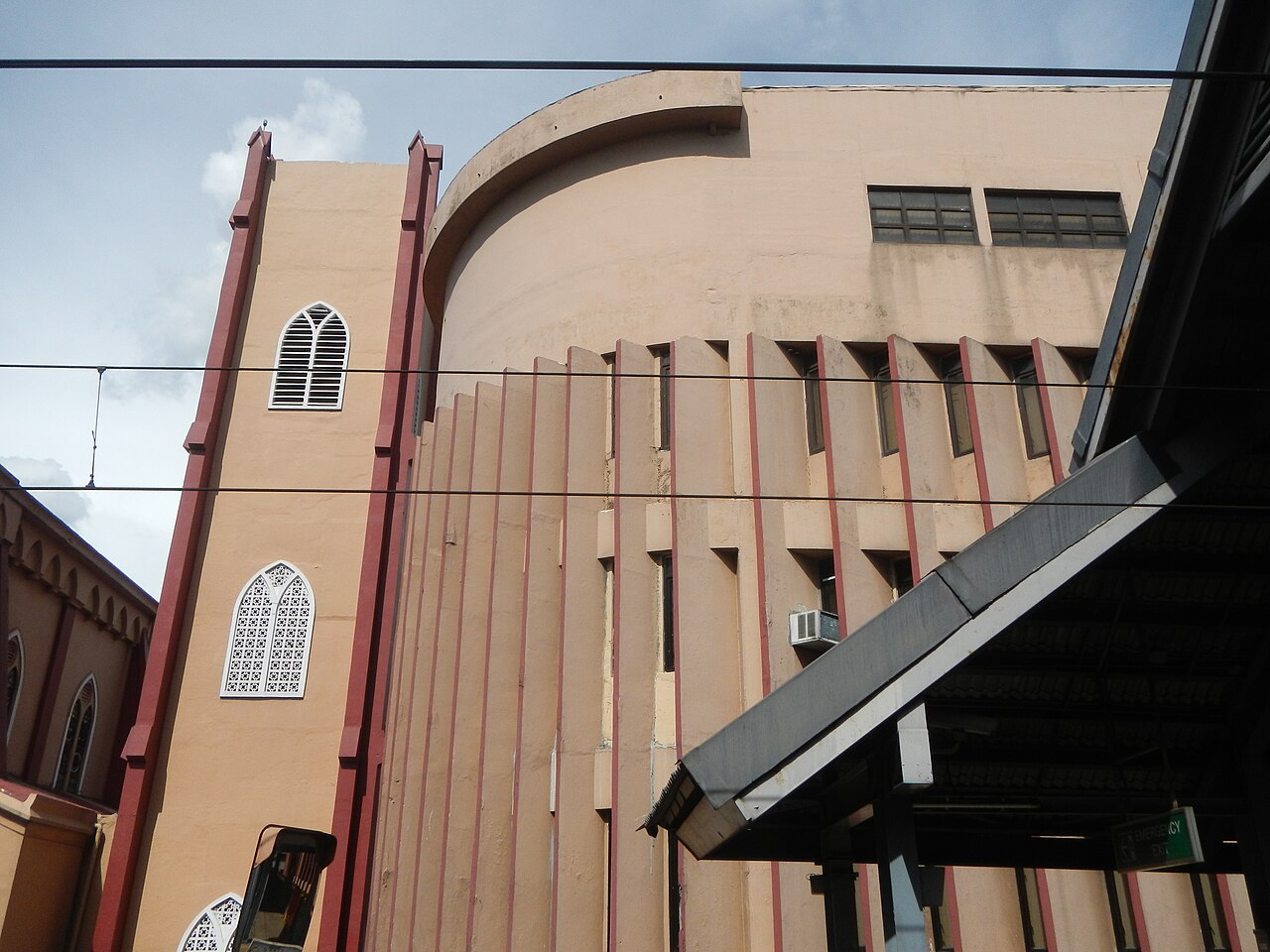
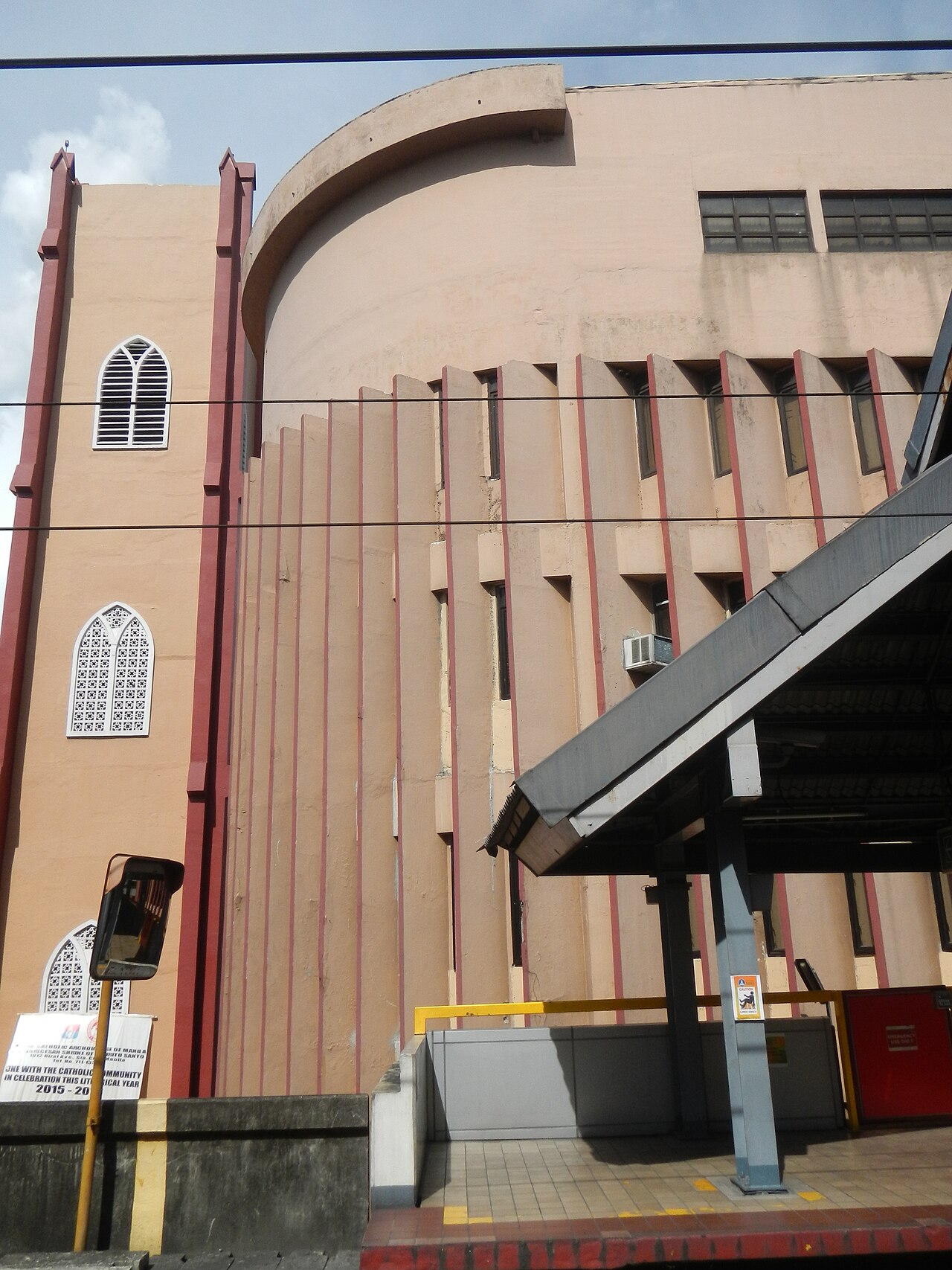
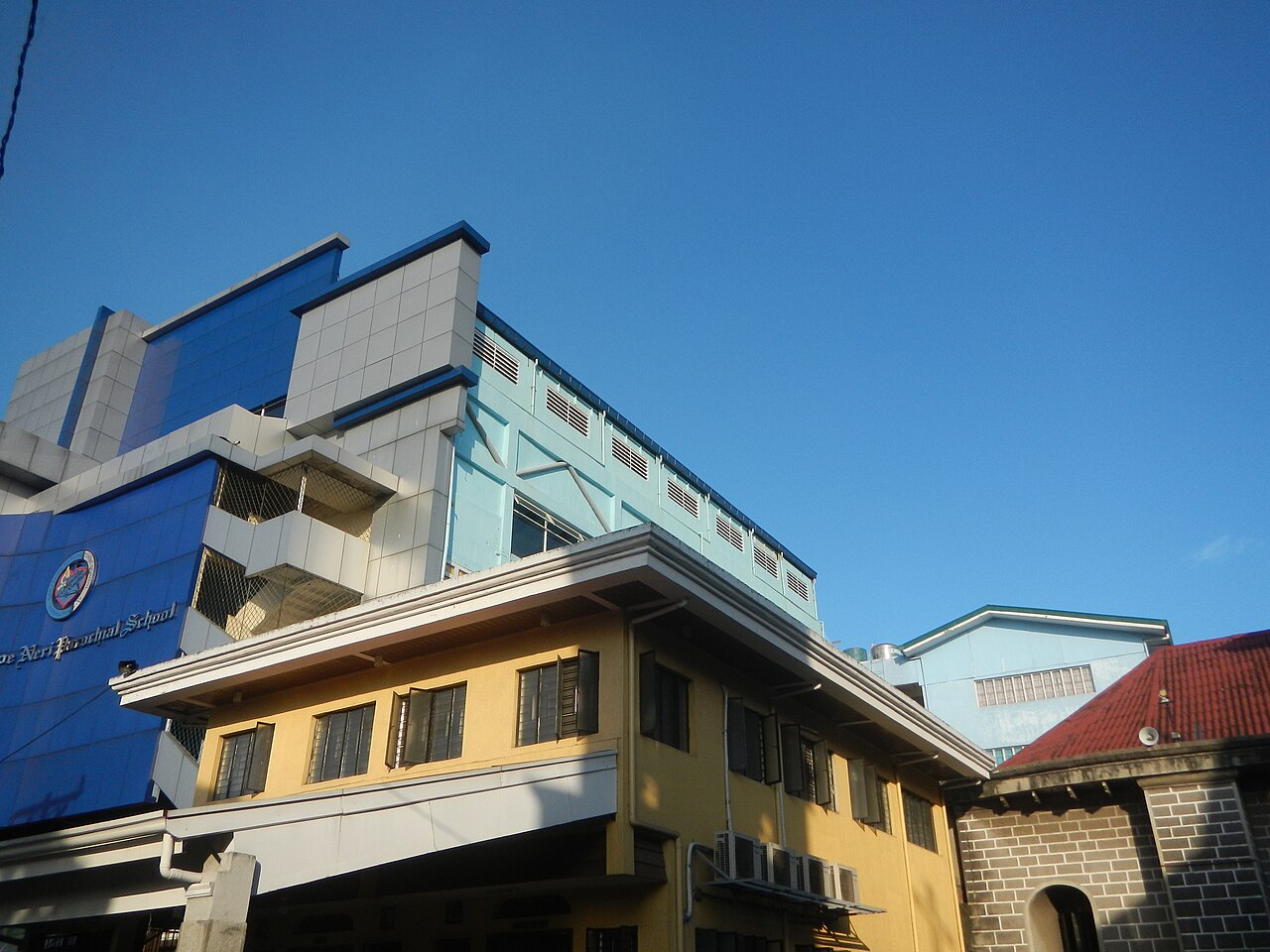
A parochial school is a privately run primary or secondary school linked to a religious organization. Its curriculum combines general religious instruction with secular subjects like science, math, and language arts. The term "parochial" shares its origin with "parish," as these schools originally served as the educational arm of local parish churches. Christian parochial schools are often referred to as "church schools" or "Christian schools." While religious schools affiliated with Jewish, Muslim, and other groups also exist, they are not typically called "parochial" due to the word's historical ties to Christian parishes.
United Kingdom
In the United Kingdom, parish schools from the established church in each constituent country formed the foundation of the state-funded education system. Many of these schools retain a church connection while offering a largely secular education that meets government standards. They are often primary schools, designated as "C.E. School" or "C.E. (Aided) School," depending on whether they receive full or partial funding from the Church of England (the latter being more common).
In 2002, Frank Dobson proposed an amendment to the Education Bill for England and Wales that would have limited faith schools' selection rights by requiring them to reserve at least a quarter of places for children of other or no faith, aiming to increase inclusivity and reduce social division. The proposal was defeated in Parliament. In 2005, David Bell, head of the Office for Standards in Education, stated, "Faith should not be blind. I worry that many young people are being educated in faith-based schools, with little appreciation of their wider responsibilities and obligations to British society." He argued that the growth of faith schools needed careful but sensitive government monitoring to ensure pupils understood not only their own faith but also other faiths and broader British societal tenets, specifically criticizing Islamic schools as a "threat to national identity."
In October 2006, Bishop Kenneth Stevenson, speaking for the Church of England, committed that all new Church of England schools would reserve at least 25% of places for children without requiring them to be from practicing Christian families. This commitment applied only to new schools, not existing ones. In September 2007, efforts to create Britain's first secular school were blocked.
Paul Kelley, head of Monkseaton High School in Tyneside, had proposed eliminating the daily act of Christian worship and making a fundamental change in the school's relationship with the country's established religion. In November 2007, the Krishna-Avanti Hindu school in northwest London became the first UK school to require vegetarianism as a condition of entry, with parents also expected to abstain from alcohol to prove their faith. That same month, the Jewish Free School in north London was found guilty of discrimination for prioritizing children born to Jewish mothers.
In January 2008, the House of Commons' Children, Schools and Families select committee raised concerns about government plans to expand faith schooling. Mary Bousted, general secretary of the Association of Teachers and Lecturers, warned, "Unless there are crucial changes in the way many faith schools run we fear divisions in society will be exacerbated. In our increasingly multi-faith and secular society it is hard to see why our taxes should be used to fund schools which discriminate against the majority of children and potential staff because they are not of the same faith."
England
In England, many schools are linked to the Church of England, which sets the school's ethos and can influence pupil selection when places are competitive. These form a large portion of England's 6,955 Christian faith schools. The Catholic Church also maintains schools, alongside 36 Jewish, seven Muslim, and two Sikh faith schools. Faith schools follow the same national curriculum as state schools.
Religious education in Church of England schools is monitored by the local diocese but typically does not take up much more timetable time than in secular schools. Although not state schools, about 700 unregulated madrassas in Britain serve roughly 100,000 Muslim children. Doctor Ghayasuddin Siddiqui, leader of the Muslim Parliament of Great Britain, called for government inspection of these madrassas after a 2006 report highlighted widespread physical and sexual abuse. Voluntary-aided schools, such as Church of England and Catholic schools, are allowed to discriminate against teachers based on their religious opinions, attendance at worship, and willingness to provide religious education.
Scotland
Scotland has its own distinct educational system, reflecting its history. While schools existed before the Reformation, widespread public education was pioneered by the Church of Scotland from 1560 onward, aiming for universal parish schools, and was given state support by the Education Act 1633. The Church handed over its parish schools to the state in 1872.
Though now known as "non-denominational" schools and open to all, their traditional links with Presbyterian and Episcopalian churches and clergy largely remain. Charitably funded Roman Catholic schools were brought into the state system by the Education (Scotland) Act 1918. While maintaining a strong Catholic ethos, Scottish Catholic schools have long welcomed pupils from other backgrounds.
Quick Facts
- Type
- Private religious primary/secondary school
- Curriculum
- Religious education plus secular subjects (science, math, language arts)
Facts from the source article.
Lore & Background
In British education, parish schools from the established church of the relevant constituent country formed the basis of the state-funded education system, and many schools retain a church connection while essentially providing secular education in accordance with standards set by the government of the country concerned. These are often primary schools, and may be designated as name C.E. School or name C.E. (Aided) School, depending on whether they are wholly or partly funded by the Church of England (the latter is more common). In 2002, Frank Dobson proposed an amendment to the Education Bill (for England and Wales) which would limit the selection rights of faith schools by requiring them to offer at least a quarter of places to children of another or no religion, in order to increase inclusivity and lessening social division. The proposal was defeated in Parliament.
In 2005, David Bell, the head of the Office for Standards in Education said 'Faith should not be blind. I worry that many young people are being educated in faith-based schools, with little appreciation of their wider responsibilities and obligations to British society. This growth in faith schools needs to be carefully but sensitively monitored by government to ensure that pupils receive an understanding of not only their own faith but of other faiths and the wider tenets of British society'. He criticised Islamic schools in particular, calling them a 'threat to national identity'.
In October 2006, Bishop Kenneth Stevenson, speaking on behalf of the Church of England, said 'I want to make a specific commitment that all new Church of England schools should have at least 25% of places available to children with no requirement that they be from practising Christian families.' This commitment applies only to new schools, not existing ones. In September 2007, attempts to create the first secular school in Britain were blocked. Paul Kelley, head of Monkseaton High School in Tyneside, proposed plans to eliminate the daily act of Christian worship, and 'a fundamental change in the relationship with the school and the established religion of the country'. In November 2007, the Krishna-Avanti Hindu school in north-west London became the first school in the United Kingdom to make vegetarianism a condition of entry.
Origins and the Meaning of Parochial
The term parochial school traces its roots to the word parish, reflecting the institution's origins as the educational arm of a local parish church. In its earliest form, these schools served as the learning extension of a congregation, blending religious instruction with the practical subjects children needed for daily life. Today, a parochial school is understood as a private primary or secondary institution tied to a religious body, offering a curriculum that weaves together general religious education with secular disciplines like science, mathematics, and language arts.
While Christian-affiliated institutions commonly go by the names church school or Christian school, the label parochial carries a specifically Christian historical weight. Religious schools connected to Jewish, Muslim, or other faith communities exist alongside them, yet they are rarely described as parochial precisely because the term's etymology is anchored in the Christian parish tradition. This linguistic distinction reveals how deeply the concept of local, faith-rooted education is embedded in Western Christian history, even as the broader category of faith-based schooling now spans many traditions.
Faith Schools in the English and British System
In the United Kingdom, the legacy of parish schools is woven directly into the fabric of public education. Schools originally established by the established church of each constituent country became the foundation upon which the state-funded system was built.
Many of these institutions still carry a visible church connection while delivering essentially secular education under government-set standards. In England, they frequently appear as primary schools designated either C.E. School or C.E. (Aided) School, the latter indicating partial Church of England funding, which is the more common arrangement. All follow the same national curriculum as state schools, and religious education in Church of England schools is overseen by the local diocese without consuming significantly more timetable space than in secular counterparts.
Inclusivity, Discrimination, and Political Debate
Who belongs in a faith school has been a flashpoint in Britain. In 2005, David Bell, head of the Office for Standards in Education, warned that faith-based schooling risked producing young people with limited awareness of broader civic responsibilities, singling out Islamic schools as a threat to national identity. Discrimination rulings added tension: the Jewish Free School in north London was found guilty of favouring children born to Jewish mothers, and the Krishna-Avanti Hindu school made vegetarianism and parental abstinence from alcohol conditions of entry. In January 2008, the House of Commons select committee voiced concern over expanding faith schooling, while Mary Bousted of the Association of Teachers and Lecturers asked why public taxes should fund institutions that exclude the majority.
Scotland's Distinct Parish School Heritage
Scotland's relationship with faith-based education follows a path distinct from England and Wales, shaped by its own Reformation-era history. While maintaining a strong Catholic ethos, Scottish Catholic schools have long welcomed pupils from other faith backgrounds, though they tend to give precedence to non-Catholics who come from families of faith. Employment practices reflect the church connection: the hiring of non-Catholics or lapsed Catholics can be restricted, and in some dioceses, applicants baptised as Catholic must present a certificate signed by their parish priest, with the rigour of approval varying by diocese.
Reader's Guide
Parochial schools are private religious schools that combine secular subjects with religious education. They are historically associated with Christian parishes, but similar schools exist for other faiths. In the UK, many church-affiliated schools are state-funded. In the US, parochial schools are typically private and funded by donations, with teachers often paid less than public school teachers.
Did You Know?
- The Wisconsin Evangelical Lutheran Synod (WELS) operates an extensive parochial school system.
Frequently Asked Questions
Why is the term 'parochial' used for these schools?
The word derives from 'parish,' reflecting the historical reality that these schools originated as the teaching wing of a local Christian parish church. The label has persisted even as similar institutions run by other faith traditions adopted different names.
Which religious groups operate parochial schools?
Christian denominations including the Catholic, Church of England, Lutheran, and Seventh-day Adventist churches are the most common operators, though Jewish, Muslim, Hindu, and Sikh communities also run comparable institutions. In common usage, the specific word 'parochial' is reserved for Christian-affiliated schools, while other faiths' schools go by different designations.
More in Education & Schools
Sources
Compiled from Wikipedia and the sources listed below. Text from Wikipedia is available under CC BY-SA 4.0; this entry is adapted from it.
- Wikipedia: Parochial school (CC BY-SA 4.0).
Spotted an error? Know more?
Reader corrections go straight into our review queue. Suggest an edit · How this site is sourced