Physical education
School subject promoting lifelong physical activity and well-being.
Last updated

Seauton 13 April 2017 · CC BY-SA 4.0
Physical education is a school subject taught around the world, from primary through secondary school and sometimes into higher education. Commonly shortened to Phys. Ed. or PE, it is also called gym class or simply gym in the United States.
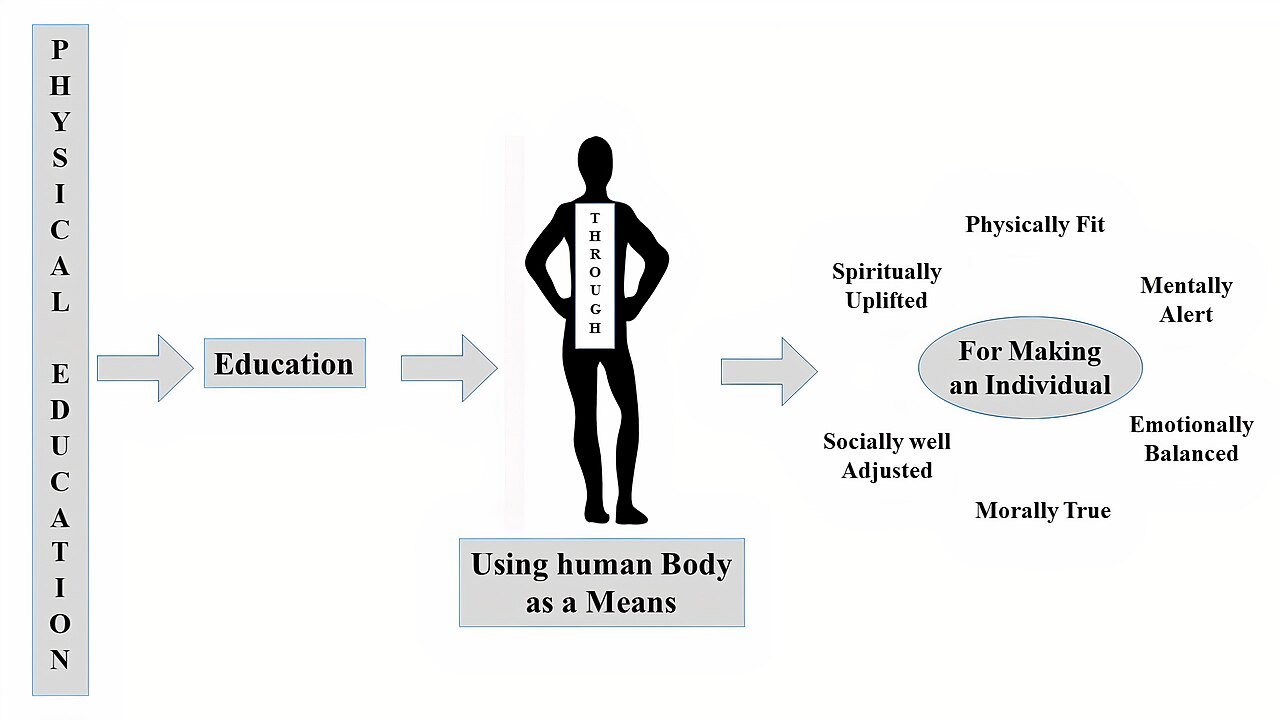
The subject aims to build physical fitness, motor skills, health awareness, and social interaction through sports, exercise, and movement education. Although specific curricula differ from country to country, PE generally seeks to encourage lifelong physical activity and overall well-being. What sets it apart from other academic subjects is that it involves students across multiple learning areas: psychomotor, cognitive, affective, social, and cultural.
Five Learning Bodies in PE (Core Learning Domains)
The field of physical education has traditionally focused on three learning domains: affective, cognitive, and psychomotor. More recently, researchers from Australia, Sweden, and the United Kingdom have expanded this to include two additional domains—social and cultural—reframing them as the Five Learning Bodies: Moving Body, Thinking Body, Emotional Body, Social Body, and Cultural Body. The Moving Body centers on physical skills and motor control, forming the basis of traditional PE activities. The Thinking Body involves cognitive engagement, such as understanding rules, strategies, and decision-making.
The Social Body highlights collaboration, communication, and relationship-building through movement. The Emotional Body addresses feelings like joy, frustration, confidence, and anxiety, and how they affect motivation and well-being. The Cultural Body recognizes how students’ backgrounds, values, and societal norms shape their participation in physical activities. By integrating these five bodies, teachers can offer a more holistic approach that goes beyond just physical activity.
Curriculum approaches to physical education
There are three main curriculum approaches to physical education, as identified by Ennis: the Factory, Garden, and Journey models. The Factory model treats education like an assembly line, with standardized instruction and assessment—for example, all students practicing the same basketball drills and being timed on lay-ups. This approach emphasizes efficiency and outcomes but can overlook individual needs. The Garden model sees students as unique individuals needing nurturing, focusing on emotional well-being, inclusivity, and choice.
A teacher might let students set personal fitness goals and reflect on progress. The Journey model frames PE as an ongoing process of exploration, where learning is guided by curiosity and reflection. Students might co-create games, explore cultural sports, or investigate how activity affects mental health. These approaches are rarely used in pure form; instead, teachers and schools typically blend elements from each.
Quick Facts
- Field
- Education
- Known for
- Developing physical fitness
- motor skills
- health awareness
- and social interaction through movement
- Curriculum approaches
- Factory
- Garden
- Journey
- and Critical approaches
- Learning domains
- Moving Body
- Thinking Body
- Social Body
- Emotional Body
- Cultural Body
Facts from the source article.
Lore & Background
Physical education content differs internationally, as physical activities often reflect the geographic, cultural, and environmental features of each region. While the purpose of physical education is debated, one of its central goals is generally regarded as socializing and empowering young people to value and participate in diverse movement and physical activity cultures.
Historically, the field of physical education has focused on three learning domains: affective, cognitive, and psychomotor. More recently, however, scholarship in physical education has acknowledged two additional, social and cultural domains of learning. Researchers from Australia, Sweden and the United Kingdom have re-formulated the Domains of Learning to be understood as Five Learning Bodies: Moving Body, Thinking Body, Emotional Body, Social Body, and Cultural Body.
The Five Learning Bodies: A New Framework for Understanding PE
The field of physical education has undergone a significant conceptual evolution in how scholars understand what students actually learn in a PE setting. For decades, the discipline organized its thinking around three domains: affective, cognitive, and psychomotor.
However, researchers from Australia, Sweden, and the United Kingdom have since expanded this model, drawing on broader academic literature in education, to propose what they call the Five Learning Bodies. These are the Moving Body (physical competencies and motor skills), the Thinking Body (cognitive engagement with rules, strategies, and critical thinking), the Emotional Body (feelings such as joy, frustration, confidence, and anxiety that shape motivation and well-being), the Social Body (collaboration, communication, empathy, and community-building through activity), and the Cultural Body (how students' backgrounds, values, and societal norms influence their participation). By integrating all five, educators can move beyond a narrow focus on physical performance and instead foster inclusive, multifaceted learning experiences that honor the full complexity of student development.
Factory, Garden, and Journey: Three Philosophies of Curriculum Design
Ennis identified three principal curriculum philosophies that shape how PE is delivered in schools. The Factory model treats the classroom like an assembly line: students work through standardized drills, are timed, scored against rubrics, and expected to hit uniform performance benchmarks. A basketball unit where every learner runs the same lay-up sequence and is judged on accuracy and speed exemplifies this efficiency-driven approach. At the opposite end sits the Journey model, which frames PE as an unfolding exploration guided by curiosity and reflection.
Here, teachers and students co-create experiences—perhaps researching traditional Indigenous games, learning their rules, and teaching them to peers while discussing cultural significance. The Garden model occupies a middle ground, nurturing each student's unique potential through choice, inclusivity, and emotional safety; a fitness unit where learners set personal goals around flexibility or stress management and reflect weekly on progress captures this spirit. In practice, no school commits fully to one model. Educators blend all three, shifting emphasis depending on whether the moment calls for skill mastery at the Factory end or critical thinking and personal meaning at the Journey end.
A Global Subject Shaped by Local Culture
Physical education is taught in schools across the globe, spanning primary, secondary, and in some cases tertiary levels. In the United States, students colloquially call it gym class or gym, while elsewhere it goes by Phys. Ed. or simply PE. What makes the subject distinctive among academic disciplines is its simultaneous engagement of the psychomotor, cognitive, affective, social, and cultural dimensions of learning—a breadth no other classroom subject typically demands. Yet the content of PE is far from universal.
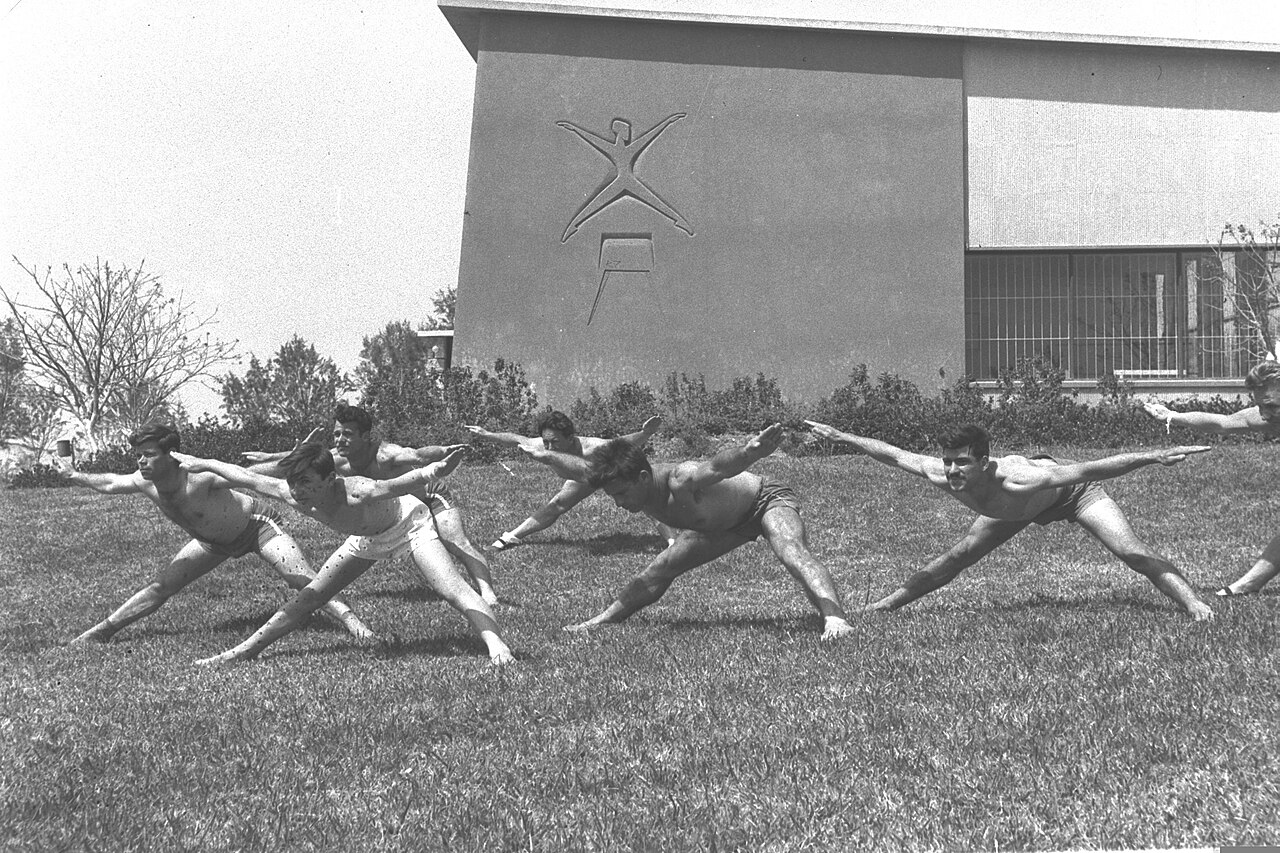
Because physical activities tend to mirror the geographic, cultural, and environmental characteristics of each region, a PE curriculum in one country can look radically different from another. The central purpose of the subject is, admittedly, debated among scholars and practitioners. Still, one widely accepted goal is to socialize and empower young people so they come to value and actively participate in diverse movement and physical-activity cultures. The overarching aim, regardless of local variation, is to cultivate lifelong physical activity and well-being.
The Critical Turn: Social and Cultural Dimensions in PE
While traditional PE instruction centered on physical skill acquisition, a distinct critical approach to curriculum has emerged that is not captured by the Factory, Garden, or Journey models. This critical approach is specifically linked to addressing the social and cultural dimensions of physical education, pushing the subject beyond mere movement and performance. It dovetails naturally with the Cultural Body and Social Body dimensions of the Five Learning Bodies framework, which together emphasize how students' cultural backgrounds, values, and societal norms shape their participation and experiences.
The Emotional Body dimension adds another layer, recognizing that feelings such as joy, frustration, confidence, and anxiety are not peripheral to learning but are central to motivation, engagement, and overall well-being in PE settings. The Social Body dimension further highlights how collaboration, communication, empathy, and community-building through physical activity are essential learning outcomes. Together, these perspectives signal a field in transition: one moving from a narrow, performance-oriented discipline toward a more inclusive, reflective practice that treats the whole student—body, mind, emotions, relationships, and cultural identity—as the true object of education.
Reader's Guide
Physical education is significant as a near-universal school subject that engages students across multiple learning domains—psychomotor, cognitive, affective, social, and cultural. Its curriculum approaches vary, with Ennis identifying three main models: Factory (standardized skill mastery), Garden (nurturing individual potential and inclusivity), and Journey (exploration and co-creation of meaning).
A critical approach also exists, aiming to transform PE into a space for questioning whose bodies and knowledges are valued. The main goals of modern PE include exposing children to a wide variety of healthy activities, teaching lifelong fitness skills, encouraging self-monitoring, individualizing activity, focusing feedback on effort, and providing active role models. These goals are shaped by national, state, and local guidelines, and are influenced by pioneers such as Francois Delsarte, Liselott Diem, and Rudolf von Laban, who emphasized self-expression through movement.
More in Education & Schools
Sources
Compiled from Wikipedia and the sources listed below. Text from Wikipedia is available under CC BY-SA 4.0; this entry is adapted from it.
- Wikipedia: Physical education (CC BY-SA 4.0).
Spotted an error? Know more?
Reader corrections go straight into our review queue. Suggest an edit · How this site is sourced