
Oral exam
A spoken assessment used across education and certification.
Last updated

fawke · CC BY-SA 2.0
The oral exam, also known as an oral test or viva voce (Rigorosum in German-speaking nations), is a practice in many schools and disciplines in which an examiner poses questions to the student in spoken form. The student must answer in a way that demonstrates sufficient knowledge to pass. It helps reduce the risk of granting a degree to a candidate who has had a thesis or dissertation ghostwritten.
Quick Facts
- Also known as
- oral test
- viva voce
- Rigorosum
- Purpose
- to test knowledge and ability to respond on the spot
- Alternative to
- written exam for students with learning disabilities
- Related terms
- comprehensive examination, final examination
Facts from the source article.
Lore & Background
Many science programs require bachelor's degree students to finish with an oral exam or a combination of oral and written exams. Study guides or syllabi are often made available for preparation. There is a small but growing body of literature on oral examinations in undergraduate education in the English-speaking world. Some medical schools use oral exams for second and third year students to test both knowledge and the ability to respond on the spot.
Purpose and Core Function
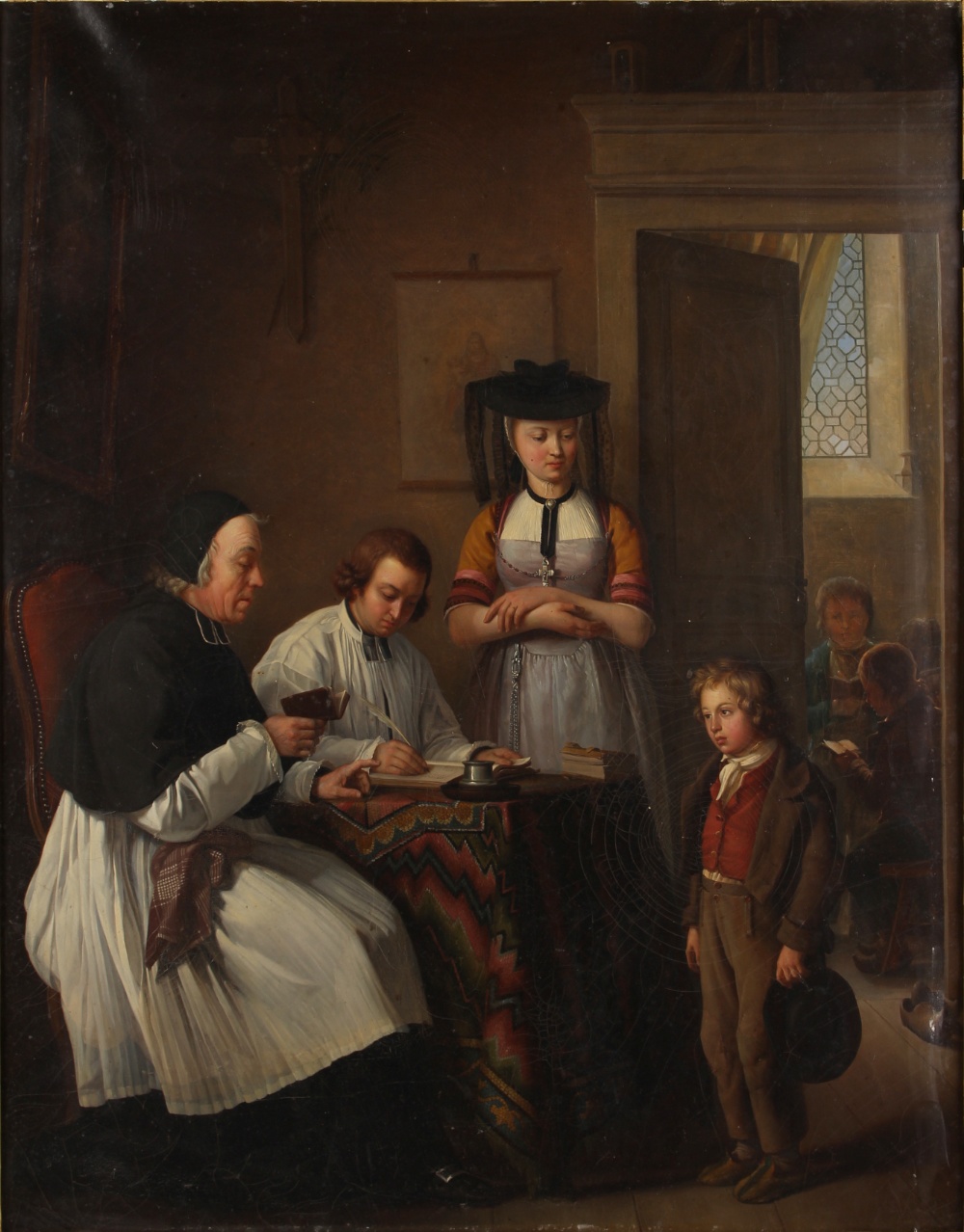
The oral exam, known in German-speaking countries as the Rigorosum and elsewhere as a viva voce, serves a fundamental purpose in educational assessment: it requires a student to demonstrate, through spoken response, that they possess adequate command of a subject area. An examiner poses questions verbally, and the candidate must construct answers that prove sufficient understanding to earn a passing grade.
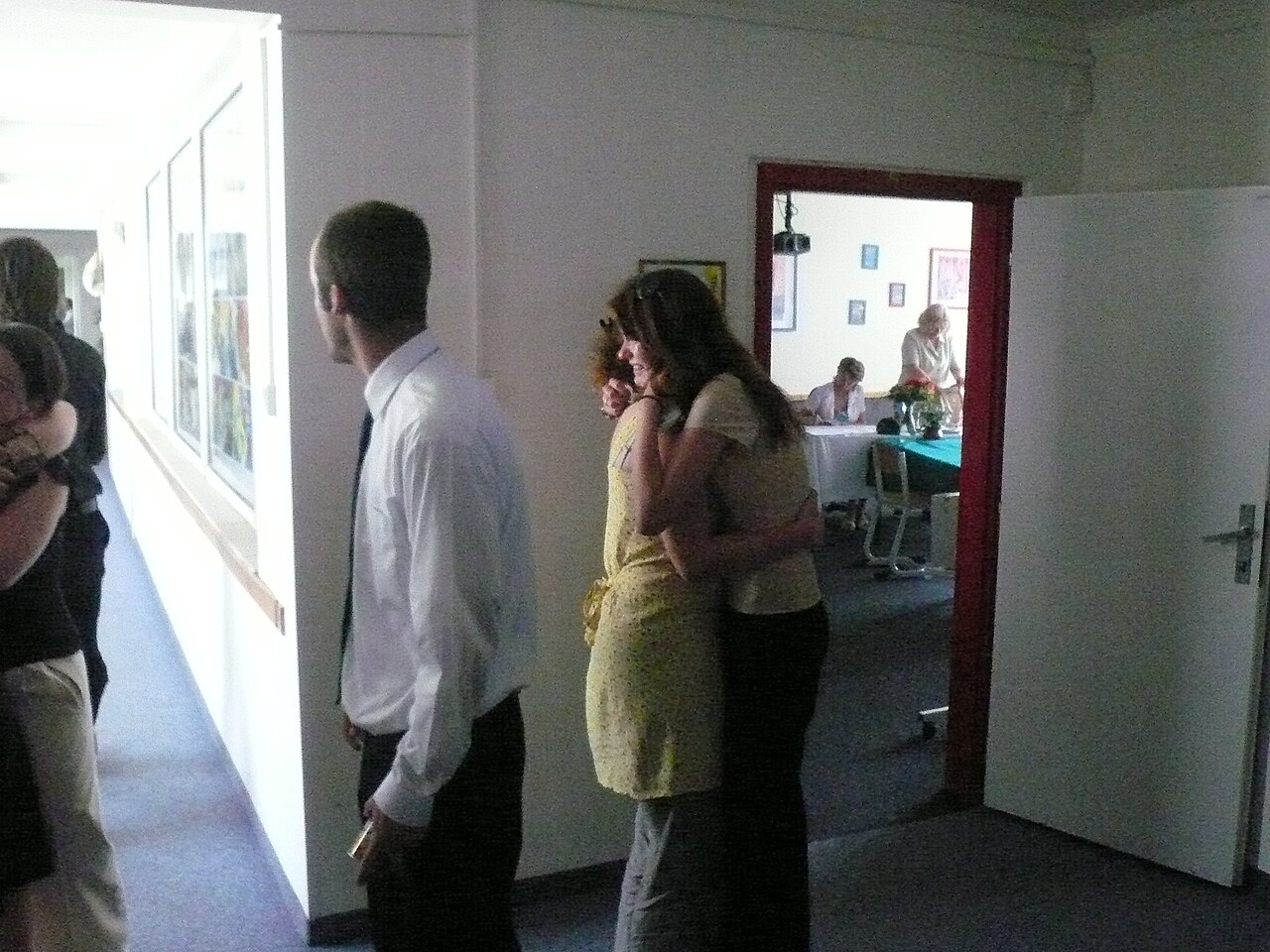
Beyond measuring knowledge, the format carries an important integrity function. Because the student must think and respond in real time, the oral exam significantly reduces—though it cannot fully eliminate—the possibility that a degree is awarded to someone whose written thesis or dissertation was actually produced by a ghostwriter. In medical education, this real-time dimension is especially valued, as second- and third-year students are tested not only on what they know but on their capacity to reason and articulate under pressure, responding on the spot to questions they have not seen in advance.
Placement Across Academic Levels
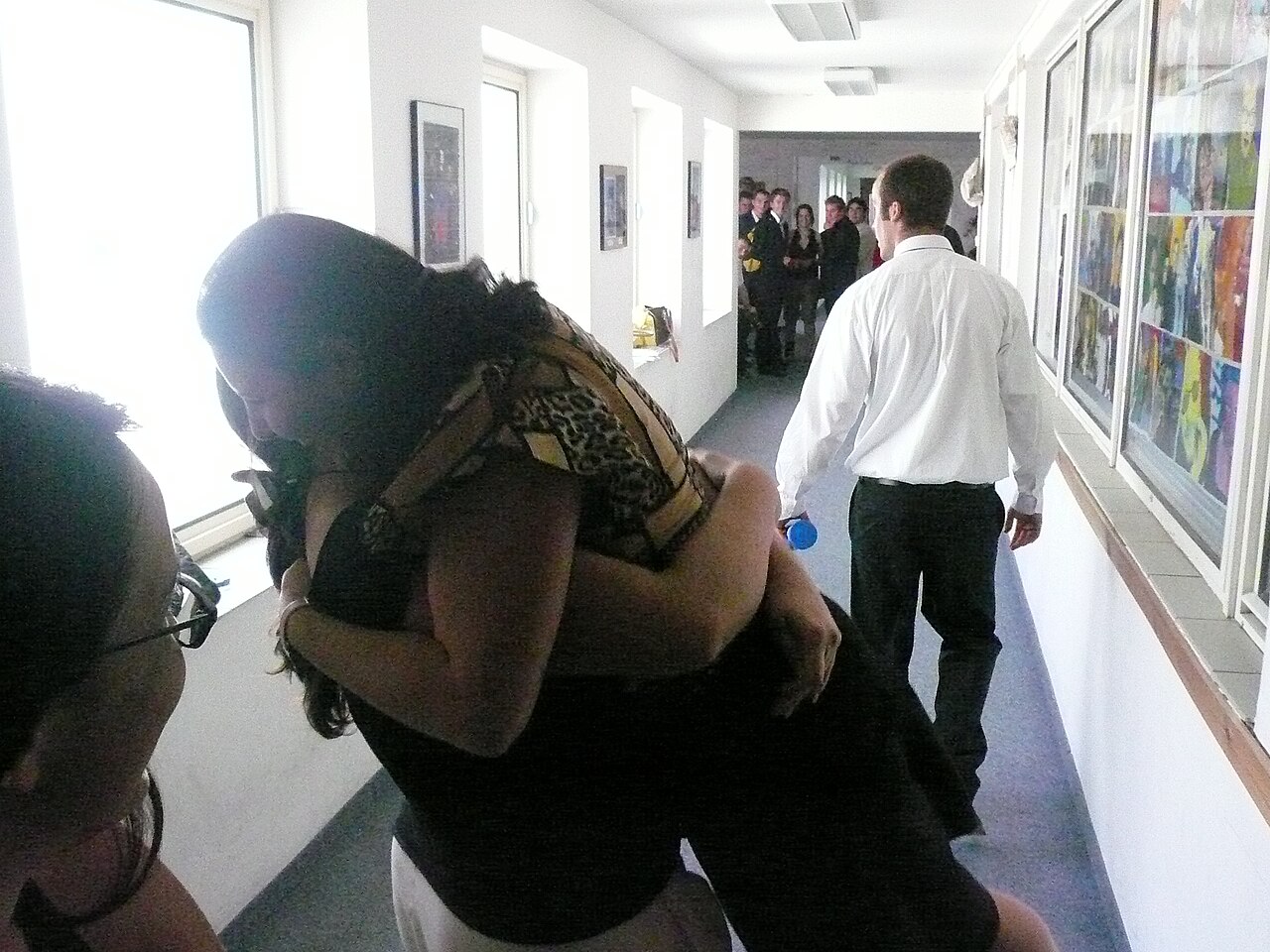
Oral examinations occupy a distinct position at multiple stages of higher education. In many science programs, bachelor's-degree candidates must complete an oral exam—or a blend of oral and written components—to demonstrate their grasp of the material covered throughout the program. At the medical school level, these spoken assessments appear in the second and third years, testing both factual recall and the ability to think aloud. Before a PhD is conferred, an oral exam is a standard prerequisite, and some institutions permit students to satisfy graduation requirements through written and oral exams, a project or thesis, or occasionally all three simultaneously.
A key distinction exists between the general oral exam and a thesis defense: the latter focuses on narrower, more specific questions tied directly to the candidate's own research topic. At the graduate level, a degree of autonomy is sometimes granted, as students may be permitted to select their own examiners. The practice also appears in non-university credentialing, such as the Private Pilot Oral Exam mandated by the FAA and CAA, and the assessments conducted by the UK's Maritime and Coastguard Agency for Merchant Navy deck and engine officers.
Accommodation and Specialized Fields
Beyond traditional academic settings, the oral exam functions as a vital accessibility accommodation. For students who face learning disabilities such as dysgraphia, developmental coordination disorder, or non-verbal learning disorder, a spoken examination can serve as a practical alternative to a written test, allowing them to demonstrate their knowledge without the physical or cognitive barriers that written formats impose. In many cases, it falls to the student's parents to formally request that an oral exam be administered in place of the written version. The format also extends well beyond the classroom.
In music education, the viva voce is a standard component of diploma examinations run by bodies like ABRSM, Trinity College of Music, and the London College of Music, where examiners question candidates about their selected pieces, the relevant composer, and the historical musical era. Depending on the examining board, candidates may additionally be asked to produce a brief written commentary on their repertoire. In aviation and maritime professions, oral components are embedded in practical licensing tests, ensuring that candidates can articulate their understanding of safety-critical procedures under direct questioning.
Preparation and Growing Scholarship
Although the oral exam demands spontaneous, unscripted responses, preparation plays a central role in how candidates approach it. In many programs, study guides or detailed syllabi are distributed in advance, outlining the topics and practice questions most likely to appear, so that students can structure their revision around probable areas of inquiry. In music diploma settings, for instance, candidates are expected to know not only their chosen pieces but also the broader context of the composer and era, and some boards require a short written analysis alongside the spoken component.
Despite its long history, the oral exam has only recently attracted sustained scholarly attention. A small but growing body of literature now examines its use in undergraduate education, particularly within the English-speaking world, exploring its pedagogical value, fairness, and effectiveness as an assessment tool. This emerging research base suggests that what was once treated as a straightforward institutional ritual is increasingly being scrutinized through the lens of educational measurement and learning outcomes.
Reader's Guide
The oral exam is significant as a method of assessment that directly tests a student's ability to articulate knowledge under pressure, reducing the risk of ghostwritten work. It is used across many levels, from undergraduate science programs to PhD candidacy, and in professional certifications such as the Private Pilot Oral Exam for FAA and CAA practical tests, and the Maritime and Coastguard Agency exams for Merchant Navy officers.
In music, the viva voce is a component of diploma examinations by ABRSM, Trinity College of Music, and London College of Music, where candidates answer questions about their pieces, composer, and musical era. The oral exam also serves as an alternative for students with learning disabilities like dysgraphia or developmental coordination disorder, often requiring a parent's request. Its legacy lies in its adaptability across disciplines and its role in ensuring genuine understanding.
More in Education & Schools
Sources
Compiled from Wikipedia and the sources listed below. Text from Wikipedia is available under CC BY-SA 4.0; this entry is adapted from it.
- Wikipedia: Oral exam (CC BY-SA 4.0).
Spotted an error? Know more?
Reader corrections go straight into our review queue. Suggest an edit · How this site is sourced