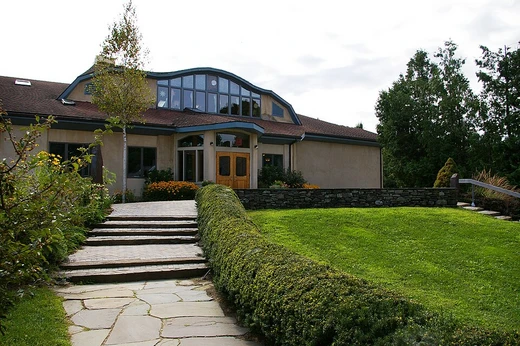
All-through school
A school educating across multiple childhood and adolescent stages.
An all-through school, or integrated school, teaches children across multiple educational stages, often from age three to nineteen, covering both childhood and adolescence within a single institution.
By country
In the Philippines, private schools can cover more than one level of education. For instance, De La Salle University, the University of the East, Gingoog Christian Colleges, and San Beda University run both basic education and college programs. Some private schools, like APEC Schools, provide both types of secondary education, while others, such as Ingenium School, offer the full range of basic education from preschool through senior high school.
Public universities in the Philippines are usually not allowed to offer basic education because the Department of Education and the Commission on Higher Education have separate responsibilities. However, a temporary exception was made for a few years during the rollout of the K–12 curriculum to make room for new senior high school students. The University of the Philippines, a state university system, does run basic education campuses, including the UP Integrated School, University of the Philippines High School Iloilo, and University of the Philippines Rural High School.
In Singapore, the NUS High School of Math and Science is a specialized high school under the National University of Singapore and is the only high school there backed by a parent university. All-through schools combine primary and secondary education and can serve students from as young as three up to nineteen years old. In England, only 13 state all-through schools existed in 2009, but the number grew quickly under the Cameron–Clegg coalition government's Free school programme.
State all-through schools also operate in Scotland and Wales, and this model is common in the private sector as well. Supporters point out that this structure gives younger students access to more specialized teaching in certain subjects than they might get at a separate primary school, and it eases the transition from primary to secondary school. Another argument is that keeping students at the same school throughout their education makes it simpler to address their individual needs.
More in Education & Schools
Spotted an error? Know more?
Reader corrections go straight into our review queue. Suggest an edit · How this site is sourced