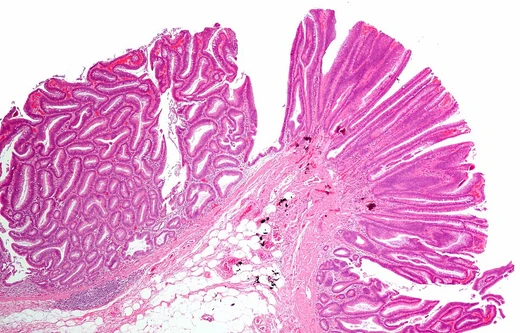
Liver metastasis
Secondary liver cancer from another organ's malignancy.
Last updated
A liver metastasis is a malignant tumor that has spread to the liver from a primary cancer elsewhere in the body. It is also known as secondary liver cancer or metastatic liver disease. The liver is a frequent site for metastasis due to its rich dual blood supply from the hepatic artery and portal vein, and metastatic tumors here are about 20 times more common than primary liver tumors.
Quick Facts
- Field
- Hepatology, oncology
Facts from the source article.
Causes
When cancer spreads, it often reaches the liver. This happens because the liver has a strong blood flow, filters blood from the digestive system, and contains many cell types. Metastatic tumors in the liver are more common than primary liver cancers. Most come from adenocarcinomas, but squamous cell carcinoma, neuroendocrine tumors, lymphoma, sarcoma, and melanoma can also appear.
Mechanism
Various liver cell types—including Kupffer cells, parenchymal hepatocytes, sinusoidal endothelial cells, dendritic cells, and blood-based immune cells—promote and sustain metastasis. The process has four phases: microvascular development, pre-angiogenic phase, angiogenic phase (blood vessel growth), and tumor growth. Tumor emboli entering sinusoids may be obstructed by Kupffer cells, but larger emboli tend to lodge in portal venous branches.
Treatment
First-line treatment is surgical resection (hepatectomy). Other options include chemotherapy, radiofrequency ablation, microwave ablation, intrahepatic pump, transcatheter arterial chemoembolization, selective internal radiation therapy, and irreversible electroporation. For most patients, both lobes are involved, making resection impossible.
Younger patients with up to four colorectal metastases confined to one lobe may undergo partial hepatectomy, with reported 5-year survival rates of 60% following resection. When curative resection is not possible, percutaneous ethanol injection has been suggested but lacks sufficient evidence for effectiveness and safety. Newer approaches include systemic therapies, bevacizumab, cetuximab, and immunomodulator medications.
Did You Know?
- Overall survival may be lower in people with primary cancer in the testis, breast, prostate, anus, and people with melanoma.
- In 50% of all cases the primary tumor is of the gastrointestinal tract.
- A careful search for other metastases is required, including local recurrence of the original primary tumor and dissemination elsewhere.
More in Digestive System Neoplasia
Sources
Compiled from Wikipedia and the sources listed below. Text from Wikipedia is available under CC BY-SA 4.0; this entry is adapted from it.
- Wikipedia: Liver metastasis (CC BY-SA 4.0).
Spotted an error? Know more?
Reader corrections go straight into our review queue. Suggest an edit · How this site is sourced