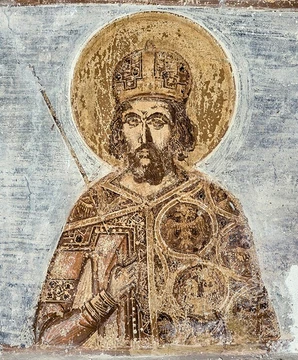
Vibia Aurelia Sabina
Youngest daughter of Marcus Aurelius and Faustina the Younger.
Last updated
Vibia Aurelia Sabina, the youngest child of Roman Emperor Marcus Aurelius and Roman Empress Faustina the Younger, was born around 170 AD. She was a sister to Roman Empress Lucilla and Roman Emperor Commodus. Her maternal grandparents were Roman Emperor Antoninus Pius and Roman Empress Faustina the Elder, while her paternal grandparents were Domitia Lucilla and praetor Marcus Annius Verus.
Life
Aurelia Sabina may have been born in Sirmium, Pannonia, during the year her parents were preparing war expeditions there. She was named after the late Roman Empress Vibia Sabina and the distinguished suffect consul Lucius Vibius Sabinus; Vibia Sabina was a relative of her parents, being the step-sister of Rupilia Faustina, who was the paternal grandmother of Marcus Aurelius and the maternal grandmother of Faustina the Younger. Throughout her childhood she traveled extensively with her parents across the Roman Empire.
Before her father died in 180 AD, she was betrothed to the African Roman Senator Lucius Antistius Burrus, who came from Thibilis near Hippo Regius in the Africa Province. After her brother Commodus became emperor, she married Antistius Burrus in Rome, and they settled in Thibilis. Her husband served as ordinary consul in 181 AD. In 188 AD, Antistius Burrus was involved in a conspiracy against Commodus with other senators; when uncovered, he was put to death, but Aurelia Sabina was not involved and survived her brother's persecutions.
After his death, she married Lucius Aurelius Agaclytus, a Romano-Greek Freedman of Equestrian rank, and spent her remaining years in Thibilis. Her marriages appear to have produced no children. Due to her status and connections, she became a prominent Italian resident in North Africa. Surviving inscriptions from Thibilis record that she was an important patrona there and was made an honorary citizen.
The nearby city of Calama was promoted to Roman colonia while sponsored by her, and the city honored her as their patrona.
More in Daughters of Roman Emperors
Sources
Compiled from Wikipedia and the sources listed below. Text from Wikipedia is available under CC BY-SA 4.0; this entry is adapted from it.
- Wikipedia: Vibia Aurelia Sabina (CC BY-SA 4.0).
Spotted an error? Know more?
Reader corrections go straight into our review queue. Suggest an edit · How this site is sourced