Amatriciana
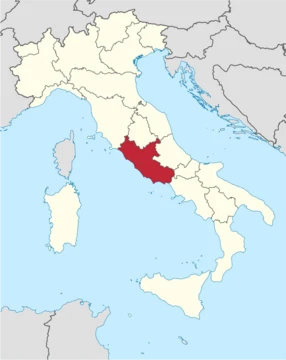
A tomato-based pasta sauce from Amatrice, Lazio.
Amatriciana is a pasta sauce made with tomatoes, guanciale, pecorino cheese, black pepper, dried chili pepper, olive oil, white wine, and salt. It originated in the municipality of Amatrice in the province of Rieti, Lazio, and is one of the best-known pasta sauces in Roman and Italian cuisine. The Italian government has recognized it as a prodotto agroalimentare tradizionale of Lazio, and amatriciana tradizionale is registered as a traditional speciality guaranteed in the EU and the UK.
Quick Facts
- Country
- Italy
- Region
- Amatrice (province of Rieti), Lazio
- Main ingredients
- Tomatoes
- guanciale
- pecorino
- black pepper
- chili pepper
- extra virgin olive oil
- dry white wine
- Variations
- Onion
- garlic
- strutto
- peperoncino
Facts from the source article.
Development
Amatriciana sauce began as a dish called pasta alla gricia. The name gricia has murky origins. One idea points to the grici, vendors of everyday foods in papal Rome, many of whom came from Valtellina, then part of the Swiss canton of Grigioni. Another theory links it to the hamlet of Grisciano, near Amatrice in the municipality of Accumoli.
The original sauce, sometimes called amatriciana bianca, used guanciale and grated pecorino, with a little olive oil added later. In Amatrice itself, this was still the recipe in the 1960s. Tomatoes entered the picture in the late 1700s, when the first tomato sauces were invented, likely marking the moment tomato joined gricia to create amatriciana. Tomatoes reached Europe through the Columbian Exchange via Spain.
The earliest known written mention of pasta with tomato sauce is in L'Apicio Moderno, a 1790 cookbook by Roman chef Francesco Leonardi. Over the 1800s and early 1900s, the dish grew famous in Rome, thanks to a long-standing bond between the city and Amatrice. In Romanesco dialect, the name became matriciana through apheresis. Today, the tomato-free gricia is still made in central Italy, but the tomato version, amatriciana, is far more widely known. In Amatrice, spaghetti is traditional; in Rome, bucatini is now the usual choice.
Variants
The recipe has several variants depending on ingredient availability. In Amatrice, guanciale and tomato are typical, and onion is not favoured, though it appears in classical Roman cookbooks. The former mayor of Amatrice stated, 'Garlic in amatriciana, never. And no onion, either, whatever some may say.' When chef Carlo Cracco suggested sautéing an unpeeled garlic clove and removing it, the municipal government of Amatrice responded that the only ingredients are guanciale, pecorino, white wine, San Marzano tomatoes, black pepper, and chili pepper. Olive oil is most common for frying, but lard is also used. The cheese may be pecorino romano or pecorino di Amatrice.
More in Cuisine of Lazio
Spotted an error? Know more?
Reader corrections go straight into our review queue. Suggest an edit · How this site is sourced