Bucatini
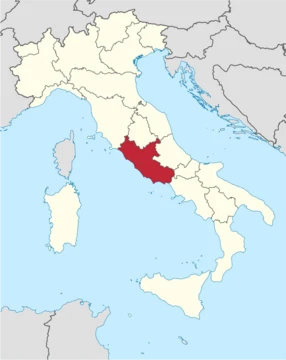
A hollow pasta from Lazio, often paired with amatriciana sauce.
Bucatini, also called perciatelli, is a thick spaghetti-like pasta with a hole running through its center. It is common throughout Lazio, particularly Rome.
Quick Facts
- Country
- Italy
- Main ingredients
- Durum wheat flour, water
- Variations
- Ziti, zitoni
Facts from the source article.
Composition and use
Bucatini is a hollow pasta made from durum wheat flour and water, typically 25 to 30 centimeters long and 3 millimeters wide. It cooks in about nine minutes. In Italian cooking, it pairs well with buttery sauces, guanciale, vegetables, cheese, eggs, and anchovies or sardines. A classic preparation is bucatini all'amatriciana, which uses guanciale from the pork jowl. For bucatini gricia, if guanciale is not available, prosciutto and red pepper flakes can be used instead. Bucatini gricia is a version of pasta alla gricia, combining guanciale with pecorino cheese. Guanciale itself is cured pork cheeks, seasoned with salt, black pepper, and chili powder, aged for a month in a basin, then hung to age another month. Florence Fabricant warned against substituting bacon, which is too smoky, or pancetta, which is too lean.
Preparation
Most pasta is made by rolling dough into flat sheets and slicing it into ribbons, but bucatini is different: it must be extruded. The dough is pushed through a perforated disk, much like a meat grinder, using tiny round holes that shape it into long tubes. These tubes are cut to length and can be cooked fresh or dried. You can make bucatini at home with a stand mixer and pasta extruder. Because raw bucatini has a hole in the middle, you have to handle it carefully so the hole doesn't get squeezed shut before cooking.
More in Cuisine of Lazio
Spotted an error? Know more?
Reader corrections go straight into our review queue. Suggest an edit · How this site is sourced