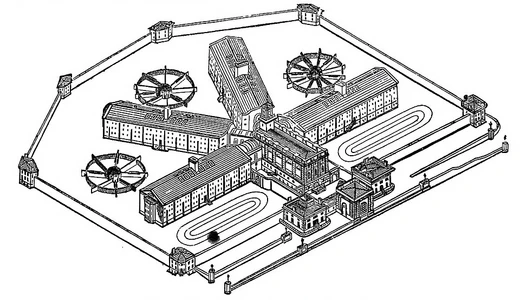
Torture
Torture is the deliberate infliction of severe pain or suffering.

Silar · CC BY-SA 4.0
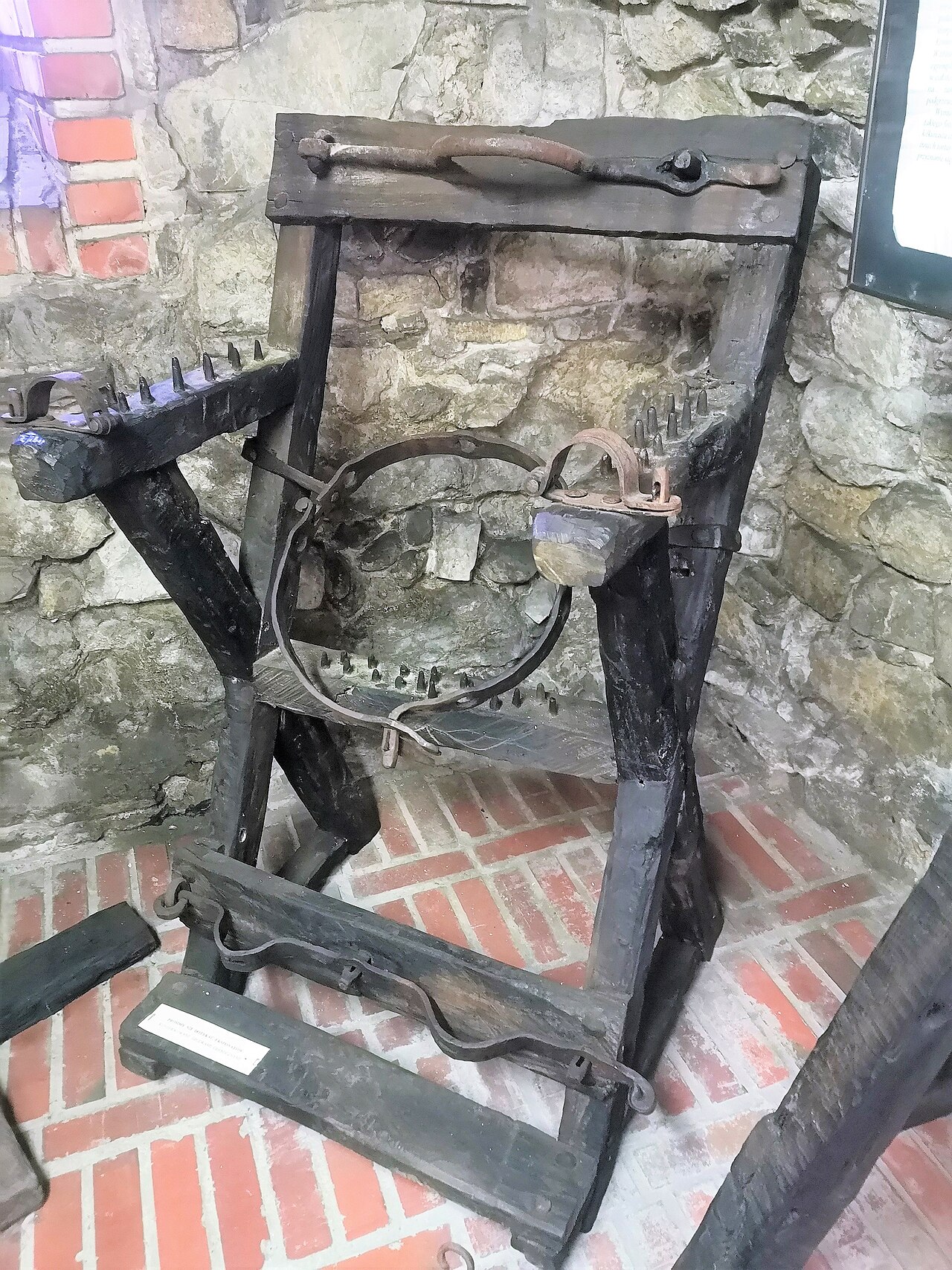
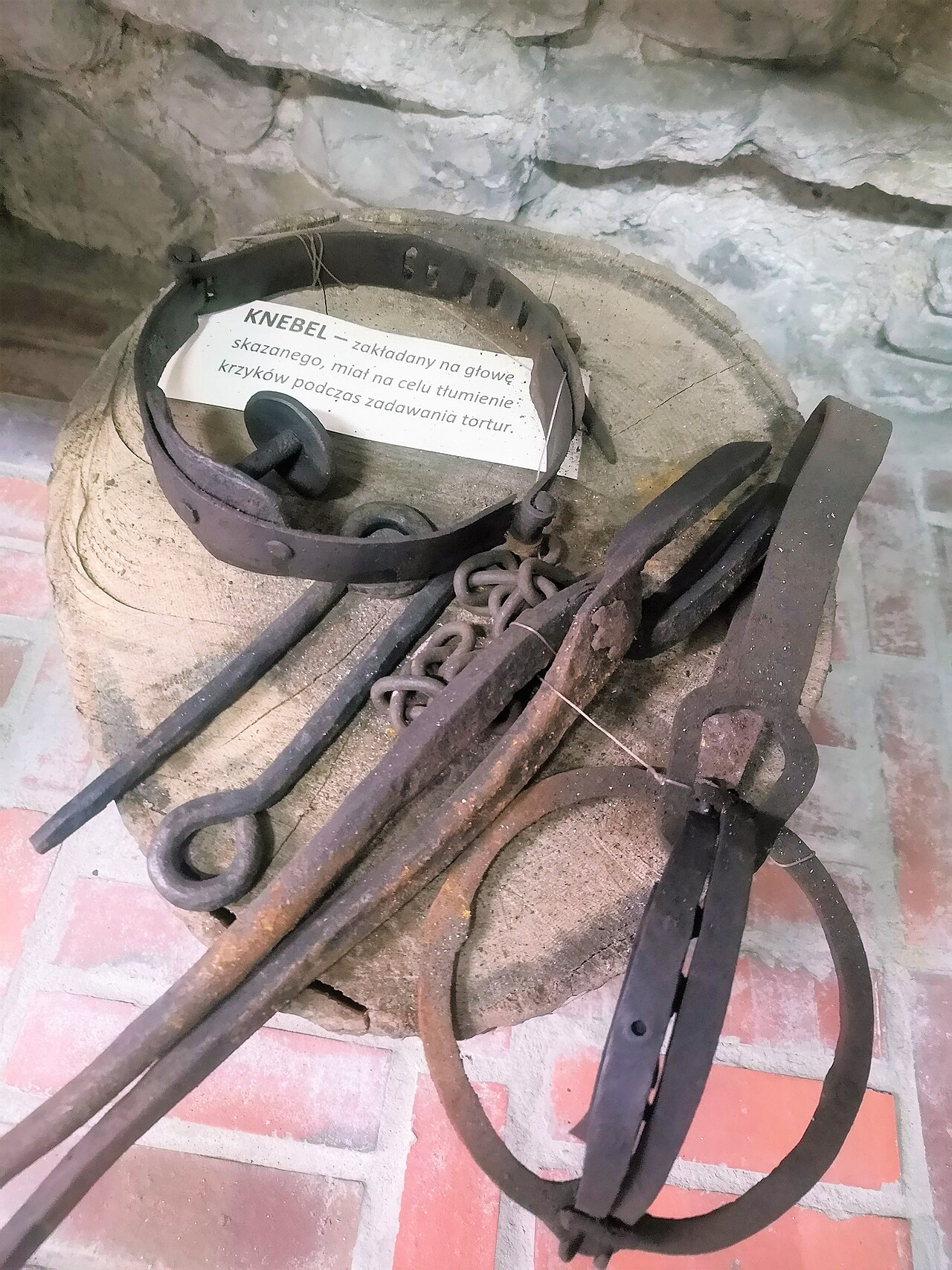
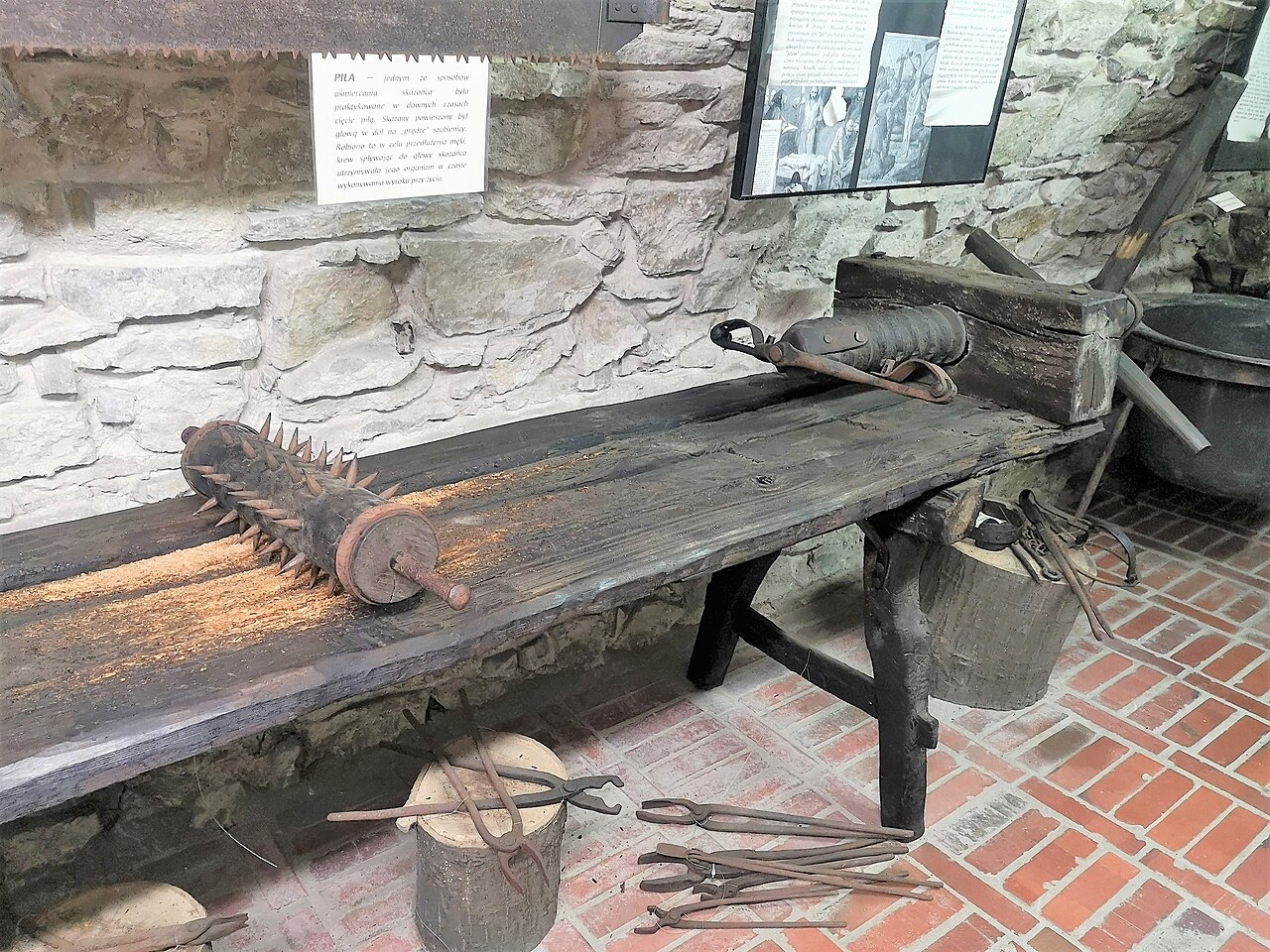
Torture is the deliberate infliction of severe pain or suffering on a person for reasons including punishment, extracting a confession, interrogation for information, or intimidating third parties. Most victims are poor and marginalized individuals suspected of crimes, though torture against political prisoners or during armed conflict has historically drawn more attention. A variety of methods are used, often in combination, with beatings being the most common form of physical torture. Since the twentieth century, many torturers have favored non-scarring or psychological techniques to maintain deniability. Torturers more often act out of fear or due to limited resources rather than sadism, and while they rarely receive explicit orders, they are enabled by organizations that facilitate and encourage their behavior. Once a torture program begins, it usually escalates beyond initial intentions and can lead to involved agencies losing effectiveness. The practice aims to break the victim’s will and destroy their agency and personality, and it is cited as one of the most damaging experiences a person can undergo. Many survivors suffer chronic pain and mental sequelae, with high rates of post-traumatic stress disorder, though many also show psychological resilience. Torture has been carried out since ancient times and was legally and morally acceptable in most early societies, often used as part of the judicial process to elicit truth, punish, or deter. In the eighteenth and nineteenth centuries, many Western countries abolished its official judicial use, though it continued worldwide. Public opinion generally opposes torture, and it is prohibited under international law for all states under all circumstances, explicitly forbidden by several treaties. Opposition to torture helped form the human rights movement after World War II. Prevention efforts have had mixed effectiveness, but institutional reforms and the elimination of incommunicado detention have shown positive results. Despite its decline, torture is still practiced in or by most countries.
- definition
- Deliberate infliction of severe pain or suffering
- common_method
- Beatings
- primary_victims
- Poor and marginalized people suspected of crimes
- legal_status
- Prohibited under international law for all states
- key_treaty
- United Nations Convention against Torture
- historical_peak
- Twentieth century, including during anti-colonial wars and Cold War
Lore & Background
Torture was legally and morally accepted in most ancient, medieval, and early modern societies. It was integrated into judicial processes, where it was seen as a reliable method for extracting truth, a suitable punishment, and a deterrent against future crimes. Legal regulations often restricted the methods and circumstances under which citizens could be tortured, typically reserving it for serious offenses like treason when some evidence already existed. In contrast, non-citizens, including foreigners and slaves, were commonly subjected to torture without such protections. Archaeological evidence of torture exists from Early Neolithic Europe, approximately 7,000 years ago. Over time, torture was used for purposes including punishment, extracting confessions, interrogation for information, and intimidating third parties. The most common physical method is beatings, often combined with other techniques. Since the twentieth century, many torturers have favored non-scarring or psychological methods to maintain deniability. Torturers are typically motivated by fear or limited resources rather than sadism, and they rarely receive explicit orders, instead learning techniques informally within organizations that enable their behavior. Once initiated, a torture program tends to escalate beyond initial intentions and often reduces the effectiveness of the involved agencies. The practice aims to break a victim’s will, destroy their agency and personality, and is considered one of the most damaging experiences a person can endure. Victims frequently suffer chronic pain and mental health issues, with high rates of post-traumatic stress disorder, though many demonstrate psychological resilience. Most victims are poor and marginalized individuals suspected of crimes, though political prisoners and those in armed conflict receive disproportionate attention.
Reader's Guide
Torture remains a central human rights issue despite its unambiguous prohibition under international law. Most countries practice torture, though few acknowledge it. Measuring its prevalence is difficult due to secrecy, and many survivors, especially from poor or marginalized populations, are unwilling to report. Torture aims to break the victim's will and is cited as one of the most damaging experiences a person can undergo, with many victims suffering chronic pain and post-traumatic stress disorder. Prevention efforts have had mixed effectiveness, but institutional reforms and elimination of incommunicado detention have shown positive effects. The definition of torture remains controversial, particularly regarding the threshold of severity and whether it must involve state actors.
Did You Know?
- Most victims of torture are poor and marginalized people suspected of crimes.
- The most common form of physical torture is beatings.
- Torture is prohibited under international law for all states under all circumstances.
- Many torturers act out of fear or due to limited resources, rather than sadism.
Scale and Nature of the Atrocities
The Empire of Japan carried out a vast campaign of violence across the Asian-Pacific region both before and during the Second World War, with the bulk of the suffering concentrated in the early years of Emperor Hirohito's reign. Estimates place the total death toll between nineteen and thirty million people. The Imperial Japanese Army and Navy were directly responsible for an array of horrors that included mass killings, the systematic enslavement of women for sexual purposes, the infliction of torture, deliberate starvation, coerced labor, and grotesque experiments conducted on human subjects. The military's air arm also deployed chemical and biological agents against civilian populations, actions that directly contravened international treaties Japan had itself signed. What makes the record particularly damning is that Japanese political and military leaders were aware of these abuses and, rather than halting them, frequently endorsed or rationalized the conduct. The majority of troops stationed in the region either actively participated in the violence or stood by without resistance. Survivors' oral accounts, personal diaries, and official war journals—many supplied by Japanese veterans themselves—corroborate the breadth of the atrocities, which have been described in various terms including "the Asian Holocaust" and "the Rape of Asia."
Legal Violations and the Framework of Accountability
The acts committed by Japanese military personnel were not merely moral failures but clear breaches of multiple layers of law. The Tokyo Charter, which governed the post-war tribunals, defined war crimes as violations of the laws or customs of war, encompassing the use of prohibited weapons, violations of combat norms, and harm inflicted on protected persons such as enemy civilians and neutral-state property. Japan had signed the 1929 Geneva Conventions covering prisoners of war and the wounded, yet it refused to fully ratify the POW Convention, later claiming in 1942 that it would comply only "mutatis mutandis"—altering terms as it saw fit. The military also flouted the Hague Conventions of 1899 and 1907, which banned chemical weapons and protected captured soldiers, the 1930 Forced Labour Convention, and the 1921 treaty against the trafficking of women and children. By signing the 1929 Kellogg-Briand Pact, Japan had further exposed itself to charges of crimes against peace. Crucially, many of these offenses also violated Japanese military law itself, making the perpetrators subject to court-martial under their own country's statutes.
The Tokyo Trials and the Question of Domestic Law
Following the war's end, Japan accepted the terms of the 1945 Potsdam Declaration, whose Article 10 explicitly called for the punishment of all war criminals, including those who had inflicted cruelties on prisoners. The subsequent Tokyo Trials prosecuted three categories of offenders: Class A individuals charged with crimes against peace, Class B for war crimes in the conventional sense, and Class C for crimes against humanity. Japan's governments have formally accepted the judgments rendered in these proceedings, a position reinforced by the 1952 Treaty of San Francisco. Yet a persistent legal ambiguity endures: Japanese domestic law does not classify those convicted in the post-1945 tribunals as criminals. Former Prime Minister Shinzō Abe articulated this distinction by arguing that Japan accepted the tribunal's authority as a condition for concluding the war, but that its verdicts carry no weight under national law. In his view, the individuals found guilty in Tokyo remain, in the eyes of Japanese statute, not criminals at all—a position that has fueled ongoing debate over whether genuine legal reckoning ever took place within Japan's own judicial system.
Apologies, Denial, and the Contested Legacy
Since the 1950s, senior Japanese government officials have issued numerous formal apologies acknowledging that the country caused "tremendous damage and suffering" before and during the war, with specific recognition of the massacre and sexual violence committed against civilians in Nanjing. Nevertheless, many observers in affected nations have regarded these statements as insufficiently sincere. The controversy deepens with actions such as former Prime Ministers Junichiro Koizumi and Shinzō Abe paying respects at the Yasukuni Shrine, a site that enshrines all Japanese war dead, including individuals convicted as Class A war criminals. In education, some Japanese history textbooks offer only passing references to the atrocities, and certain members of the ruling Liberal Democratic Party have openly denied specific crimes, including the government's role in abducting women to serve as "comfort women"—a euphemism for sex slaves. The geographical and temporal scope of what constitutes "Japanese war crimes" also varies by society: Korean nations trace the period back to the 1910 annexation, while Western and Southeast Asian perspectives typically focus on the 1941-to-1945 campaigns.
Gallery



Frequently Asked Questions
What is Torture in Crime and Deviance 1-24?
Torture is defined as the intentional causing of severe pain or suffering to another person. It is typically carried out to punish someone, force a confession, extract information during interrogation, or intimidate others.
What is the most common method of torture?
Beatings are identified as the most frequently used method of inflicting torture on victims.
Who are the primary victims of torture?
The people most often targeted are poor and marginalized individuals who are suspected of having committed crimes.
What is the legal status of torture under international law?
Torture is absolutely prohibited for every state under all circumstances, as codified in the United Nations Convention against Torture. Despite this universal ban, the practice continues to occur in or by most countries.
When did torture reach its historical peak?
The twentieth century saw the highest levels of state-sponsored torture, particularly during anti-colonial wars and the Cold War era.
More in Crime And Deviance 1-24
Spotted an error? Know more?
This is a living reference — every entry is fact-audited, and reader corrections feed straight into our audit queue. Suggest an edit · See this site's audit record