
Sega
Japanese video game company and former console manufacturer.

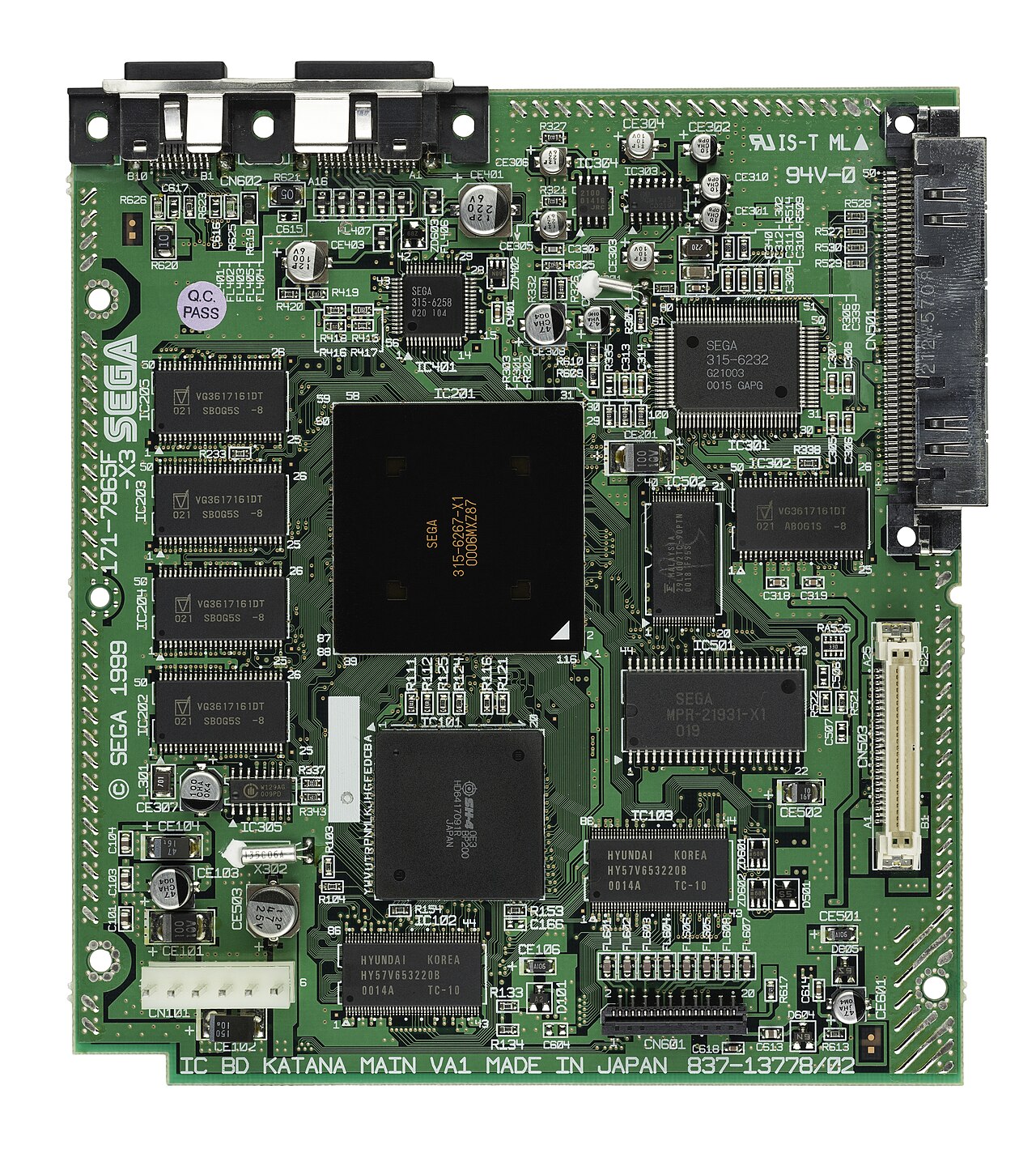
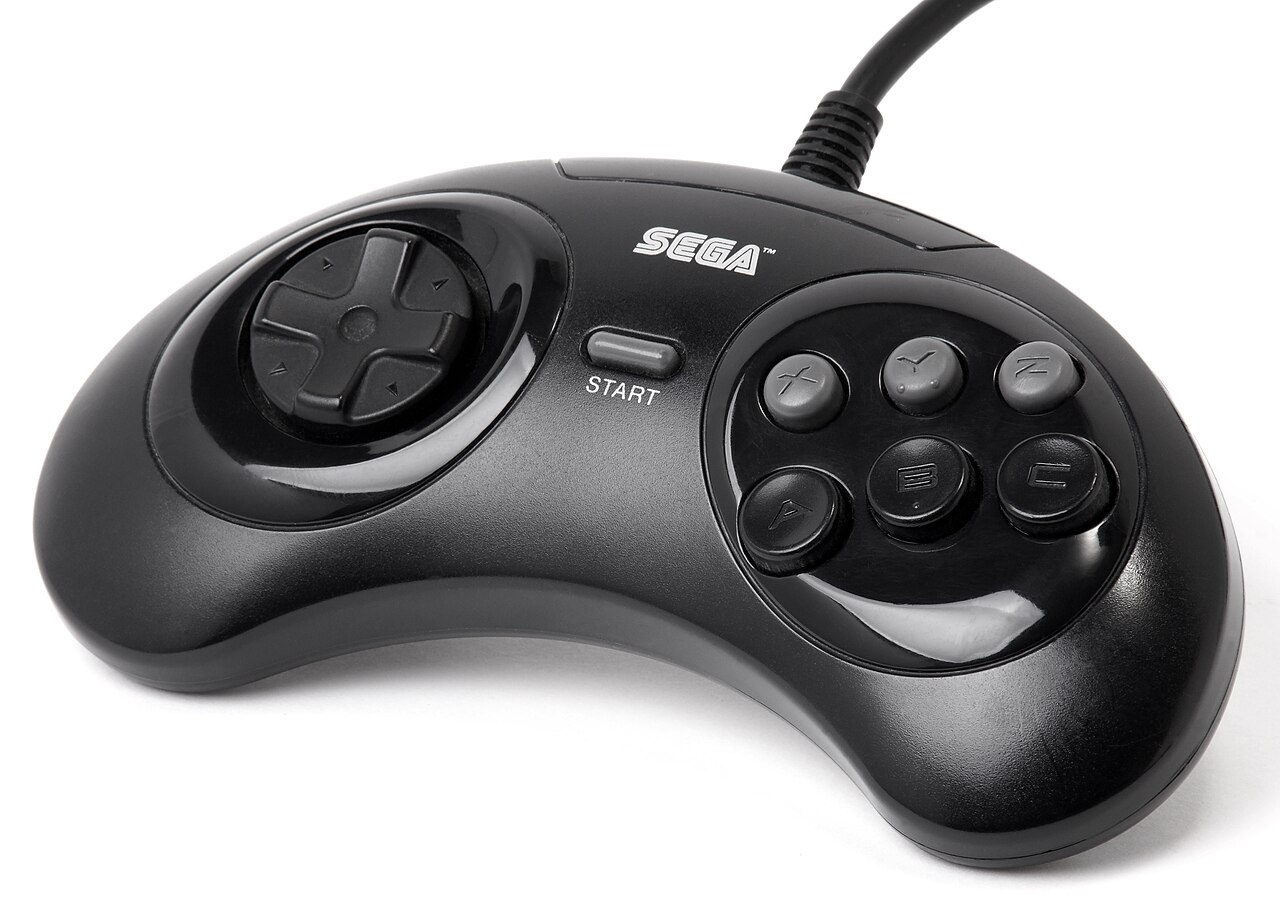
Evan-Amos · Public domain
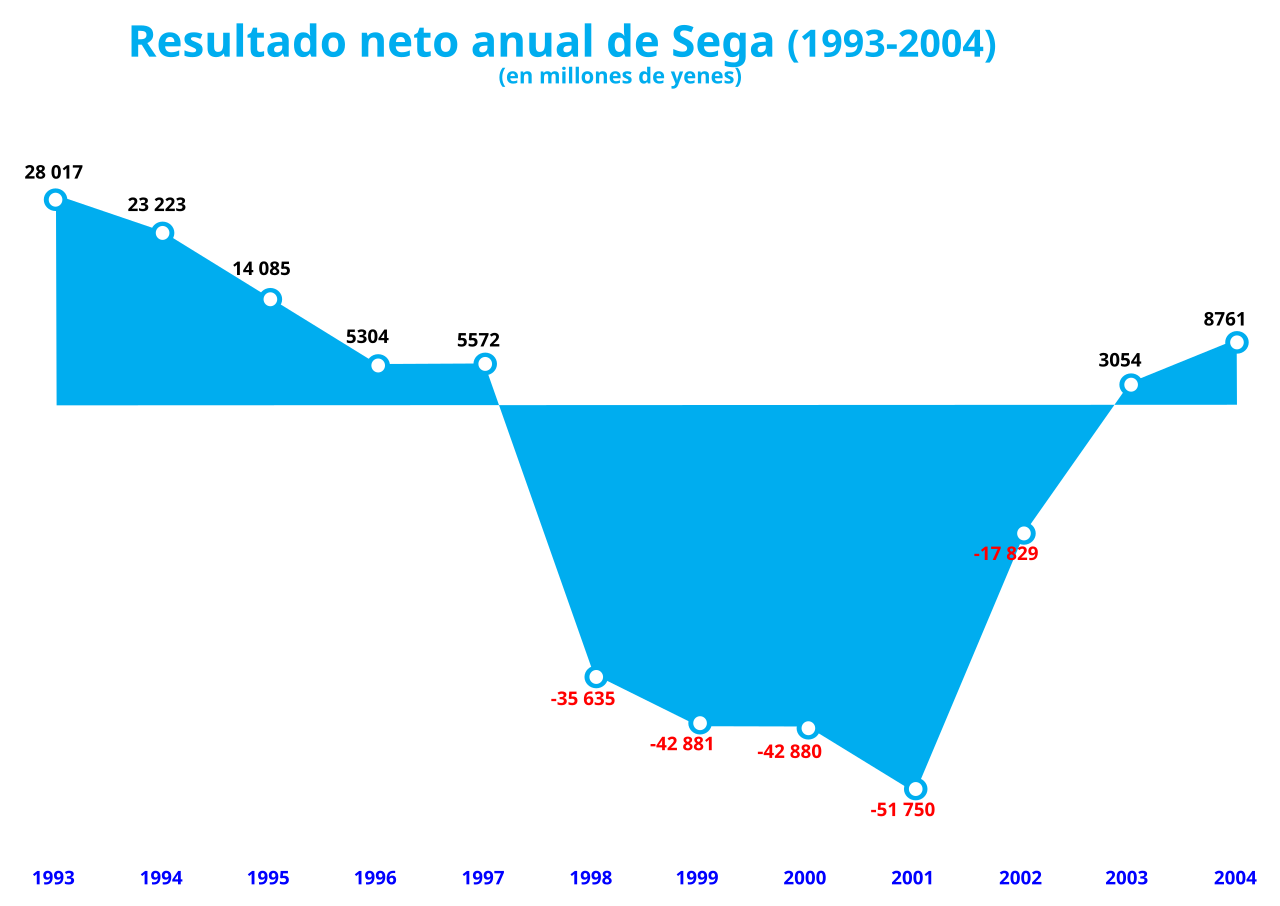
Sega Corporation, a Japanese video game company headquartered in Tokyo, operates as a subsidiary of Sega Sammy Holdings. Its extensive portfolio includes many multi-million-selling franchises for both arcades and home consoles, such as Sonic the Hedgehog, Angry Birds, Football Manager, Phantasy Star, Puyo Puyo, Super Monkey Ball, Bayonetta, Total War, Virtua Fighter, Megami Tensei, Sakura Wars, Persona, and Yakuza. The company was founded on June 3, 1960, by Martin Bromley and Richard Stewart, shortly after acquiring the assets of its predecessor, Service Games of Japan. It adopted the name Sega Enterprises, Ltd. in 1965 after purchasing Rosen Enterprises, an importer of coin-operated games. Sega produced its first original coin-operated game, Periscope, in 1966. After being sold to Gulf and Western Industries in 1969, the company faced a downturn in the arcade business in the early 1980s and began developing video game consoles, starting with the SG-1000 and Master System, though it struggled against competitors like the Nintendo Entertainment System. In 1984, executives David Rosen and Hayao Nakayama led a management buyout backed by CSK Corporation. Sega released the Mega Drive (known as the Genesis in North America) in 1988; while it struggled in Japan, the Genesis found overseas success following the 1991 release of Sonic the Hedgehog, briefly outselling the Super Nintendo Entertainment System in the United States. After commercial failures with the 32X, Saturn, and Dreamcast, Sega stopped manufacturing consoles in 2001 to become a third-party developer and publisher, and was acquired by Sammy Corporation in 2004. Sega Holdings Co., Ltd. was formed in 2015, with Sega Corporation renamed Sega Games Co., Ltd. and its arcade division split into Sega Interactive; these two entities merged back into Sega Corporation in 2020. Its international branches, Sega of America and Sega Europe, are headquartered in Irvine, California, and London. Development studios include internal R&D divisions (using the Ryu Ga Gotoku Studio and Sonic Team brands), Sega Sapporo Studio, Atlus, and five UK and European studios: Creative Assembly, Sports Interactive, Sega Hardlight, Two Point Studios, and Rovio Entertainment (including Ruby Games). Sega is one of the world's most prolific arcade game producers, and its mascot, Sonic, is internationally recognized. The company is also
- founders
- Martin Bromley and Richard Stewart
- field
- Video game development and publishing, arcade game production
- nationality
- Japanese (headquartered in Tokyo)
Lore & Background
Sega is a Japanese video game company headquartered in Tokyo, serving as the entertainment content division of Sega Sammy Holdings. Its appearance is defined by its iconic blue mascot, Sonic the Hedgehog, an internationally recognized character that appears across numerous media. The company’s range extends globally through its international branches: Sega of America in Irvine, California, and Sega Europe in London. Its development studios are spread across Japan and Europe, including internal research and development divisions that operate under brands like Ryu Ga Gotoku Studio and Sonic Team, as well as Sega Sapporo Studio, which supports Tokyo-based teams. In Europe, Sega owns five studios: Creative Assembly, Sports Interactive, Sega Hardlight, Two Point Studios, and Rovio Entertainment (including Ruby Games). It also owns Atlus and its R&D divisions. Sega’s habitat is the video game industry, where it is one of the world’s most prolific arcade game producers and has created multi-million-selling franchises for arcades and consoles, such as Sonic the Hedgehog, Angry Birds, Football Manager, Phantasy Star, Puyo Puyo, Super Monkey Ball, Bayonetta, Total War, Virtua Fighter, Megami Tensei, Sakura Wars, Persona, and Yakuza. Defining characteristics include its history of developing its own consoles from 1983 to 2001, including the SG-1000, Master System, Mega Drive (Genesis), 32X, Saturn, and Dreamcast. The company is recognized for its creativity and innovations, though in recent years it has faced criticism for its business decisions and creative output. Sega also owns a toy and amusement machine company, Sega Fave, and two animation studios: TMS Entertainment, which produces anime, and Marza Animation Planet, which specializes in CG animation.
Reader's Guide
Sega’s significance in the video game industry is rooted in its long history as both a major arcade game producer and a pioneering home console manufacturer. Beginning with coin-operated machines like the 1966 game *Periscope*, Sega established itself as a prolific creator of arcade titles. Its transition into home consoles started with the SG-1000 and Master System, though these struggled against dominant competitors. The 1988 release of the Mega Drive (known as the Genesis in North America) marked a turning point: while it faced challenges in Japan, the overseas launch of *Sonic the Hedgehog* in 1991 propelled the system to brief market leadership in the United States. Sega’s later consoles—the 32X, Saturn, and Dreamcast—were commercial failures, leading the company to exit the hardware business in 2001 and become a third-party developer and publisher. Today, Sega remains one of the world’s most prolific arcade game producers and sustains numerous multi-million-selling franchises, including *Sonic the Hedgehog*, *Total War*, *Persona*, and *Yakuza*. Its mascot, Sonic, is internationally recognized. Sega is acknowledged for its creativity and innovations, but has also faced criticism in recent years for its business decisions and the quality of its creative output. As the entertainment contents division of Sega Sammy Holdings, Sega also owns toy and amusement machine operations, as well as two animation studios.
Did You Know?
- Sega's first arcade electro-mechanical game was Periscope in 1966, with Missile (Rocket) released in 1969.
- Sega's development studios include Creative Assembly, Sports Interactive, Sega Hardlight, and Two Point Studios, while Atlus and Rovio Entertainment are subsidiaries. Note that franchises such as Angry Birds (owned by Ro
From Slot Machines to Global Arcade Powerhouse
Sega's story begins not with video games but with gambling hardware. That modest operation gradually evolved into Service Games and eventually Sega Enterprises Ltd. during the 1960s. The company's first major product, the electro-mechanical game Periscope, became a worldwide hit and established Sega's appetite for arcade innovation. By the mid-1980s, the firm had planted regional subsidiaries in Europe and the United States to serve as marketing bases for its amusement machines. These innovations cemented Sega's reputation as a company that pushed the physical boundaries of what an arcade experience could feel like.
The Console Wars and the Birth of Sonic
The following year brought a cultural earthquake: Sonic the Hedgehog, created as a direct competitor mascot to Nintendo's Mario. Selling 15 million copies, the blue hedgehog generated a long line of sequels and anchored Sega's identity for years to come. Yet the console wars took their toll. The company also renamed itself from Sega Enterprises to Sega Corporation that same year, signaling a new chapter defined by software rather than silicon.
Sammy's Rise and the Road to Merger
Over the following decades, Sammy built its revenue pillar around pachislot machines in the 1980s and pachinko machines in the 1990s, while also publishing fighting-game titles like the Guilty Gear series. Satomi's first meaningful contact with Sega came when the company supplied software for one of Sammy's pachislot machines. That connection deepened into a personal friendship with Sega chairman Isao Okawa, who once asked Satomi to consider becoming Sega's CEO—a role he declined. When Sammy hit financial trouble, Satomi secured a loan from Okawa and repaid it far faster than expected. By May 2004 the two firms merged, with the new entity deliberately named Sega Sammy Holdings rather than Sammy Sega to protect the morale of Sega's workforce.
Pioneering Firsts and Cultural Footprints
Across its history, Sega repeatedly claimed the distinction of 'world first' in ways that reshaped interactive entertainment. On the software side, Sakura Wars (1996) emerged as a Japan-exclusive sim-based strategy RPG that grew into a multi-media cultural phenomenon. Beyond Sega's own titles, the Sammy half of the combined group had published influential fighting games such as Guilty Gear, The Rumble Fish series, and Survival Arts, broadening the conglomerate's footprint in competitive gaming. Together, these firsts and cultural touchstones illustrate a company that consistently chose to invent new categories rather than simply compete within existing ones.
Gallery
Frequently Asked Questions
What is Sega?
Sega is a Japanese video game company headquartered in Tokyo that develops and publishes titles for arcades and home consoles. It currently operates as a subsidiary of Sega Sammy Holdings.
What are Sega's most famous game franchises?
Sega's portfolio includes globally recognized series such as Sonic the Hedgehog, Yakuza, Persona, Total War, Phantasy Star, and Virtua Fighter. The company is also widely regarded as one of the most prolific arcade game producers in the world.
Did Sega manufacture its own game consoles?
Yes—Sega was a former console hardware manufacturer before it withdrew from the hardware market. Since then it has concentrated its efforts on game development, publishing, and arcade operations.
Who is Sega's mascot?
Sonic the Hedgehog is Sega's official mascot and one of the most recognizable video game characters around the globe. The blue hedgehog debuted in 1991 and has since become the company's primary public face.
What is Sega Sammy Holdings?
Sega Sammy Holdings is the Japanese parent corporation under which Sega functions as a subsidiary. It is based in Tokyo and oversees Sega's broader entertainment and gaming operations.
More in Corporations & Conglomerates 1-24
Spotted an error? Know more?
This is a living reference — every entry is fact-audited, and reader corrections feed straight into our audit queue. Suggest an edit · See this site's audit record