
Sears
Pioneering mail-order retailer and former largest U.S. department store chain.

Unknown author Unknown author Self-scanned · Public domain
Sears, Roebuck and Co.—often just called Sears—was an American department store chain and online retailer. Richard Warren Sears and Alvah Curtis Roebuck founded the company in 1892, and it was reincorporated in 1906 by Richard Sears and Julius Rosenwald. It started as a mail-order catalog business, then opened its first physical stores in 1925. For most of the 1980s, Sears was the largest U.S. retailer, but Walmart overtook it in 1989. In 2005, Eddie Lampert gained control through Kmart, creating Sears Holdings. The parent company filed for Chapter 11 bankruptcy on October 15, 2018. After that, Transformco focused on managing and selling off remaining real estate. At its peak in 2011, Sears operated 2,705 stores; now only five are still open in the U.S.
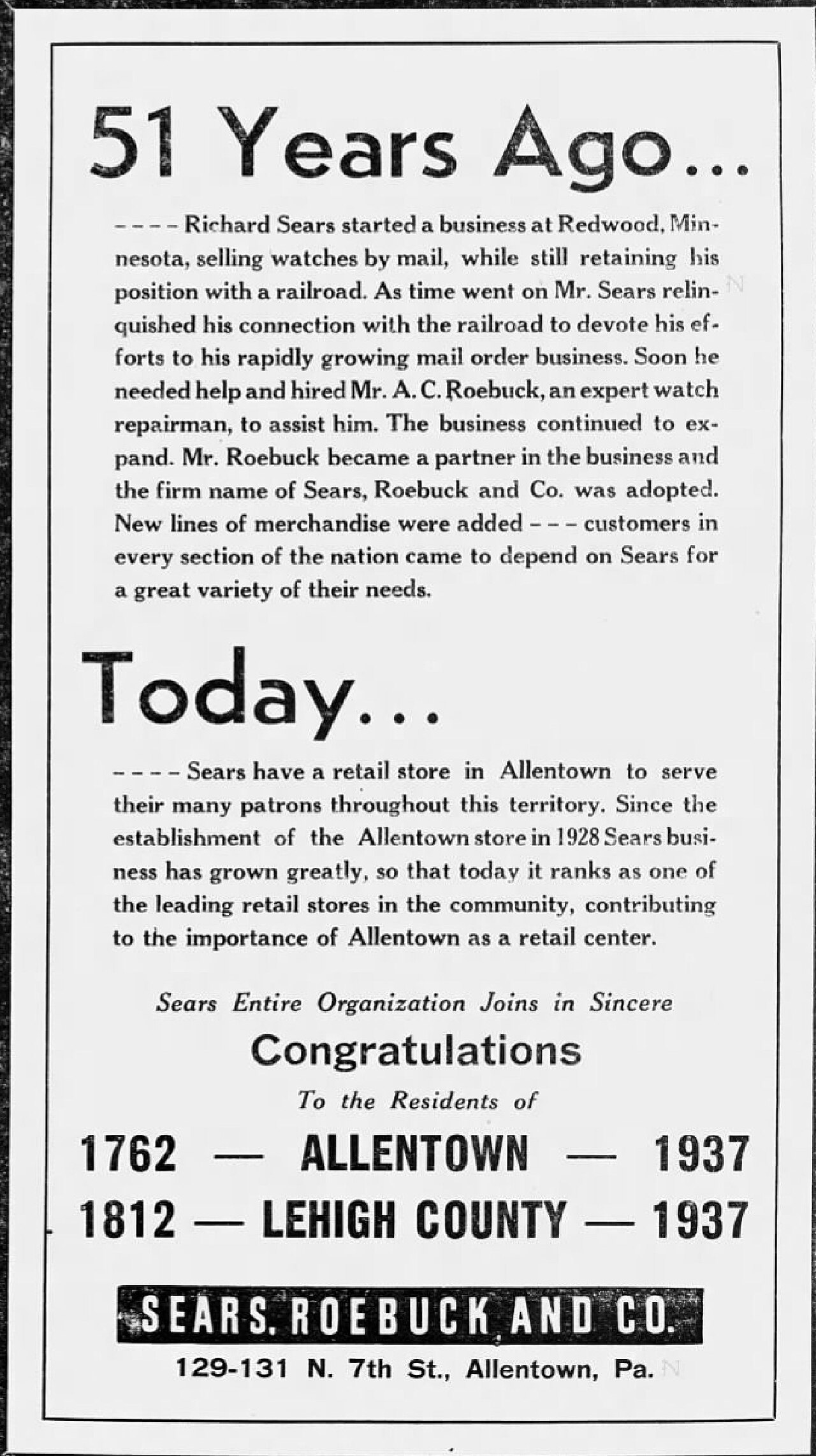
The company’s roots go back to the 19th century. Richard Warren Sears was born in 1863 in Stewartville, Minnesota, to a wealthy family that later moved to Spring Valley. His father died in 1879 after losing the family fortune in a speculative stock deal. Sears moved to North Redwood, then Minneapolis, working as a railroad station agent. While in North Redwood, a jeweler refused a shipment of watches; Sears bought them and sold them cheaply to other station agents, turning a profit. In 1886, he started a mail-order watch business in Minneapolis called the R.W. Sears Watch Company. That same year, he met watch repairman Alvah Curtis Roebuck. In 1887, they moved the business to Chicago and published Sears’s first mail-order catalog, featuring watches, diamonds, and jewelry. In 1889, Sears sold the business for $100,000 and moved to Iowa, planning to become a rural banker. He returned to Chicago in 1892 and started a new mail-order firm selling watches and jewelry with Roebuck, operating as the A. C. Roebuck watch company. On September 16, 1893, they renamed it Sears, Roebuck, and Co. and began expanding their catalog offerings. By 1894, the catalog had grown to 322 pages, adding sewing machines, bicycles, sporting goods, and automobiles (the latter produced from 1905 to 1915 by Lincoln Motor Car Works of Chicago, unrelated to the Ford line). By 1895, the catalog was 532 pages, with sales exceeding $400,000 in 1893 and $750,000 two years later. Dolls, stoves, and groceries appeared in the catalog by 1896. Despite strong sales, the Panic of 1893 caused a depression, leading to a cash crunch and unsold merchandise by 1895. Roebuck quit, later returning in a publicity role. Sears offered Roebuck’s half of the company to Chicago businessman Aaron Nusbaum, who brought in his brother-in-law Julius Rosenwald, to whom Sears owed money. In August 1895, they bought Roebuck’s half for $75,000 and reincorporated in Illinois with $150,000 in capital stock. Attorney Albert Henry Loeb handled the transaction.
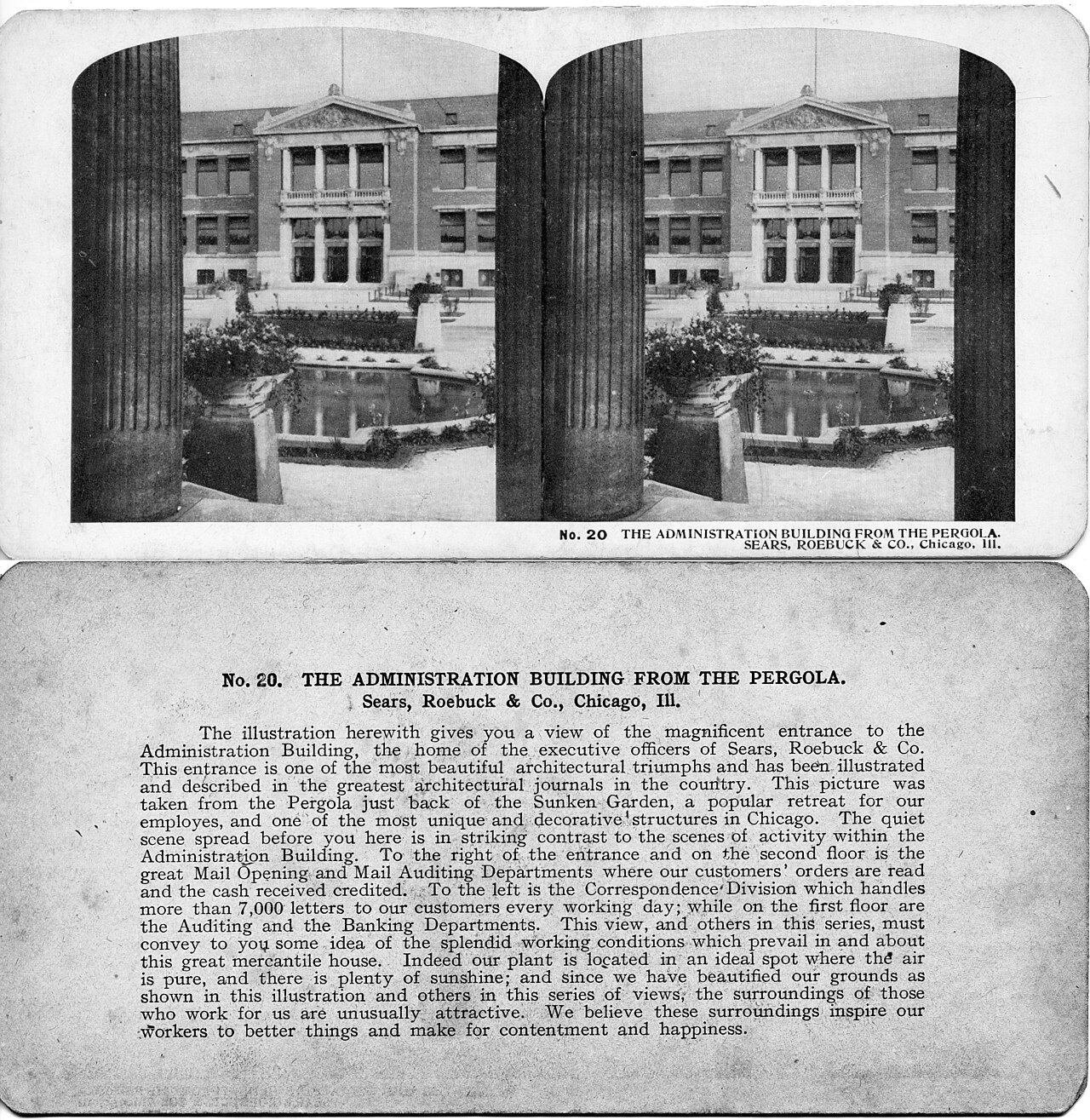
In the early 20th century, Sears and Rosenwald worked well together but clashed with Nusbaum; they bought his interest for $1.3 million in 1903. Rosenwald brought rational management and diversified product lines—dry goods, consumer durables, drugs, hardware, furniture, and almost anything a farm household might need. Sales kept growing, and in 1906 Sears and Rosenwald took the company public with a $40 million stock placement, the first major retail IPO in American financial history. They incorporated a new company in New York under the name Sears, Roebuck and Co., which replaced the original firm. The company traces its history to the 1892 founding, not the 1906 revision. It traded under the ticker symbol S and was a Dow Jones Industrial Average component from 1924 to 1999. That same year, Sears opened its catalog plant and the Sears Merchandise Building Tower in Chicago’s West Side, anchoring the massive Sears, Roebuck and Company Complex of offices, laboratories, and mail-order operations. The complex served as headquarters until 1973, when the Sears Tower was completed, and housed the catalog business until 1995. By 1907, under Rosenwald’s leadership as vice president and treasurer, annual sales reached roughly $50 million. Sears resigned as president in 1908 due to declining health, and Rosenwald took over as president and chairman. In 1910, Sears bought the David Bradley Plow company, leading to manufacturing of riding mowers, chainsaws, and tillers at the Bradley, Illinois factory. The company suffered heavily during the 1919–21 farm depression.
- remaining_stores
- 11–12 (as of late 2023)
Lore & Background
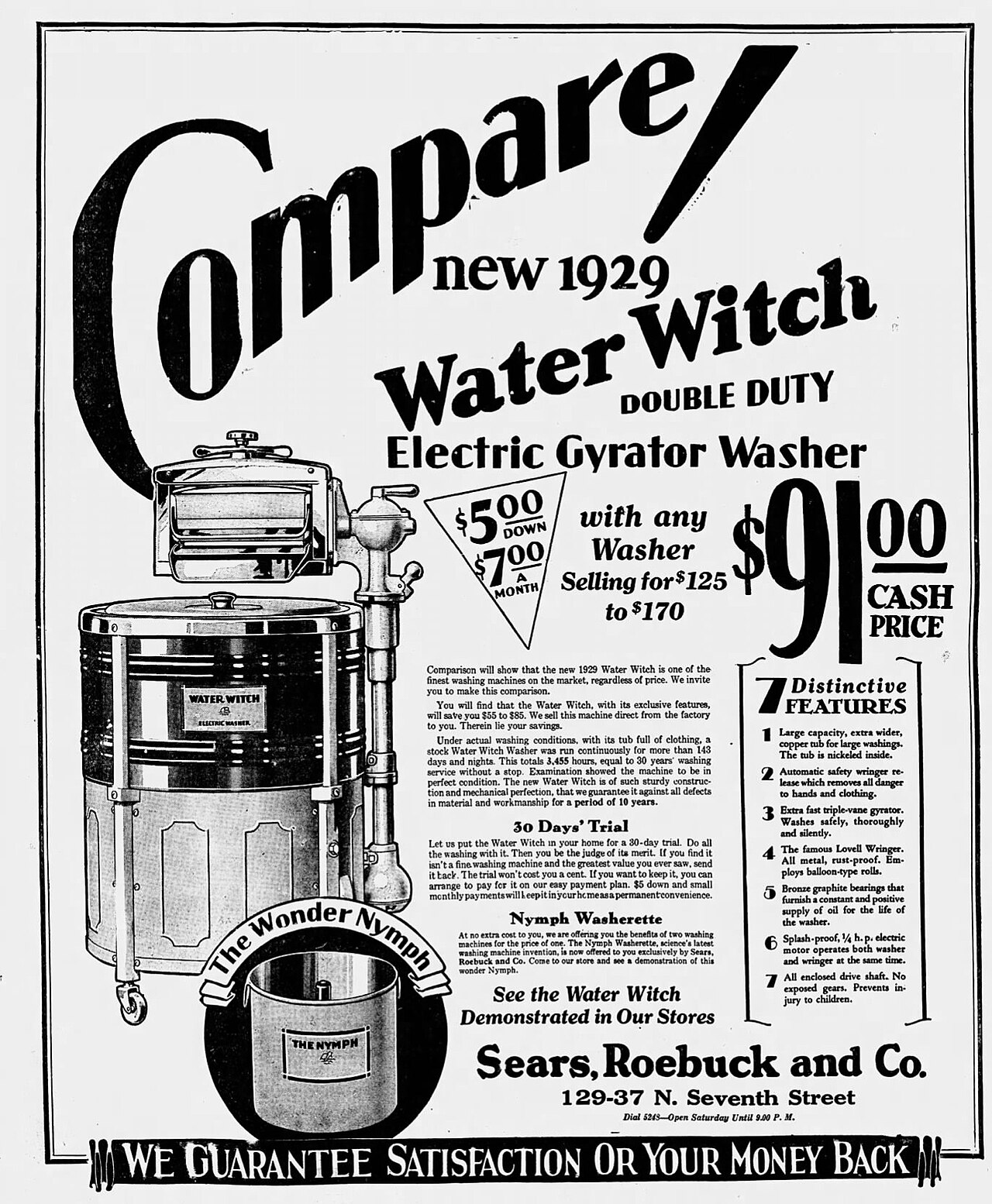
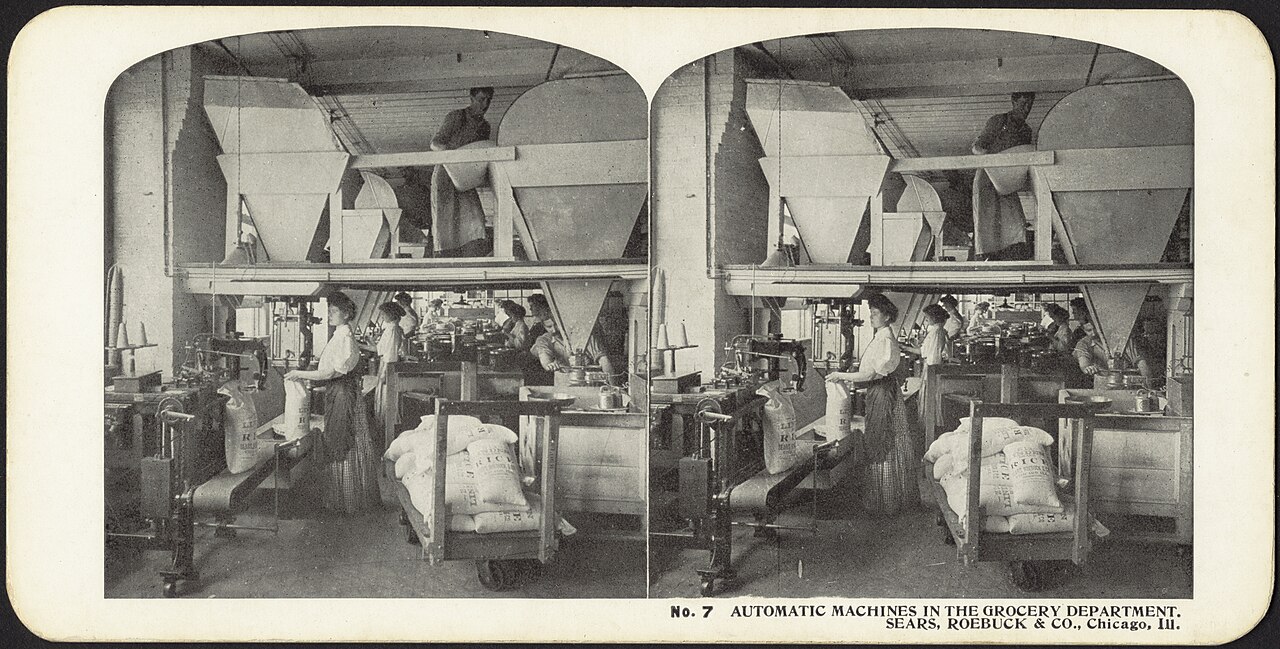
Sears, Roebuck and Co. was an American chain of department stores and an online retailer. Its defining characteristic was its origin as a mail-order catalog company, which began in the late 19th century and grew to offer a vast range of products, including watches, sewing machines, bicycles, sporting goods, automobiles, dolls, stoves, and groceries. The company opened its first physical retail locations in 1925, and its stores were notable for being located away from central shopping districts, featuring innovative architectural design, and offering an unconventional product mix. For much of the 20th century, Sears was the largest retailer in the United States, a position it held until 1989. The company’s headquarters were originally in a massive complex in Chicago’s West Side, which housed offices, laboratories, and mail-order operations. At its peak in 2011, Sears operated 2,705 stores across the U.S. Following a 2018 Chapter 11 bankruptcy filing by its parent company, the chain was drastically reduced, with only five stores remaining open in the United States. The company’s history is marked by the leadership of founders Richard Warren Sears and Alvah Curtis Roebuck, and later Julius Rosenwald, who brought rational management and diversified product lines, leading to a landmark initial public offering in 1906.
Reader's Guide
Sears, Roebuck and Co. fundamentally reshaped American commerce through its mail-order catalog, which evolved from a watch-and-jewelry pamphlet into a massive 532-page book by 1895, offering sewing machines, bicycles, sporting goods, and even automobiles. The company’s early success depended on reaching rural customers who previously had limited access to diverse merchandise. Under Julius Rosenwald’s management after 1895, Sears expanded into dry goods, drugs, hardware, furniture, and farm supplies, while its 1906 initial public offering—the first major retail IPO in U.S. history—signaled the financial maturation of the consumer sector. Sears became the nation’s largest retailer by the 1980s, operating 2,705 stores at its 2011 peak, but was overtaken by Walmart in 1989. The company’s decline accelerated after a 2005 merger with Kmart, leading to Chapter 11 bankruptcy in 2018. By late 2025, only five U.S. stores remained, with Transformco prioritizing the management and sale of real estate holdings. The Sears catalog’s legacy endures as a pioneering model for direct-to-consumer retail, bridging urban manufacturing and rural demand.
Did You Know?
- The company's 1906 IPO was a landmark retail offering that helped reshape American commerce.
From Bootmakers to British Retail Giant
What started as a modest footwear operation would eventually grow into one of Britain's most sprawling retail conglomerates.
The Clore Empire: Diversification on an Unprecedented Scale
Under Clore's leadership, Sears Holdings transformed from a footwear retailer into a vast multi-sector conglomerate. But footwear was only one pillar. That same year, Sears attempted to buy brewer Watney Mann for 20 million pounds. By year's end, the group had reorganized into four distinct sub-divisions. The 1970s saw the addition of William Hill bookmakers, full ownership of Mappin & Webb, a stake in Asprey & Co, and the housebuilder Galliford Estates.
Peak Ambition and the Great Unwinding
That year, the company was formally renamed Sears plc. The following years brought both peak ambition and the beginning of a long retreat. It also shed its stake in Central Independent Television.
The Final Chapter: Green's Acquisition and the Breakup
The once-mighty Sears plc, which had at various points held stakes in shipbuilding, brewing, television, housebuilding, betting, and jewelry, ultimately found its final owner in an unexpected figure. In 1999, entrepreneur Philip Green acquired the company, which by then had been steadily stripped of its non-core assets. Green's tenure was defined not by expansion but by dismantlement: he oversaw the breakup of the group, effectively ending the conglomerate model that Clore had built over four decades. By 1996, the group's remaining divisions centered on footwear retail, with brands like Shoe Express and Shoe City. The company had been listed on the London Stock Exchange and had once been a constituent of the FTSE 100 Index, a mark of its former stature. Yet by the time Green completed his acquisition, the sprawling empire of the 1970s and 1980s had been reduced to a fraction of its former size, and his decision to break up what remained brought the story of Sears plc to its close.
Gallery
Frequently Asked Questions
Who is Sears?
Sears, Roebuck and Co. was an American retail company co-founded by Richard Warren Sears and Alvah Curtis Roebuck, which grew from a small mail-order operation into the largest department store chain in the country.
What is Sears known for?
The brand is most associated with its pioneering mail-order catalog, the beloved seasonal 'Sears Wishbook,' and its 'Catalog Home' kit houses that let buyers assemble a full house from parts delivered by mail.
How does Sears's story end?
Sears's parent company entered Chapter 11 bankruptcy in 2018, and by December 2025 just five stores were still operating in the U.S., signaling the near-complete disappearance of a once-giant retailer.
Why is Sears important?
By proving that a company could sell nearly anything directly to a customer's doorstep before physical stores existed, Sears helped shape the modern American consumer economy and set the template for later e-commerce giants.
What field and nationality does Sears belong to?
Sears was an American corporation operating in the retail sector, spanning department stores, mail-order commerce, and eventually online retail.
More in Corporations & Conglomerates 1-24
Spotted an error? Know more?
This is a living reference — every entry is fact-audited, and reader corrections feed straight into our audit queue. Suggest an edit · See this site's audit record