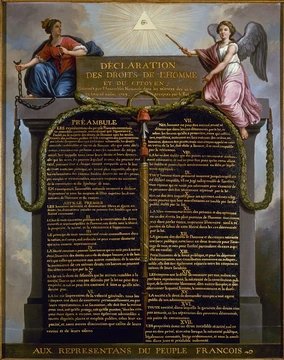
Miranda v. Arizona
Landmark ruling requiring police to inform suspects of their rights.

Chief Justice Earl Warren (1891–1974) · Public domain
In *Miranda v. Arizona*, the U.S. Supreme Court decided that police must inform a person of their constitutional rights before questioning them while in custody. If they do not, any statements made cannot be used as evidence at trial. The Court held that under the Fifth Amendment, the government cannot use a suspect's statements from a custodial interrogation unless it can show the person was told they could consult a lawyer before and during questioning, and that they had the right to remain silent. The suspect must also understand these rights and voluntarily give them up before answering.
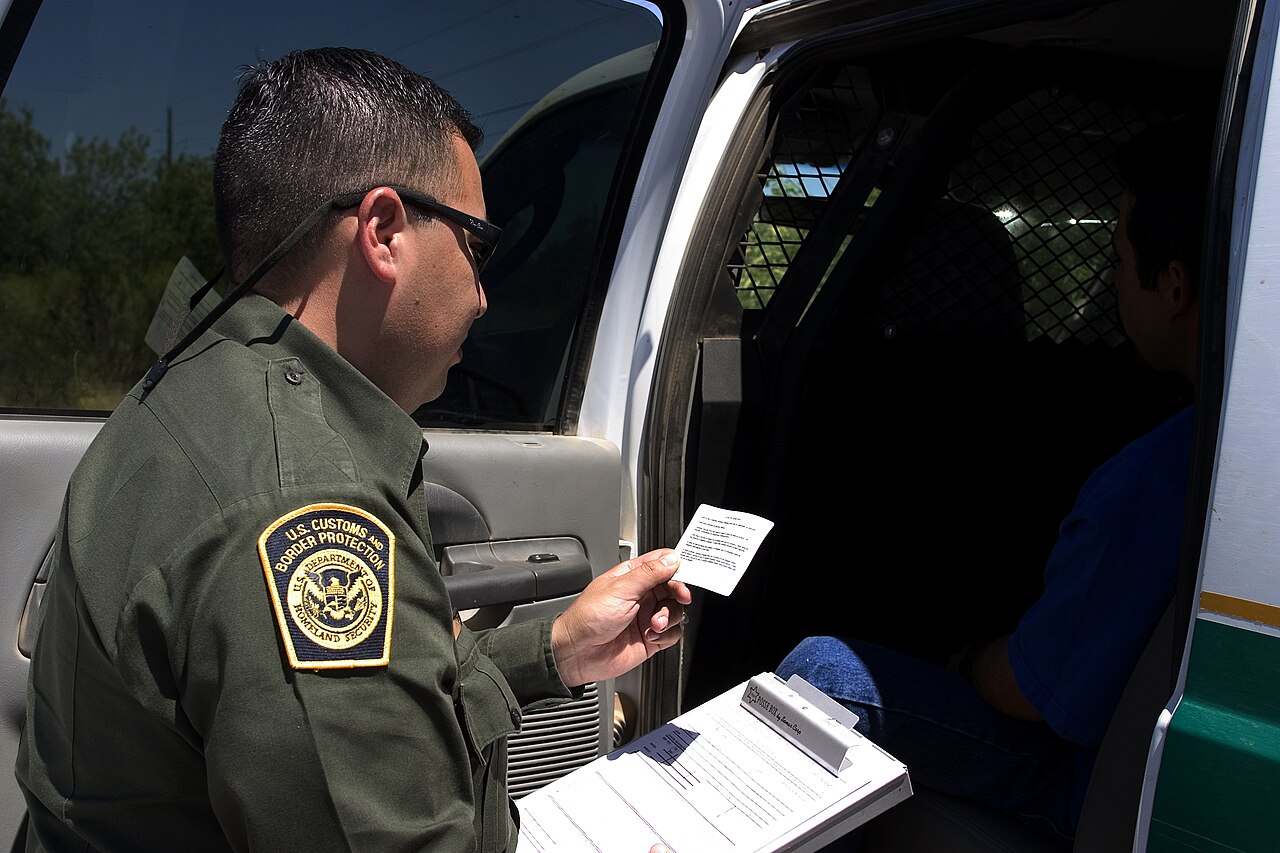
Many saw this as a major shift in American criminal law. Previously, the Due Process Clause only protected against formal coercion, like threats of contempt. The ruling changed law enforcement by making the "Miranda warning"—often called "Miranda rights"—a standard part of police procedure. Agencies quickly adopted the practice, calling it "Mirandizing."
A later decision, *Berghuis v. Thompkins* (2010), clarified that a suspect must clearly state they want to remain silent or have a lawyer. If they receive and understand the warnings and then speak voluntarily, those statements can be treated as an implied waiver of their rights.
**Background**
*Legal*: In 1951, the American Bar Association published a report on legal aid in the United States, finding large gaps in services for those who could not afford a lawyer in both civil and criminal cases. By the early 1960s, bar associations had expanded legal aid, though many areas remained underserved. This led to the creation of the Legal Services Corporation under Lyndon B. Johnson's Great Society program. The case *Escobedo v. Illinois*, which closely foreshadowed *Miranda*, established the right to counsel during police interrogation.
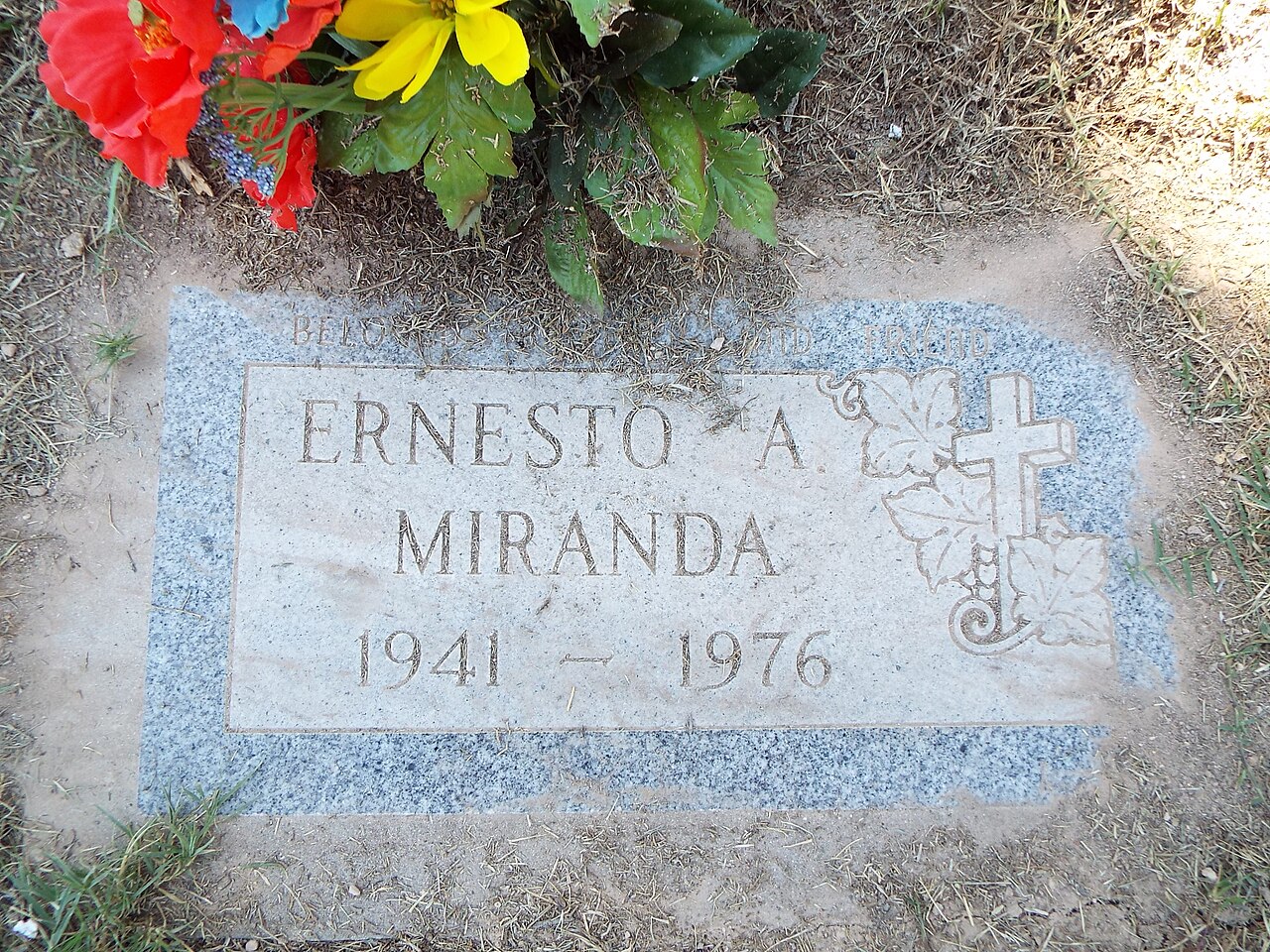
*Factual*: On March 13, 1963, Phoenix police officers Carroll Cooley and Wilfred Young arrested Ernesto Miranda based on circumstantial evidence linking him to the kidnapping and rape of an 18-year-old woman ten days earlier. After two hours of interrogation, Miranda signed a confession on forms that included a typed statement saying he made it voluntarily, with no threats or promises, and with full knowledge of his legal rights. However, he was never told he had a right to a lawyer. Before writing out the confession, he was not advised of his right to remain silent or that his statements could be used against him. At trial, his court-appointed lawyer, Alvin Moore, objected that the confession was not voluntary and should be excluded. The objection was overruled, and Miranda was convicted of rape and kidnapping, sentenced to 20–30 years on each charge, to run concurrently. Moore appealed to the Arizona Supreme Court, which affirmed the conviction in *State v. Miranda* (1965), emphasizing that Miranda had not specifically asked for an attorney. Attorney John Paul Frank, a former law clerk to Justice Hugo Black, represented Miranda before the U.S. Supreme Court. Gary K. Nelson represented Arizona.
**Supreme Court Decision**
On June 13, 1966, the Court ruled 5–4 in Miranda's favor, overturning his conviction and sending the case back for retrial.
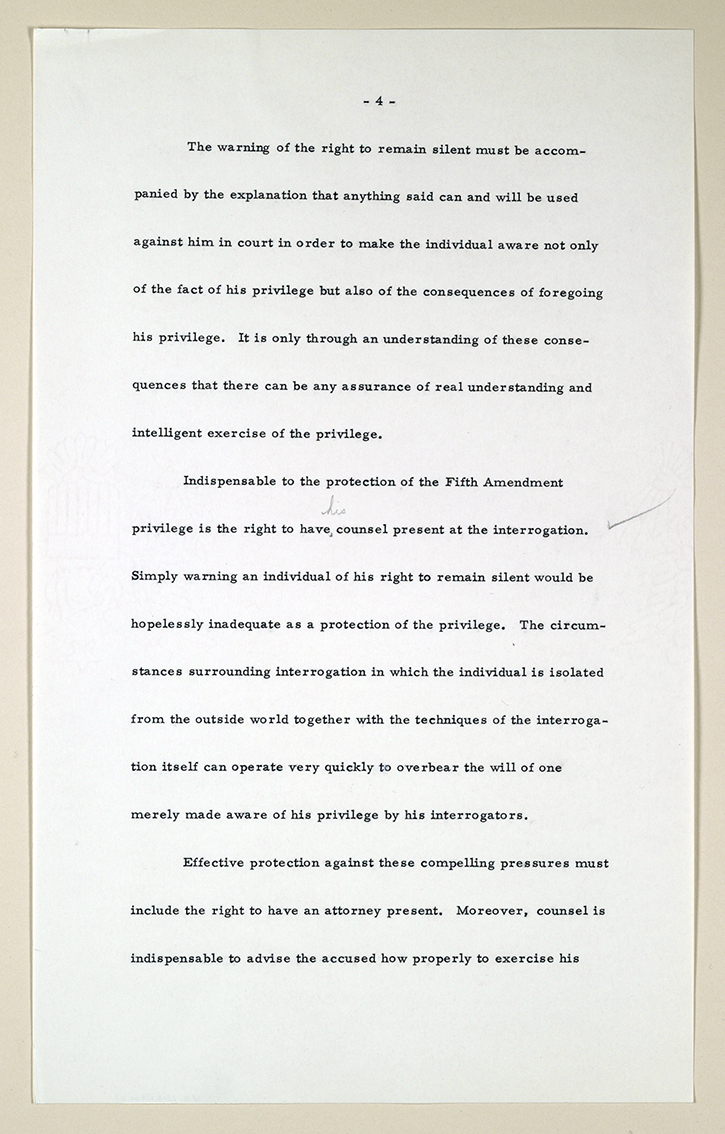
*Opinion of the Court*: Five justices joined an opinion by Chief Justice Earl Warren. The Court held that because custodial interrogation is inherently coercive, no confession is admissible under the Fifth and Sixth Amendments unless a suspect is made aware of their rights and then waives them. Specifically, a person in custody must be clearly told they have the right to remain silent, that anything they say can be used against them, that they have the right to a lawyer during questioning, and that if they cannot afford one, a lawyer will be appointed. Miranda's conviction was overturned. The Court also stated that if a suspect indicates in any way, at any time, that they want to remain silent or want a lawyer, the interrogation must stop until a lawyer is present.
- Vote
- 5–4
- Majority opinion by
- Chief Justice Earl Warren
- Subject
- Fifth Amendment self-incrimination; Sixth Amendment right to counsel
- Key precedent
- Escobedo v. Illinois
Lore & Background
Chief Justice Earl Warren wrote the majority opinion, joined by five justices, holding that under the Fifth Amendment, the government cannot use statements made during custodial interrogation unless the suspect was informed of the right to consult with a lawyer and the right against self-incrimination, and voluntarily waived those rights. The Court also pointed to existing FBI procedures that required informing suspects of their rights and terminating interviews if counsel was requested. Dissenting justices included John Marshall Harlan II, who warned the Court was adding too many stories to the temple of constitutional law, and Byron White, who predicted the ruling would return criminals to the streets.
Reader's Guide
Miranda v. Arizona is one of the most significant Supreme Court decisions in American criminal law, fundamentally reshaping police interrogation practices. Before Miranda, the Due Process Clause protected only against formal coercion such as threats of contempt; the ruling extended protection to all custodial interrogations by requiring that suspects be explicitly warned of their rights. The decision was viewed by many as a radical change, and it transformed law enforcement by making the 'Miranda warning'—often called 'Mirandizing'—a routine part of police procedure across the United States. The Court held that if a suspect indicates in any manner that they wish to remain silent or want an attorney, the interrogation must cease until an attorney is present. However, the subsequent decision in Berghuis v. The case remains a cornerstone of criminal procedure, balancing the Fifth Amendment privilege against self-incrimination with the practical needs of law enforcement.
Did You Know?
- The Miranda warning concept quickly caught on across American law enforcement agencies, who came to call the practice 'Mirandizing'.
- Chief Justice Warren pointed to existing FBI procedures that required informing a suspect of his right to remain silent and his right to counsel, provided free of charge if the suspect was unable to pay.
- Justice Byron White warned that the Court's rule 'will return a killer, a rapist or other criminal to the streets and to the environment which produced him'.
The Arrest and the Two-Hour Interrogation
Over two hours of questioning, Miranda ultimately signed a written confession. The form he signed carried a typed declaration asserting he was acting voluntarily, free from threats or promises, and with full awareness of his legal rights. Yet throughout that entire process, no officer told him of his right to an attorney, his right to remain silent, or the fact that his words could be turned against him in court. His court-appointed counsel, Alvin Moore, argued at trial that the confession lacked genuine voluntariness, but the objection was overruled. Miranda was convicted on both counts and sentenced to twenty to thirty years on each, running concurrently. The Arizona Supreme Court affirmed, emphasizing that Miranda never explicitly requested a lawyer. The case then reached the U.S. Supreme Court, where John Paul Frank, a former clerk to Justice Hugo Black, argued on Miranda's behalf while Gary K. Nelson represented the state.
The Five-to-Four Ruling and Warren's Framework
Chief Justice Earl Warren authored the majority opinion, anchoring the ruling in both the Fifth Amendment's shield against self-incrimination and the Sixth Amendment's guarantee of counsel. The Court reasoned that the inherently coercive atmosphere of custodial police questioning meant no confession could stand unless the suspect had first been clearly told of specific protections. Those included the right to remain silent, the warning that anything spoken could be used in court, the right to consult with and have a lawyer present during questioning, and the assurance that an indigent suspect would receive a court-appointed attorney at no cost. Warren further specified that if a person indicated in any way a desire to stop talking, questioning had to halt immediately, and if they requested a lawyer, all interrogation had to pause until that attorney arrived. Notably, Warren cited the Federal Bureau of Investigation's existing internal procedures, which already required officers to notify suspects of silence and counsel rights and to terminate interviews upon a request for an attorney.
The Legal Landscape That Made Miranda Possible
That document exposed vast gaps in access to legal representation for people who could not afford private counsel, in both civil and criminal matters. By the early 1960s, bar associations across the country had expanded legal-aid services in response, though significant regions remained underserved. In the civil sphere, that momentum eventually produced the Legal Services Corporation under President Lyndon B. Johnson's Great Society agenda. In criminal law, the case of Escobedo v. Illinois served as a direct precursor to Miranda, establishing that the presence of counsel during police questioning was constitutionally required. Before Miranda, the Due Process Clause had generally been interpreted to shield citizens only from overt, formal forms of pressure, such as judicial threats of contempt, rather than from the subtler psychological pressures of a closed interrogation room. The decision was therefore seen by many observers as a radical departure from the traditional understanding of what due process protected.
From Courtroom Ruling to Routine Procedure
What the Court had articulated as a constitutional safeguard quickly became a standardized script recited by officers across the country, and the practice of delivering that script came to be colloquially known as "Mirandizing." The rights themselves entered everyday legal vocabulary as "Miranda rights," and reading them aloud became a routine step in any custodial questioning. The framework also continued to evolve in subsequent decades. In Berghuis v. However, if a suspect receives and comprehends the warnings and then voluntarily begins answering questions, those statements can be treated as establishing an implied waiver of the protected rights.
Gallery
Frequently Asked Questions
What is Miranda v. Arizona?
It is a landmark U.S. Supreme Court case that created the requirement for police to inform a suspect of their constitutional rights before conducting a custodial interrogation. If that warning is not given, any statements the suspect makes cannot be used as evidence at trial.
What exactly did the Court decide in Miranda v. Arizona?
The Court held that officers must tell a suspect in custody their right to remain silent and their right to an attorney before questioning them. Without that notice, the suspect's statements are inadmissible in court.
Who wrote the majority opinion and how did the vote break down?
Chief Justice Earl Warren authored the majority opinion. The decision passed by a 5–4 margin, building on the reasoning of the earlier Escobedo v. Illinois ruling.
Why is Miranda v. Arizona considered so important?
It fundamentally reshaped American criminal procedure by turning the reading of rights into a standard, routine part of police work. Before this ruling, there was no uniform obligation to inform suspects of their Fifth and Sixth Amendment protections during interrogation.
Which constitutional amendments does Miranda v. Arizona protect?
The ruling safeguards the Fifth Amendment's shield against self-incrimination and the Sixth Amendment's guarantee of the right to counsel. Together, they ensure a person in custody cannot be pressured into making incriminating statements without first knowing their legal rights.
More in Constitutional And Rights Law 1-19
Spotted an error? Know more?
This is a living reference — every entry is fact-audited, and reader corrections feed straight into our audit queue. Suggest an edit · See this site's audit record