
Ennius
Father of Roman poetry; author of the epic Annales.

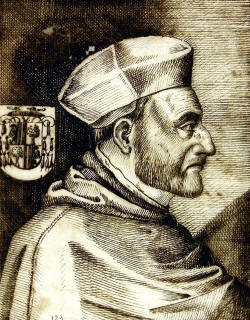
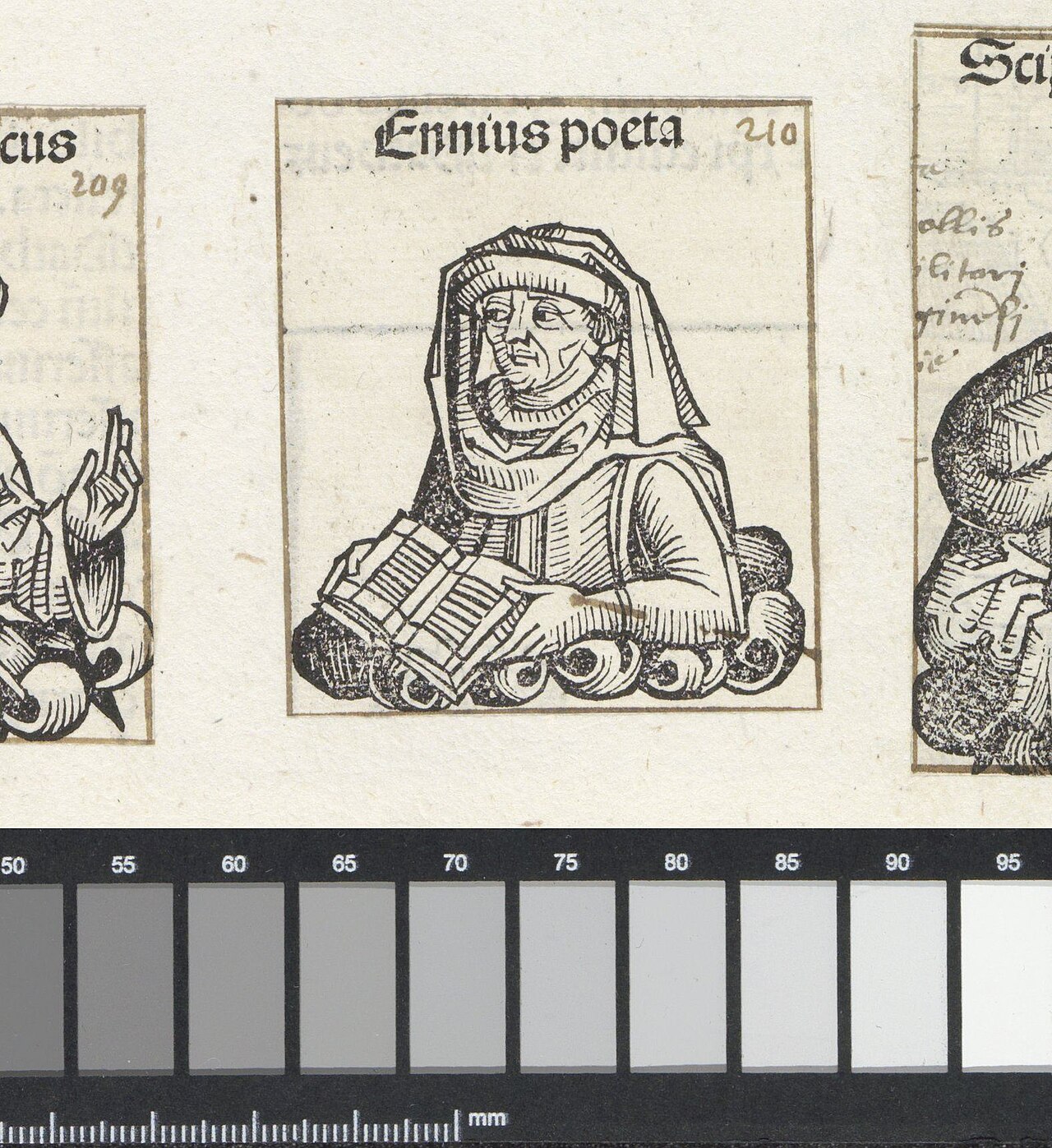
Rijksmuseum · CC0
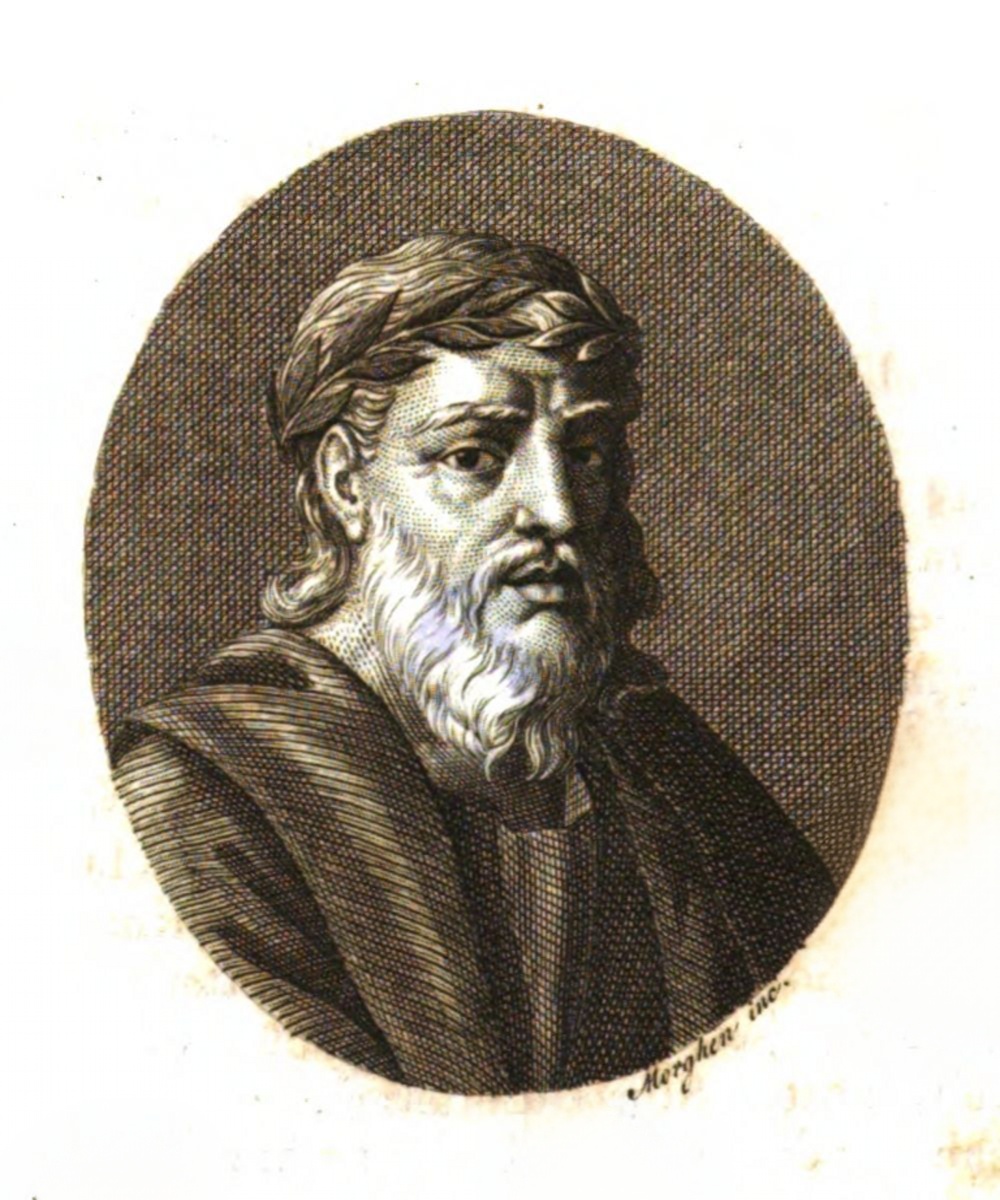
Quintus Ennius (c. 239 – c. 169 BC) was a writer and poet of the Roman Republic, often called the father of Roman poetry. He was born in Rudiae, a small Messapian town near modern Lecce in the ancient region of Calabria (today Salento). His native language was Oscan, and he also spoke Greek and Latin. Though only fragments of his work remain, his impact on Latin literature was major, especially because he adapted Greek literary models. Very little is known for sure about Ennius’s life. His contemporaries rarely mentioned him, and much of what is reported may come from his own fragmentary writings. Some lines of his epic *Annales* and ancient testimonies suggest he opened the poem with a dream in which Homer told him that his spirit had been reborn into Ennius. The idea of the transmigration of souls had once flourished in Greek-settled parts of Italy, but this could simply be a literary device. Ennius seems to have made grand claims: the commentator Servius reports that he claimed descent from Messapus, the legendary king of his home district. According to Aulus Gellius, Ennius said his birthplace, the partially Hellenized city of Rudiae in Apulia, gave him a triple linguistic and cultural heritage, which he called “three hearts … Greek, Oscan and Latin.”
Ennius’s public career first becomes clear in middle age, when he served as a centurion in the Second Punic War. In 204 BC, while in Sardinia, he caught the attention of Cato the Elder, who brought him to Rome. There he made a living teaching Greek and adapting Greek plays. His poetry won him the friendship of leading Romans, including Scipio Africanus and Fulvius Nobilior. He accompanied Nobilior on the Aetolian campaign in 189 BC and later wrote a play and an episode in the *Annales* about the capture of Ambracia, which he witnessed. Through the influence of Nobilior’s son Quintus, Ennius obtained Roman citizenship. He lived simply in the literary quarter on the Aventine Hill with the poet Caecilius Statius, another adapter of Greek plays. Ennius died at about age 70, right after producing his tragedy *Thyestes*. In the last book of his epic, he noted that he was in his 67th year when he wrote it. He compared himself, near the end of his great work, to a prize-winning horse that finally rests in old age. He also composed memorial lines for his bust: “Let no one weep for me, or celebrate my funeral with mourning; for I still live, as I pass to and fro through the mouths of men.”
Ennius continued Rome’s early literary tradition by writing plays in both Greek and Roman style (praetextae and palliatae), as well as his most famous work, the historical epic *Annales*, written in hexameters. Other minor works include *Epicharmus*, *Epigrammata*, *Euhemerus*, *Hedyphagetica*, *Praecepta*/*Protrepticus*, *Saturae* (Satires), *Scipio*, and *Sota*. The *Annales* was an epic in fifteen books, later expanded to eighteen, covering Roman history from the fall of Troy in 1184 BC to Cato the Elder’s censorship in 184 BC. It was the first Latin poem to use the dactylic hexameter meter from Greek epic and didactic poetry, making it the standard for those genres in Latin. The poem became a school text for Roman children, later replaced by Virgil’s *Aeneid*. About 600 lines survive. The *Epicharmus* was inspired by the philosophical ideas of the Sicilian poet and philosopher Epicharmus of Kos. In it, Ennius describes a dream where he died and was taken to a place of heavenly enlightenment, where Epicharmus explained the nature of the gods and the physics of the universe. The *Euhemerus* presented the doctrine of Euhemerus of Messene, who argued that the Olympian gods were not supernatural beings but ancient heroes later worshipped for their deeds. Cicero and Lactantius say the *Euhemerus* was a translation and retelling of Euhemerus’s *Sacred History*, but it is unclear if Ennius simply translated it or added his own material. Most surviving fragments come from Lactantius and suggest the work was in prose. The *Hedyphagetica* drew heavily from the gastronomical epic of Archestratus of Gela. The surviving parts discuss where to find the best fish, but many fragments are corrupt or damaged, filled with unusual fish names and place names. It is written in hexameters but differs from the *Annales* in metrical practices, likely because of its different subject matter.
- field
- Poetry, drama, satire
- nationality
- Roman (citizen by grant)
- known_for
- Annales, father of Roman poetry, introducing dactylic hexameter to Latin
Lore & Background
Very little is reliably known about Ennius's life. His contemporaries hardly mentioned him, and much that is related may be embroidered from references in his fragmentary writings. Some lines of the Annales and ancient testimonies suggest he opened his epic with a dream in which Homer informed him that his spirit had been reborn into Ennius. He also claimed descent from Messapus, the legendary king of his native district. According to Aulus Gellius, Ennius said his birthplace endowed him with a triple linguistic and cultural heritage, fancifully described as 'three hearts … Greek, Oscan and Latin'. His public career first emerges in middle life, when he is said to have served in the Second Punic War, though this is not reliably attested and may be a later inference. While in Sardinia, he reportedly attracted the attention of Cato the Elder and was taken to Rome, but the historical evidence for this specific event is weak and based on possibly unreliable sources. Through the influence of a patron—possibly Marcus Fulvius Nobilior or his son—Ennius obtained Roman citizenship, though the exact means are not firmly established. He is said to have lived plainly on the Aventine Hill with the poet Caecilius Statius, but this detail is not reliably attested and may be a later anecdote. He died at about age 70; the story that he died immediately after producing his tragedy Thyestes is not reliably attested. In the last book of his epic he mentioned being in his 67th year at its composition, comparing himself to a gallant horse weary with age.
Reader's Guide
Ennius is a foundational figure in Latin literature, often called the father of Roman poetry. It was the first Latin poem to adopt the dactylic hexameter metre used in Greek epic and didactic poetry, making it the standard metre for these genres in Latin. The Annals became a school text for Roman schoolchildren, eventually supplanted by Virgil's Aeneid. Beyond the Annales, Ennius wrote plays in Greek and Roman style (praetextae and palliatae), as well as minor works including the Epicharmus (a philosophical dream vision), the Euhemerus (a prose text presenting euhemerist theology), the Hedyphagetica (a gastronomical poem), the Saturae (the first extant instance of Roman satire), the Scipio (a panegyric on Scipio Africanus), and the Sota (a poem in the Sotadean metre). His triple linguistic heritage—Greek, Oscan, and Latin—allowed him to blend Greek literary models with Roman subject matter, shaping the course of Latin poetry. His legacy endures despite the fragmentary survival of his works.
Did You Know?
- Ennius claimed descent from Messapus, the legendary king of his native district.
- He described himself as having 'three hearts … Greek, Oscan and Latin'.
- The Annales was the first Latin poem to use dactylic hexameter.
- The claim that he died immediately after producing his tragedy Thyestes is not reliably attested.
Gallery
Frequently Asked Questions
What is Ennius's most famous work?
His masterwork was the Annales, a vast epic tracing Roman history from the city's legendary origins forward. Only scattered lines quoted by later writers survive, but the poem set the structural and thematic template that Virgil and other later epicists would follow.
Why is Ennius called the 'father of Roman poetry'?
He deliberately transplanted the Greek dactylic hexameter into Latin, giving the language a flexible long-line meter it had not previously used for poetry. By modeling his verse on Greek literary forms, he opened the door for the entire subsequent tradition of Latin poetry and drama.
What languages did Ennius speak and write in?
He was a native speaker of Oscan, the Italic tongue of his Messapian homeland, and was also fluent in both Greek and Latin. He famously boasted of possessing three minds—Greek, Latin, and Oscan—reflecting his multilingual upbringing in a culturally mixed region of southern Italy.
How much of Ennius's writing survives today?
Only fragments from his wide-ranging output—epic, drama, and satire—remain, preserved mainly as brief quotations in the works of later Roman authors. The Annales is the best-attested of his pieces, yet even it survives in just a few hundred scattered lines rather than in a complete text.
More in Classical & Medieval Poets 1-24
Spotted an error? Know more?
This is a living reference — every entry is fact-audited, and reader corrections feed straight into our audit queue. Suggest an edit · See this site's audit record