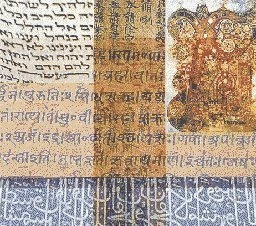
Book of Ruth
A Moabite woman's loyalty leads to the lineage of King David.

The Book of Ruth is part of the Writings, the third and final division of the Hebrew Bible, and is one of the Five Megillot. In standard printed Hebrew Bibles, it is placed between the Song of Songs and Lamentations. The text was likely composed in Biblical Hebrew during the Persian period. The narrative is set in the time of the biblical judges and follows a family from Bethlehem—Elimelech, his wife Naomi, and their sons Mahlon and Chilion—who emigrate to Moab. After Elimelech dies, the sons marry Moabite women: Mahlon weds Ruth and Chilion weds Orpah. When both sons also die about ten years later, Naomi decides to return to Bethlehem. She urges her daughters-in-law to stay in Moab; Orpah reluctantly leaves, but Ruth refuses, pledging unwavering loyalty with a famous declaration that her people and God will become Naomi’s. The two arrive in Bethlehem at the start of the barley harvest. To support them, Ruth gleans in fields that happen to belong to Boaz, a wealthy relative of Naomi’s husband. Boaz treats her kindly, having heard of her devotion to Naomi. Following Naomi’s plan, Ruth approaches Boaz at the threshing floor at night, asking him to act as a redeeming kinsman. Boaz agrees but notes a closer relative has first claim. At the city gate, Boaz presents the matter to this unnamed relative, who relinquishes his right. Boaz then marries Ruth, and they have a son, Obed, who becomes the grandfather of King David. The book concludes with a genealogical appendix tracing David’s lineage back to Judah. In Judaism, Ruth is seen as a paradigmatic convert, and rabbinic sources derive several laws of conversion from her statements. The book is traditionally chanted during the pilgrimage festival of Shavuot. Scholars debate whether it is historical fiction or a historical short story; its anonymous authorship is traditionally ascribed to Samuel, but its inclusive attitude toward foreigners suggests a fifth-century BCE origin, when intermarriage was controversial.
- language
- Biblical Hebrew
- division
- Writings (Ketuvim)
- traditional_author
- Prophet Samuel (11th century BCE, disputed)
- chapters
- 4
- key_figures
- Ruth, Naomi, Boaz, Obed
- significance
- Ancestry of King David; model for Jewish conversion
Lore & Background
To support herself and Naomi, Ruth gleans in the fields of Boaz, a wealthy relative of Naomi's husband. Boaz shows her kindness because of her loyalty. Following Naomi's plan, Ruth goes to the threshing floor at night and asks Boaz to act as a redeeming kinsman. Boaz agrees but notes a closer relative has first claim. At the city gate, Boaz meets this unnamed relative, who relinquishes his right of redemption. Boaz marries Ruth, and they have a son named Obed, who becomes the grandfather of King David. The book concludes with a genealogical appendix tracing David's lineage from Perez through Obed.
Reader's Guide
The Book of Ruth holds significance in Judaism as a paradigmatic story of conversion, with rabbinic sources deriving several laws of Jewish conversion from Ruth's declaration. It is traditionally chanted during Shavuot. Scholars debate its genre, viewing it as either historical fiction or a historical narrative in short story form. The book's emphasis on an inclusive attitude toward foreigners suggests a Persian-period origin (c. The genealogy concluding the book is believed by many scholars to be a post-exilic Priestly addition, integrating the story into Israel's history from Genesis to Kings. The book illustrates the complexity of levirate marriage practices and the role of the 'kinsman-redeemer' (goel) in preserving family inheritance.
Did You Know?
- The Book of Ruth is one of the Five Megillot and appears between Song of Songs and Lamentations in common printed Hebrew Bibles.
- A large letter נ (majuscula) appears in the first word of Ruth 3:13, noted by the smaller Masora as from Oriental or Babylonian textualists.
- The whole book of Ruth is missing from the extant Codex Sinaiticus, a 4th-century Septuagint manuscript.
Frequently Asked Questions
Who is Ruth in the Book of Ruth?
Ruth is a Moabite widow who, after losing her husband and father-in-law, refuses to leave her Judean mother-in-law Naomi. She follows Naomi back to Bethlehem, where her loyalty eventually leads to a marriage with the landowner Boaz.
What is the plot of the Book of Ruth?
Set during the era of the Judges, the four-chapter narrative follows a Moabite woman's journey of devotion, gleaning in the fields, and a betrothal with Boaz. The story ultimately places Ruth in the direct ancestral line of King David.
How does the Book of Ruth end?
The book closes with the birth of Ruth and Boaz's son, Obed, whom the women of Bethlehem declare will restore Naomi's vitality. The final verse traces the genealogy from Obed up to Jesse, David's father.
Why is the Book of Ruth considered important?
It shows how a foreign woman's faithfulness becomes woven into the Davidic royal lineage, illustrating that God's covenant is not limited by ethnicity. In Jewish tradition it is chanted during Shavuot and is read as a model of conversion and communal welcome.
More in Christian Sacred Texts 1-24
Spotted an error? Know more?
This is a living reference — every entry is fact-audited, and reader corrections feed straight into our audit queue. Suggest an edit · See this site's audit record