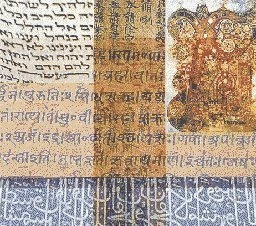
Book of Leviticus
Third book of Torah, detailing priestly laws and rituals.

The Book of Leviticus, the third book of the Torah and the Old Testament, is also known as the Third Book of Moses. Scholarly hypotheses regarding its origins generally agree that it developed over a long period, reaching its present form during the Persian Period (538–332 BC), though this is disputed. The book is set within the narrative of the Israelites’ Exodus, after they escaped Egypt and reached Mount Sinai, where Moses had led them in building the Tabernacle. Leviticus takes place during the month or month-and-a-half between the Tabernacle’s completion and the Israelites’ departure from Sinai. Most of its chapters consist of God’s speeches to Moses, which he is to repeat to the Israelites and their priests, Aaron and his sons, detailing how to make offerings in the Tabernacle and conduct themselves around the holy tent sanctuary. The instructions emphasize ritual, legal, and moral practices rather than beliefs, reflecting the worldview of Genesis 1 that God wishes to live with humans. The book teaches that faithful performance of sanctuary rituals can make this possible, so long as the people avoid sin and impurity. Rituals, particularly sin and guilt offerings, provide means for forgiveness and purification, allowing God to continue dwelling in the Tabernacle. The English name derives from the Latin and Greek versions, referring to the Levites, the priestly tribe, as the book contains laws and rituals they perform. In Hebrew, it is called *Vayikra* (“And He called”), from its opening word. The structure includes laws on sacrifice (chapters 1–7), institution of the priesthood (8–10), uncleanliness and its treatment (11–15), the Day of Atonement (16), and the Holiness Code (17–26), concluding with redemption of votive gifts (27).
- name
- Book of Leviticus
- also_known_as
- Third Book of Moses, Wayikra (Hebrew), Liber Leviticus (Latin)
- genre
- Religious law, ritual instruction
- key_focus
- Sacrifice, priesthood, purity, holiness
- structure
- Laws on sacrifice (chapters 1–7), institution of priesthood (8–10), uncleanliness (11–15), Day of Atonement (16), Holiness Code (17–26), votive gifts (27)
Lore & Background
The Book of Leviticus is set in the month or month-and-a-half after the Tabernacle’s completion and before the Israelites leave Sinai. Its narrative consists largely of God’s speeches to Moses, who is to relay them to the people. The book’s instructions focus on ritual, legal, and moral practices, not beliefs, and reflect the worldview of Genesis 1, where God desires to dwell among humans. The text emphasizes that faithful performance of sanctuary rituals—including sin and guilt offerings—enables God to remain present in the Tabernacle, provided the people avoid sin and impurity. Its structure begins with laws on sacrifice (chapters 1–7), detailing offerings from the perspectives of both laypeople and priests. Chapters 8–10 describe the ordination of Aaron and his sons as priests, the first sacrifices, and the destruction of two of Aaron’s sons for ritual offenses, underscoring the Aaronite privilege and dangers of the priesthood. Chapters 11–15 address purity, covering unclean animals, childbirth, skin diseases, and bodily discharges, with the guiding principle that these involve a loss of life force, usually blood. Chapter 16 introduces the Day of Atonement, the sole day the High Priest enters the Holy of Holies to sacrifice for sins and send a scapegoat to Azazel. Chapters 17–26 form the Holiness Code, with rules on sacrifice, sexual behavior, neighborliness, festivals, and the Sabbatical and Jubilee years. The book concludes with chapter 27 on redeeming votive gifts.
Reader's Guide
The Book of Leviticus is significant for its detailed instructions on sacrifice, priesthood, purity, and holiness, which shaped the religious life of ancient Israel. Its rituals, especially sin and guilt offerings, provided means for forgiveness and purification, allowing God to dwell in the Tabernacle. The Holiness Code (chapters 17–26) broadens ritual concepts to theological and moral dimensions, turning the tabernacle model into a paradigm for Israel's relationship with Yahweh. Its legacy includes influencing later Jewish and Christian understandings of atonement, purity, and divine presence.
Did You Know?
- The English name Leviticus comes from Latin Leviticus, from Ancient Greek Λευιτικόν (Leuitikon), referring to the Levite priestly tribe.
- The Hebrew name Wayikra (וַיִּקְרָא) means 'And He called,' from the book's opening words.
- Chapter 16 describes the Day of Atonement, the only day the High Priest enters the Holy of Holies.
- The Holiness Code (chapters 17–26) includes rules for sabbatical and Jubilee years.
Frequently Asked Questions
What is the Book of Leviticus?
It is the third volume of the Torah (Pentateuch) and the Old Testament, also called the Third Book of Moses or Wayikra in Hebrew. The text records God's instructions delivered to Moses for the Israelites, set after the Exodus and the building of the Tabernacle at Sinai.
What is the central theme of Leviticus?
The book is built around the idea that ritual faithfulness—proper sacrifices, priestly conduct, and personal purity—enables God to remain dwelling among His people. It covers everything from how to offer an animal sacrifice to dietary restrictions and sexual ethics.
How is Leviticus organized?
It progresses from specific sacrifice regulations (chapters 1–7) to the priestly setup (8–10), then purity and impurity rules (11–15), the Day of Atonement (chapter 16), and a sweeping Holiness Code (17–26). Chapter 27 wraps up with instructions on votive and free-will offerings.
Why does Leviticus matter for Christian readers?
It lays out the sacrificial and purity system that the New Testament later reinterprets through Christ's atoning work. Its repeated call to 'be holy, for I am holy' became a foundational ethical refrain throughout Christian moral teaching.
More in Christian Sacred Texts 1-24
Spotted an error? Know more?
This is a living reference — every entry is fact-audited, and reader corrections feed straight into our audit queue. Suggest an edit · See this site's audit record