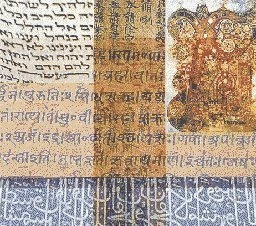
Book of Proverbs
A collection of collections on wisdom and moral conduct.

The Book of Proverbs is the second book in the third section of the Hebrew Bible and also appears in the Christian Old Testament. Traditionally, its authorship is credited to King Solomon and his students. In Hebrew, it is called *Mišlê*; in Greek, *Paroimiai*; and in Latin, *Proverbia*—the source of the English name. It belongs to the genre of biblical wisdom literature, exploring questions of values, moral behavior, the meaning of human life, and right conduct. Its theological foundation is that "the fear of God is the beginning of wisdom." Wisdom is personified and praised for her role in creation: God created her before everything else, and through her, order was brought out of chaos. For humans, life and prosperity come from conforming to this created order, making the pursuit of wisdom the essence and goal of life.
The book is not a simple anthology but a "collection of collections," reflecting a pattern of life that lasted over a millennium. It is divided into sections by superscriptions. Proverbs 1–9 opens with an invitation to acquire wisdom. Proverbs 10–22:16 contrasts the wise and the fool, or the righteous and the wicked. Proverbs 22:17–24:22 contains "The Sayings of the Wise," and 24:23–34 adds more sayings from the wise. Chapters 25–29, attributed to the officials of King Hezekiah, discuss justice, the wicked, and the rich and poor. Chapter 30 presents the "sayings of Agur" on creation and divine power. Chapter 31 includes the words of King Lemuel, taught by his mother, and ends with a description of the ideal wise woman.
The Hebrew word *mashal*, translated as "proverb," has a broader meaning than a short, catchy saying. Roughly half the book consists of such sayings, while the other half includes longer poetic units: "instructions" framed as advice from a teacher or parent, dramatic personifications of Wisdom and Folly, and the "words of the wise," which are longer than Solomonic sayings but shorter than instructions. The first section (chapters 1–9) contains an initial invitation, ten instructions, and five poems on personified Woman Wisdom. Proverbs 10:1–22:16 has 375 sayings, split into two parts: the first contrasts the wise and the fool, and the second addresses wise and foolish speech. Chapters 25–29 contrast the just and the wicked and touch on wealth and poverty. Chapter 30 introduces creation, divine power, and human ignorance, while chapter 31 describes a virtuous wife.
Dating the sayings precisely is impossible, as the book is a collection of collections. The title comes from chapter 1:1, *Mishlei Sh'lomo*, repeated in 10:1 and 25:1, which categorizes content rather than claiming authorship. The book has six discrete units. Chapters 1–9, the "Proverbs of Solomon" section, were likely composed last, in the Persian or Hellenistic periods, and show parallels to earlier cuneiform writings. Chapters 10–22:16 carry the superscription "the proverbs of Solomon," which may have helped include it in the Hebrew canon. The third unit (22:17–24:22) is largely a recasting of the Egyptian *Instruction of Amenemope*, possibly reaching Hebrew authors through Aramaic. Chapter 24:23 begins a new source. The section starting at 25:1 claims to have been transcribed by "the men of Hezekiah," suggesting collection in the late 8th century BCE. Chapters 30 and 31 are appendices, different in style and emphasis. Recent research takes two main approaches: some scholars argue that different sections originate from various periods, with chapters 1–9 and 30–31 being the latest redactions; others focus on the book's received form, analyzing its overall meaning first.
- field
- Biblical wisdom literature
- known_for
- Collection of proverbs and instructions on wisdom and moral conduct
- language
- Hebrew (original), Greek, Latin
- traditional_author
- King Solomon and his students
Lore & Background
The Book of Proverbs is a "collection of collections" of Hebrew wisdom literature, traditionally ascribed to King Solomon and his students. Its appearance in the Hebrew Bible is as the second book in the third section, and in the Christian Old Testament. The English name derives from the Latin Vulgate title *Proverbia*, itself a translation of the Greek Septuagint's *Paroimiai*. The book's range spans more than a millennium of compiled sayings and instructions, reflecting a pattern of life rather than a single historical moment. Its defining characteristic is the theological foundation that "the fear of God is the beginning of wisdom," with wisdom personified as a female figure who was created by God before all else and who gave order to chaos. The text is divided into several superscribed collections: Proverbs 1–9 opens with an invitation to acquire wisdom and includes ten "instructions" and poems on Woman Wisdom; Proverbs 10–22:16 contains 375 sayings contrasting the wise and the fool, and later addressing wise and foolish speech; Proverbs 22:17–24:22 presents "The Sayings of the Wise," which recasts an earlier Egyptian work, the Instruction of Amenemope; chapters 25–29, attributed to the men of King Hezekiah, discuss justice, the wicked, and the rich and poor; chapter 30 introduces the "sayings of Agur" on creation and divine power; and chapter 31 includes the words of King Lemuel and a description of the ideal wise woman. The book's habitat within biblical wisdom literature raises questions about moral behavior, human life, and right conduct, and it shares common ground with wisdom writings from Egypt and Mesopotamia.
Reader's Guide
The Book of Proverbs is significant as a key example of biblical wisdom literature, alongside Job and Ecclesiastes. Its theological foundation is that 'the fear of God is the beginning of wisdom.' Wisdom is personified and praised for her role in creation; God created her before all else and gave order to chaos through her. The book raises questions of values, moral behavior, the meaning of human life, and righteous conduct. Its legacy includes ongoing relevance for both religious and secular readers, with Proverbs noted for its worldliness and satiric shrewdness. The rabbinic college almost excluded the book from the Bible in the late first century due to its contradictions, which result from its origins as an anthology of anthologies.
Did You Know?
- The title in the Greek Septuagint is Παροιμίαι (Paroimiai), meaning 'Proverbs'.
- A large part of Proverbs 22:17–24:22 is a recasting of the Egyptian work Instruction of Amenemope.
- The book contains a contradiction: Proverbs 26:4 says 'do not answer a fool according to his folly,' while 26:5 says 'answer a fool according to his folly'.
- Chapters 30 and 31 are appendices that include the 'words of Agur' and the 'words of King Lemuel'.
Frequently Asked Questions
Who is traditionally credited with writing the Book of Proverbs?
The text is attributed to King Solomon along with his students. It belongs to the genre of biblical wisdom literature, setting it apart from narrative or prophetic books.
What is the Book of Proverbs about?
It is a collection of short sayings and instructional passages dealing with wisdom, moral behavior, and how to live a righteous life. Rather than telling a continuous story, it presents practical guidance on values and conduct.
Where does the Book of Proverbs sit in the Bible?
It is the second book in the third section of the Hebrew Bible and appears in the Christian Old Testament. This third section, often called the Writings or Wisdom literature, groups together reflective and instructional texts.
Why is the Book of Proverbs considered important?
It has shaped how Christians think about everyday ethics, decision-making, and the pursuit of wisdom for over two millennia. Its concise, memorable sayings have made it one of the most frequently referenced books in the entire canon.
In what language was the Book of Proverbs originally composed?
The original text was written in Hebrew, though it later circulated in Greek and Latin translations. These later versions helped spread its teachings across the ancient and medieval world.
More in Christian Sacred Texts 1-24
Spotted an error? Know more?
This is a living reference — every entry is fact-audited, and reader corrections feed straight into our audit queue. Suggest an edit · See this site's audit record