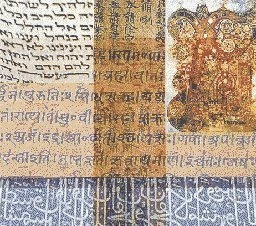
Book of Jeremiah
Prophetic book of judgment and restoration during the Babylonian exile.

The Book of Jeremiah is the second of the Latter Prophets in the Hebrew Bible and the second of the Prophets in the Christian Old Testament. Its opening verses identify the work as "the words of Jeremiah son of Hilkiah." Among the prophetic figures, Jeremiah stands out as a deeply personal character, often depicted ruminating with his scribe Baruch about his difficult role as a servant of God who brings predominantly grim tidings. The book’s central purpose is to address the Jewish community during the Babylonian exile, framing the catastrophe of exile as divine punishment for Israel’s worship of pagan gods. Jeremiah uses vivid metaphors, comparing the people to an unfaithful wife and rebellious children, whose infidelity made judgment unavoidable. Yet the text also contains promises of future restoration and a new covenant. Scholars believe the authentic oracles of Jeremiah are primarily located in the poetic sections of chapters 1 through 25. However, the book as a whole underwent heavy editing and expansion by the prophet’s followers—possibly including Baruch—and later generations of Deuteronomists. The book exists in two distinct versions: a Hebrew Masoretic text and a Greek Septuagint translation. The Greek version is shorter by about one-eighth and arranges material differently. The Hebrew text shows perspectives that, while known in the Persian period, were not fully realized until the 2nd century BCE. The book’s structure is difficult to discern due to its long and complex composition history, but it can be divided into six rough sections: early poetic oracles, biographical material, promises of restoration, interactions with King Zedekiah and the fall of Jerusalem, oracles against surrounding nations, and a concluding appendix.
- field
- Biblical prophecy and literature
- known_for
- Prophetic book detailing the fall of Jerusalem and the Babylonian exile
- language
- Hebrew (Masoretic) and Greek (Septuagint)
- composition_period
- From the late 7th to the 2nd century BCE
Lore & Background
The Book of Jeremiah is the second of the Latter Prophets in the Hebrew Bible and the second of the Prophets in the Christian Old Testament. Its superscription identifies it as the words of Jeremiah son of Hilkiah. The book exists in two distinct versions: a shorter Greek translation found in the Septuagint and a longer Masoretic Hebrew text, with both versions present among the Dead Sea Scrolls. The Hebrew text underlying the Greek version is generally considered older. The book’s structure is difficult to discern due to a long and complex composition history, but it can be divided into roughly six sections: early poetic oracles in chapters 1–25, biographical material in chapters 26–29, promises of restoration including a new covenant in chapters 30–33, interactions with King Zedekiah and the fall of Jerusalem in chapters 34–45, divine punishment against surrounding nations in chapters 46–51, and an appendix retelling 2 Kings in chapter 52. The poetic sections, largely undated, contain oracles where the prophet speaks as God’s messenger, dealing with Israel’s unfaithfulness and attacks on religious and political establishments. These are widely accepted as the earliest stage of the book and include personal poems called Jeremiah’s confessions, where he agonizes over his mission’s apparent failure and accuses God of betrayal. The biographical prose focuses on events leading to Jerusalem’s destruction in 587 BCE, while non-biographical prose passages show clear affinities with the Deuteronomistic school. The book is intended as a message to Jews during the Babylonian exile, explaining the disaster as God’s response to Israel’s pagan worship, portraying the people as an unfaithful wife and rebellious children. Authentic oracles are likely found in the poetic sections of chapters 1 through 25, but the book was heavily edited by Jeremiah’s followers, including possibly his scribe Baruch, and later Deuteronomists.
Reader's Guide
The Book of Jeremiah is significant as a key prophetic text that interprets the Babylonian exile as divine punishment for Israel's unfaithfulness, while also offering hope of restoration and a new covenant. Its complex composition history, involving multiple editors and two distinct textual traditions, provides insight into the development of biblical literature. The book's poetic sections (chapters 1–25) are widely considered to contain authentic oracles of Jeremiah, while the prose and biographical material show clear affinities with the Deuteronomistic school. The Greek version reflects concerns of the early Persian period, while the Masoretic Hebrew version includes perspectives that reached realization in the 2nd century BCE. Jeremiah's personal struggles, expressed in his 'confessions,' make him one of the most vividly portrayed prophets in the Bible. The book's legacy includes its influence on Jewish and Christian understandings of covenant, judgment, and restoration, and its role in shaping the Deuteronomistic history of Israel.
Did You Know?
- The Book of Jeremiah exists in two distinct versions: a shorter Greek version (Septuagint) and a longer Masoretic Hebrew text.
- Both versions of Jeremiah were found among the Dead Sea Scrolls, indicating important stages in the text's transmission.
- The book's poetic sections in chapters 1–25 are widely accepted as containing the authentic oracles of Jeremiah.
- Jeremiah's 'confessions' or spiritual diary are poetic passages where the prophet agonizes over his mission and accuses God of betraying him.
Frequently Asked Questions
What is the Book of Jeremiah?
It is the second volume of the Latter Prophets in the Hebrew Bible, preserving the spoken words of a priest from Anatot who ministered during Judah's final years and the Babylonian captivity. In the Christian canon it sits as the second prophetic book of the Old Testament.
What is the main theme of the Book of Jeremiah?
The book frames the fall of Jerusalem as God's just response to Israel's turn toward pagan worship, yet it also looks forward to a restored relationship and a new covenant between God and his people.
When was the Book of Jeremiah composed?
Scholars generally place its writing between the late 7th century and the 2nd century BCE, meaning the text was shaped over several generations after the core events it describes.
Why does the Book of Jeremiah matter to readers today?
It is the primary prophetic text that gives theological meaning to the Babylonian exile, pairing a harsh verdict with a long-range promise of renewal. That combination of judgment and hope has made it a touchstone in both Jewish and Christian reflection on covenant.
How does the story in Jeremiah conclude?
The book closes with Jeremiah buying a plot of land in Anathoth, a deliberate act of faith signaling that the exiled community will return and the land will once again be inhabited.
More in Christian Sacred Texts 1-24
Spotted an error? Know more?
This is a living reference — every entry is fact-audited, and reader corrections feed straight into our audit queue. Suggest an edit · See this site's audit record