
Emperor Huizong of Song
Eighth Song emperor, artist, and captive of the Jurchens.

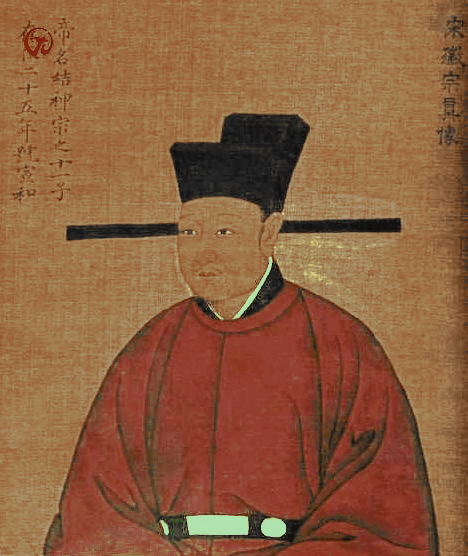
Emperor Huizong of Song / After Zhang Xuan · Public domain
Zhao Ji, known as Emperor Huizong of Song, was born on 2 November 1082 and died on 4 June 1135. He was the eighth ruler of the Song dynasty and the second-to-last emperor of the Northern Song period. A celebrated painter, poet, and calligrapher, he was the 11th son of Emperor Shenzong. Huizong took the throne in 1100 after his older brother, Emperor Zhezong, died without a surviving son. The first half of his life was marked by luxury, refinement, and artistic pursuits. In 1126, as the Jurchen-led Jin dynasty attacked during the Jin–Song Wars, Huizong stepped down, giving the throne to his eldest son Zhao Huan (later Emperor Qinzong) and taking the title Taishang Huang, or Retired Emperor. The next year, Jin forces captured the Song capital, Bianjing, in the Jingkang Incident. Huizong, Qinzong, and their family were taken prisoner and brought to the Jin capital, Huining Prefecture, in 1128. To humiliate him, Jin Emperor Taizong gave Huizong the derogatory title Duke Hunde, meaning "Besotted Duke." After roughly nine years in captivity, Huizong died in Wuguocheng.
- field
- Emperor, painter, poet, calligrapher
- nationality
- Chinese (Song dynasty)
- known_for
- Promotion of Taoism, artistic patronage, creation of his own calligraphy style,
Lore & Background
Emperor Huizong was a cultured leader who spent much of his time admiring the arts. He was a collector of paintings, calligraphy, and antiques of previous dynasties, building huge collections. He wrote poems, was an avid painter, created his own calligraphy style, had interests in architecture and garden design, and wrote treatises on medicine and Taoism. He assembled an entourage of painters pre-screened in an examination to enter as official court artists, and made reforms to court music. In 1106, he had artisans recast the symbolic Nine Tripod Cauldrons to assert his authority. When the Jurchens attacked, Huizong abdicated on 18 January 1126 in favour of his eldest son, Zhao Huan (Emperor Qinzong). Huizong feigned a stroke, saying "I must use the excuse of illness. I am afraid of disorder breaking out." He wrote with his left hand "If you do not accept, you are unfilial." Qinzong eventually accepted after eunuchs forcibly put him on the throne. Huizong then departed to flee in the countryside. After the siege was lifted, he returned and resumed normal activities, though under house arrest by Qinzong. The Jurchens eventually entered Bianjing on 9 January 1127. Huizong was persuaded to turn himself in and was captured. When he saw Qinzong, they cried and hugged, with Huizong stating "If you had listened to the old man, we would have avoided this disaster." Both were demoted to commoners on 20 March 1127. On 10 May 1127, Huizong was deported to Heilongjiang, where he spent the last eight years of his life as a captive. In 1128, the two former emperors had to venerate the Jin ancestors at their shrine in Shangjing, wearing mourning dress. Jin Emperor Taizong granted Huizong the degrading title Duke Hunde ("Besotted Duke"). Huizong died a broken man in June 1135 at age 52.
Reader's Guide
Emperor Huizong's significance lies in his dual legacy as a great artist and a failed ruler. He was a polymath who excelled in poetry, painting, calligraphy, and music, and his patronage of the arts left a lasting cultural impact. However, his incompetence as an administrator and his handling of foreign policy led to the Jurchen invasion, the fall of the Northern Song, and his own captivity. His reign is often blamed for the Song dynasty's decline, as the decisions made during his time, particularly regarding the alliance with the Jin and the subsequent invasion, marked a period of disaster. Despite his artistic achievements, his legacy is forever scarred by the Jingkang Incident and the humiliation he and his family endured. His promotion of Taoism and his artistic contributions remain notable, but his political failures overshadow them in historical assessment.
Did You Know?
- Emperor Huizong was the 11th son of Emperor Shenzong and ascended the throne in 1100 after his elder brother Emperor Zhezong's only son died prematurely.
- The catalogue of Huizong's personal collection listed over 6,000 known paintings.
- In 1106, Huizong had artisans recast the symbolic Nine Tripod Cauldrons to assert his authority.
- When abdicating, Huizong feigned a stroke and wrote with his left hand, 'If you do not accept, you are unfilial.'
- Jin Emperor Taizong gave Huizong the humiliating title Duke Hunde, literally 'Besotted Duke.'
Artistic Genius and Cultural Patronage
Emperor Huizong was far more than a ruler; he was a polymath whose creative output placed him among the most celebrated artists in Chinese history. He composed poetry, painted with distinction, developed a personal calligraphic style, and even authored treatises on medicine and Taoist philosophy. His fascination extended to architecture and garden design, and he reformed court music. As a collector, he amassed extraordinary holdings of paintings, calligraphy, and antiques from earlier dynasties; the catalogue of his personal collection recorded more than six thousand known paintings. He institutionalized artistic excellence by establishing an examination system through which painters were pre-screened before being admitted as official court artists. His patronage of Taoism and his constant use of cultural, religious, and artistic means to proclaim legitimacy—such as ordering the recasting of the symbolic Nine Tripod Cauldrons in 1106—reflected a ruler who sought to define his authority through aesthetic and spiritual grandeur rather than mere military might.
The Fatal Alliance and the Jurchen Threat
In 1122, the Song court entered a pact with the newly founded Jin dynasty, agreeing to jointly dismantle the Liao empire to the north. General Tong Guan led the Song expedition, but his forces were initially blocked by a defensive forest the Song had maintained since the reign of Emperor Taizu. He ordered the trees felled to clear a path, and the campaign ultimately succeeded in destroying the Liao, a long-standing adversary. Yet this very act of clearing the border defenses proved catastrophic. When the Jurchens, unsatisfied with their conquest of Liao territory and perceiving Song military weakness, turned their attention south, their cavalry swept through a now defenseless frontier. By early 1126, the Jin Western Vice-Marshal Wolibu had crossed the Yellow River and brought his armies within sight of Bianjing. The Song, forced into a humiliating treaty, agreed to pay an enormous war indemnity and annual tribute—a devastating blow that set the stage for the dynasty's collapse.
Abdication in Crisis
Confronted with the Jin siege of his capital, Emperor Huizong was seized by panic and a sense of personal responsibility for the strategic failures of his reign. He initially considered flight but was persuaded by his officials to abdicate first. To avoid the chaos that might erupt from a ruler simply abandoning his post, he feigned a stroke, saying in his own words that he needed the excuse of illness to prevent disorder. On 18 January 1126, he formally transferred the throne to his eldest son, Zhao Huan, who became Emperor Qinzong. The scene was dramatic: Qinzong repeatedly refused the imperial robes, even pushing them aside, declaring that accepting would make him unfilial. Huizong, still acting out his simulated stroke, wrote with his left hand that refusal was itself unfilial. Even the summoning of the empress failed to change Qinzong's mind until eunuchs physically forced him onto the throne. Huizong then departed the capital, fleeing into the countryside.
Captivity and the Weight of History
The fall of Bianjing in 1127, the event known as the Jingkang Incident, sealed Huizong's fate. He, his son Qinzong, and the broader imperial family were seized by Jurchen forces and transported to the Jin capital at Huining Prefecture in 1128. There, Jin Emperor Taizong bestowed upon the former Song emperor the deliberately degrading title Duke Hunde, a name translating to Besotted Duke, meant to humiliate him publicly. The Jurchens kept the captive emperors as political leverage, threatening them to pressure Zhao Gou—Huizong's only surviving son who had escaped capture and declared himself Emperor Gaozong—into surrender. Huizong endured roughly nine years of captivity before dying in Wuguocheng in June 1135. Historians have long held him and his successors responsible for the Song dynasty's catastrophic decline, yet even amid this grim legacy, his earlier contributions to Chinese art, literature, and Taoist thought continue to be recognized as among the finest cultural achievements of the Song era.
Gallery
More in Chinese Emperors And Leaders 1-22
Spotted an error? Know more?
This is a living reference — every entry is fact-audited, and reader corrections feed straight into our audit queue. Suggest an edit · See this site's audit record