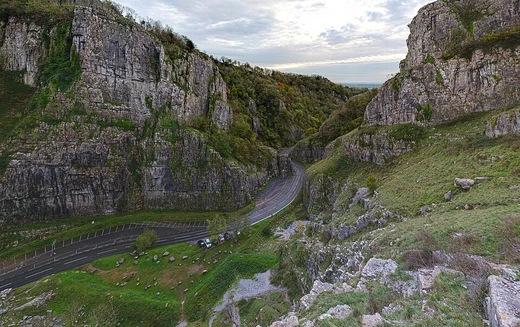
Thiên Đường Cave

Thiên Đường Cave, also known as Paradise Cave, is a massive limestone cave located within the Phong Nha-Kẻ Bàng National Park, a UNESCO World Heritage Site in central Vietnam. It lies approximately 60 kilometers northwest of the city of Đồng Hới, in Sơn Trạch Commune, Bố Trạch District, Quảng Bình Province. The cave sits at an elevation of 350 meters above sea level, near the western branch of the Ho Chi Minh Highway.
Discovered by a local man in 2005, the cave was initially explored by members of the British Cave Research Association later that year, who surveyed the first five kilometers. Subsequent exploration revealed the cave’s full length of 31 kilometers, making it longer than Phong Nha Cave, which had previously been considered the longest in the national park. The cave’s dimensions are impressive, with a height reaching up to 72 meters and a width of 150 meters. The British explorers were particularly struck by the beauty and complexity of its stalactites and stalagmites, which they deemed more spectacular than those in Phong Nha Cave, leading them to name it Thiên Đường, or Paradise Cave. In 2012, a new species of troglobiontic scorpion, *Vietbocap thienduongensis*, was discovered within the cave.
The cave was opened to tourists on 3 September 2010, following the construction of access and internal roads by the Truong Thinh Group. The car park is situated 1.6 kilometers from the cave entrance, and visitors can reach it via golf cart or a paved walkway. Without a guide, only the first kilometer is accessible to tourists; however, adventure tours allow travel up to seven kilometers into the cave.
- length
- 31 km
- location
- Son Trach Commune, Bố Trạch District, Quảng Bình Province, Vietnam
Lore & Background
Thiên Đường Cave, also known as Paradise Cave, is situated within the UNESCO World Heritage Site of Phong Nha-Kẻ Bàng National Park in Quảng Bình Province, Vietnam. It lies approximately 60 kilometers northwest of Đồng Hới city, at an elevation of 350 meters above sea level, near the west branch of the Ho Chi Minh Highway in Sơn Trạch Commune, Bố Trạch District. The cave was discovered by a local man in 2005, and later that year, explorers from the British Cave Research Association surveyed the first 5 kilometers of its length. Subsequent exploration revealed the cave to be 31 kilometers long, surpassing Phong Nha Cave as the longest known cave in the national park. Its dimensions are impressive, with a height reaching up to 72 meters and a width of 150 meters. The limestone formations inside are notably more spectacular than those of Phong Nha Cave, featuring beautiful and elaborate stalactites and stalagmites that so impressed the British explorers they named it Thiên Đường, meaning Paradise. In 2012, a new species of troglobiontic scorpion, *Vietbocap thienduongensis*, was discovered within the cave. Access to the cave mouth involves a 1.6-kilometer journey from the car park, which can be made by golf cart or on foot along a paved road. For general tourists, only the first kilometer of the cave is open without a guide, while adventure tours allow exploration up to 7 kilometers into the cavern.
Reader's Guide
Thiên Đường Cave, also known as Paradise Cave, is situated within the UNESCO World Heritage Site of Phong Nha-Kẻ Bàng National Park in Quảng Bình Province, Vietnam. It lies at an elevation of 350 meters above sea level, near the west branch of the Ho Chi Minh Highway in Sơn Trạch Commune. Discovered by a local man in 2005, the cave was initially explored by members of the British Cave Research Association later that year, who surveyed the first 5 kilometers. Subsequent exploration revealed the cave’s total length to be 31 kilometers, surpassing Phong Nha Cave, which had previously been considered the longest in the park. The cave reaches heights of up to 72 meters and widths of 150 meters, and its limestone formations are noted for being more spectacular than those of Phong Nha Cave. The British explorers were particularly impressed by the beauty of its stalactites and stalagmites, leading them to name it “Thiên Đường” (Paradise). In 2012, a new species of troglobiontic scorpion, *Vietbocap thienduongensis*, was discovered within the cave. The site opened to tourists in September 2010, with access roads and internal paths built by a local company. Visitors can park 1.6 kilometers from the entrance and travel by golf cart or on foot. A 1-kilometer section is open for unguided visits, while adventure tours allow travel up to 7 kilometers into the cave.
Did You Know?
- British explorers named it Thiên Đường (Paradise Cave) because of its beautiful and spectacular stalactites and stalagmites.
- Only 1 km of the cave is open for tourists without a tour guide; adventure tours allow travel 7 km into the cave.
More in Caves & Gorges 1-23
Spotted an error? Know more?
This is a living reference — every entry is fact-audited, and reader corrections feed straight into our audit queue. Suggest an edit · See this site's audit record