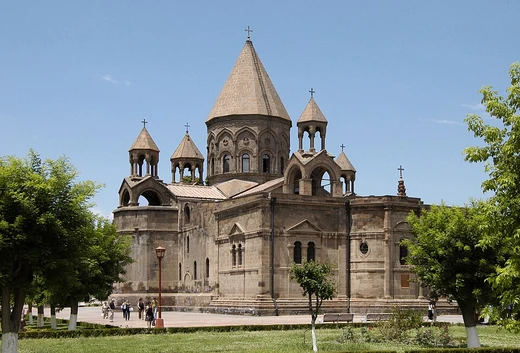
Notre-Dame de Paris
Medieval Gothic cathedral on the Île de la Cité in Paris.
Last updated

Jebulon · CC0
Where it is
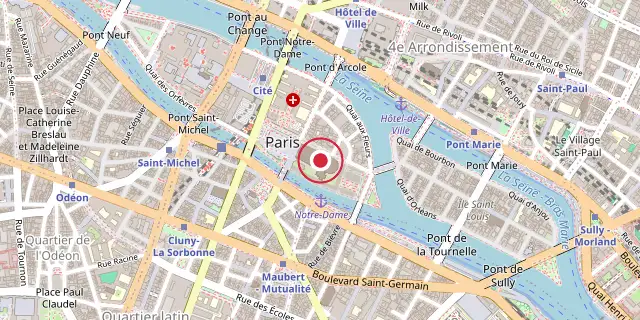
Coordinates: 48°51′11″N 2°21′00″E (48.8530, 2.3500) · Open in OpenStreetMap
Coordinates and connected clubs: the infobox of Wikipedia: Notre-Dame de Paris (CC BY-SA 4.0). Map: drawn by Codexery from OpenStreetMap tiles.
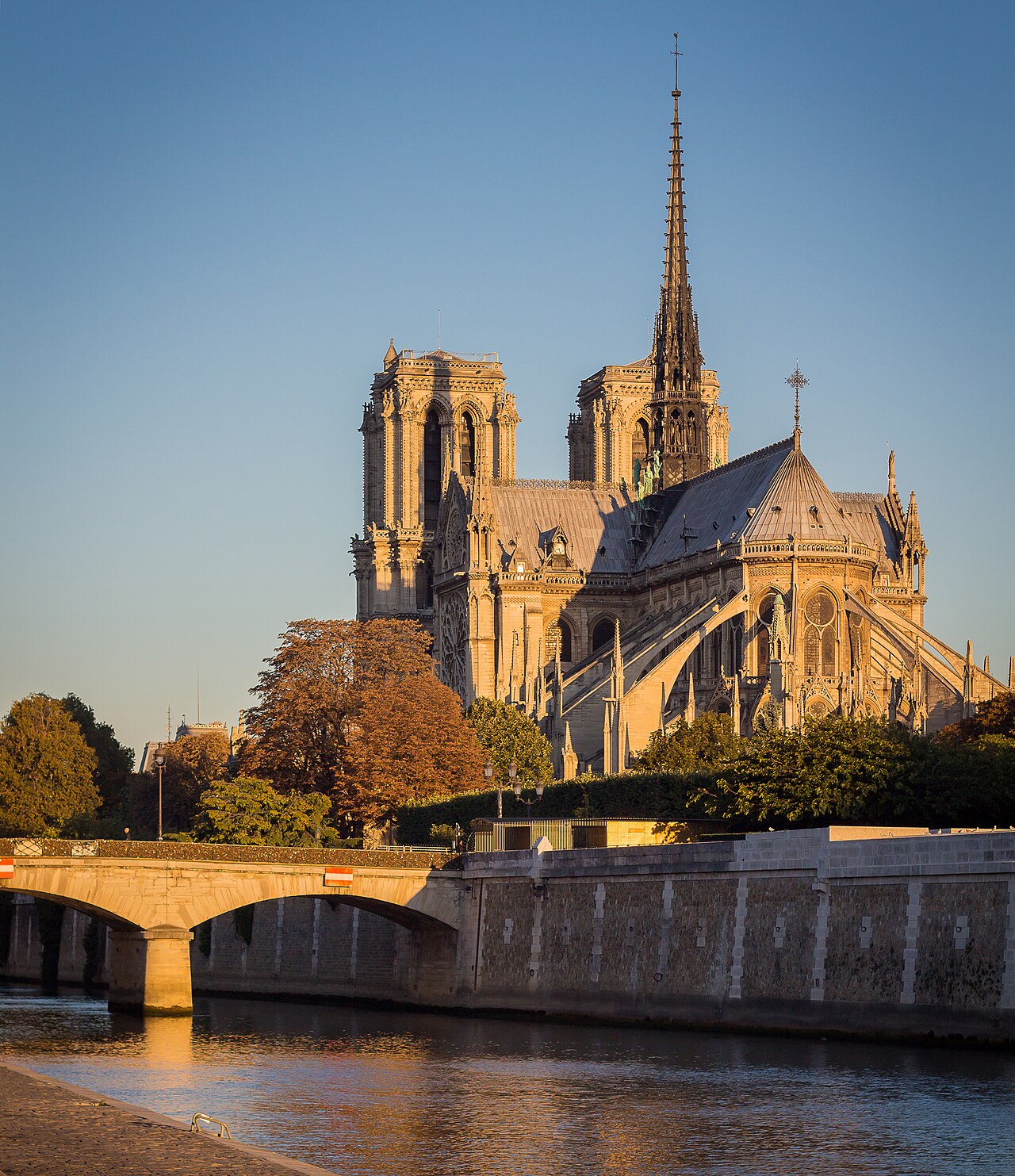
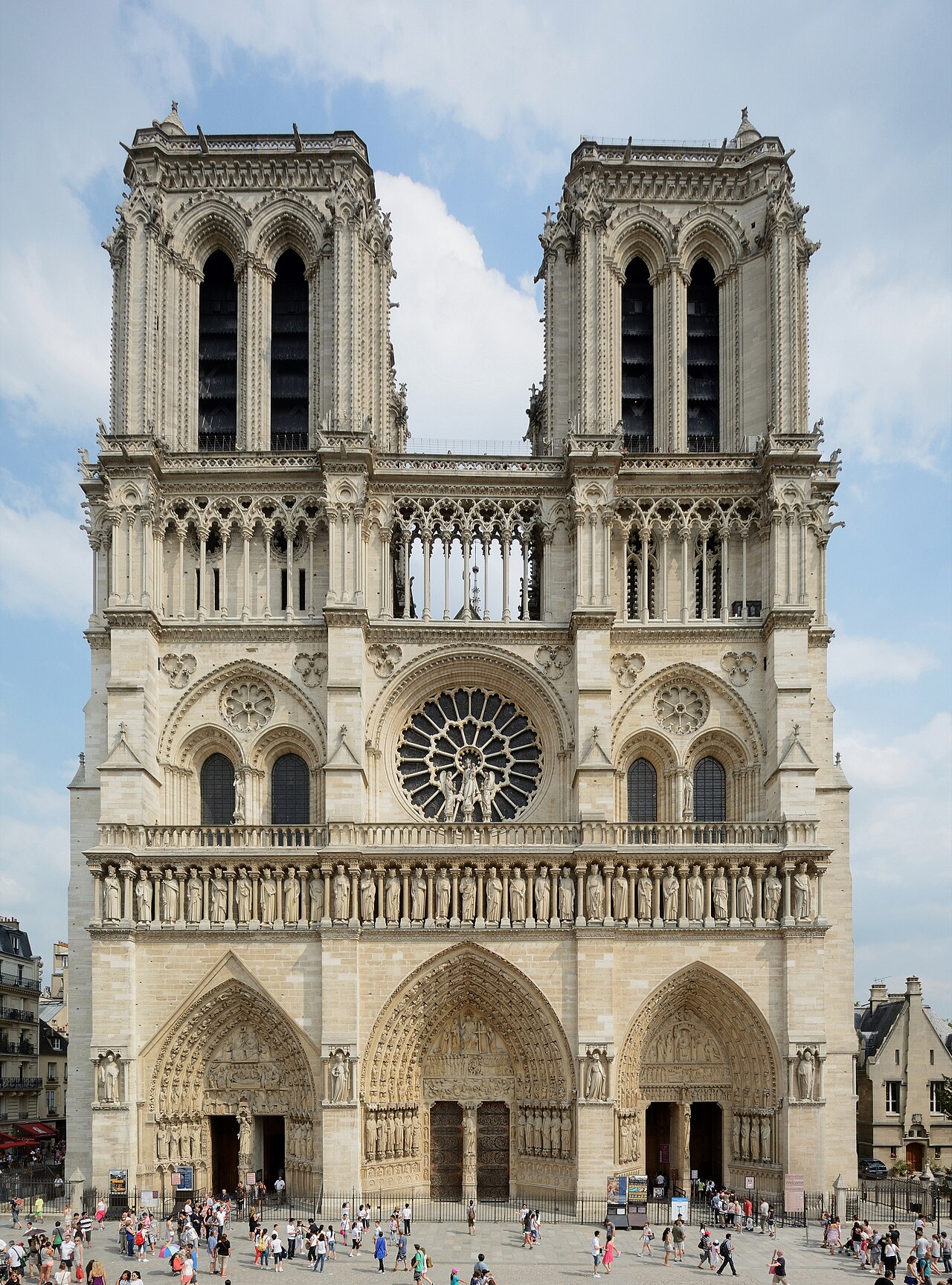
Notre-Dame de Paris, often referred to simply as Notre-Dame, is a medieval Catholic cathedral on the Île de la Cité in the 4th arrondissement of Paris, France. It is the cathedral church of the Roman Catholic Archdiocese of Paris and is considered one of the finest examples of French Gothic architecture. The cathedral is a widely recognised symbol of both the city of Paris and the French nation.
Lore & Background
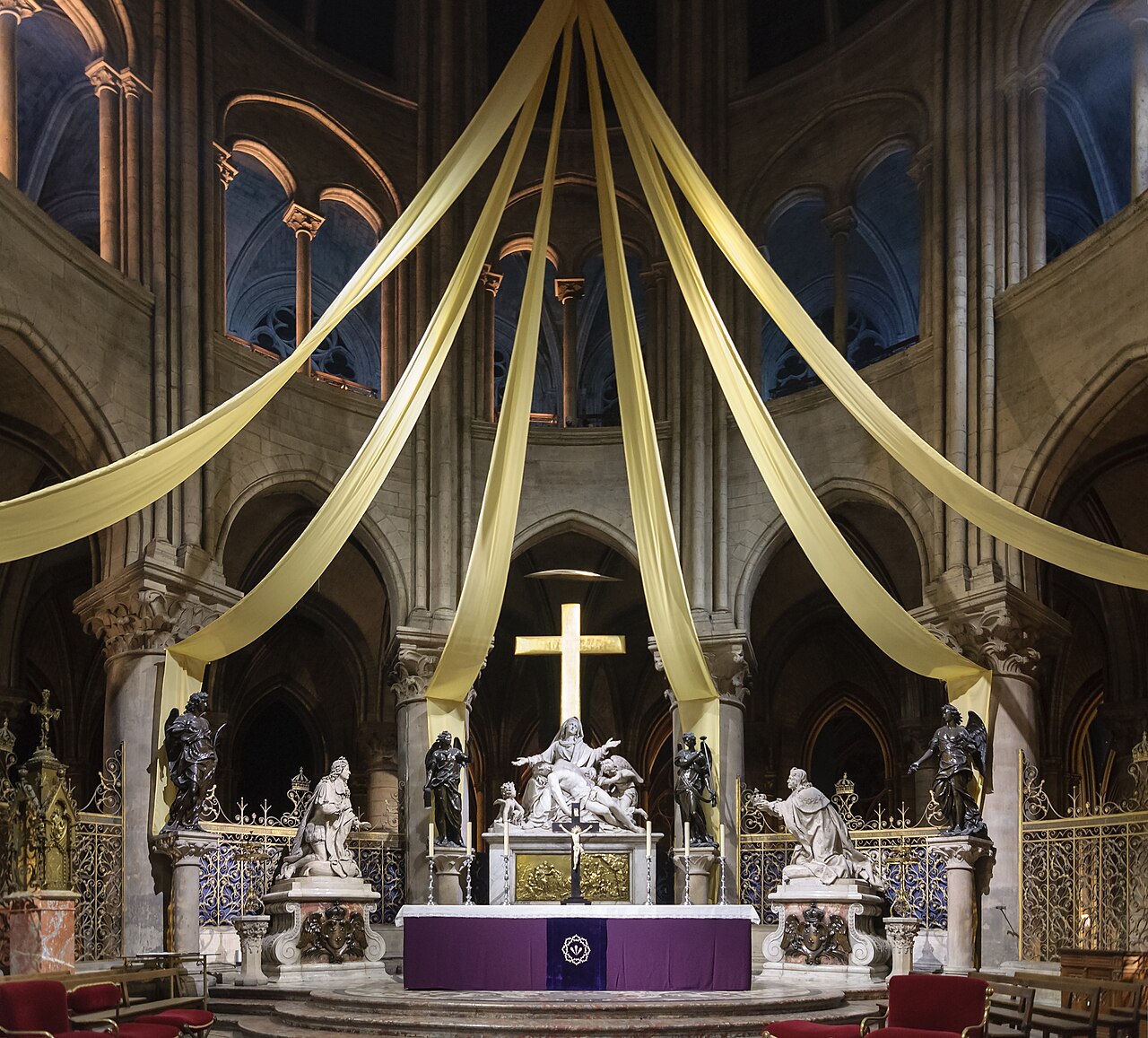
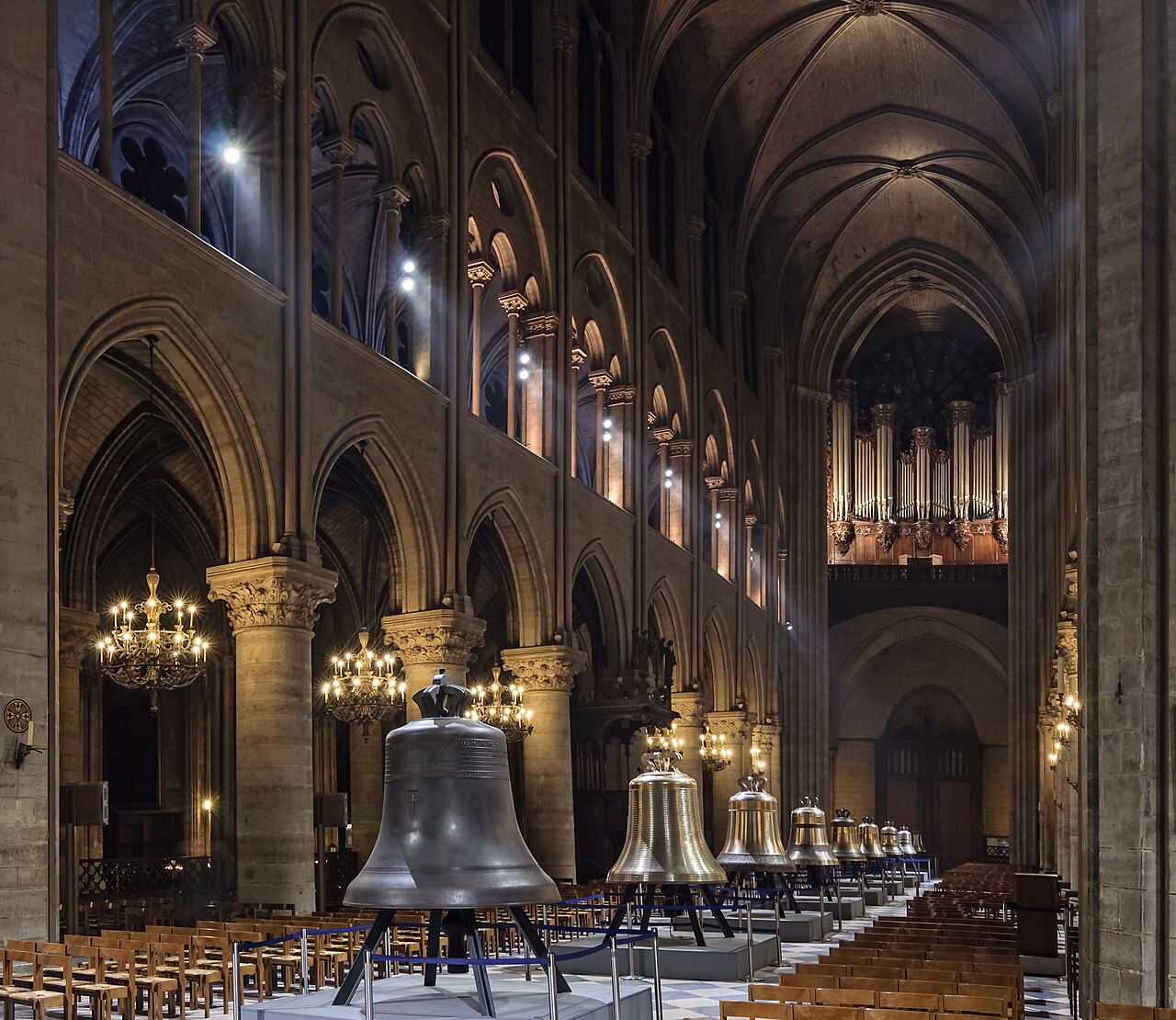
The cathedral features pioneering use of the rib vault and flying buttress, enormous rose windows, and naturalistic sculptural decoration. It also contains three pipe organs and immense church bells. In the 1790s, during the French Revolution, the cathedral suffered extensive desecration; much of its religious imagery was damaged or destroyed. In the 19th century, it hosted the coronation of Napoleon and state funerals for three presidents of the French Republic.
Architectural Pioneering & Gothic Mastery
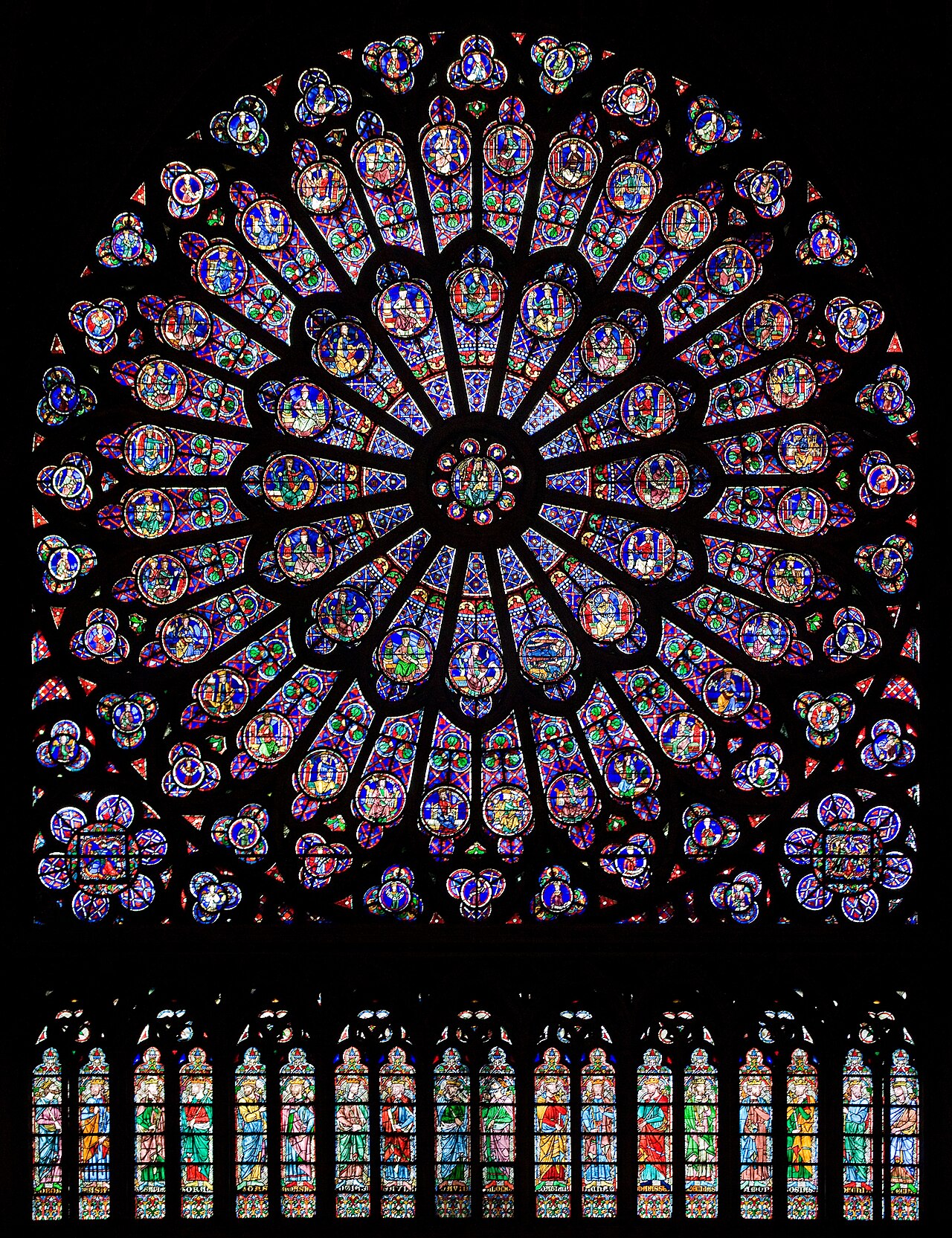
Notre-Dame de Paris stands as one of the most celebrated achievements of French Gothic architecture, rising from the Île de la Cité in the River Seine. What distinguishes it from the earlier Romanesque tradition is a suite of structural and decorative innovations: the pioneering employment of the rib vault and the flying buttress, which allowed walls to be opened to vast expanses of glass; the enormous, vividly coloured rose windows that flood the interior with patterned light; and a sculptural programme of remarkable naturalism and sheer abundance. The cathedral also houses three pipe organs, one of them historic, alongside a set of immense church bells that have marked the hours of Parisian life for centuries. The result is a structure whose very bones—its buttresses, vaults, and tracery—remain a masterclass in medieval engineering.
A Cathedral That Outlived Revolution and Fire
Few buildings in Europe have weathered as many existential threats as Notre-Dame. During the French Revolution of the 1790s, the Revolutionary Paris Commune stripped the cathedral of its bronze, lead, and precious metals for melting, and much of its religious imagery was deliberately damaged or destroyed. The building was even repurposed as a Temple of Reason and later a Temple of the Supreme Being, a stark inversion of its sacred purpose.
National Symbol, Reliquary, and Cultural Magnet
Notre-Dame occupies a unique position in the French imagination, serving simultaneously as a spiritual centre, a national emblem, and one of the world's most visited monuments. In the early twenty-first century, roughly twelve million people passed through its doors each year, making it the most frequented site in Paris. The building also shelters some of the most venerated relics in Christendom, including the crown of thorns and a fragment and nail from the True Cross.
Cycles of Building, Loss, and Restoration
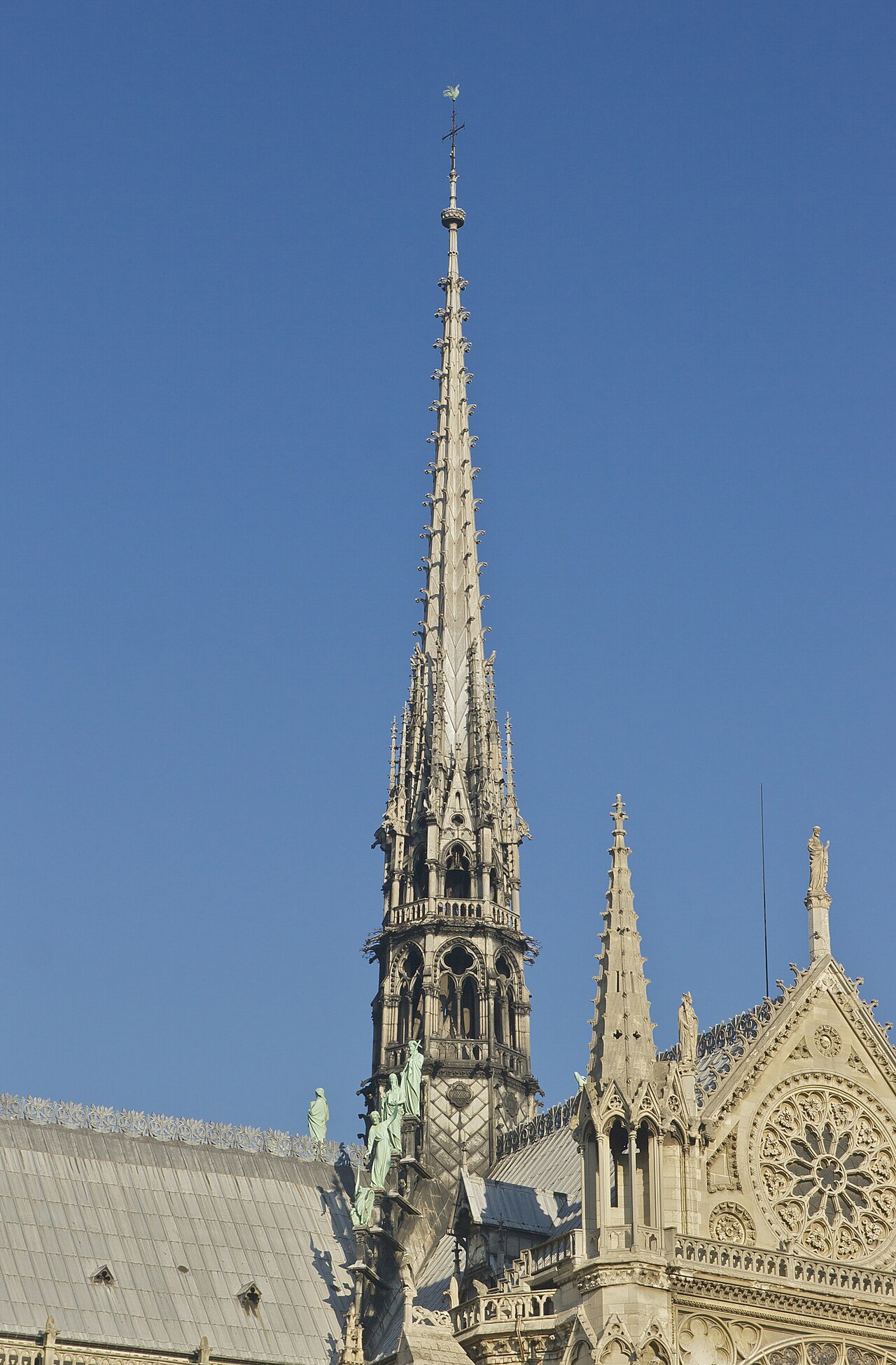
The physical history of Notre-Dame is a long palimpsest of construction, damage, and repair.
Common Misconceptions (Editorial)
Some people mistakenly believe Notre-Dame was always a Catholic cathedral without interruption. However, the facts on record show that during the French Revolution in the 1790s, it was converted into a Temple of Reason and later a Temple of the Supreme Being, indicating a period of desecration and non-religious use.
Why It Matters (Editorial)
Notre-Dame de Paris matters not only as a masterpiece of French Gothic architecture but as a living repository of French history, from medieval piety to revolutionary upheaval and national celebration. Its endurance through fire, revolution, and restoration reflects the resilience of collective memory and cultural identity, reminding us that great monuments are both witnesses to and participants in the stories of the nations they embody.
More in Great Cathedrals
Sources
Compiled from Wikipedia and the sources listed below. Text from Wikipedia is available under CC BY-SA 4.0; this entry is adapted from it.
- Wikipedia: Notre-Dame de Paris (CC BY-SA 4.0).
Spotted an error? Know more?
Reader corrections go straight into our review queue. Suggest an edit · How this site is sourced