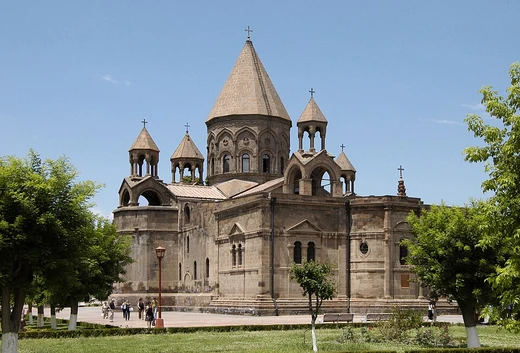
Cologne Cathedral
Germany's most visited landmark and the world's tallest twin-spired cathedral.
Last updated

via Wikipedia: Cologne Cathedral · see source
Where it is
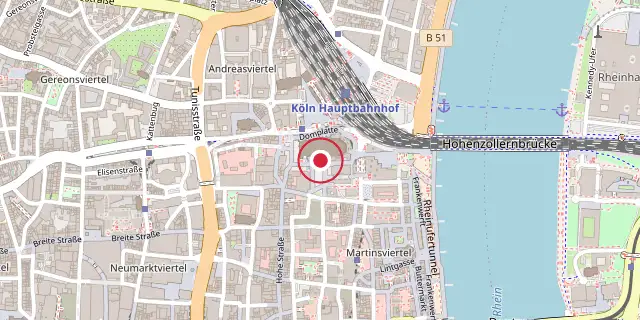
Coordinates: 50°56′28″N 6°57′29″E (50.9410, 6.9580) · Open in OpenStreetMap
Coordinates and connected clubs: the infobox of Wikipedia: Cologne Cathedral (CC BY-SA 4.0). Map: drawn by Codexery from OpenStreetMap tiles.
Cologne Cathedral, known locally as the Kölner Dom, is a Catholic cathedral located in Cologne, North Rhine-Westphalia, Germany. It serves as the seat of the Archbishop of Cologne and the administrative center of the Archdiocese of Cologne.
World Heritage Site
Recognized as a World Heritage Site in 1996, it stands as a celebrated symbol of German Catholicism and Gothic architecture. As Germany’s most visited landmark, it draws around 6 million visitors each year. Rising 157 meters (515 feet), it is the tallest twin-spired church on Earth, the third tallest church in Europe (behind the Sagrada Família and Ulm Minster), and the world’s tallest cathedral.
Construction began in 1248 but stalled around 1560. Efforts to resume building started around 1814, but funding only became secure in the 1840s. The structure was finally finished in 1880, following the original medieval plans. Its two towering spires give the cathedral the largest façade of any church globally.
Merovingian episcopal church
Medieval builders envisioned a grand structure to house the reliquary of the Three Kings and to serve as a place of worship for the Holy Roman Emperor. Though left incomplete for centuries, Cologne Cathedral eventually came to be seen as "a masterpiece of exceptional intrinsic value" and "a powerful testimony to the strength and persistence of Christian belief in medieval and modern Europe." In Cologne, only the telecommunications tower is taller than the cathedral.
Earlier buildings on the site include a Merovingian episcopal church. Around 313, Maternus of Cologne became the first bishop, but the small Christian community met in a residential building on the cathedral hill, below today’s choir.
After Roman rule collapsed, Merovingian kings built an episcopal church there in the 6th century, roughly 40 to 50 meters (130 to 160 feet) long, with an ambo. Likely built by King Theudebert I, it served as a royal burial site; his wife Wisigard was interred there around 537. Excavation finds under the choir do not allow a full reconstruction of these Merovingian structures.
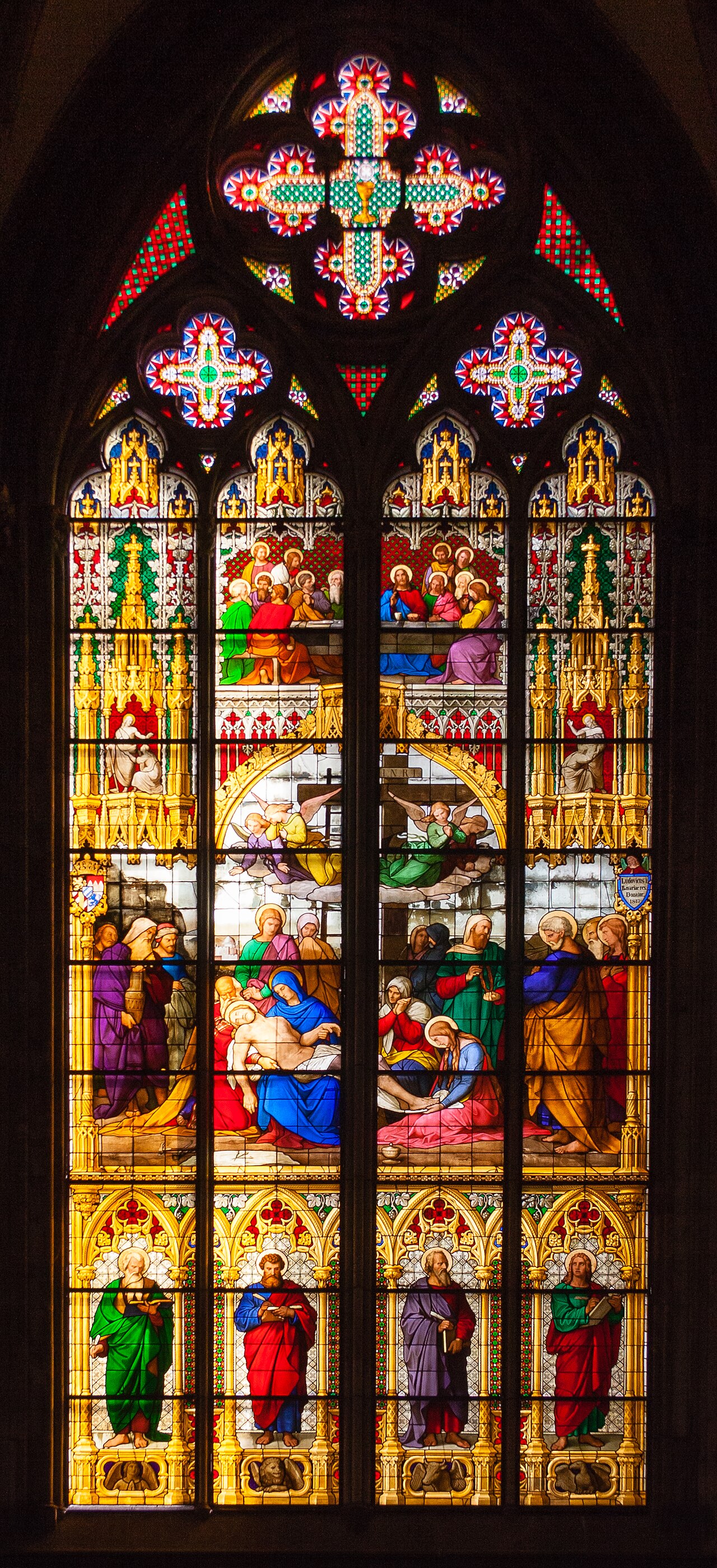
Baptistry
A baptistery existed east of the cathedral choir in late antiquity. Early Christians, following the rite of the time, stepped into knee-deep water and were fully doused. The baptismal font, dating to the 5th century, is thought to have originally been in the garden of the Roman house used as a meeting place.
Later, a baptistery built over the pool was likely combined with the cathedral into one complex, though no archaeological evidence confirms this. When Hildebold Cathedral was built with a new font due to a changed rite, only the baptismal piscina remained. This piscina, accessible in the cathedral’s base, is considered the oldest evidence of Christian worship in Cologne.
Hildebold Cathedral
In Carolingian times, the Old Cathedral was built on the hill and consecrated in 870. Known as Hildebold Cathedral after Bishop Hildebold (who died in 818 and was a close advisor to Charlemagne), it is unclear how much the bishop contributed. He likely started the new construction, which Charlemagne generously supported.
The bishop’s residence originally stood next to the cathedral. About 95 meters (312 feet) long, it was one of the largest Carolingian churches ever built and became an architectural model for many early Holy Roman Empire churches. Built as a basilica with two choirs, the east choir was dedicated to Mary, mother of Jesus, and the more important west choir to Saint Peter. This design, along with its patronage, referenced Old St. Peter’s Basilica in Rome, earning it the nickname "St. Peter’s Basilica of the North," emphasizing Cologne’s claim as a holy city and faithful daughter of the Roman Church.
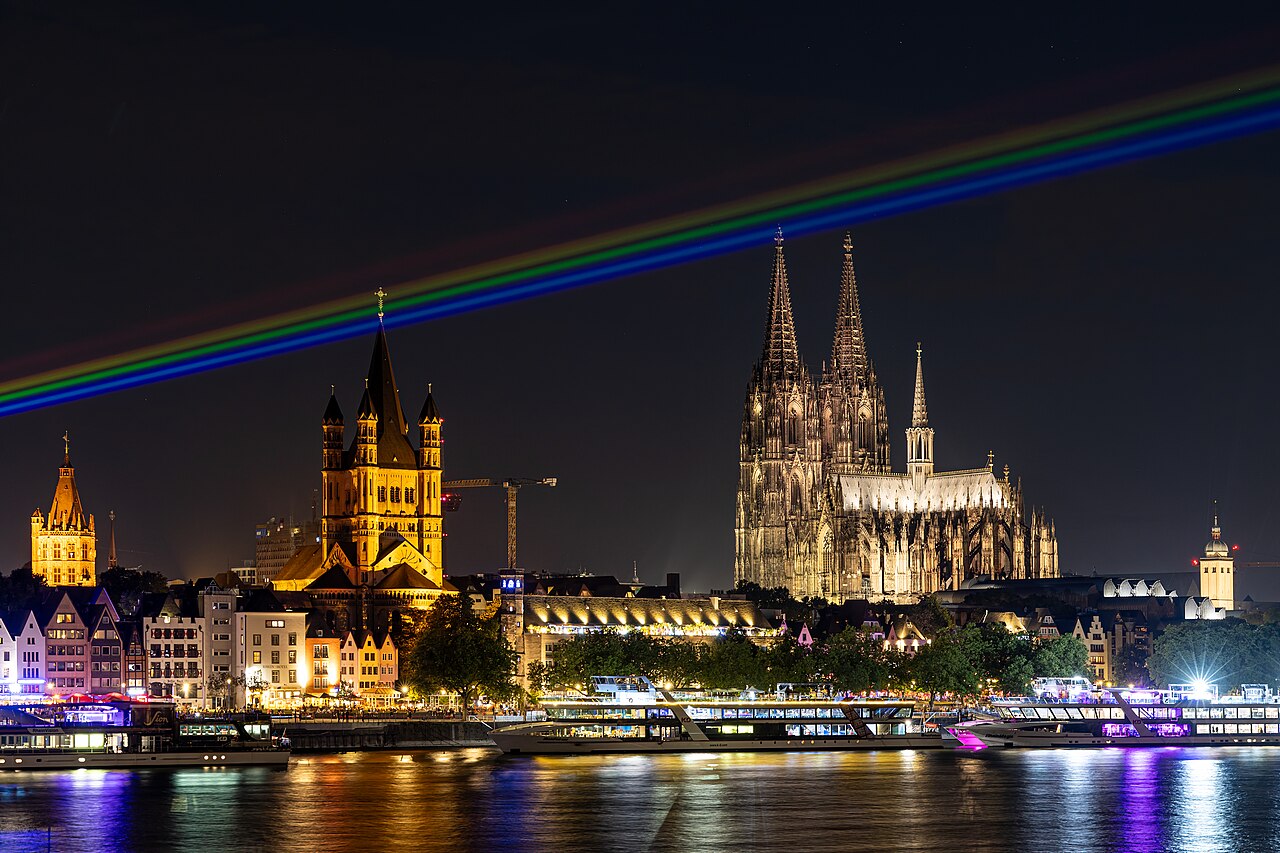
Important relics included the reliquary-staff of Saint Peter and the chains of Saint Peter. The Hillinus Codex from the 11th century shows Hildebold Cathedral in an unusually realistic depiction. Today, the foundation walls of the Carolingian basilica are visible through cathedral excavations.
On 23 July 1164, Archbishop Rainald of Dassel brought the bones of the Three Wise Men from Milan to Cologne, a move seen as a "propaganda success." Emperor Frederick Barbarossa had given the relics to the archbishop from his war spoils. They had been considered worthy of veneration at least since their transfer. Whether Rainald von Dassel or Milanese patricians should be credited as the relics’ "inventors" is debated in academic literature.
Between 1190 and 1225, the Shrine of the Three Kings was crafted in Cologne for these highly respected saints, considered one of the most sophisticated goldsmith works of the Middle Ages. The shrine was placed in the center of the Old Cathedral, making Cologne an internationally renowned pilgrimage site. To manage the pilgrim crowds, an office of custos regum was established.
Lore & Background
Construction of Cologne Cathedral began in 1248, but was halted in the years around 1560. Attempts to complete construction began around 1814, but the project was not properly funded until the 1840s. The edifice was completed to its original medieval plan in 1880. The towers for its two huge spires give the cathedral the largest façade of any church in the world.
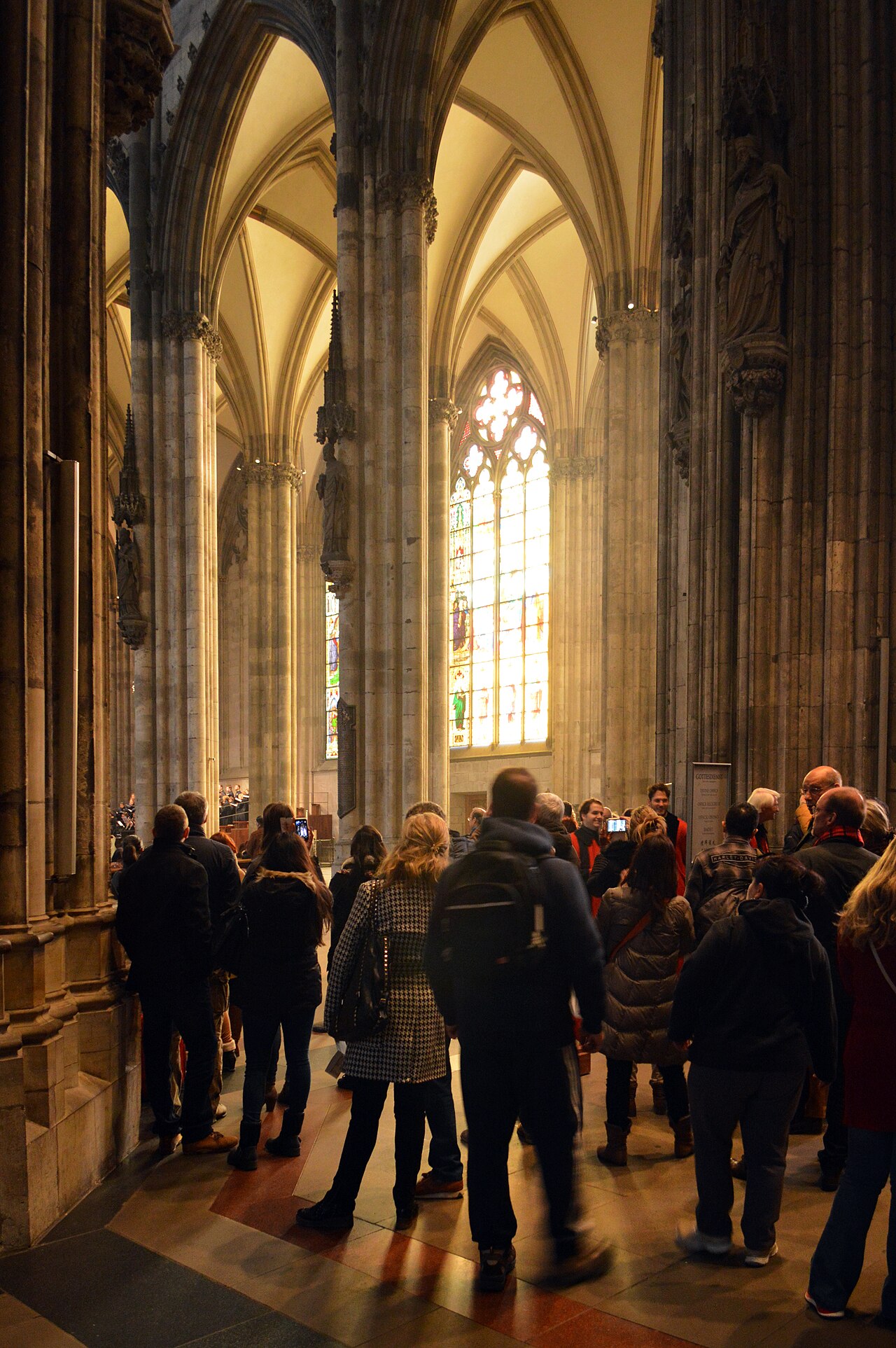
Cologne's medieval builders had planned a grand structure to house the reliquary of the Three Kings and fit for its role as a place of worship for the Holy Roman Emperor. Despite having been left incomplete during the medieval period, Cologne Cathedral eventually became unified as 'a masterpiece of exceptional intrinsic value' and 'a powerful testimony to the strength and persistence of Christian belief in medieval and modern Europe'. In Cologne, only the telecommunications tower is higher than the cathedral.
Predecessor buildings include a Merovingian episcopal church from the 6th century, a baptistery from late antiquity, and Hildebold Cathedral, a Carolingian basilica consecrated in 870. With the construction of the Gothic cathedral in 1248, the Old Cathedral was to be demolished step by step. However, careless demolition work and fire destroyed not only the east choir, but almost the entire cathedral; the Shrine of the Three Kings was saved from the fire. The western parts of Hildebold Cathedral were provisionally rebuilt and were only taken down after 1322, when the Gothic choir was completed and construction of the Gothic nave began.
Architectural Supremacy & Global Recognition
Cologne Cathedral stands as the tallest twin-spired church in the world, the third tallest church in Europe after Sagrada Família and Ulm Minster, and the tallest cathedral in the world, reaching 157 metres into the sky. Its two massive spire towers create the largest façade of any church globally. Declared a UNESCO World Heritage Site in 1996, it is celebrated as a monument of both German Catholicism and Gothic architectural achievement.
The cathedral draws roughly six million visitors annually, making it the most-visited landmark in all of Germany. Within Cologne itself, only the telecommunications tower rises above its roofline. The building serves as the seat of the Archbishop of Cologne and houses the administrative heart of the Archdiocese of Cologne, anchoring centuries of religious and civic life in North Rhine-Westphalia.
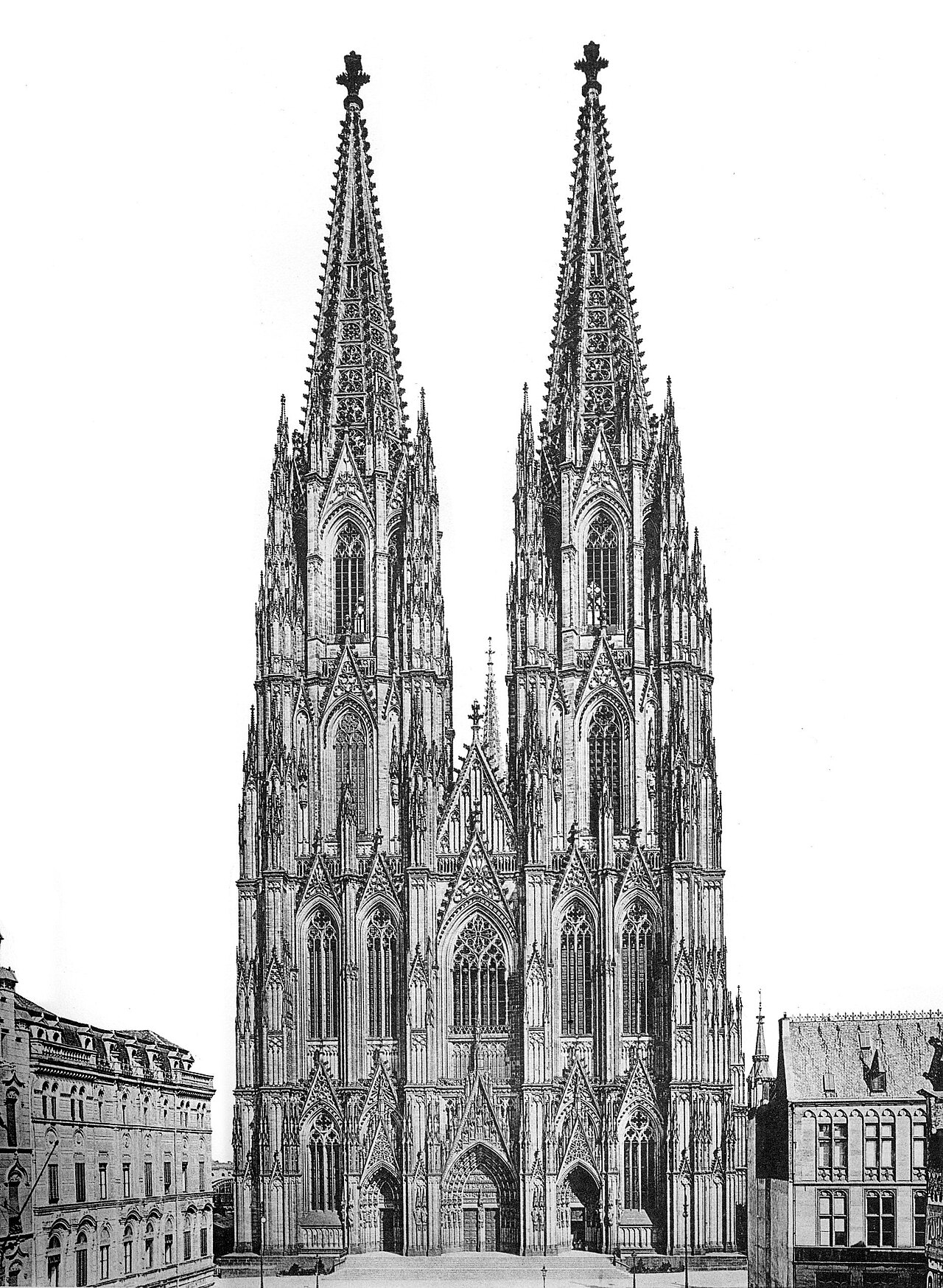
Six Centuries of Unfinished Ambition
The story of Cologne Cathedral's construction spans an astonishing 632 years. Work commenced in 1248, when medieval builders set out to raise a grand structure worthy of housing the reliquary of the Three Kings and serving as a worship space for the Holy Roman Emperor. Yet progress ground to a halt around 1560, leaving the edifice incomplete for centuries. Renewed efforts to finish the building emerged around 1814, but the project lacked adequate financial backing until the 1840s.
Only then did sustained funding allow the work to proceed toward its ultimate goal. In 1880, the cathedral was finally completed according to its original medieval design plan. At that moment, its 157.38-metre height made it the tallest building on the planet. The two towers, differing by only a few centimetres, stand as a powerful testimony to the strength and persistence of Christian belief across both medieval and modern Europe.
The Relics That Made a City Famous
In July 1164, Archbishop Rainald of Dassel brought the bones of the Three Wise Men from Milan to Cologne, a transfer he received from Emperor Frederick Barbarossa as war spoils. The event was widely regarded as a propaganda success, and the relics quickly drew pilgrims from across Europe. Between 1190 and 1225, artisans crafted the Shrine of the Three Kings in Cologne, a work now considered among the most sophisticated pieces of medieval goldsmithing. The shrine was positioned at the center of the Old Cathedral, and Cologne's international renown as a pilgrimage destination grew accordingly.
An office called the custos regum, or guardian of the kings, was established after 1162 to manage the surging crowds. Yet the cathedral's single narrow side portal proved ill-suited to the traffic, forcing pilgrims to use the same entrance and exit simultaneously. Academic debate persists over whether Rainald himself or Milanese patricians were the true inventors of the relics' veneration.
Layers of Sacred History Beneath the Stone
Long before the Gothic spires rose, Cologne's Christian story was already unfolding on the same hill. Maternus, the city's first bishop around 313, led a small community that met in a residential building rather than a dedicated church. After Roman rule collapsed on the Rhine, Merovingian petty kings built an episcopal church on the site in the 6th century, likely under King Theudebert I. The structure, roughly 40 to 50 metres long, served as a royal burial ground; the king's wife Wisigard was interred there around 537. A 5th-century baptismal font, originally kept in the garden of the Roman meeting house, later became part of a baptistry complex.
Today, the surviving baptismal piscina at the cathedral's base is regarded as the oldest evidence of Christian worship in Cologne. In Carolingian times, Hildebold Cathedral was consecrated in 870, stretching about 95 metres and earning the nickname St. Peter's Basilica of the North. Its foundation walls, now exposed through excavations, remind visitors that the great Gothic edifice rests upon a deep palimpsest of faith.
Common Misconceptions (Editorial)
Some people assume the cathedral was continuously under construction from the Middle Ages until its completion, but in fact, work halted for centuries around 1560 and was not properly resumed until the 1840s. Others may believe its survival of World War II was due to being spared intentionally, but the cathedral was actually hit by fourteen aerial bombs and was badly damaged, though it remained standing. A common misconception is that the cathedral was a purely Catholic project from start to finish; however, the completion in the 19th century was driven by the Protestant Prussian Court working with the church and largely funded by civic efforts.
Why It Matters (Editorial)
Cologne Cathedral endures not only as a masterpiece of Gothic architecture but as a symbol of resilience and communal ambition—surviving war, centuries of halted construction, and urban devastation to remain Germany’s most visited landmark. Its towering spires and the priceless Shrine of the Three Kings connect modern visitors to medieval craftsmanship and faith, while its World Heritage status underscores its global cultural significance as a monument built and rebuilt by collective human effort.
More in Great Cathedrals
Sources
Compiled from Wikipedia and the sources listed below. Text from Wikipedia is available under CC BY-SA 4.0; this entry is adapted from it.
- Wikipedia: Cologne Cathedral (CC BY-SA 4.0).
Spotted an error? Know more?
Reader corrections go straight into our review queue. Suggest an edit · How this site is sourced