
After Dark (TV programme)
A live, open-ended British discussion programme that redefined television talk.

Open Media Ltd. · CC BY-SA 4.0
After Dark was a British late-night live television discussion programme broadcast on Channel 4 between 1987 and 1991, with specials from 1993 to 1997, and later revived by the BBC for a single series in 2003. It was inspired by an Austrian programme called Club 2 and was considered a groundbreaking reinvention of the discussion format, broadcast live with no scheduled end time.
Quick Facts
- Runtime
- Open-ended
- Creator
- Open Media
- Country
- United Kingdom
- Language
- English
- Network
- Channel 4 (1987–1991, 1993–1997) / BBC Four (2003)
- First Aired
- 1 May 1987
- Last Aired
- 29 March 2003
- Num Episodes
- 90
- List Episodes
- List of After Dark editions
Facts from the source article.
Lore & Background
After Dark was produced by Open Media and hosted by a variety of presenters, with each episode featuring around half a dozen guests, often including a member of the public. The series editor Sebastian Cody stated that the programme was real in the sense that what viewers saw was unedited, unlike reality TV. Guests were allowed to drink wine or orange juice on set and could use the toilet during the broadcast. The programme only ended when guests had nothing more to say, fulfilling a long-held ambition of Channel 4's founding chief executive Jeremy Isaacs, who disliked the phrase 'I'm sorry, that's all we have time for.'
Reader's Guide
After Dark was described by Roly Keating of the BBC as 'one of the great television talk formats of all time.' In 2010, the trade magazine Broadcast wrote that it 'defined the first 10 years of Channel 4, just as Big Brother did for the second.' The programme was cited in a 2018 editorial in The Times as an example of high-quality television. An academic book in 2014 summarized the series as creating 'an unprecedented climate which encouraged spaces where the process of thinking could be brought to light.' The format allowed dissent, controversy, and reflective frankness, positioning guests often outside the mainstream political and social agenda. The production company Open Media acquired rights to the back catalogue and offers clips for paid licensing.
Did You Know?
- The first episode (1 May 1987) featured guests including Clive Ponting, Peter Hain, and Colin Wallace discussing state secrets, and ended with the Beatles song 'Do You Want to Know a Secret?'
- The programme broadcast a correction in 1987 stating that MP Simon Hughes was not a homosexual; nearly twenty years later, Hughes came out as bisexual.
The Open-Ended Format
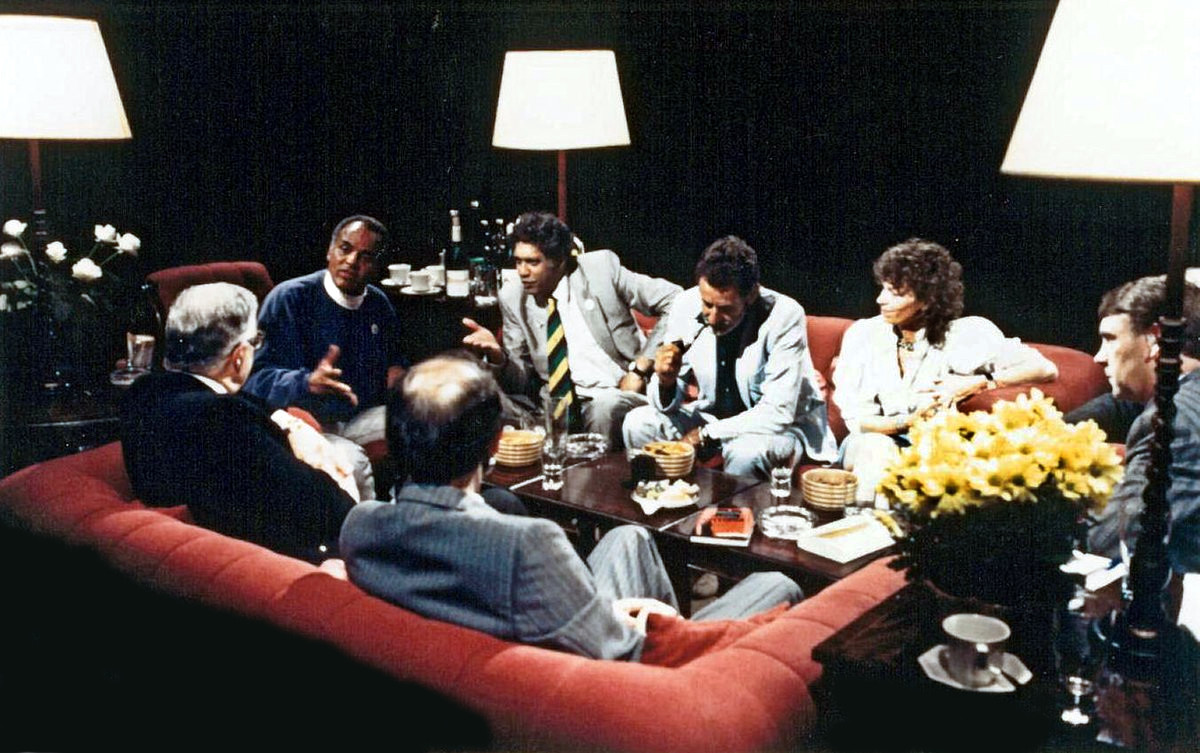
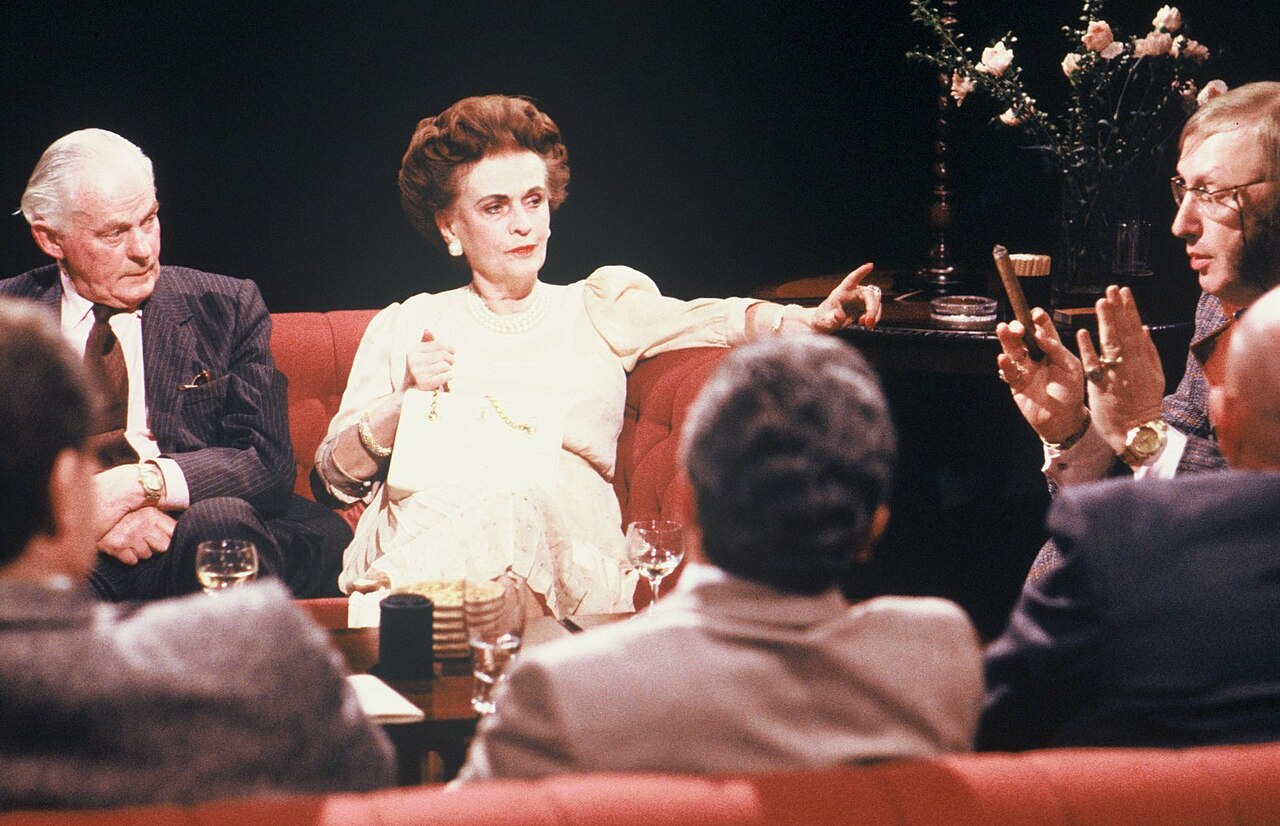
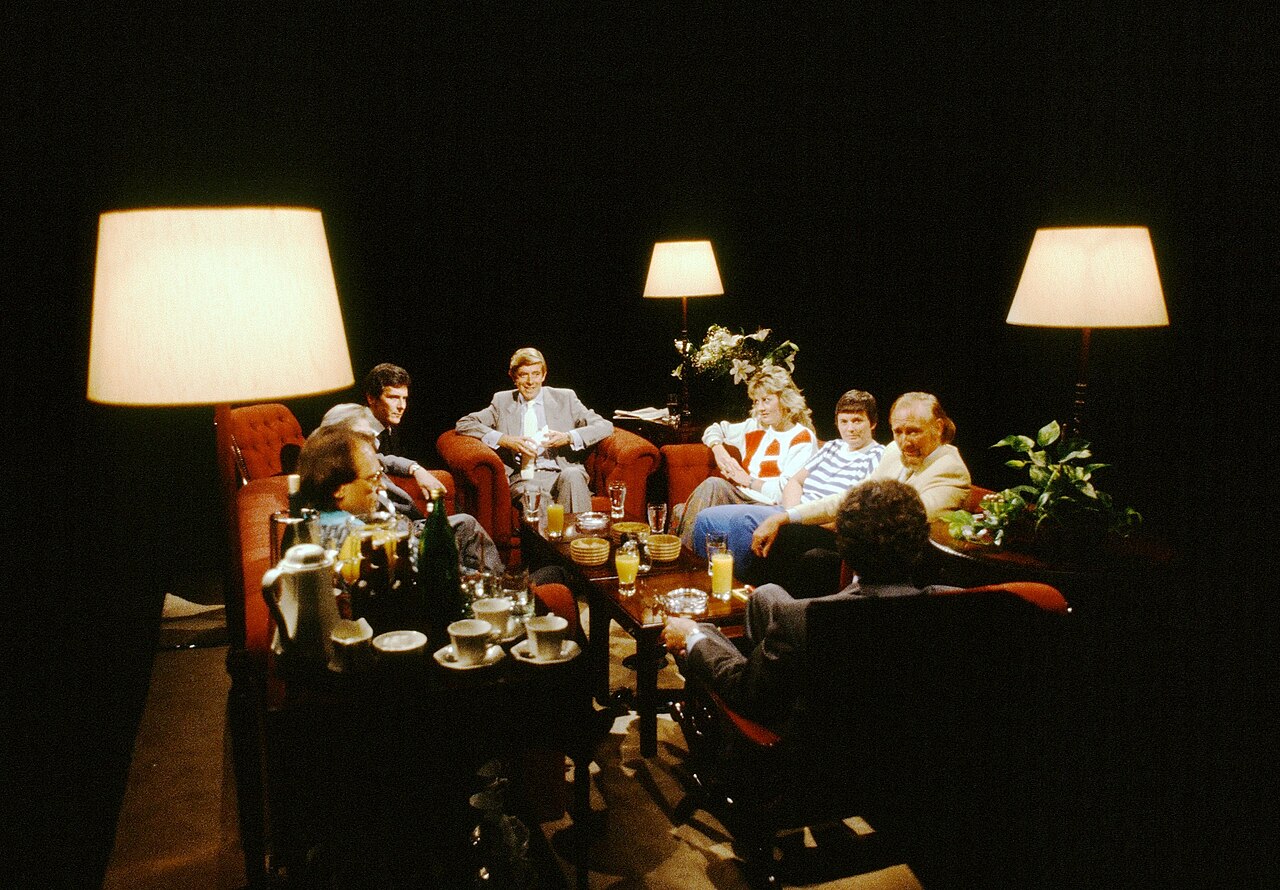
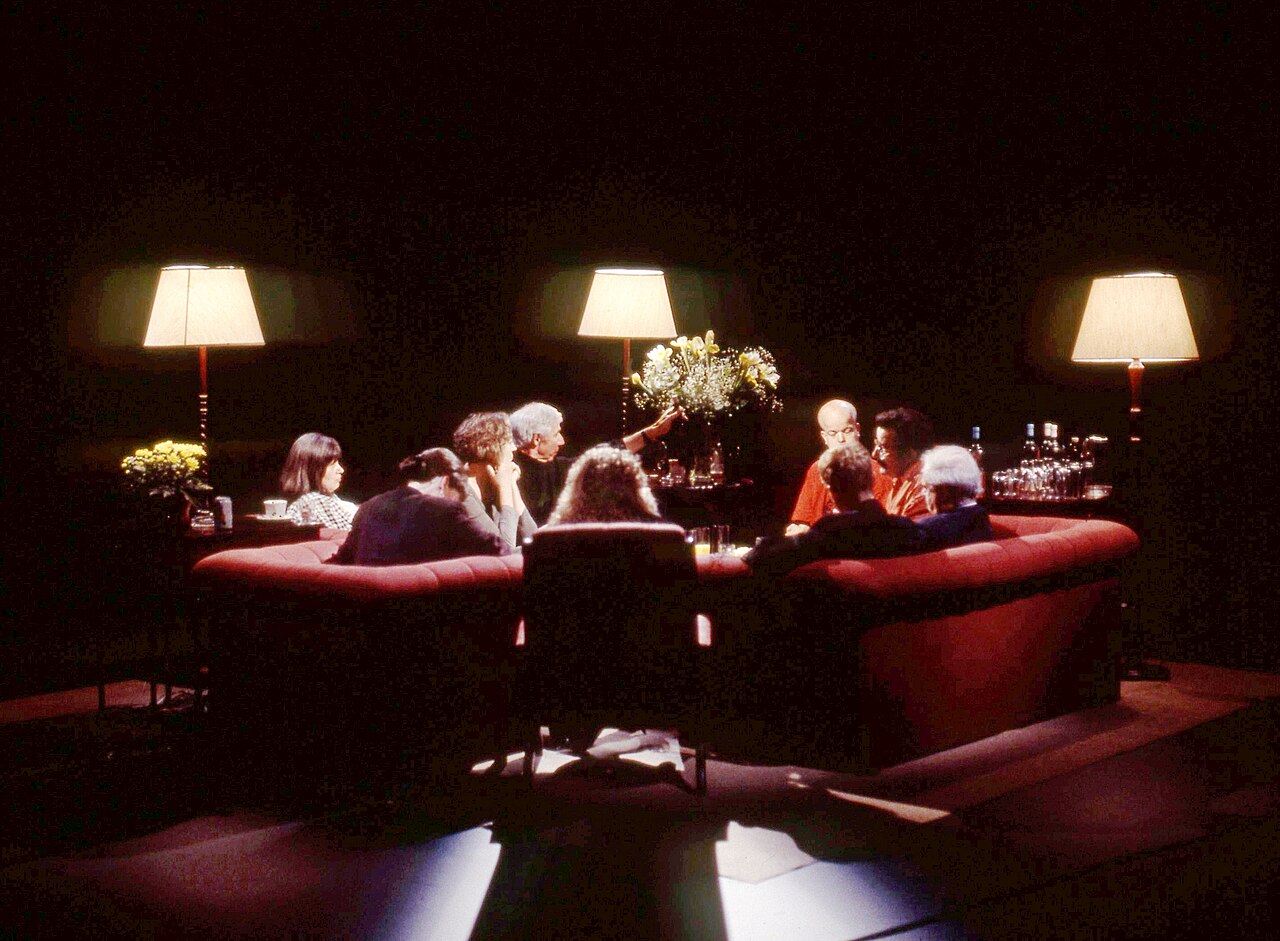
After Dark broke from the conventional talk show mold by refusing to impose a fixed end time. Broadcast live from a darkened studio where guests gathered around a coffee table, the show had no chair—only a host—and would simply stop when the conversation naturally exhausted itself. This structure, inspired by an Austrian programme called Club 2, was considered a groundbreaking reinvention of the discussion format. Jeremy Isaacs, Channel 4's founding Chief Executive, explained that the show fulfilled a lifelong ambition rooted in a remark from Sidney Bernstein at Granada: the worst words on television were "I'm sorry, that's all we have time for," especially when spoken just as someone was about to say something truly interesting. The Daily Telegraph captured this spirit, noting the discussion was open-ended and would stop only when guests decided the debate was over, not when TV executives said so. Each episode featured around half a dozen guests, often including a member of the public, and was hosted by a rotating cast of presenters.
A Canvas for Unlikely Conversations
The programme's guest list read like a cross-section of British and global society: poets and pornographers, spies and solicitors, feminists and farmers, witches and whalers, judges and journalists. Topics ranged from the deeply sensitive—treatment of the mentally ill, prisoners, children, class, racial and sexual difference, state secrecy, the Troubles in Northern Ireland—to lighter fare like sport, fashion, gambling, and pop music. International subjects such as Chile, Eritrea, Iran, Iraq, Israel, Nicaragua, South Africa, and Russia appeared regularly. Memorable clashes included footballer Garth Crooks debating the future of the game with politician Sir Rhodes Boyson, and MP Teresa Gorman walking out of a discussion about unemployment alongside Billy Bragg. The inaugural episode, broadcast on 1 May 1987, tackled the subject of secrets, featuring guests including former MOD official Clive Ponting, anti-apartheid campaigner Peter Hain, and a farmer campaigning against bureaucratic secrecy. A 2014 academic assessment captured the show's effect: it created an unprecedented climate encouraging spaces where the process of thinking could be brought to light.
Critical Legacy and Cultural Standing
Decades after its final regular broadcast, After Dark continues to be cited as a benchmark for British television. Roly Keating of the BBC called it one of the great television talk formats of all time. In 2010, the trade magazine Broadcast declared that the show defined the first ten years of Channel 4, just as Big Brother did for the second, and in 2018 The Times referenced it in an editorial as an example of high-quality television. Media academic David Lee described it as a counterpoint to the conventional talk show ecology of its era—specifically the twin pillars of Parkinson and Question Time—encouraging reflective frankness, dissent, and controversy, with participants often modifying their original positions through the interactions on the show. The Listener's review of the inaugural episode praised its rediscovery of the structure of adult conversation, citing intelligence, candour, and courage as its essential ingredients. The programme's outsider status, its relish for placing participants outside the mainstream political and social agenda, cemented its reputation as something genuinely different in British broadcasting.
Production Philosophy and Afterlife
Produced by Open Media, After Dark was conceived as an inexpensive but original piece of programming within Channel 4's Nighttime strand, which ran until 3am on Thursdays, Fridays, and Saturdays from late April 1987. The BBC1 comedy Alas Smith and Jones affectionately dubbed it After Closing Time. Series editor Sebastian Cody articulated the production philosophy in a 2003 interview: unlike reality television, which he called artificial, After Dark was real in the sense that what you see is what you get. He contrasted their approach with other shows that would wind guests up with alcohol before filming and then serve them water on air; his team gave guests nothing until they arrived on set, where they could have orange juice or a bottle of wine, and were permitted to use the restroom. After its original Channel 4 run ended in 1991, the show returned for specials between 1993 and 1997, and was revived by the BBC for a single series on BBC Four in 2003. Open Media later acquired rights to its own back catalogue from Channel 4 and now offers clips for paid licensing.
Gallery
Frequently Asked Questions
What is After Dark?
After Dark was a British late-night live discussion programme that reimagined the talk-show format by removing any scheduled end time. It brought together diverse guests to debate politics, social issues, and culture in an unscripted, open-ended setting.
When and where did After Dark air?
The original series ran on Channel 4 from 1987 to 1991, with additional specials broadcast between 1993 and 1997. A single revival series was later produced for BBC Four in 2003.
What made After Dark's format different from other discussion shows?
The show was transmitted live with no fixed stopping point, so conversations continued as long as the discussion genuinely warranted. This open-ended structure, paired with a wide range of guests and topics, set it apart from the tightly scheduled talk programmes common in British television.
What inspired the creation of After Dark?
The programme was modelled on an Austrian show called Club 2, adapting its open-discussion philosophy into a British late-night context. This cross-border influence helped shape what became a landmark reinvention of the talk format in the UK.
Why is After Dark considered important in British TV history?
It proved that a live, unscripted conversation without a rigid time slot could hold a late-night audience, challenging the assumption that television talk needed strict structure. Its influence on subsequent British debate and discussion programming remains widely acknowledged.
More in British television series revived after cancellation 1-24
Spotted an error? Know more?
Reader corrections go straight into our review queue. Suggest an edit · How this site is sourced