The Ponte Vecchio
Medieval bridge spared in WWII, lined with shops.

Ввласенко · CC BY-SA 3.0
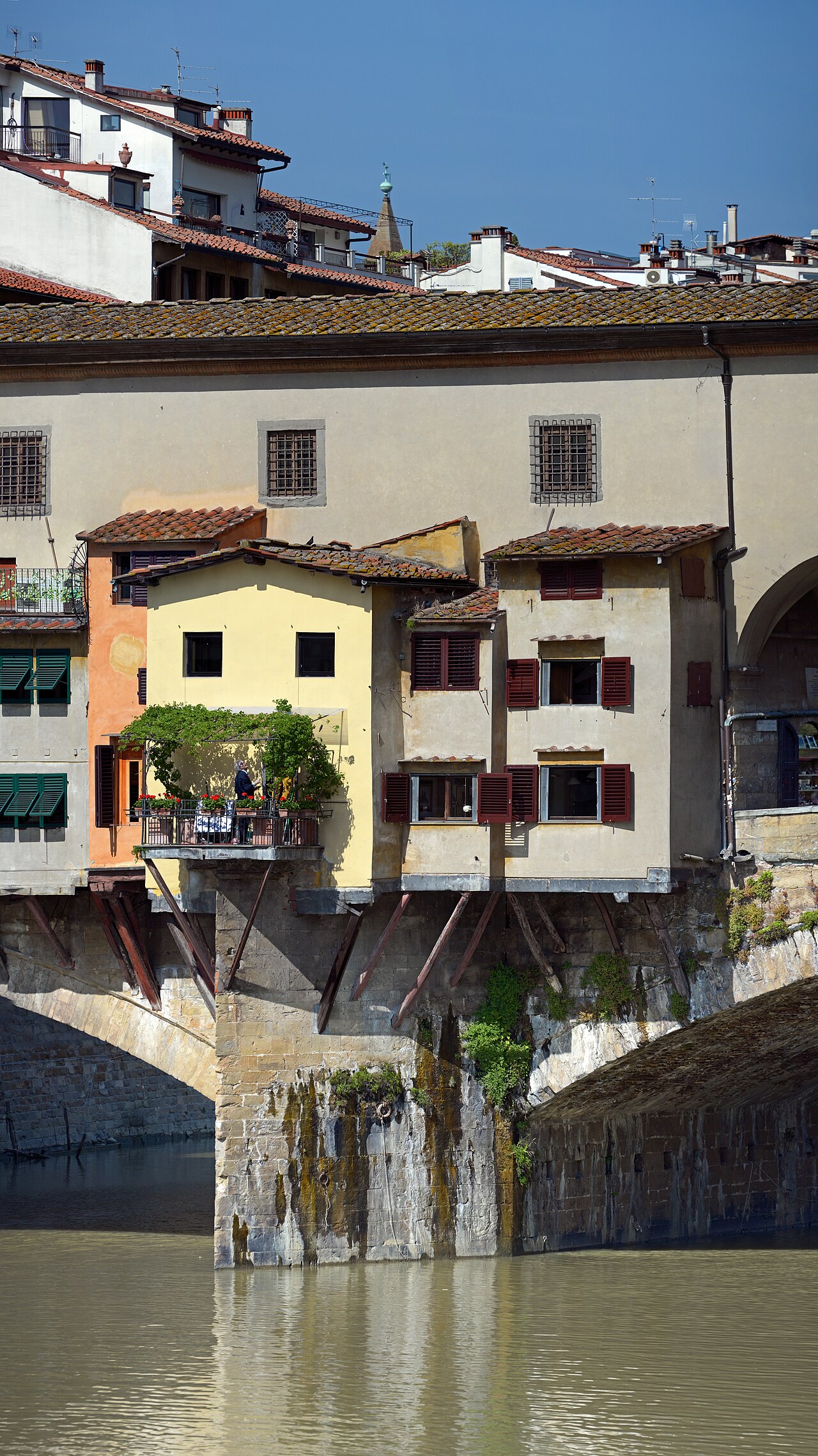
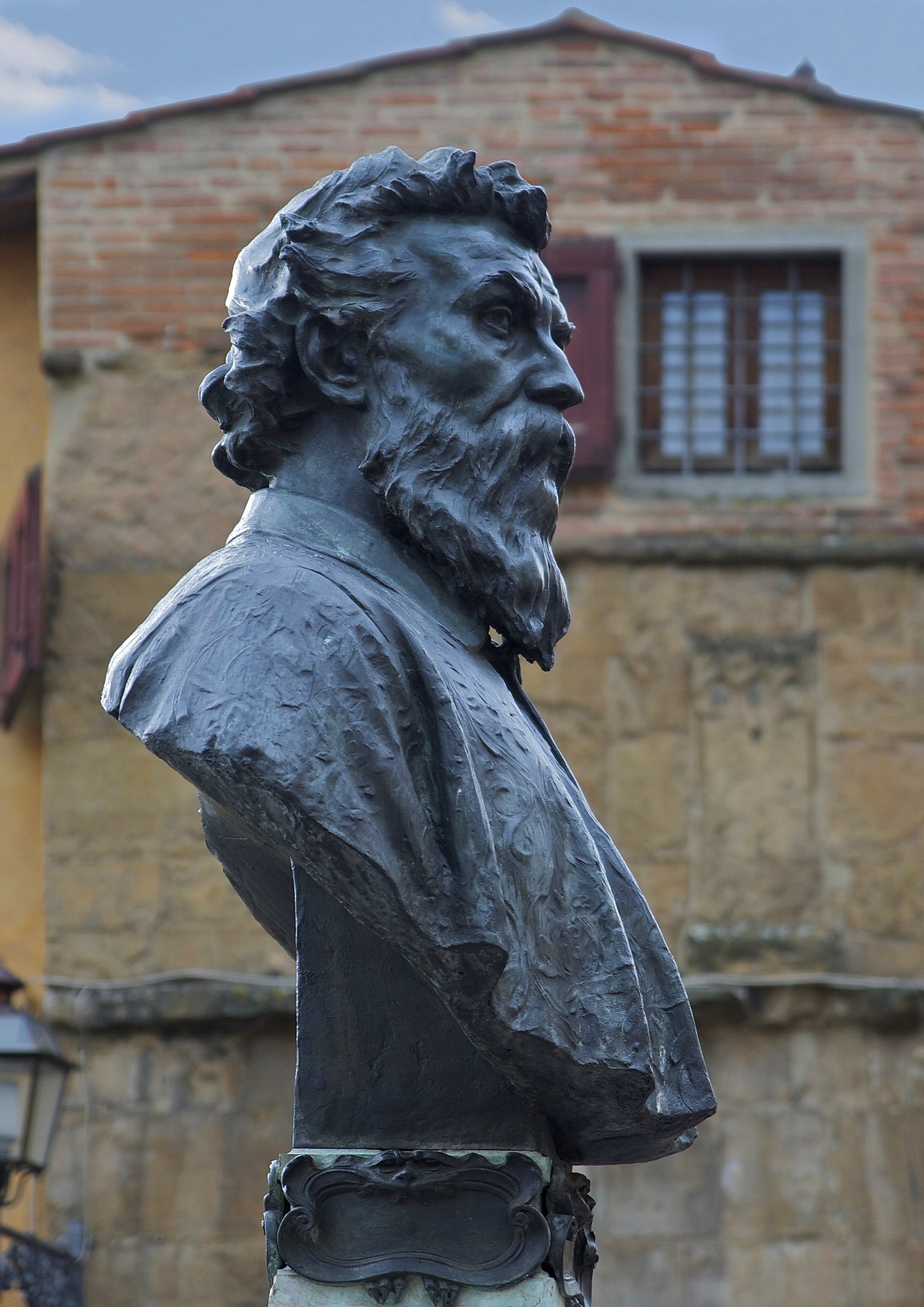
The Ponte Vecchio, whose name means "Old Bridge," is a medieval stone bridge in Florence, Italy, spanning the Arno River with three segmental arches. Its shallow arches, with a span-to-rise ratio of 5:1, allowed easier passage for carts than the semicircular arches used by the Romans. The bridge connects Via Por Santa Maria on one bank to Via de' Guicciardini on the other, and its location marks one of the earliest crossings of the Arno, possibly dating to Roman times when the Via Cassia crossed here. The first documented bridge on this site appears in a 996 record; it was destroyed by floods in 1117 and 1333, with the current structure rebuilt around 1345. Traditionally, its design was attributed to Taddeo Gaddi, though modern historians suggest Neri di Fioravanti as a possible builder. Shops have always lined the bridge; originally occupied by butchers, tanners, and farmers, they were replaced by goldsmiths and jewellers after a 1565 decree by Cosimo I de' Medici, a rule still in effect. The Vasari Corridor, built in 1565, runs above the bridge, connecting the Palazzo Vecchio to the Palazzo Pitti. A bronze bust of Benvenuto Cellini, commissioned by goldsmiths in 1900, stands at the center. During World War II, the bridge was the only one in Florence spared destruction, though the surrounding area was blocked with rubble. A stone at the entrance marks where Buondelmonte de' Buondelmonti was murdered in 1215, an event linked to the Guelf and Ghibelline conflicts. The bridge remains closed to vehicles but carries heavy pedestrian traffic, linking major tourist sites like Piazza del Duomo and Palazzo Pitti. It was listed as a national monumental building in 1901.
- type
- Medieval stone closed-spandrel segmental arch bridge
- location
- Florence, Italy
- span
- Main arch 30 meters (98 feet); side arches 27 meters (89 feet)
- notable_feature
- Shops along the bridge; Vasari Corridor runs above it
- historical_significance
- Only Florentine bridge not destroyed in World War II
Lore & Background
The Ponte Vecchio spans the Arno at its narrowest point, where a bridge is believed to have first been built in Roman times, with stone piers and a wooden superstructure. The current structure, a medieval stone closed-spandrel segmental arch bridge, has stood since approximately 1339–1345, though the site has seen earlier bridges destroyed by floods in 1117 and 1333. It consists of three segmental arches: the main arch spans 30 meters, and the two side arches each span 27 meters, with a span-to-rise ratio of 5:1, allowing easy passage for carts. A large piazza at the center was noted by Leon Battista Alberti as a prominent city ornament. Giorgio Vasari attributed the design to Taddeo Gaddi, but modern historians propose Neri di Fioravanti as a possible builder. The bridge is famous for the shops built along it, once occupied by butchers, tanners, and farmers, but since a 1565 decree by Cosimo I de’ Medici, only goldsmiths and jewellers have been permitted. The Vasari Corridor, built in 1565, runs above the bridge, connecting the Palazzo Vecchio to the Palazzo Pitti. A bronze bust of Benvenuto Cellini, commissioned by leading goldsmiths and created by Raffaello Romanelli, was placed on a fountain at the eastern side in 1900. During World War II, it was the only bridge in Florence spared destruction by the retreating German army, though it was blocked with rubble. The bridge connects Via Por Santa Maria to Via de’ Guicciardini and remains a major pedestrian route between tourist hubs.
Reader's Guide
The Ponte Vecchio is a medieval stone bridge with three shallow segmental arches, a design that allowed easier passage for carts than the semicircular arches of earlier Roman bridges. It has always hosted shops, originally occupied by butchers, tanners, and farmers, who displayed goods on tables with permission from the Bargello. In 1565, a decree excluded butchers, and since then only goldsmiths, jewellers, and art dealers have been permitted. The bridge connects the historic centre with the Oltrarno district, linking Piazza del Duomo and Piazza della Signoria to Palazzo Pitti and Santo Spirito. It is the only Florentine bridge spared during World War II, when German forces mined all others but left this one intact, blocking it with rubble instead. The Vasari Corridor, built in 1565, runs above the bridge to connect Palazzo Vecchio with Palazzo Pitti. A bronze bust of Benvenuto Cellini, commissioned by local goldsmiths in 1900, stands on the eastern side. The bridge appears on a 1901 national list of monumental buildings with artistic heritage. Its central piazza was described by Leon Battista Alberti as a prominent city ornament.
Did You Know?
- The Ponte Vecchio is the only bridge in Florence not destroyed during World War II.
Origins, Floods, and Rebirth
The crossing point where the Ponte Vecchio now stands is believed to have been in use since Roman times, when the via Cassia required a way over the Arno at its narrowest stretch. Giorgio Vasari later attributed the design to the painter Taddeo Gaddi, while modern scholars point instead to Neri di Fioravanti.
A Marketplace on the Water
From its earliest days, the Ponte Vecchio has been defined by commerce. Merchants and artisans have long lined its walkways, displaying wares on tables set before their premises under authorization from the Bargello, a combined magistrate and police authority. That restriction remains in force today. The present-day mix of jewellers, art dealers, and souvenir sellers reflects a gradual evolution of the commercial character. In the seventeenth century, additional back shops, visible from the upriver side, were added to expand the available space.
Surviving the Twentieth Century
The Ponte Vecchio alone was spared. According to many locals and tour guides, this was due to an express order from Hitler himself. Rather than mining the structure, German authorities instead piled rubble around it to block crossings and buy time for troop deployment along the Gothic Line. The buildings at both ends of the bridge were destroyed, and their later reconstruction blended original elements with modern design. In the twenty-first century, the city council faced a different kind of wear. Between 2005 and 2006, an estimated 5,500 padlocks—affectionately called love locks—had been attached to the railings surrounding the Cellini bust. Citing aesthetic concerns, the council removed them all. Despite these setbacks, the Ponte Vecchio continues to draw heavy pedestrian traffic, linking major tourist destinations on both banks of the river.
Engineering, Ornament, and Urban Fabric
The Ponte Vecchio is built on three shallow segmental arches: the central span measures 30 metres, while the two flanking arches each cover 27 metres. Their rise ranges from 3.5 to 4.4 metres, giving a span-to-rise ratio of five to one. This geometry demanded fewer piers than the semicircular arches favoured by Roman builders, and the low profile made it practical for animal-drawn carts to cross. At the bridge's centre, a broad open piazza was singled out by Leon Battista Alberti as one of the city's most prominent ornamental features. Today the structure connects Via Por Santa Maria on one bank with Via de' Guicciardini on the other, stitching together Piazza del Duomo and Piazza della Signoria on one side with Palazzo Pitti and Santo Spirito in the Oltrarno on the other.
Common Misconceptions (Editorial)
Some people think the Ponte Vecchio was spared during World War II because of its beauty or cultural value alone, but the fact is it was the only bridge in Florence not destroyed. Others mistakenly believe the present bridge dates unchanged from Roman times, but while a Roman bridge stood at the same narrow point, the current structure is a medieval stone bridge built later.
Why It Matters (Editorial)
The Ponte Vecchio endures as a living bridge, not a museum piece: its shops and continuous pedestrian traffic keep it woven into daily Florentine life. It also stands as a poignant symbol of survival, having outlasted both the Arno’s floods and the devastation of war, reminding us that preservation often depends as much on circumstance as on intent.
Gallery
Frequently Asked Questions
What makes The Ponte Vecchio visually distinctive?
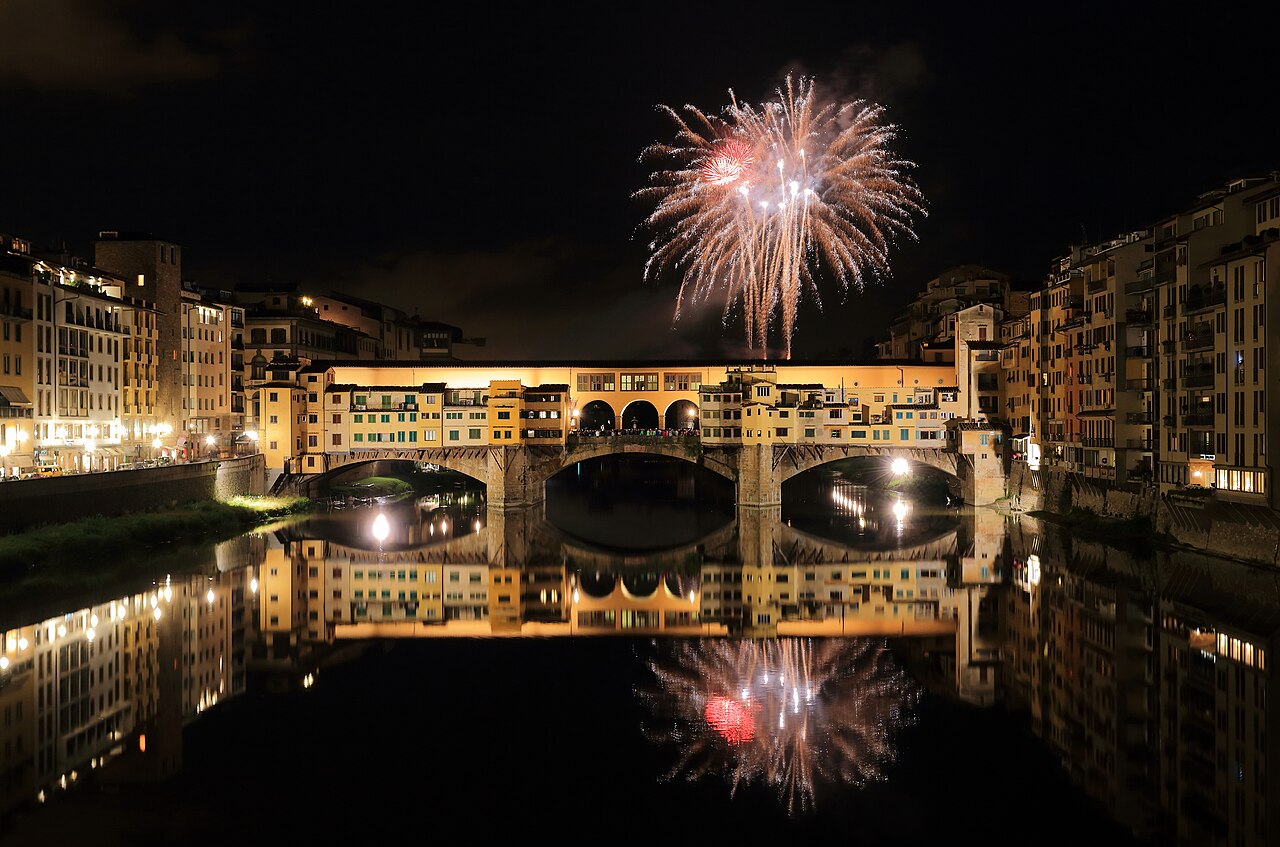
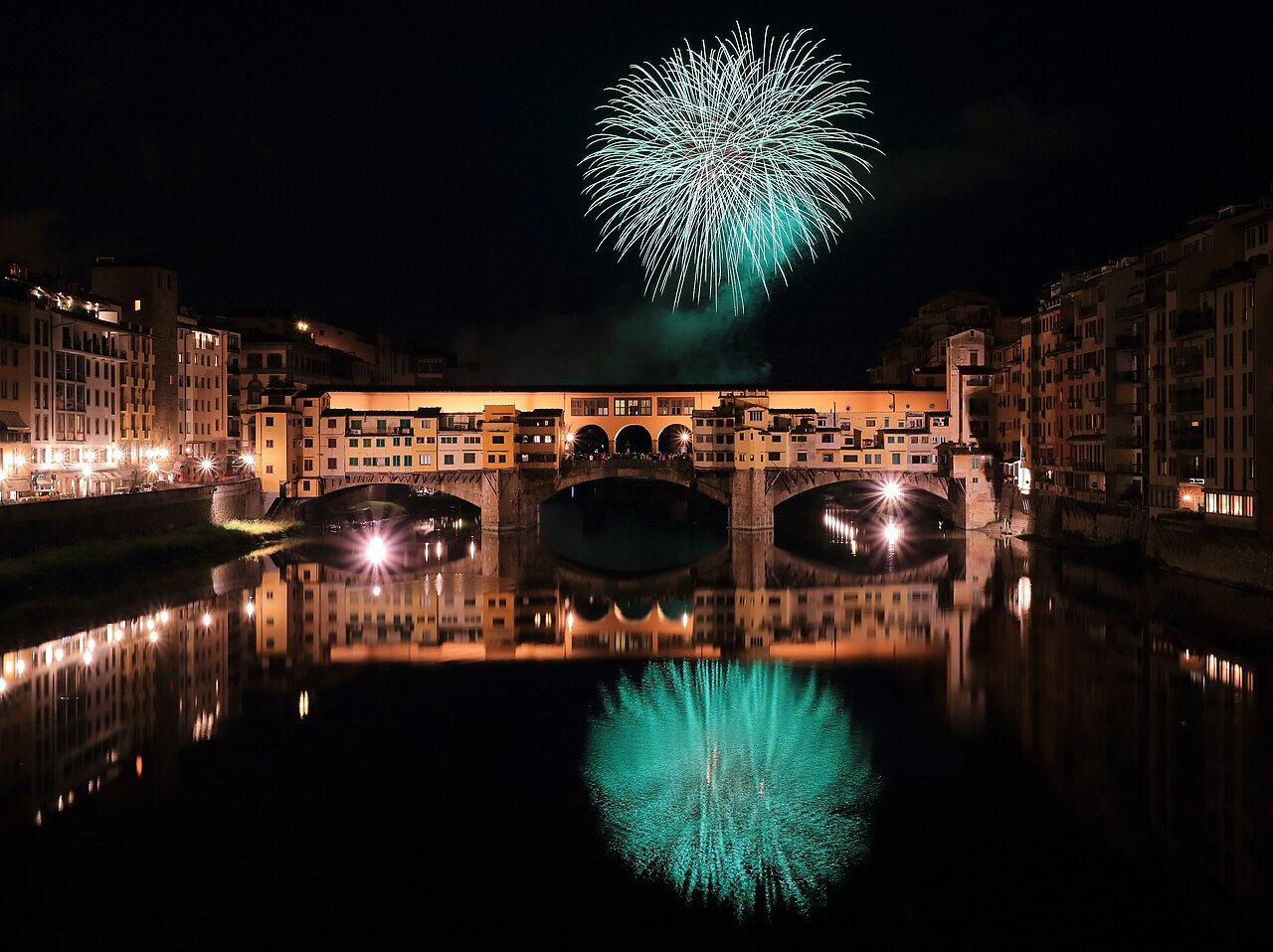
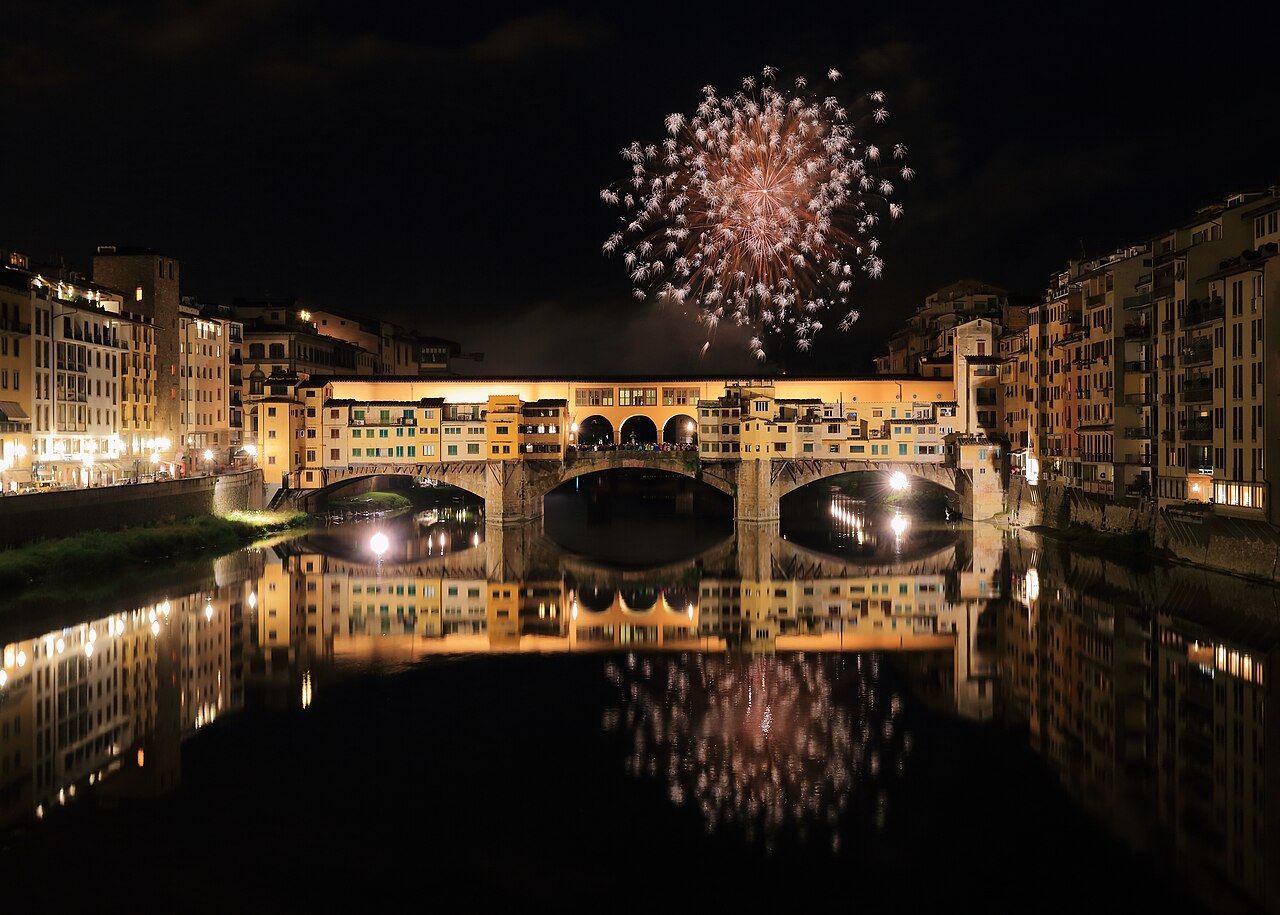
The bridge is lined with shops built along its length, a tradition once common on bridges across Europe. Running above the shopfronts is the Vasari Corridor, a private elevated passageway that stretches the full length of the structure.
Why is The Ponte Vecchio the only Florentine bridge that survived World War II?
When forces on the retreating side demolished every other crossing over the Arno, the Ponte Vecchio was the sole exception. It remains the only original Florentine bridge still standing in its pre-war form.
What are The Ponte Vecchio's key dimensions?
The main arch spans 30 meters (roughly 98 feet), while the two flanking arches each measure 27 meters (89 feet). The design is classified as a closed-spandrel segmental arch.
Where does The Ponte Vecchio connect in Florence?
It links Via Por Santa Maria on one bank of the Arno to Via de' Guicciardini on the other. This crossing has been a central artery in the city's road network since Roman times.
More in Great Bridges 1-22
Spotted an error? Know more?
This is a living reference — every entry is fact-audited, and reader corrections feed straight into our audit queue. Suggest an edit · See this site's audit record