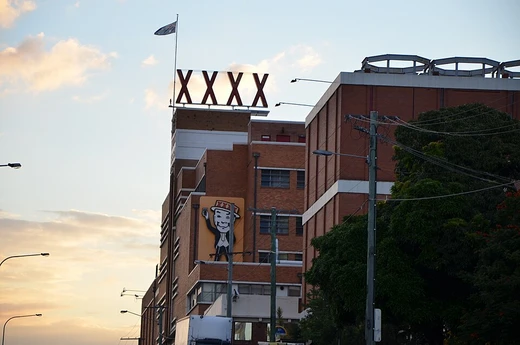
Asmara Brewery
Eritrea's historic brewery, producing beer and spirits since 1939.

Greca Wright · CC BY-SA 2.0
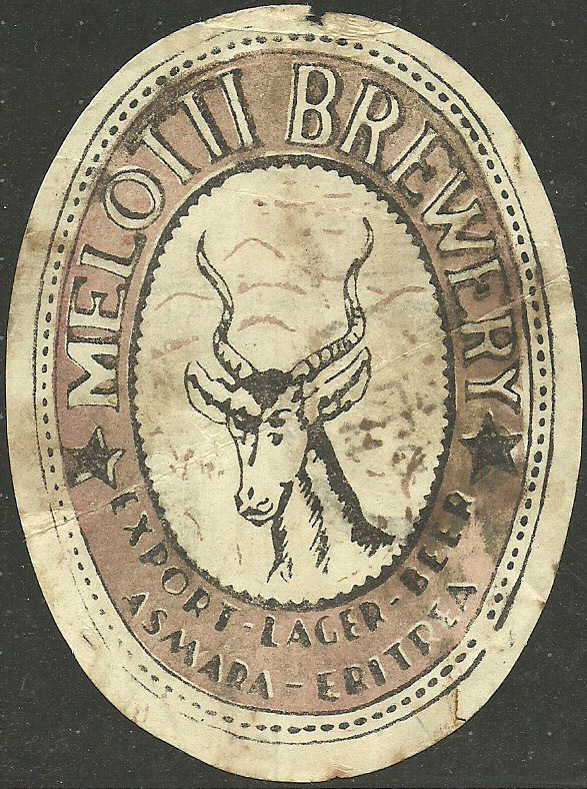
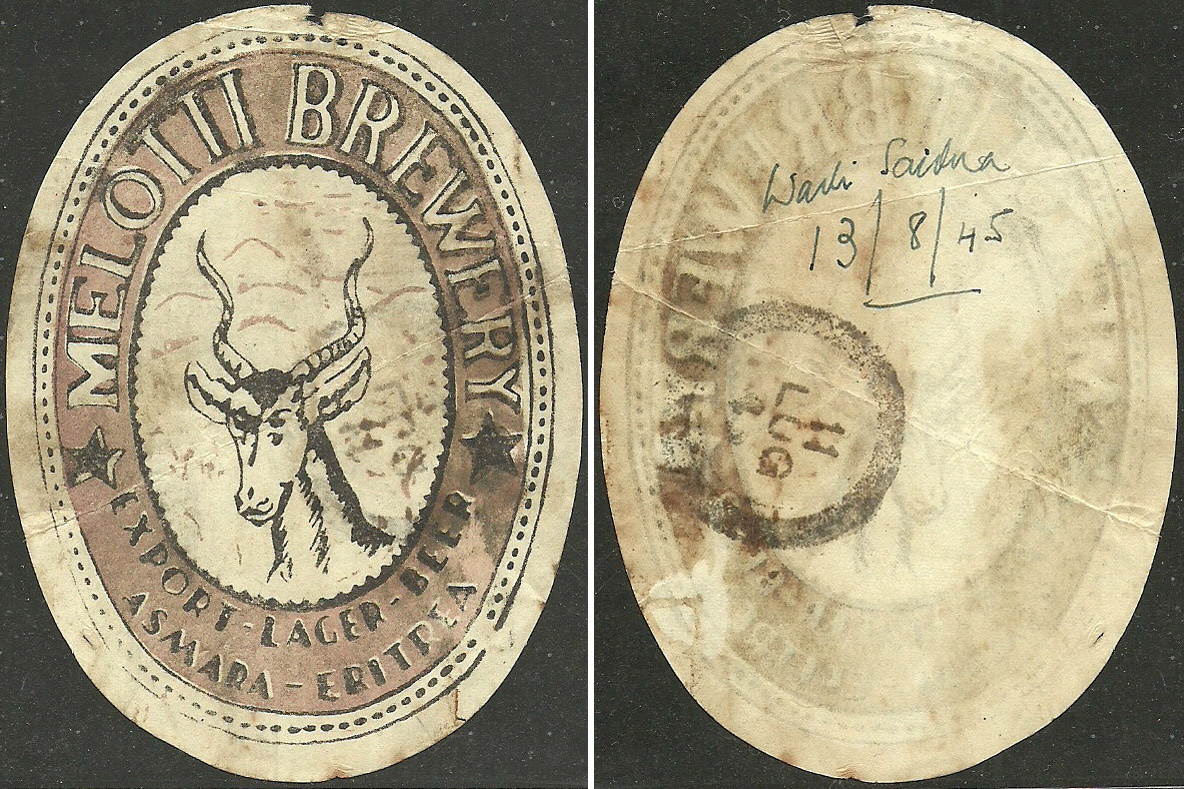
Asmara Brewery is a brewery in Eritrea, originally founded in 1938 by Italian engineer Luigi Melotti as the Melotti Brewery. It is one of the largest companies in the country and operates a football team that plays in the Eritrean Premier League.
Quick Facts
- Location
- Asmara, Eritrea
- Owner
- Asmara Brewery Corporation
- Opened
- 1939 (as Melotti Brewery)
- Production
- 400,000
Facts from the source article.
Lore & Background
The brewery was founded in 1938 by Italian engineer Luigi Melotti and started production in 1939. During the Eritrean War of Independence, the brewery was nationalized by the Derg and later inherited by the Government of Eritrea. Ownership is now shared between investors and the government. In 1998, up to 40% of production was exported, with the remainder consumed domestically. Production was affected during 2000 but later returned to normal levels, and the brewery now exports products worldwide. Melotti also built the famous Villa Melotti on the southern tip of Taulud Island in Massawa.
The plant covers 100,000 square metres, with 25,000 square metres of modern buildings. Its industrial activities include a distillery, liquor factory, brewery, and glass factory. The distillery produces denatured alcohol from musts of dense wines, with a daily capacity of 24 hectolitres. The liquor factory produces about 50,000 bottles monthly, including anise, cognac, fernet, gin, and zibib. The brewery exports canned beer and has an annual production capacity exceeding 100,000,000 bottles. The glass factory started production in January 1960, making bottles from 90 grams to 1000 grams and a range of glasses for local markets.
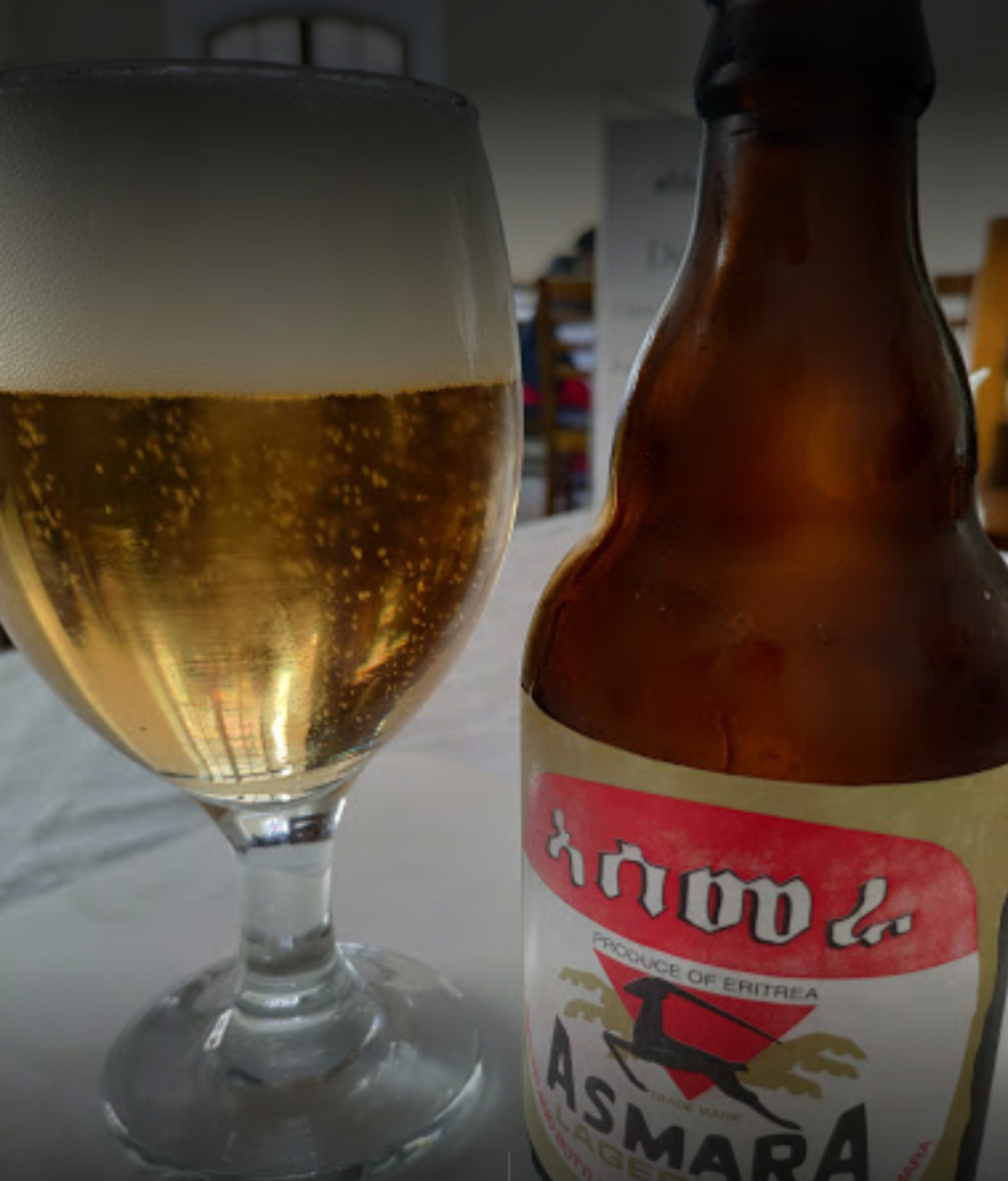
The brewery produces a wide range of beverages, including Ariki, an aniseed-flavored spirit, Asmara beer (lager), gin, cognac, and Fernet-Branca. The brewery operates a football team that has played in the Eritrean Premier League since the 1990s; the team was initially founded in 1944 as Asmara Birra by Melotti, who had already founded GS Melotti in 1938.
Reader's Guide
Asmara Brewery stands as a significant industrial and cultural institution in Eritrea, with roots dating to the late 1930s. Founded by Italian engineer Luigi Melotti, it began production in 1939 and has since grown into one of the country's largest companies. Its history reflects broader political changes: nationalized by the Derg during the Eritrean War of Independence, it was later inherited by the Government of Eritrea, with ownership now shared between investors and the state. The brewery's resilience is evident in its recovery from production disruptions in 2000 and its return to exporting products worldwide. The facility is a multi-faceted industrial complex, housing a distillery, liquor factory, brewery, and glass factory, with an annual beer production capacity exceeding 100 million bottles. Its glass factory, operational since 1960, supplies local markets with bottles and glasses. The brewery's product line includes the well-known Asmara beer (lager) and Ariki, an aniseed-flavored spirit, alongside gin, cognac, and Fernet-Branca. Beyond beverages, the brewery operates a football team, Asmara Birra, founded in 1944, which competes in the Eritrean Premier League, linking the company to national sporting life. The brewery's legacy is thus one of endurance, industrial diversification, and community engagement.
Colonial Roots and Early Production
The Asmara Brewery traces its origins to the Italian colonial era in Eritrea. In 1938, Luigi Melotti, an Italian national who had arrived in the territory as a road-construction specialist, established what would become the country's most prominent beverage manufacturer. The factory broke ground on a site that had previously served as a storage depot for road-building materials in Asmara, and production commenced the following year. In those early days, the operation was modest: it produced small quantities of liquor using what can only be described as rudimentary technology. Melotti's background in infrastructure engineering rather than brewing suggests the venture was more an entrepreneurial side project than a deeply specialized undertaking. Nevertheless, the foundation he laid proved durable. Over the decades that followed, the plant underwent successive waves of modernization, capacity expansion, and product diversification, transforming from a small-scale liquor workshop into a highly regarded industrial facility. The trajectory from a colonial-era experiment to a national institution encapsulates much of Eritrea's complex economic history.
Nationalization and Post-War Ownership
During the Eritrean War of Independence, the Derg regime seized control of the brewery, nationalizing what had been a privately held Italian-era enterprise. Following the conflict, the Government of Eritrea inherited the facility, and ownership has since been shared between state authorities and private investors. This transition from colonial private ownership to a mixed public-private model reflects the broader political upheavals that reshaped the Horn of Africa in the twentieth century. The brewery's fortunes were not immune to regional instability. In 2000, production suffered a noticeable decline, though output subsequently returned to normal levels. By 1998, the factory was already exporting roughly forty percent of its total output, with the remaining sixty percent serving the domestic market. In more recent years, the brewery has expanded its international reach, shipping products to markets around the world. From its wartime nationalization to its present status as one of Eritrea's largest companies, the brewery's ownership story is inseparable from the nation's own struggle for sovereignty.
Industrial Scale and Product Diversity
Today the Asmara Brewery occupies a sprawling 100,000-square-metre campus in Asmara, of which 25,000 square metres are covered by modern industrial buildings. More than 600 employees work across four distinct production divisions. The distillery, which processes musts derived from the doum palm, can produce 24 hectolitres of denatured alcohol exceeding 96 degrees per day. The liquor factory turns out approximately 50,000 bottles each month, offering anise, cognac, fernet, gin, and zibib among its lineup. The brewery division is the largest by volume, with an annual capacity surpassing 100 million bottles, and it exports canned beer to international markets. The glass factory, which began operations in January 1960 using facilities constructed the year before, manufactures containers ranging from 90-gram bottles to 1,000-gram vessels alongside a wide variety of drinking glasses for local markets. Among the brewery's most recognizable products is Ariki, an aniseed-flavored spirit, alongside its flagship Asmara lager, gin, cognac, and Fernet-Branca.
Football, Community, and the Melotti Legacy
Beyond its industrial output, the Asmara Brewery has maintained a deep connection to Eritrean sport. The company operates a football club that has competed in the Eritrean Premier League since the 1990s. The club's roots stretch back to 1944, when Melotti himself founded the team under the name Asmara Birra. Notably, Melotti had already established an earlier football side, GS Melotti, in 1938, demonstrating that sport was woven into the fabric of his entrepreneurial identity from the very beginning. His legacy in Eritrea extends well beyond brewing and football. The wealthy original owner also constructed the famous Villa Melotti on the southern tip of Taulud Island in Massawa, a structure that has become a recognizable landmark. In this way, Melotti's imprint on the Eritrean landscape—spanning industrial infrastructure, community sport, and architecture—endures long after the colonial period that gave rise to his ventures. The brewery, in turn, continues to anchor local economic life and civic identity in Asmara.
Gallery
Frequently Asked Questions
What is Asmara Brewery?
Asmara Brewery is a long-standing Eritrean brewing company that has been producing beer and spirits since 1939. It is one of the largest industrial employers in the country, with more than 600 staff working across a 100,000-square-metre facility.
Who founded Asmara Brewery and when?
Italian engineer Luigi Melotti established the plant in 1938 under the name Melotti Brewery. It has since been renamed and rebranded but retains its original Eritrean location and heritage.
How much beer does Asmara Brewery produce each year?
The brewery's stated annual capacity exceeds 100 million bottles, making it a dominant force in Eritrea's beverage market.
Does Asmara Brewery have a sports team?
Yes — the company fields a football (soccer) club that competes in the Eritrean Premier League, giving the brand a visible presence beyond the bar counter.
Why is Asmara Brewery significant to Eritrean culture?
As one of the nation's oldest and largest industrial employers, it has shaped Eritrea's post-independence economy and social life for over eight decades. Its combination of brewing, large-scale employment, and community sports involvement makes it a recognizable pillar of national identity.
More in Beer Brands 1-24
Spotted an error? Know more?
Reader corrections go straight into our review queue. Suggest an edit · How this site is sourced